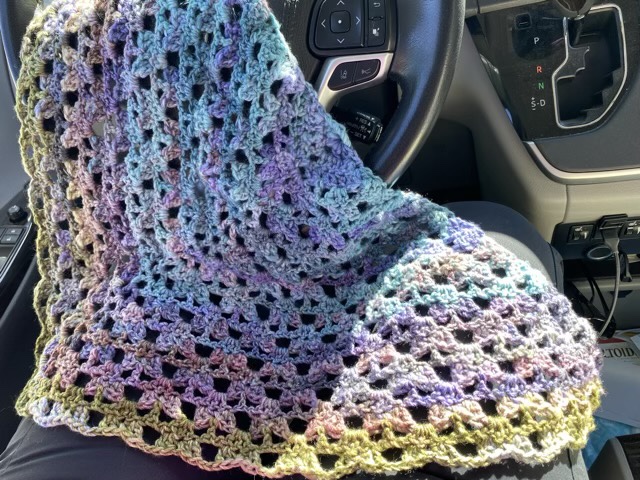
My second waiting shawl is more like a brief pause shawl. It took less than a week to finish, and probably only three or four hours of active work. Crochet lace goes fast, especially with thicker yarn.
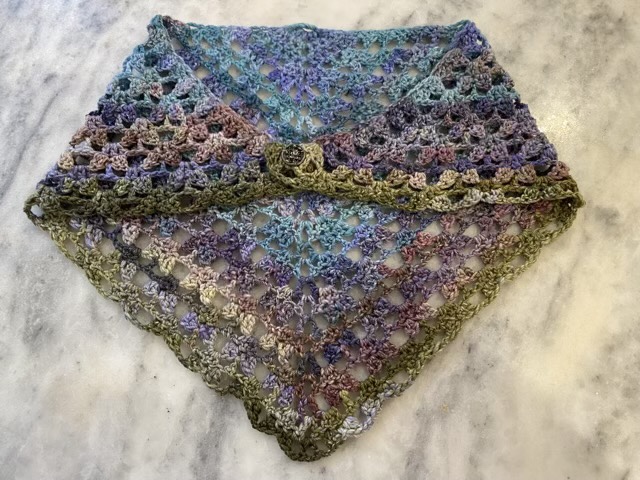
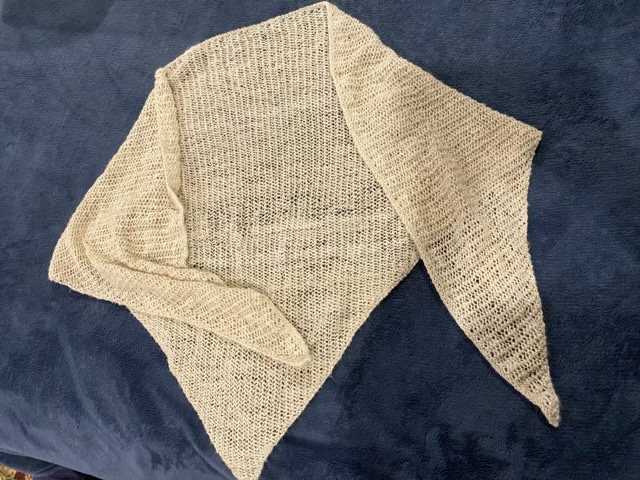
Finished shawl/scarf, hand spun roving from Supernova dye works, crocheted with a pattern from Desert Blossom Crafts
It is more the size of a scarf than a shawl, and to help it stay on, I put a button on one corner, and use the natural holes in the lace as button holes.
Shawl after blocking with sewn on button
I like how the color variation came out. When I spun it on my vintage wheel, I separated out the colors in the roving, sorted them, then spun. I used a chain ply to preserve the gradient. The gradient came out beautifully when it was crocheted!
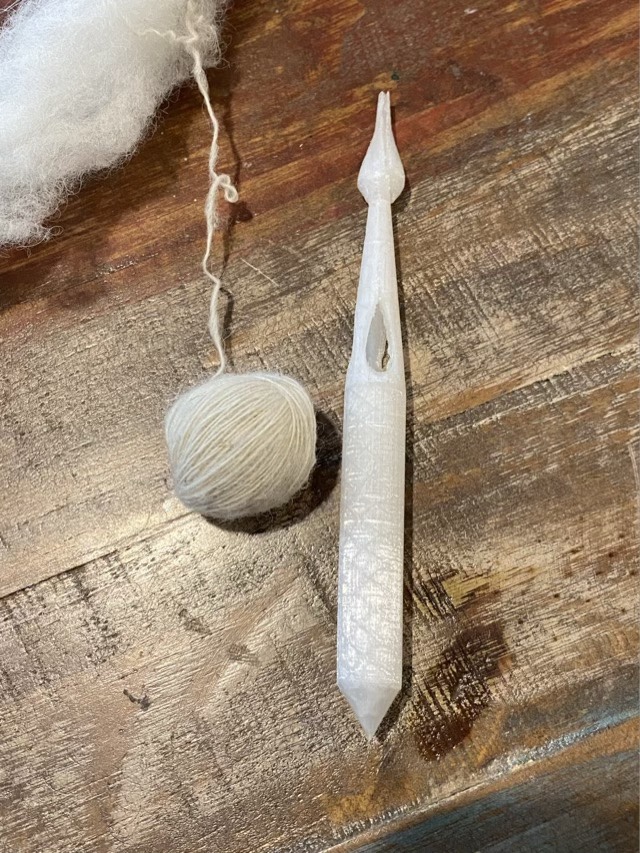
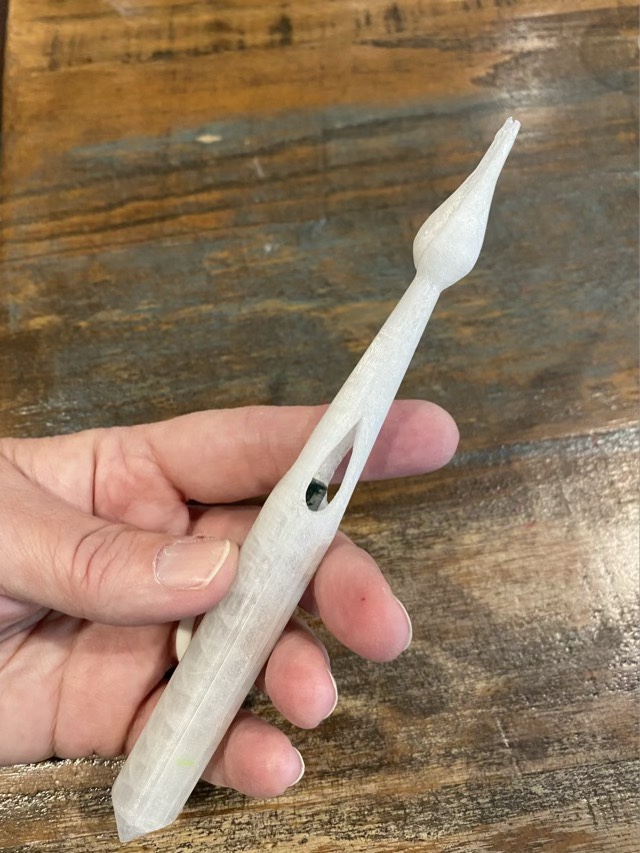
Step three in my 3D print design process has yielded a beautiful result! I was fascinated with a spindle printed in flexible filament I found at the fiber festival and asked my printer if he had flexible filament. He had a better idea: PETG. This is a plastic used for water bottles and is very sturdy and impact resistant. Done in clear it also has a sheen almost like calcite. So pretty! It is easy to sand and shape as well. I sent a new design to be printed.
New 3D printed spindle in testing
I took some Shetland wool roving with me to pick up the spindle, then sat at my favorite coffee shop and spun while sipping a gingerbread latte. Yum.
Cop of yarn and printed spindle
The cop of yarn I spun slid off the spindle easily. I did use some 400 grit sand paper to take down some of the printing artifacts inside the channel and holes. The spindle is very light, so my printer suggested putting weights in the cavity I designed. Brilliant. I found some long square tube beads that fit down inside. The little bit of extra weight helped it spin better, and is adjustable! Nice. I prefer square weighs, so if they escape they don’t go rolling everywhere.
Spindle with beadsSpindle with beads inside the cavity for weight
I like this version, but I have some tweaks to the design for the next round. Eventually I will have to do a destructive test, and drop my pretty spindle on the ground. But I’ll wait a bit.
A shout out to my printer, X of all Trades, and the best coffee shop out there, The Full Cup, without whom I wouldn’t have found someone to make 3D prints!
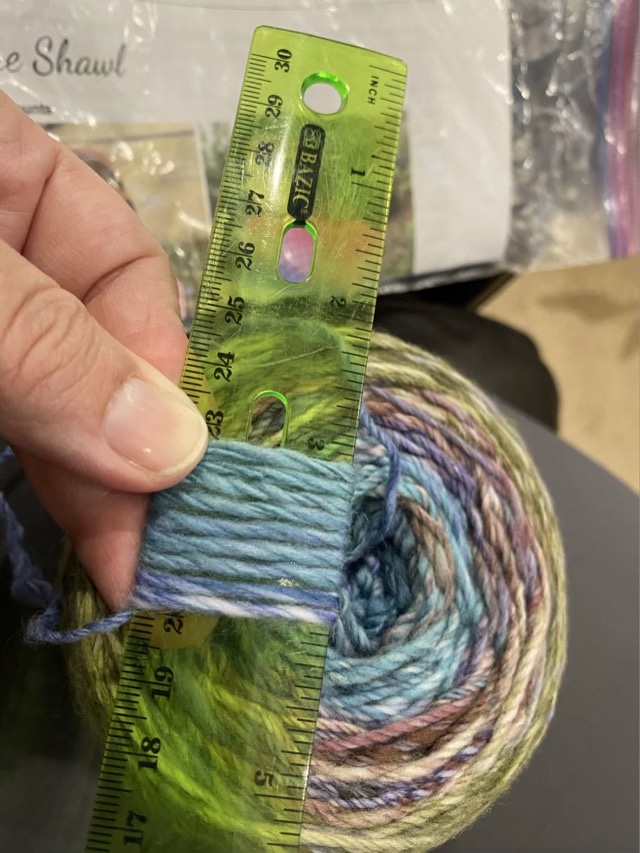
I’ve started a crochet project using the first yarn I spun on my spinning wheel. The consistency varies wildly, so I took my wraps per inch (wpi) measurements from one of the thicker sections.
Measuring wraps per inch on hand-spun yarn
I consulted a wraps per inch chart to select a crochet hook size based on my measurement of 9 wpi. By selecting a hook for the thicker parts of the yarn, the thinner areas will be more lacey, but that is OK because my pattern is for a lace shawl. If I sized the hook for the thinner sections of yarn, the shawl would become stiff for the thicker sections.
Start of a new shawl project
I’ve put the whole project in a bag in the car so it is ready for the waiting times.
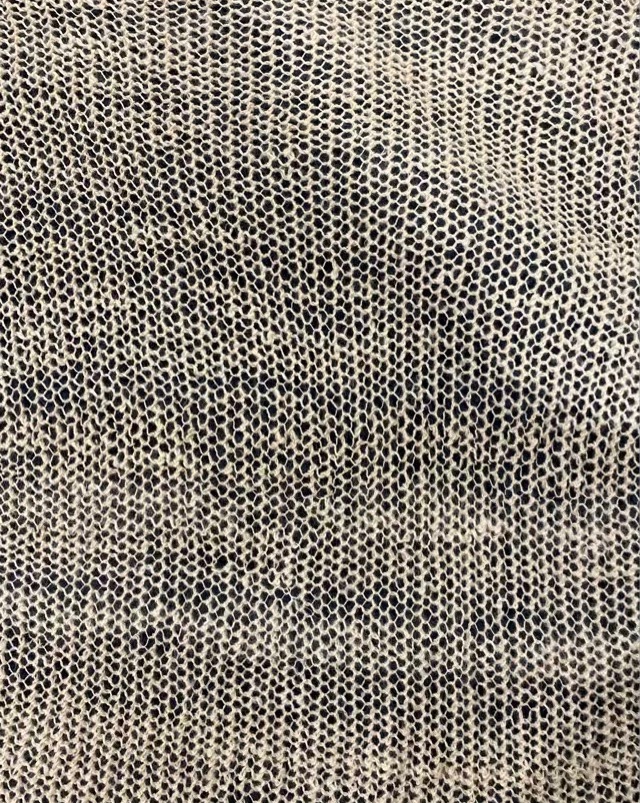
I am calling this my waiting shawl, since I knitted it while waiting. Waiting in the car rider line, waiting in the doctor’s office, waiting in the parking lot. It feels like I’ve been waiting forever, but I’ve only been knitting for six months. I started spinning the fiber over a year ago, though. So. This is made from fiber from Sugar Plum the alpaca, washed, carded, and hand-spun with a drop spindle and some on my upcycled bicycle spinning wheel. The knit pattern is yarn over, purl two together, both front and back, with knit stitches on the edges to get the stripes vertical
Finished knitting draped over the steering wheel because the car is where most of the work was doneShawl before blocking
The amazing thing about this shawl happened when I did a light wash and blocked it. First, there was still quite a bit of dust in the yarn that came out in the wash. Second, when I blocked it, it doubled in size. All the lace holes opened up, evened out and expanded. Wow. It made my spinning seem much more even. I’ll take it.
Shawl after blockingClose up of knit pattern after blocking