The waiting shawl

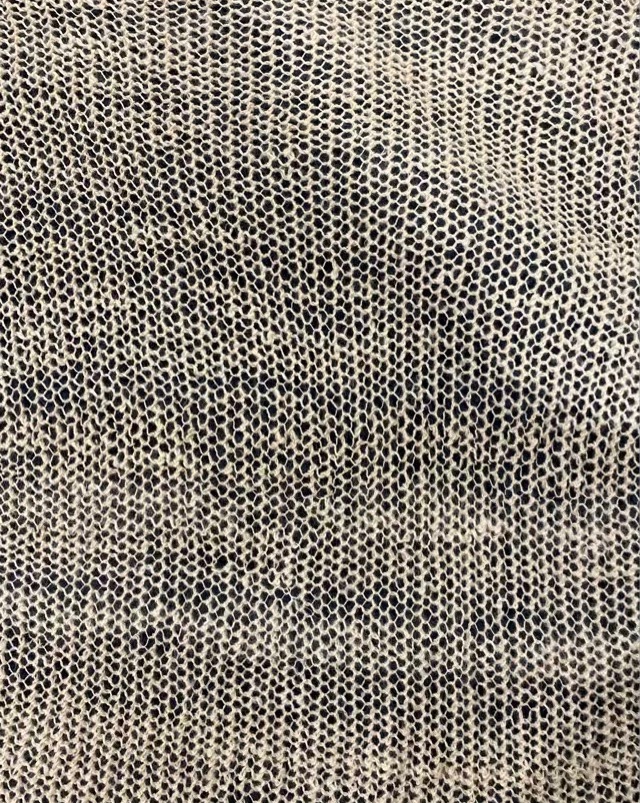
I am calling this my waiting shawl, since I knitted it while waiting. Waiting in the car rider line, waiting in the doctor’s office, waiting in the parking lot. It feels like I’ve been waiting forever, but I’ve only been knitting for six months. I started spinning the fiber over a year ago, though. So. This is made from fiber from Sugar Plum the alpaca, washed, carded, and hand-spun with a drop spindle and some on my upcycled bicycle spinning wheel. The knit pattern is yarn over, purl two together, both front and back, with knit stitches on the edges to get the stripes vertical

Finished knitting draped over the steering wheel because the car is where most of the work was done
Shawl before blocking

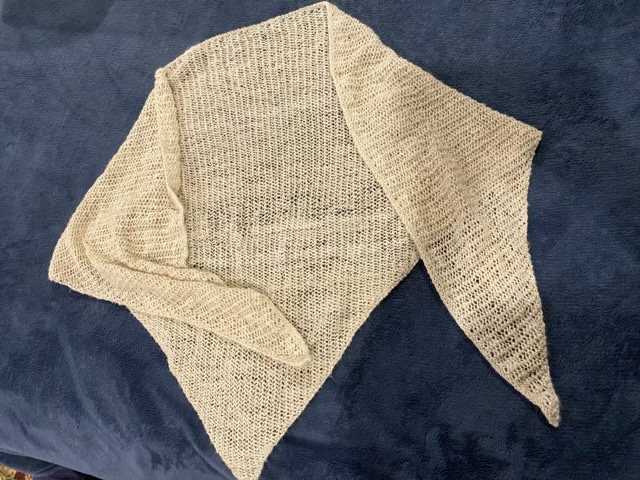
The amazing thing about this shawl happened when I did a light wash and blocked it. First, there was still quite a bit of dust in the yarn that came out in the wash. Second, when I blocked it, it doubled in size. All the lace holes opened up, evened out and expanded. Wow. It made my spinning seem much more even. I’ll take it.

Shawl after blocking
Close up of knit pattern after blocking

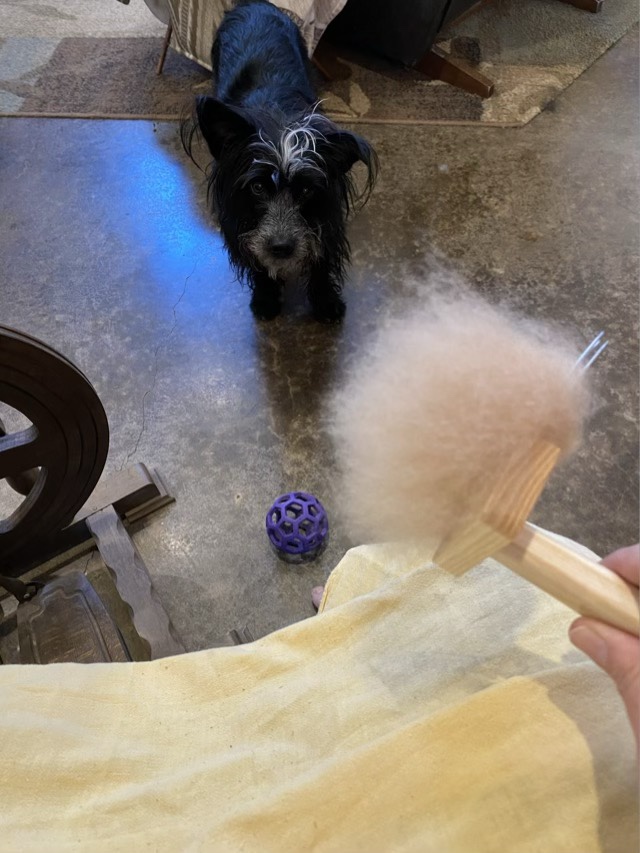
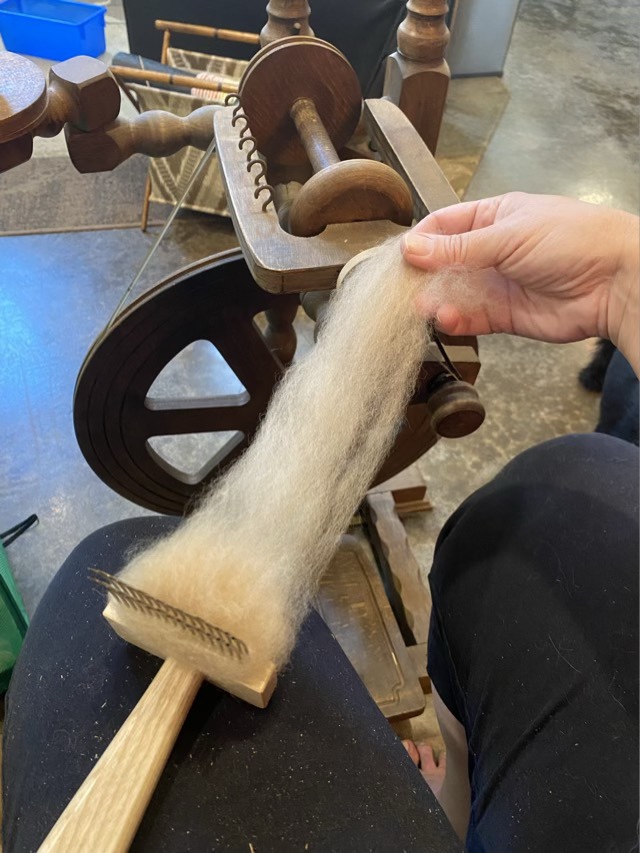
Combing alpaca

I decided to try my new wool combs with the alpaca fleece that I washed and dried a year ago. I love them! Combing removes so much more vegetable matter and short cuts than carding. The fibers pulled off the comb are light and airy and beautifully aligned. I do get much more waste; I’m putting that in a bag to put out for nesting material for the squirrels and birds. I was going to comb all the fibers then spin, but the preparation was so fluffy I just had to spin it right away and not risk compaction in storage.

Pulling combed alpaca off a comb

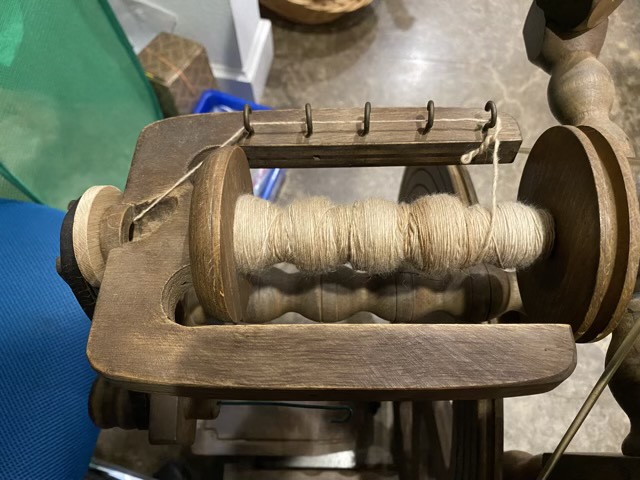
I tried spinning directly off the comb, but my skills are not that advanced yet, so I pulled off the fiber then spun on my vintage Befra Willy wheel. I now see how the yarn on a Irish tension wheel (flyer is slowed down) has to be thicker. There is more strain on the yarn and thinner yarns snap. I’m still pleased with the thickness of the yarn for multipurpose projects, but this will not be lace yarn.

Spun alpaca fiber on the bobbin of a Befra Willy wheel

Embarking on a new journey

I have been reading from many sources that to improve spinning skills, a spinner should spin many different fibers. Twist my arm. I have also read that keeping a record of each spin is helpful when evaluating fiber for future projects. Writing about fibers isn’t a problem, but putting together what is essentially a scrap book of fiber information is a little more daunting. I tend to think about saving bits only after the project is finished and most of the fiber is gone. That is going to change. I’m starting a fiber spinning book. I’ve designed a standard 12×12 scrap book page to hold a bit of unspun fiber, “spools” of yarn, and swatches of fabric made from the yarn.

Fiber study page made to fit a 12×12 post scrap book

This first page is about the fiber from an alpaca named Sugar Plum. The spine is made from paper my sister bought in Italy (look, I finally found a worthy project!) sewn onto two sheets of card stock and the holes are reinforced with metal grommets. The top sheet has slots cut using an electronic cutter to hold the information card, spools, and fiber drawer. The spools are cut from card stock and have slits one inch apart to make estimating wraps per inch (wpi) easier.

1/4 inch fiber drawer

I made a clear fiber drawer so my fibers could be seen and not be flattened down. I used heated laminate sheet and card stock with some hot glue to make the box sturdier. That is the only type of glue in the whole project since adhesives can degrade over time; all the other connections are mechanical.

Fabric swatches lifted up to reveal further information about construction

The fabric swatches are held on with metal brads, and information written beneath.

Protective page of card stock

I used two sheets of card stock so that the back page can protect the next sheet from the exposed brads, but still allow access to the brads.

Page installed in store-bought scrap book

The journey has begun! I’ll blog about fibers as I complete pages, and I’ll do a tutorial on how to make this type of page (I was too excited to get started to properly document this first page.) And that plain scrap book cover needs some ornamentation and improvement. This should keep me busy and blogging for awhile!

In preparation

I finished spinning the alpaca fleece from Sugar Plum that I washed over a year ago. I had a brief moment of panic that it was the last bit, but then I found a half bag more unwashed in the closet.

Two-ply alpaca yarn

I’m thinking of starting up another long term project, but that is worked in small sections. I’ll give a big reveal later. For now, here are alpaca swatches drying over the tub to give you a hint (or thoroughly confuse).

From left to right: crochet, stockinette stitch, lace stitch all done in alpaca hand spun yarn and blocked on netting stretched over the bath tub

Upcoming will be a post detailing the project. Not the completed project, because it will take years and may never be “finished”, so maybe instead of a grand reveal, it will be the announcement of embarking on a journey.

Contamination

Apparently, I didn’t clean out my fiber bag thoroughly before loading it with cream alpaca fiber. I have shadows of pink and green in the spun singles. Hm. It will be interesting to see if it shows up after plying or in the final piece.

Alpaca singles with pink and green tints