Plan Your Attack

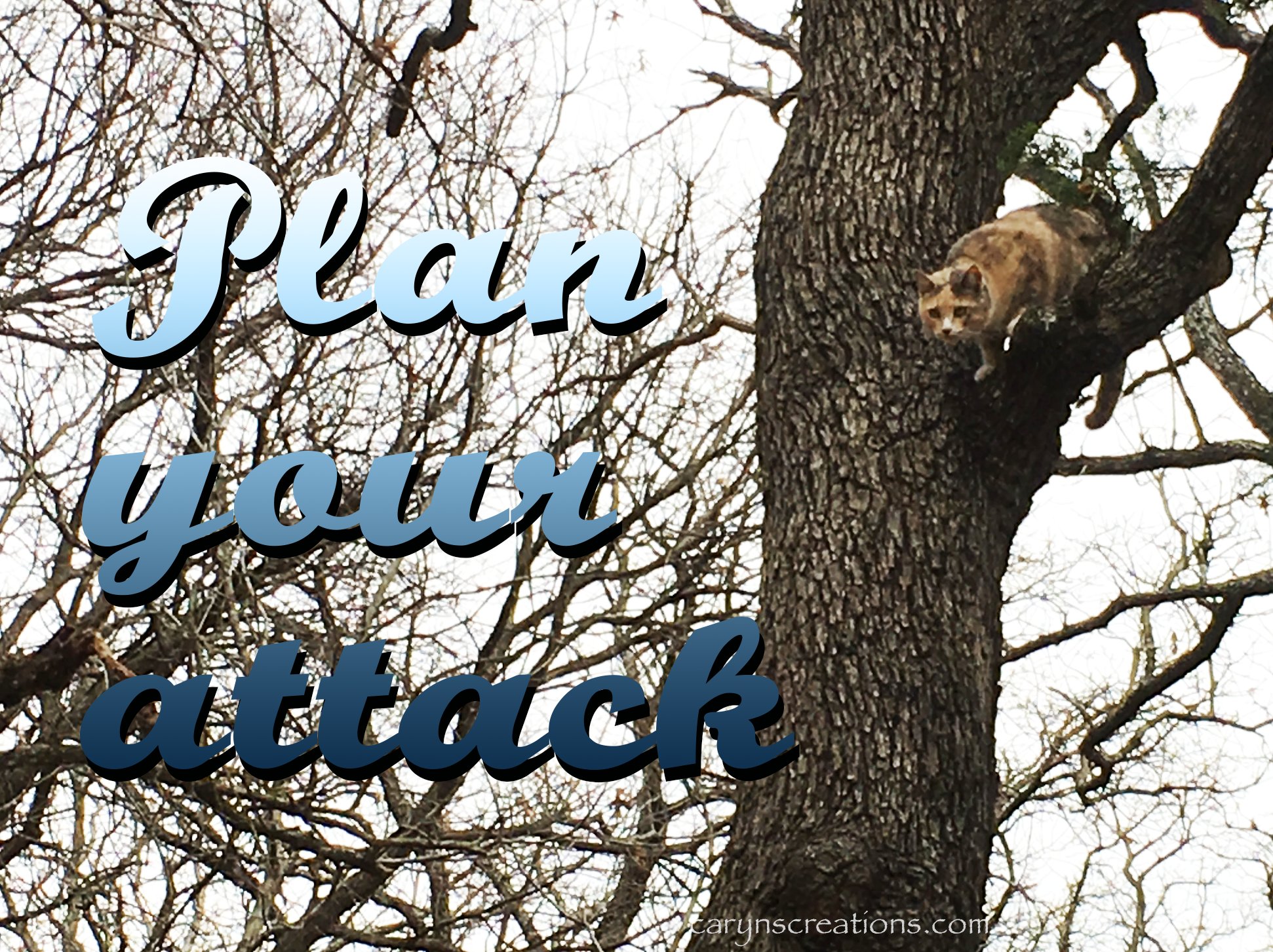
Our adopted outside cat is very good at getting up and down trees. Usually she zooms up the smaller post oaks to show off, but the one in this picture is the largest on the property. She looks so little and high up, yet fierce and focused.

I played with gradients and masks in Photoshop to make the lettering for this meme. I also managed to squeeze some time in during spring break to participate in one of Adobe’s Daily Challenges. If you are interested in the output, it is here.

False garlic

Here is another early spring bloomer in Texas: Nothoscordum bivalve also known as false garlic or Crow poison. We had so many in the lawn at our last house that I would make wreaths and crowns for my kids. The long thin stems make it easy to braid into garland (albeit tiny tiny garland!)

I was excited to see it bloom in our new neck of the woods. It has definitely been a sure sign of spring for me for many years.

I stumbled upon a good article about the toxicity and history of this plant too. Apparently some chicken farmers would spread a paste of this flower in the heads of their chickens so if a crow ate the chicken, the crow would die.

I think I will just cover my runs, thank you very much.

E-lectricity

Lights on in the coop!

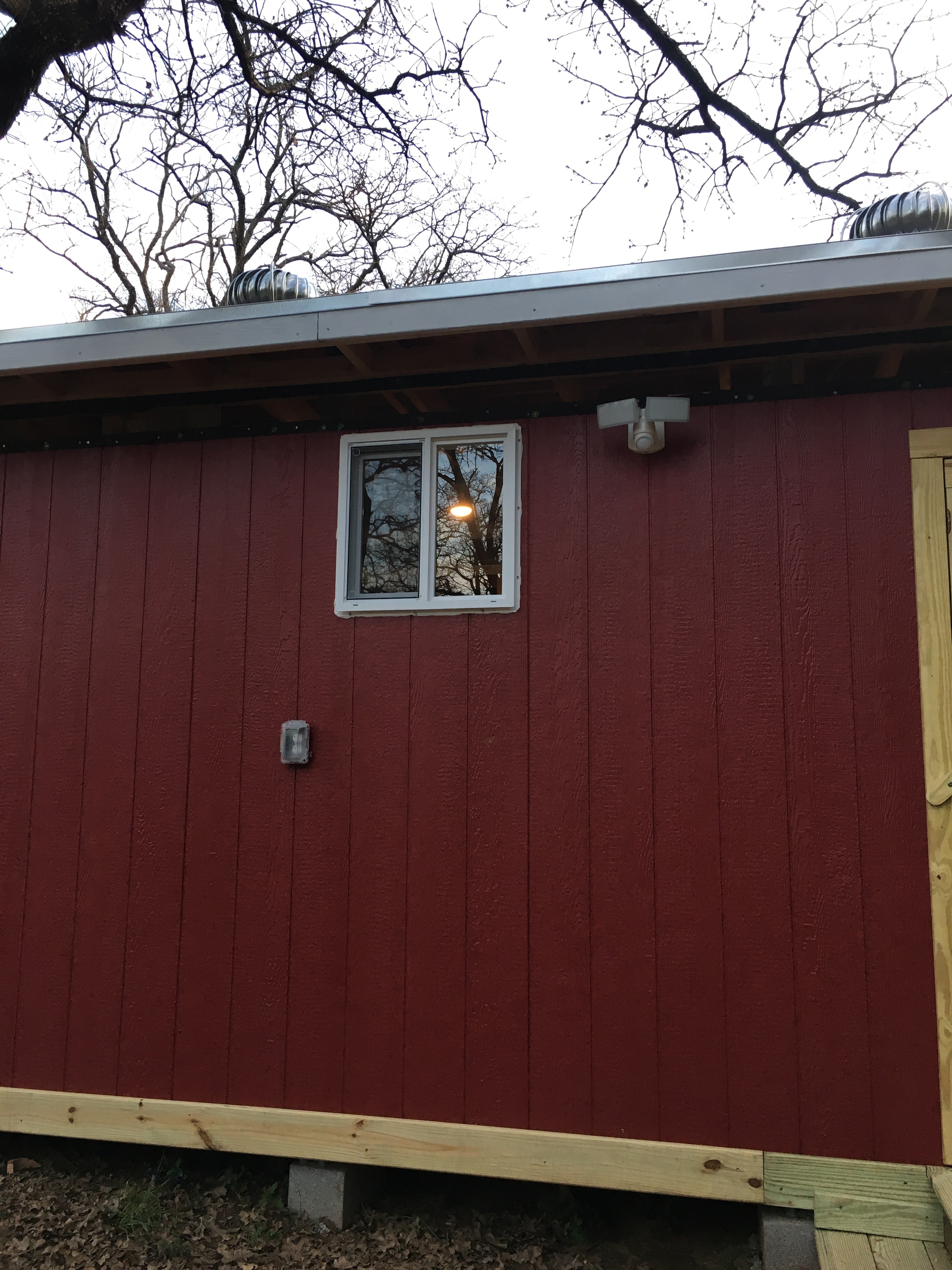
I have had Schoolhouse Rock “Electricity” stuck in my head all day. Why? Because the coop now has power! My husband hooked everything up and it is now live. Yay! We have outlets and lights inside and out.

Now, we are not planning on heating the coop, nor adjusting the light for the hens to increase egg production through the winter. The lights are for safety (inside for counting sleeping chickens, outside to scare away predators). The outlets are so we can brood the chicks in the coop and not in our living space. When the heat of the summer is at its worst, some electric fans may do some good as well. And just in case this whole endeavor goes south, the hen mansion can easily be converted to shop space. Just in case.

By the way, if the song is now stuck in your head too, you’re welcome.

Freezing ginger

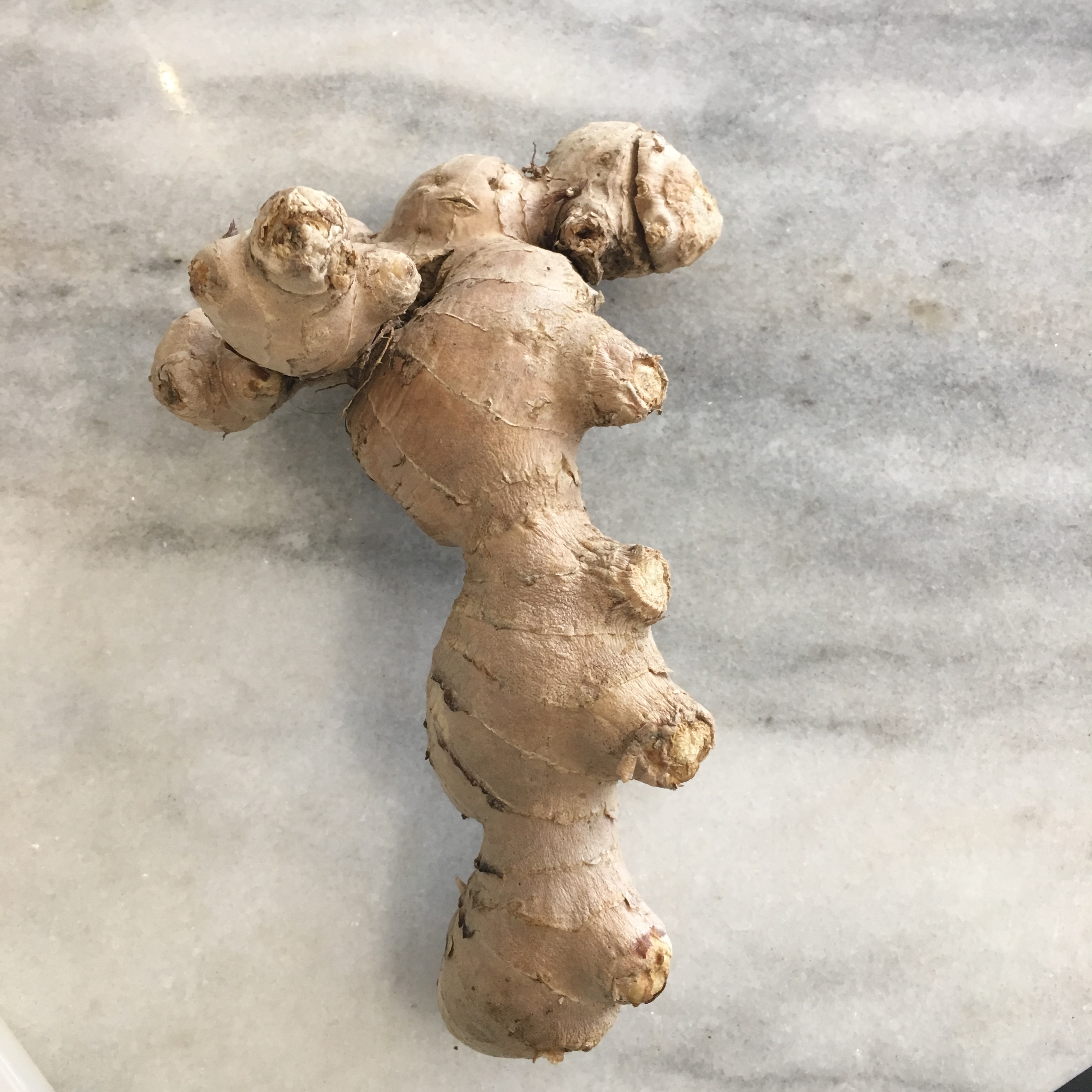
Ginger root

I love ginger root. I use crystalized ginger in my ginger snaps as well as ground ginger. Fresh ginger is wonderful in my favorite egg drop soup, and adds a good zing to another of my favorite dishes: Thai Basil Chicken.

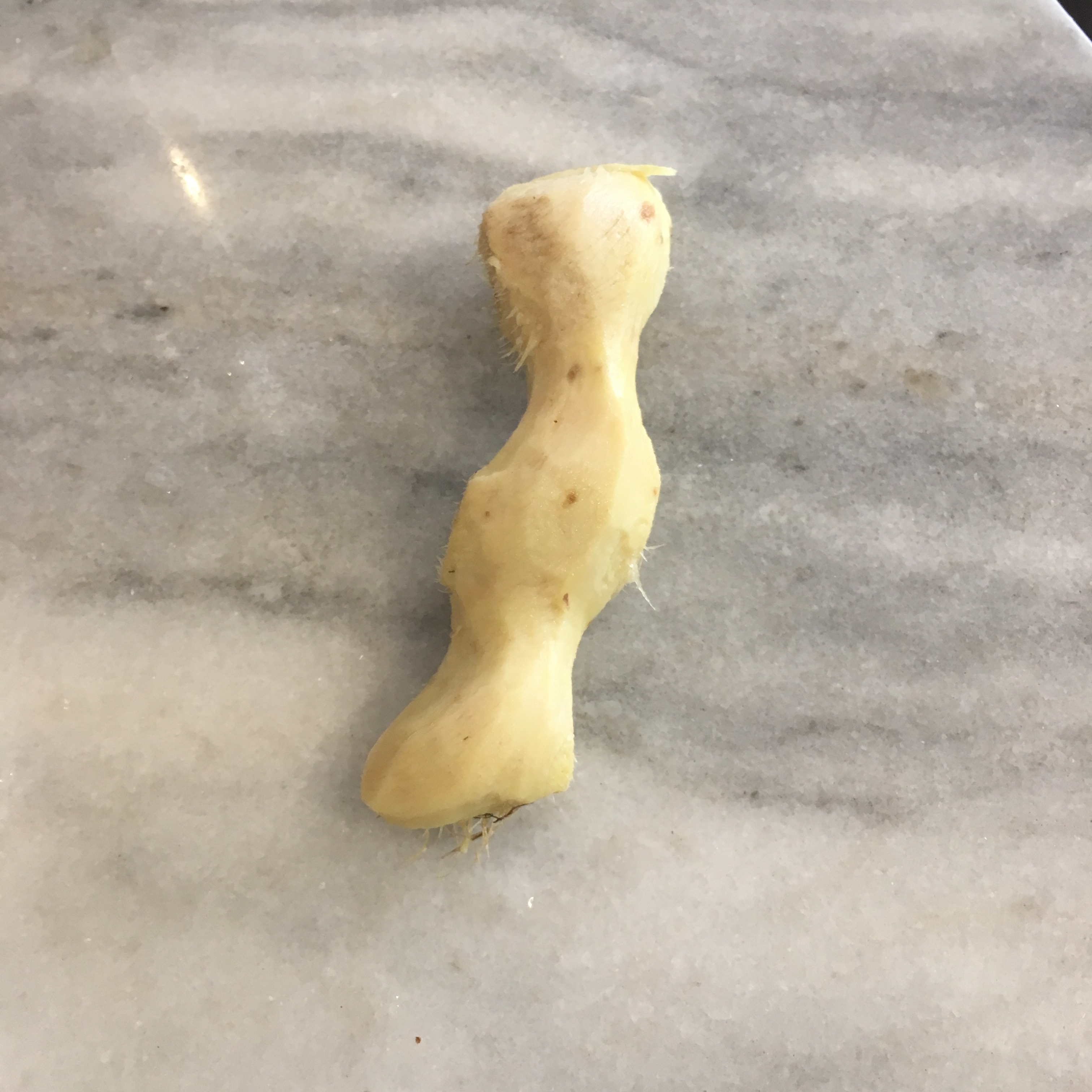
Peeled ginger root

My grandmother used to keep a thumb of ginger root in the freezer. After having several ginger roots get moldy in the fridge, I tried this too. The freezer keeps the mold away, and makes it easier to grate, but oh so cold to hold, and very hard to slice. So I now process my ginger before I freeze it. Much easier to handle! And the slices break or can be minced easily.

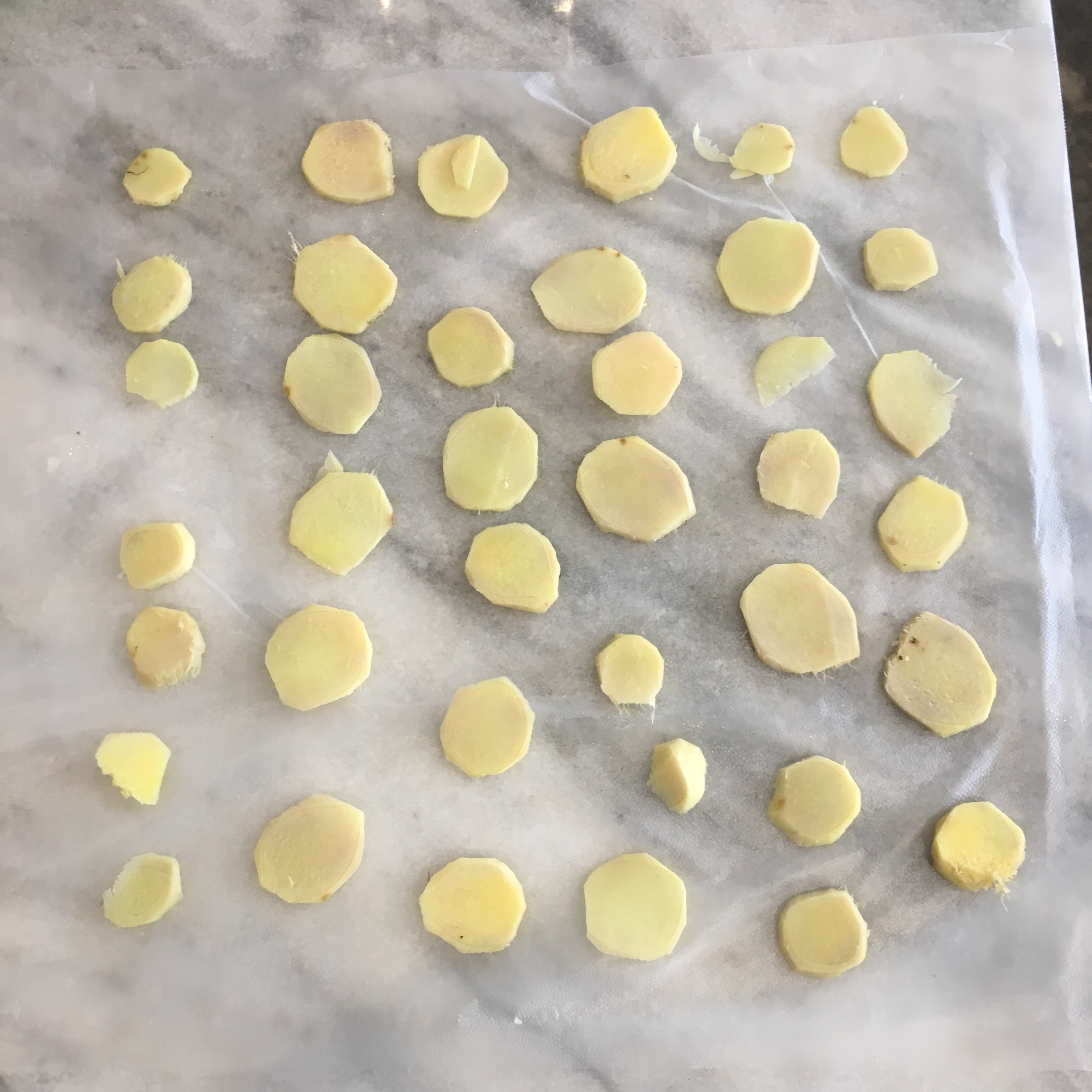
Sliced ginger root

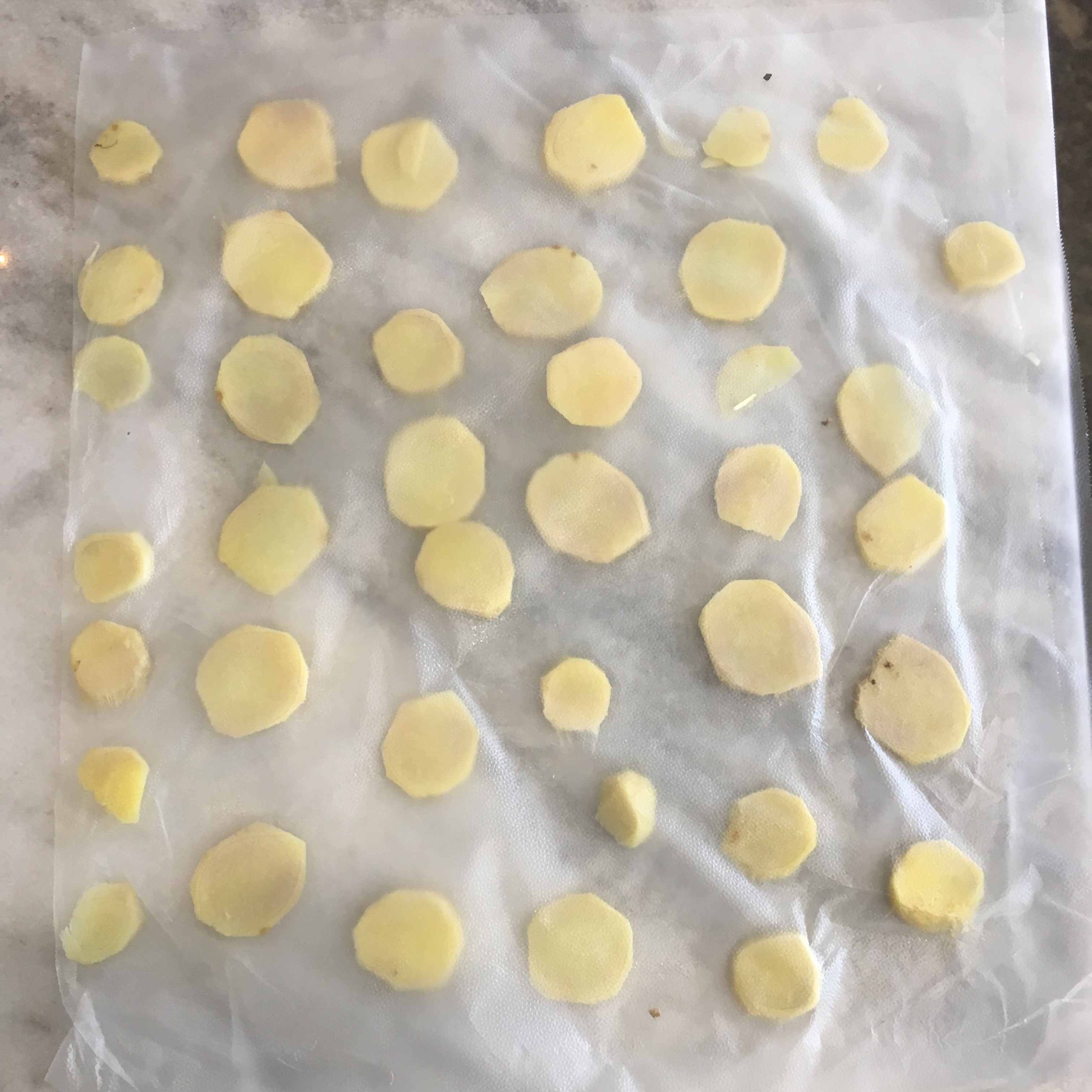
I wash the ginger root, peel it with a peeler, slice it thin, and sandwich it between two layers of Press and Seal cling film, then store it in the freezer. When I need some, I just peel open the cling film and take a few slices. Easy peasy!

Sliced ginger root between two layers of Press and Seal, ready for the freezer.

The bane of my existence

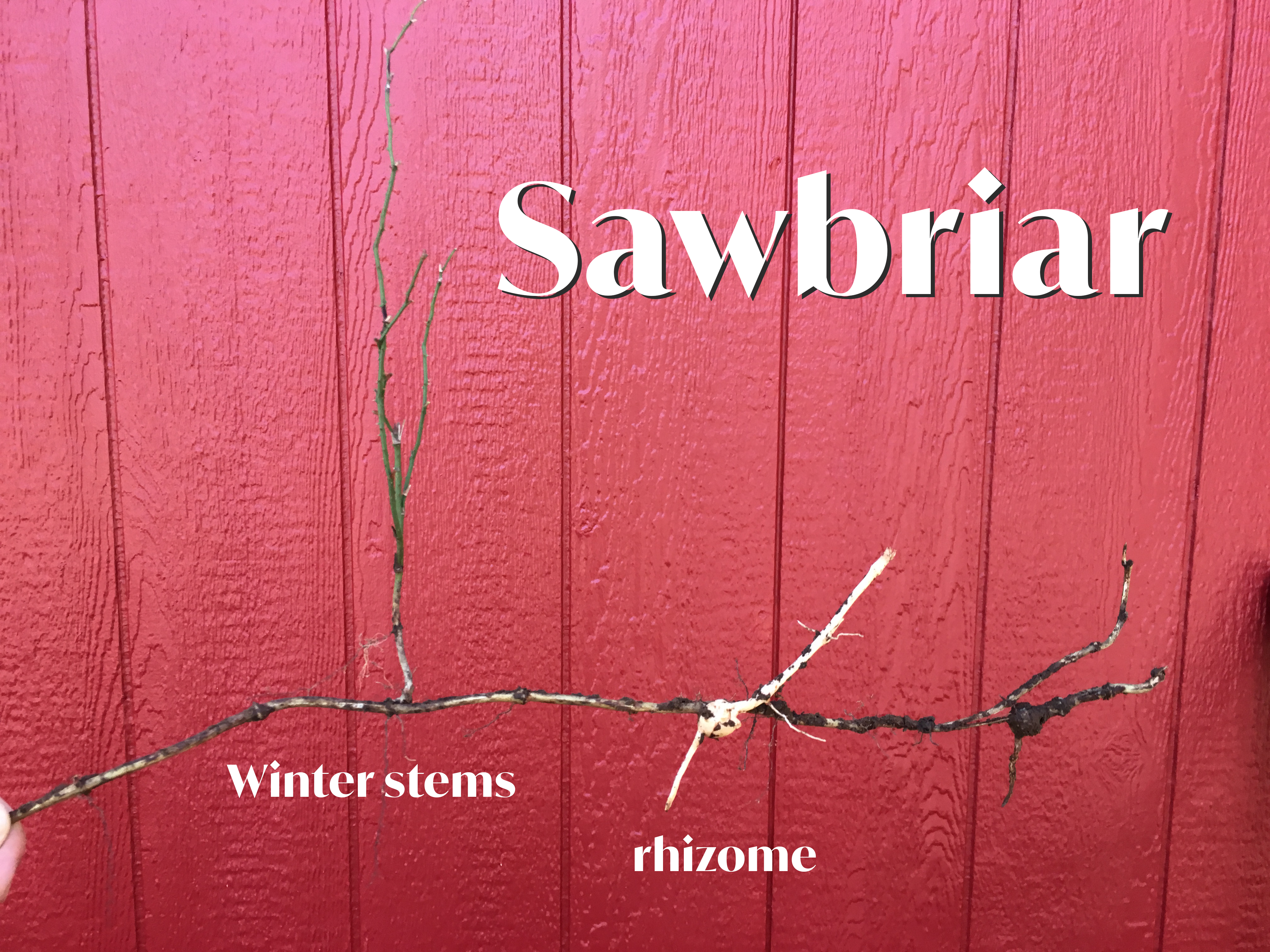
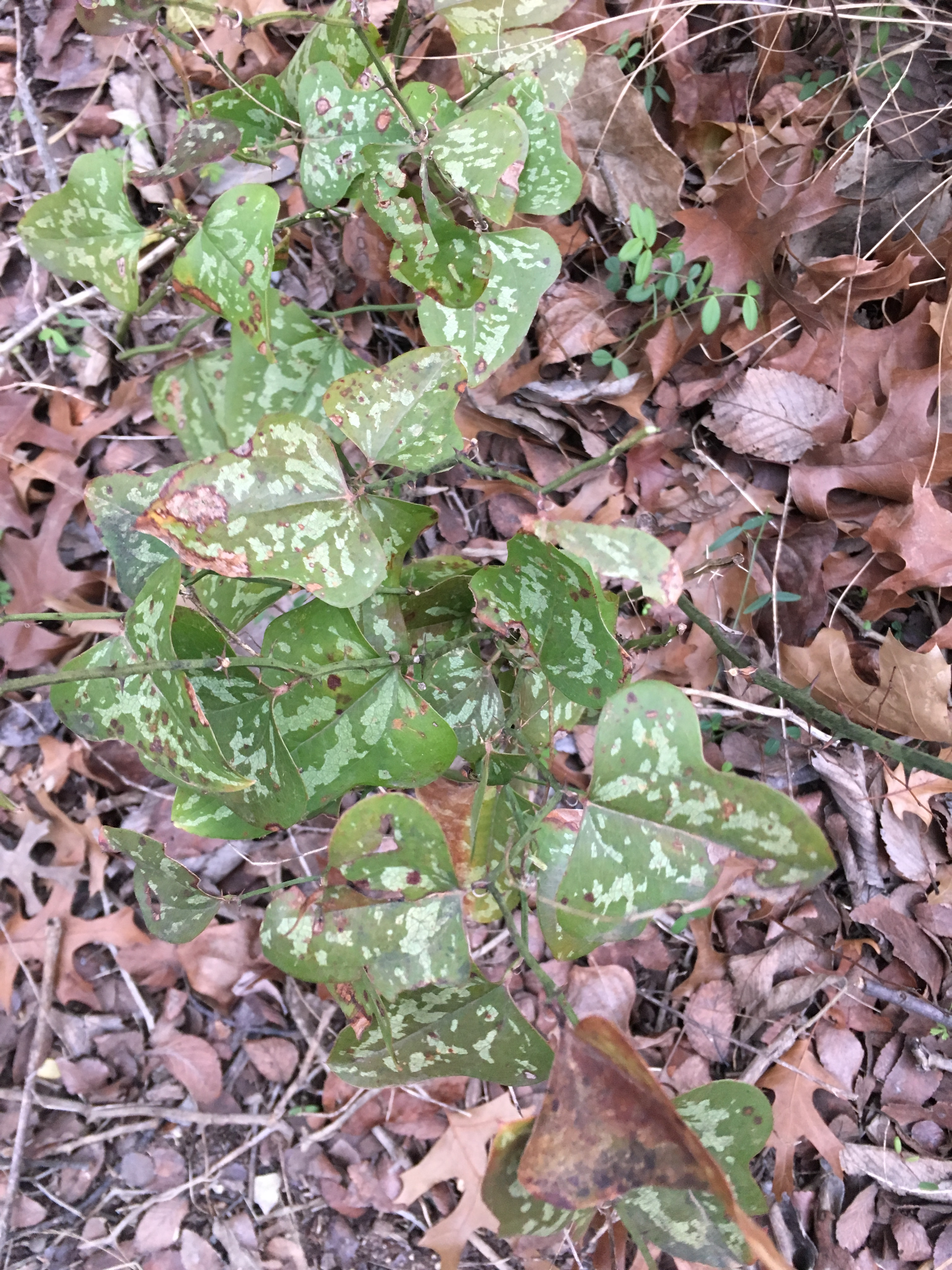
When we first moved in I discovered a pesky thorny vine sprouting up all over the yard. The exterminator called it “heart shaped briar”, but I couldn’t find any online references to such a vine in Texas that matched what I was seeing. Some more searching brought up Sawbriar, which certainly fits with the sharp thorns along the vine. It also has tendrils which help it entangle the trees and other sawbriar vines. When they all gang together they form a scratchy nearly impenetrable mass that is very difficult to clear. I tried to dig up the root node, to make sure the thing didn’t sprout again, and after digging down over a foot on the first one, I settled for cutting the stem off at ground level at every opportunity. I’ve mostly cleared the large grabbing vines from my paths, and I recently picked up a long handled weeder that does a good job breaking the stems at ground level. I’ve adopted the weeder as my walking stick.

Sawbriar spreads by runners and seeds. The birds eat the berries faster than I can find them, and thus continue the spread. I have found that when I cut them at ground level, and leave them to die for a season, the vines are more brittle and easier to break down. Still as sharp, though.

Winter Sawbriar leaves

These things are everywhere, grab at your legs and basically make a nuisance of themselves.