Throwback Thursday: beaded crochet necklace

In May of 2008 I took a picture of a finished necklace for which I really should have tracked my hours. The main element is a beaded crochet tube that winds around wire wrapped cats-eye cabochons. I would work on the tube while my eldest was in preschool or napping, and I believe I could obtain an inch an hour at my fastest. It is very tiny work done with a very small crochet hook using silk thread and Delica seed beads, which are high quality and more uniform and also very small.

Photo description: Statement necklace with variegated blue beaded crochet rope wound around 17 glass cats-eye cabochons wire wrapped with the center cabochon featuring a wire tree

I still marvel at the amount of work that went into to that beaded rope. I strung the beads on the silk thread, then crocheted the rope, waxing the thread as I went. The finished strand feels very nice, has a nice weight and a pleasant feel, but it is truly a work of passion.

Banana fiber

I have finished spinning and plying my banana fiber sample from Hearthside Fibers. I’m still using the drop spindle with the lost hook because I haven’t had the spindle and a new hook in the same room yet. The yarn came out less even than usual because I was trying to spin thicker and push myself out of my comfort zone. It should give some interesting texture once it is worked up, though. The texture of the yarn is cottony, even though it is a long stapled plant fiber (cotton has a short staple, or fiber length).

Photo description: banana fiber (made from banana leaves) two ply yarn on a well used drop spindle

Update: Twined bracelets

I added a few more twined bracelets made from different natural materials and had a whole wrist full of test subjects.

Photo description: six twined bracelets with labels: Bark, Daylily, Corn, Daffodil, Iris, Grass

The daylily is the oldest at 12 days, corn a close second at 11 days, then daffodil, bark, grass, and iris all at 6 days. The bark knot didn’t want to stay tied, but they all survived showers and regular wear. What they didn’t survive was my sensory overload. It felt like they were getting tighter around my wrist, although photographic evidence doesn’t really show a difference.

Photo description: same bracelets six days later

Because the bracelets were bothering me, I subjected them to a pull test. The surprising result was that the daylily bracelet did not break. The others all ceased to be connected. The bark, grass, and iris all had the stop knot pull open, the corn leaf and daffodil broke along the length of the twining.

Photo description: twined bracelets broken from pulling

The lone daylily bracelet was allowed to remain on my wrist. I made this of dead and partially dried daylily leaves that were lying near the base of the plants. Because the leaves were not completely dried they were easy to twine without breakage, but they also had some shrinkage which causes the twine to separate and be a little spring-like. We’ll see how long it lasts on my wrist. It is light and not biding with a little give, so it has a chance.

Bird feeder reuse

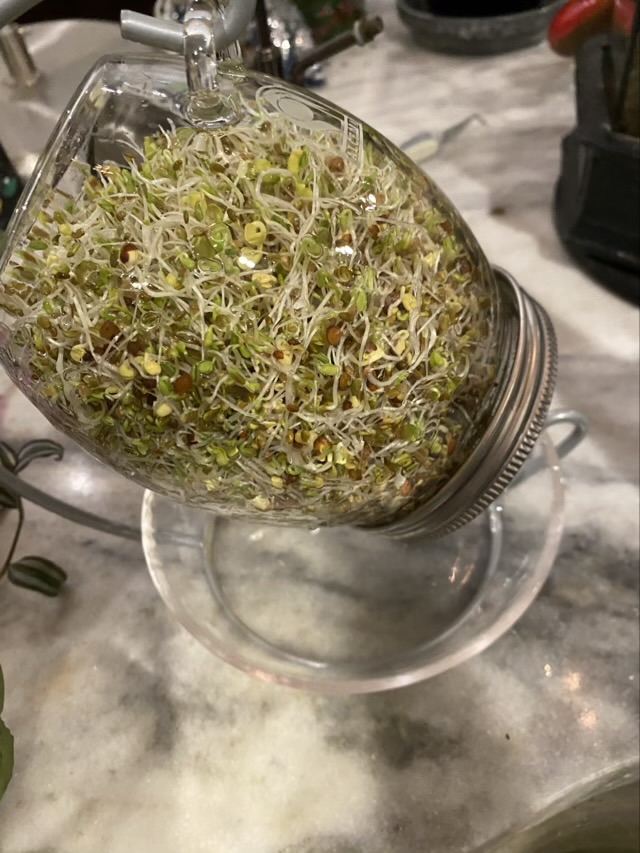
I repurposed the hanging chick feeder I made in 2019 to feed the wild birds. I do not plan on raising chicks again, and I do enjoy watching the birds come visit.

Photo description: Many things reused as bird and squirrel feeders: mason jar chicken feeder in a custom macrame hanger, old small tire tied up sideways to hold squirrel feed, parrot ladder leading to a mesh colander that now holds bird seed

Tatting: Number 3 cotton

The urgent need cotton thread that I picked up on vacation because I ran out was a natural colored size 3. I haven’t worked with this size before, so it was an intriguing purchase. It didn’t take much thread to fill up my tatting bobbins, but the tatting work went well.

Photo description: three round tatted coaster using different sized Josephine knots, unblocked
Photo description: same tatted coaster after getting it wet and letting it dry flat (blocking)

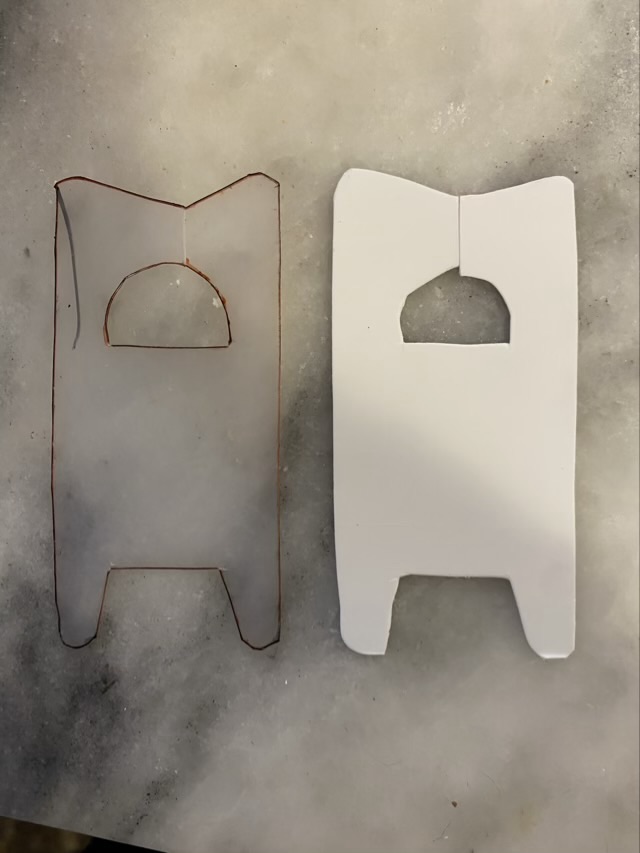
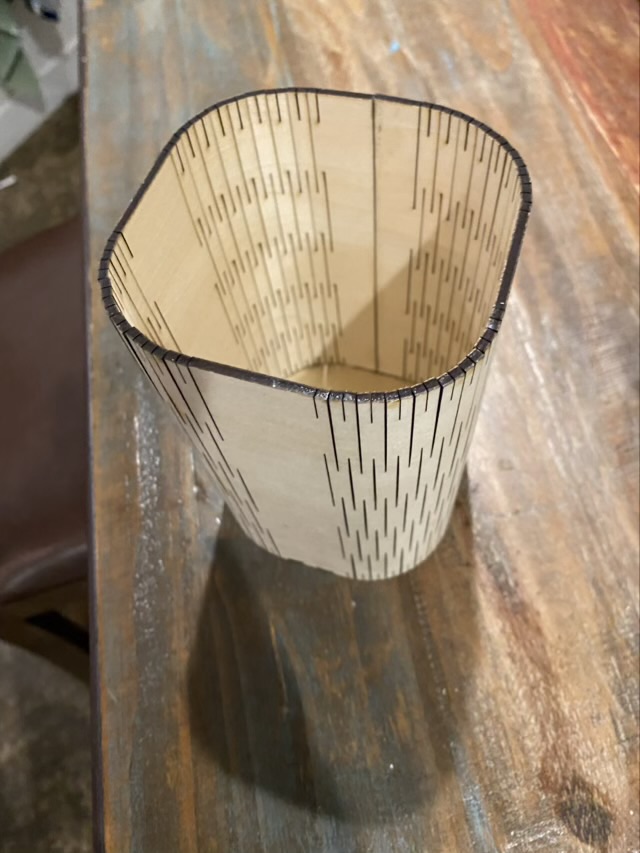
What drives me crazy about crochet thread is how it is wound around a cardboard tube. I’m sure this is a marketing thing, to make it look like you are getting more yarn. I have not figured out if it is possible to center pull from the factory wrapped tube, which is frustrating, and pulling thread from the outside is vexing because the tube jumps around. So I rewound it. Next time I will use a nostepinne style wrap, but this time I really wanted to try put my new laser cut plywood spool.

Photo description: transferring the number 3 cotton thread to a wooden bobbin/spool/shuttle/holder

The thread is now much more compact and can fit in my small project bag.