Wandering the yard I saw a bright green ball amongst the winter browns. Thinking it was trash or an errant tennis ball, I headed over to pick it up and toss it, but what I found was a nearly spherical ball of moss. Hm.
Photo description: bright green oval of moss sitting on dirt and twigs
Although my purchased mosses in my mossarium are doing OK, my native moss did not like the inside environment, so I left this lovely mossy specimen where it was flourishing.
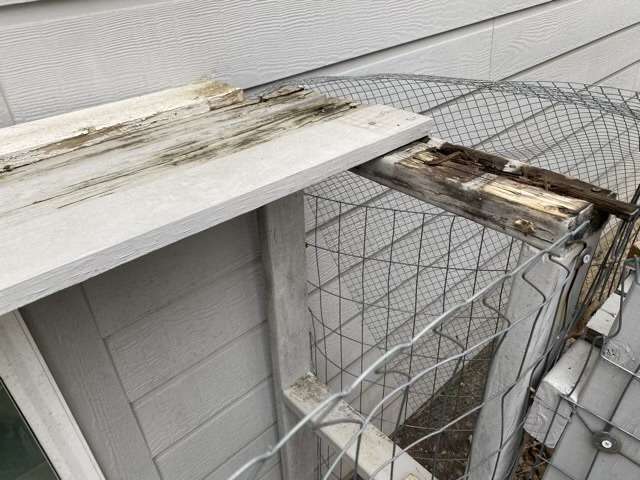
The wood I used for the top of the catio access, going from the house window to the enclosed space for the cats, rotted in the rain. I knew I had to address it, but when Thor the gray tabby ended up outside by his lonesome it became more urgent.
Photo description: corner of the catio corridor showing the rotted wood and planks partially removed
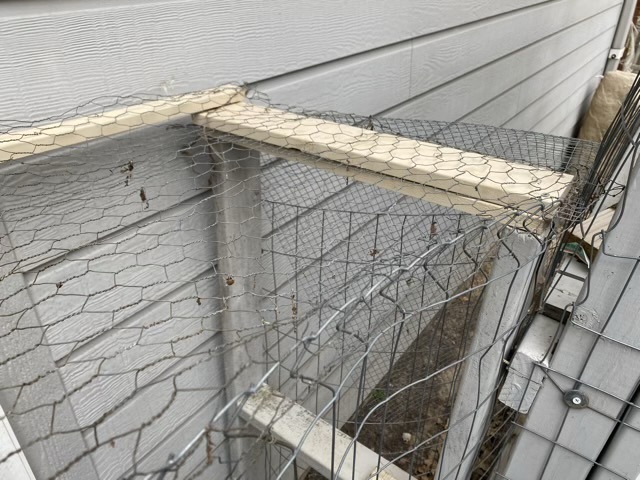
It is in my plan to get some clear material to go over the top to keep the rain out, but to make it secure in the meantime I replaced some of the wood then laid poultry wire over to keep the cats in. I had both the wood and wire, so didn’t have to make a trip to the hardware store.
Photo description: repaired corridor corner
The poultry wire is stapled to the wood, and wired to the hardware cloth, so the cats should be secure.
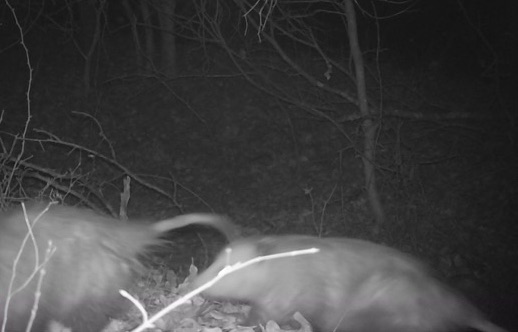
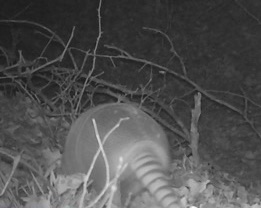
I do like the new location for the trail cam. I’m getting regular allotment of critters.
Photo description: night vision image of a couple opossums crossing in front of the camera Photo description: night vision image of an armadillo snuffling for snacksPhoto description: night vision image of a large buck with impressive rack
There were also the regular scattering of cats, birds, and squirrels, with one neighborhood dog going by. What I haven’t seen is any evidence of raccoons. I think our colony was really and truly wiped out by distemper about a year ago, which makes me remorseful. My animals are all vaccinated for distemper, but the feral cats are not. Raccoons are susceptible to both feline and canine distemper, so it could have been either a cat or neighborhood dog that infected them. Did you know that a group of raccoons is called a nursery or a gaze? There we go.
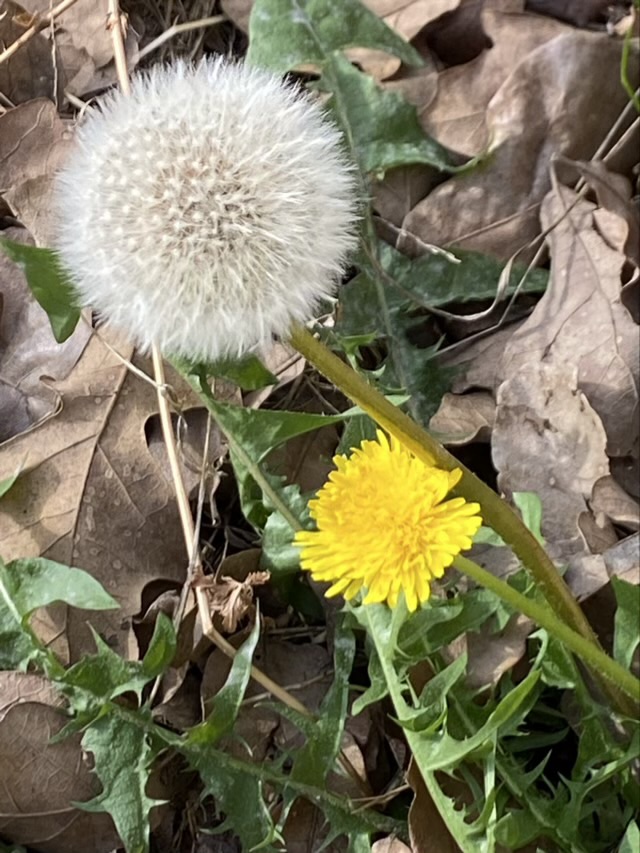
It is February in Texas and the only things blooming are dandelions.
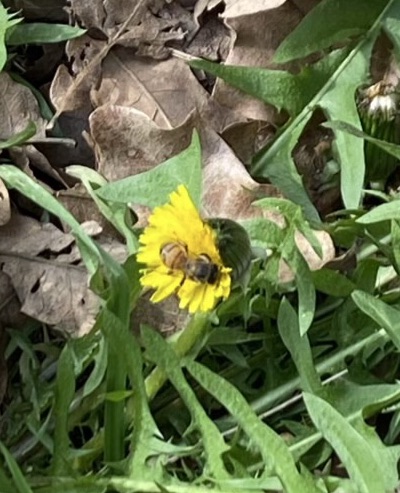
Photo description: common dandelion with a yellow bloom and white seed head in a bed of fallen leavesPhoto description: bee visiting the dandelion flower
We had some warm weather interrupt winter, and the bees came out and sipped from the dandelions. While other yard owners are applying pre-emergents, the bees are feasting in our spring blooms. Dandelions are also edible. Although I have not gone down that path, it is nice to know I could.
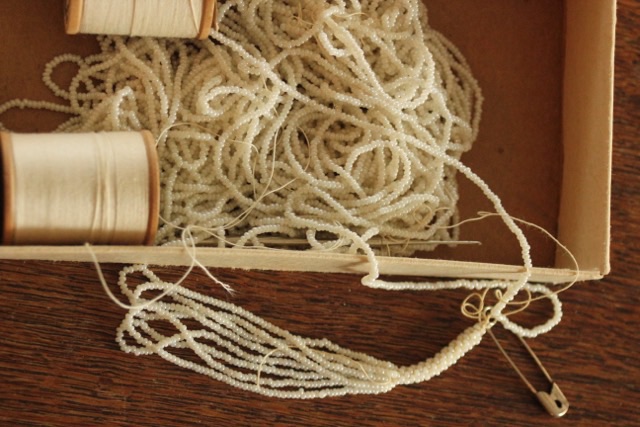
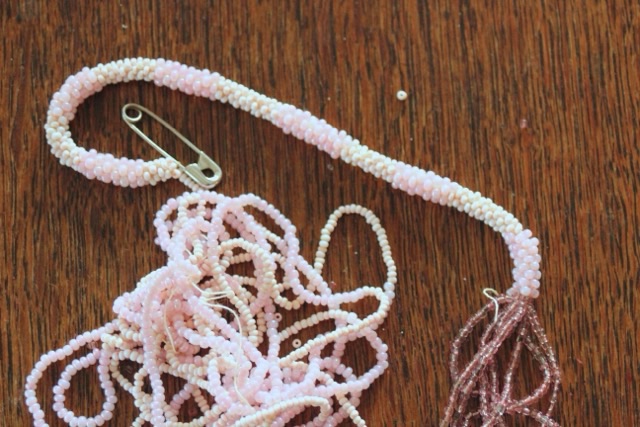
In August 2012 I helped finish a crocheted rope project. Unfortunately I didn’t write down details. I remember that the woman who commissioned me to do the work received the started pieces from a loved family member that passed before finishing the necklaces. She wanted something that she could wear, not just sit in a box. The original intent of the work was to make a long rope with looped beaded tassels on the end. That didn’t suit my client, so we decided they should sit near the collarbone with a magnetic clasp. The original maker had threaded the beads, made the first tassel, and started the crochet with a size 13 steel needle. There was one pink seed bead project and one with white seed beads.
Photo description: box of white seed beads threaded onto cotton thread, tassel and crocheted rope laid on the outside of the boxPhoto description: pink seed bead crocheted rope with wildly different translucent seed beads on the tassel.Photo description: my method of beaded string organization, a huggy spool
I removed the tassels and finished the crochet to the desired length, then ran a piece of 49 strand beading wire through the tube. I attached the magnetic clasp to the wire so that no pressure was applied to the bead work.
Photo description: finished crocheted ropes in white and pink on a reflective black surface
I love the feel of crocheted seed beads ropes, but it is small detailed work that is not fast. The client was pleased and I enjoyed helping a project reach completion.
This was before I learned about the Loose Ends project that matches unfinished projects with volunteer finishers.