So you’ve done your Hamsterkaufen (a great German word for accumulating and hoarding food and supplies), and you’ve run out of canned good space, or you are tired of not being able to see what is in the back of the shelf, here is an easy way to make your own stands. Three 2x4s, two in the back, one in the front, make great shelves for canned goods. If you don’t have 2×4 drops laying around in the garage, you might need to buy a 2×4 and cut to length using a hand saw or miter saw. No screws, no fasteners necessary!
I found this article by Kim Caulfield which talks about distaffs for fiber management and has images of ancient distaffs. I love my rosewood distaff, but it doesn’t work well with the rolags I’ve been making when I card fibers. I noticed that the pictures of the distaffs in the article are smaller and made of bronze or glass, so I decided to try to make one out of wire. I had gold colored 14 gauge aluminum wire in my stash and used about 24” of wire.
14 gauge wire and ring mandrel
I used the ring mandrel to form the loop at the end, then twisted the two strands of wire together in a spiral about 8” long. I originally thought that the ring was worn like a wedding ring, but it is really used to stabilize the distaff, so I made the loop bigger than my finger.
Forming the ring and starting the twist
At the end of the twist I needed something to catch the fibers. Most of the ancient examples have a little bird, I think because the beak is sharp and will catch in the fibers. Rather than a bird, I made a spiral. It works well to twist it into the end of a rolag, then gently wrap the rolag around the shaft.
Spiral end
This distaff works so well with the rolags! The aluminum is extremely light, and it holds the fibers well so I am less likely to catch errant fibers in the twist of my yarn. A few fibers do get caught in the twist of wire, but it is a simple matter to free them.
Wire ring distaff in use with rolag of carded alpaca fiber
In the picture above I have an extreme wrist angle because I had trouble getting a photograph showing the fiber, the yarn, and the ring. In practice the distaff makes it easier on my wrist than working without one.
I had to share with you the way the alpaca fleece stays in a blanket after it is shorn off. It brings me joy; hope it brightens your morning. Here is the video!
What? I’m advocating the return of the mini skirt? That is very unlike me, what is going on?
It is the legging craze. So comfy, with bright colors, no zippers or buttons, easy on and off. Leggings are a great option for my very flexible youngest, who struggles with tight jean buttons. But schools are not keen on leggings and t-shirts (and there are so many t-shirts with great messages!) So here is my solution: the mini skirt. In particular, a knit skirt made from material that flexes like leggings but covers past the fingertips like a tunic or dress.
The skirt my youngest is modeling (she insisted our dog be in the picture, and he is so cute) is made from the bottom of a t-shirt. Following the rules and repurposing? Win win. I sewed some soft elastic at the top to help it stay on. I am going to make her some in every color! She gets to wear her favorite leggings and t-shirts, and we follow the rules. So, I’m advocating a mini skirt return… with leggings.
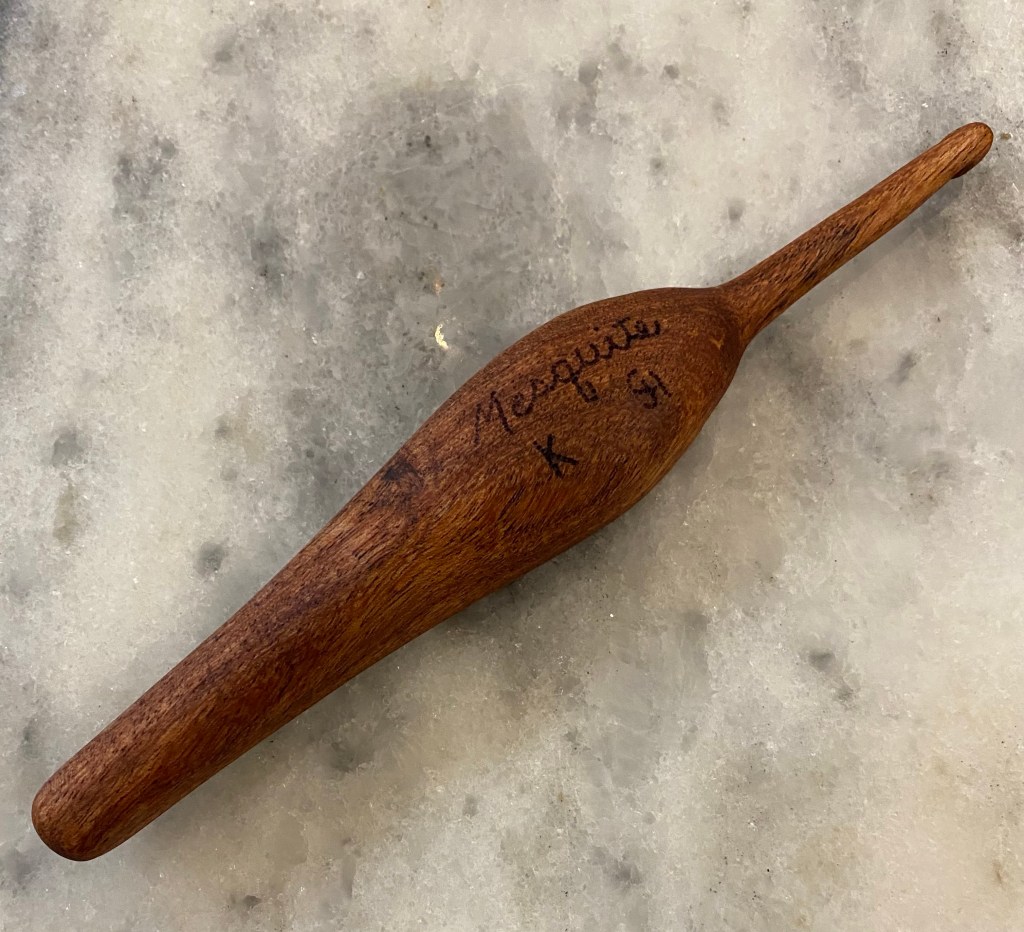
All spun up, it was time to craft my alpaca yarn into… something. I needed something to test the properties of the yarn, something to compare to other fibers, something I’m comfortable making… a hat! (I know, none of you are surprised.) I chose to crochet the hat because it goes quickly, and I was anxious to see how it performs. I have read that alpaca doesn’t have the elasticity of wool. There is something about the differences in the crimp of the fiber; wool has more crimp, alpaca less. I went with a smaller crochet hook to get a tighter fabric, to try to compensate for less elasticity.
100% undyed alpaca hat, unblocked
The color gradient turned out better than I expected. I would have liked a larger section between the fawn and brown color, but there is more here than I saw in the wound cake, so I’ll take it. The yarn crocheted up nicely. I do like single ply for crochet. The stitches look so much nicer; less like knots.
100% undyed alpaca hat, blocked
Interestingly, when I blocked the hat, it was still water resistant. It took some working to actually wet the hat so that I could lay it out to dry.