Acorn float test

In reading more about acorn weevils, I stumbled across a float test for acorns. If the acorn floats, it most likely has been inhabited by a grub, because the grub eats the nut meat and lessens the acorn density. I took a handful of carefully selected acorns, that I believed were grub free, and put them in a cup of water.

Acorn float test

Half of my acorns floated. I broke one of the floating ones open, and sure enough, there was a grub inside. Hm. I also read that squirrels will leave the grub infested nuts, so when humans are searching the ground it will seem like the weevil infestation is total, but really the whole nuts have already been found and buried. Learn something new everyday.

Visitor’s parlor

Mr Tom visiting

Oh for crying in the mud. I looked at the picture I took of Mr Tom (my neighbor’s cat) lounging on the table and realized I have a cat parlor. I put out a heated water bowl, but the cord was too short to reach the ground, so I put the bowl on a table. The winterized cat house that I made for Sophie wasn’t being used (she has moved into the house), so I put it behind the coop. (It still isn’t being used, I think because it only has one entrance.) There is a bowl for snacks even. Sheesh. I don’t leave food out, just water. Sophie does visit the area when she is outside, and other neighbor cats visit as well. Apparently I’m running a cat tavern. Hm.

Spiders in the coop

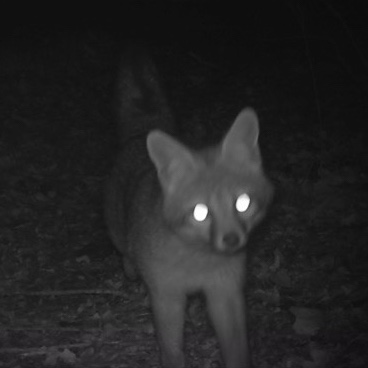
Night picture from coop camera

An industrious spider built a web in front of the coop camera. Although it looks vertical in the picture, the actual web was horizontal, stretched from under the camera to the cable tie end shown in the picture. Unfortunately, when I rotated the camera, the web broke. I generally leave spiders alone in the coop. They provide valuable insect control, especially of the flying type, without toxic chemicals (unless you count the spider bite). The successful arachnids are in the upper part of the coop, since chickens are keen on devouring spiders. Extra protein. A few times a year I do sweep out the old webs that are full of dust to make room for new webs.

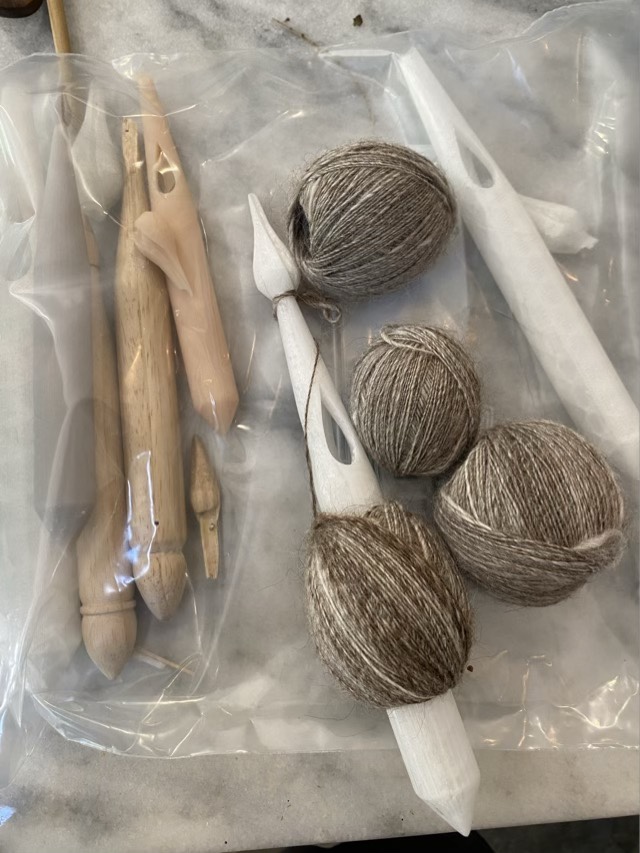
Antique spinning mule bobbin

Harrisville Designs in New Hampshire has moved their machines back to the original factory floor in town, to strengthen the ties to the community, switch to renewable energy, and return the historic buildings to their original purpose. To celebrate, they offered customers a piece of history, an antique spinning mule bobbin, if you purchased a skein of yarn. I ordered yarn.

Antique maple spinning mule bobbin and new silk and wool yarn from Harrisville Designs

A spinning mule is a machine used to spin yarn on multiple bobbins as once. (Here is a place to get started on more information.) It drastically improved the amount of yarn that could be spun at one time and replaced the spinning wheel as the main production of yarn in the 1700s. This bobbin is between 50 and 100 years old. Fascinating. I can’t collect many antiques, I just don’t have the room, but this is small and will go with my hand spindles.

Gift bag reuse hack

Our family exchanges many Amazon wrapped gifts. The bags are fantastic for reuse, and to make it even easier, the tag loops can be reused as well by removing the old tag and looping a new tag in (here is a short video). Even easier, fold the little tag Amazon sends with the gift, and punch a hole in. The paper is flexible enough to thread through the loop to attach the tag.

Old tag removed, new tag prepped
New tag attached

Yes, you could also glue or tape the preprinted tag onto the old tag. I have also been known to make a hand written new tag, but now I have another option to solve the labeling gifts issue. I like choices.