Yes, more spindles

I can’t help myself. I find bits I can use to make spindles, then suddenly I have made another spindle. Or two.
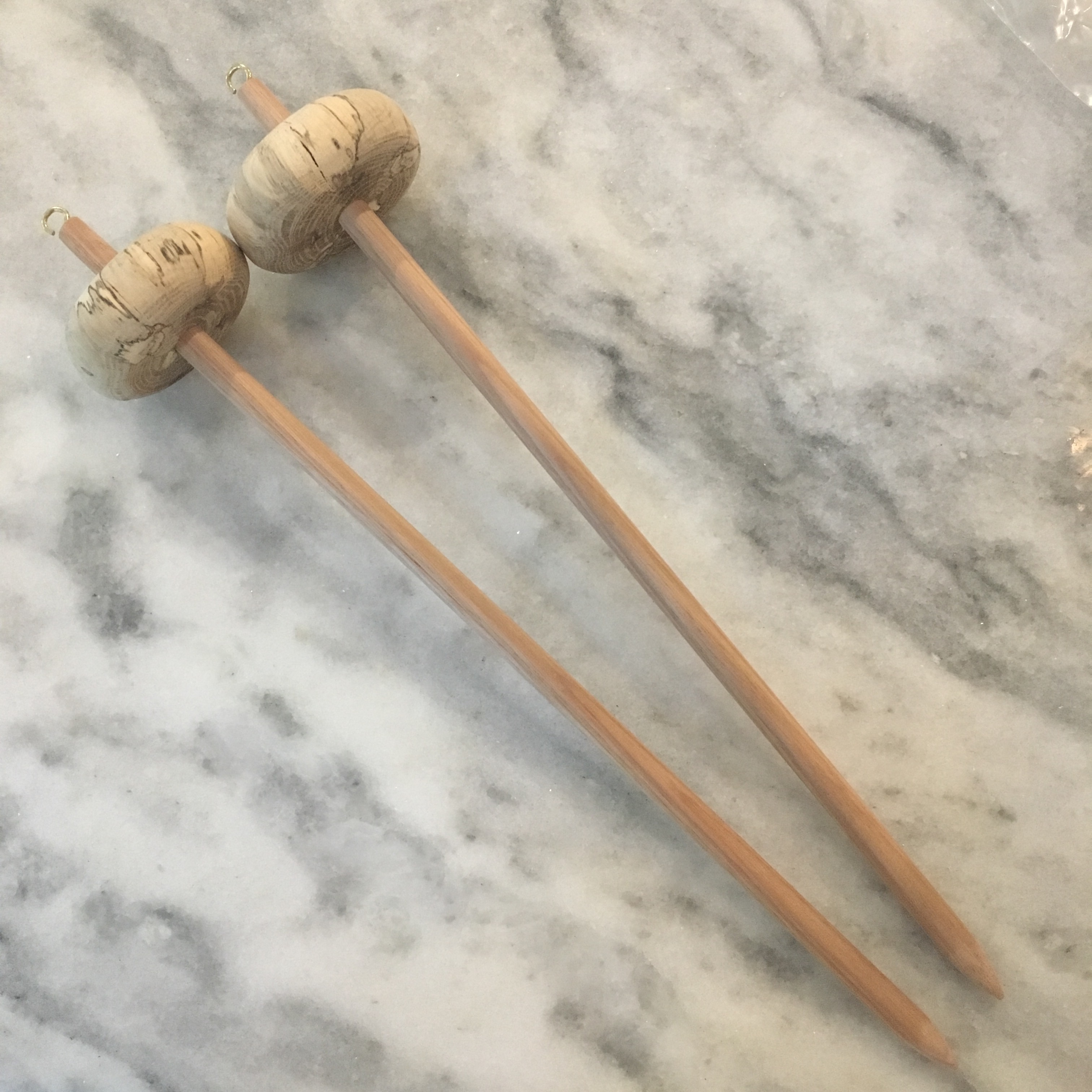
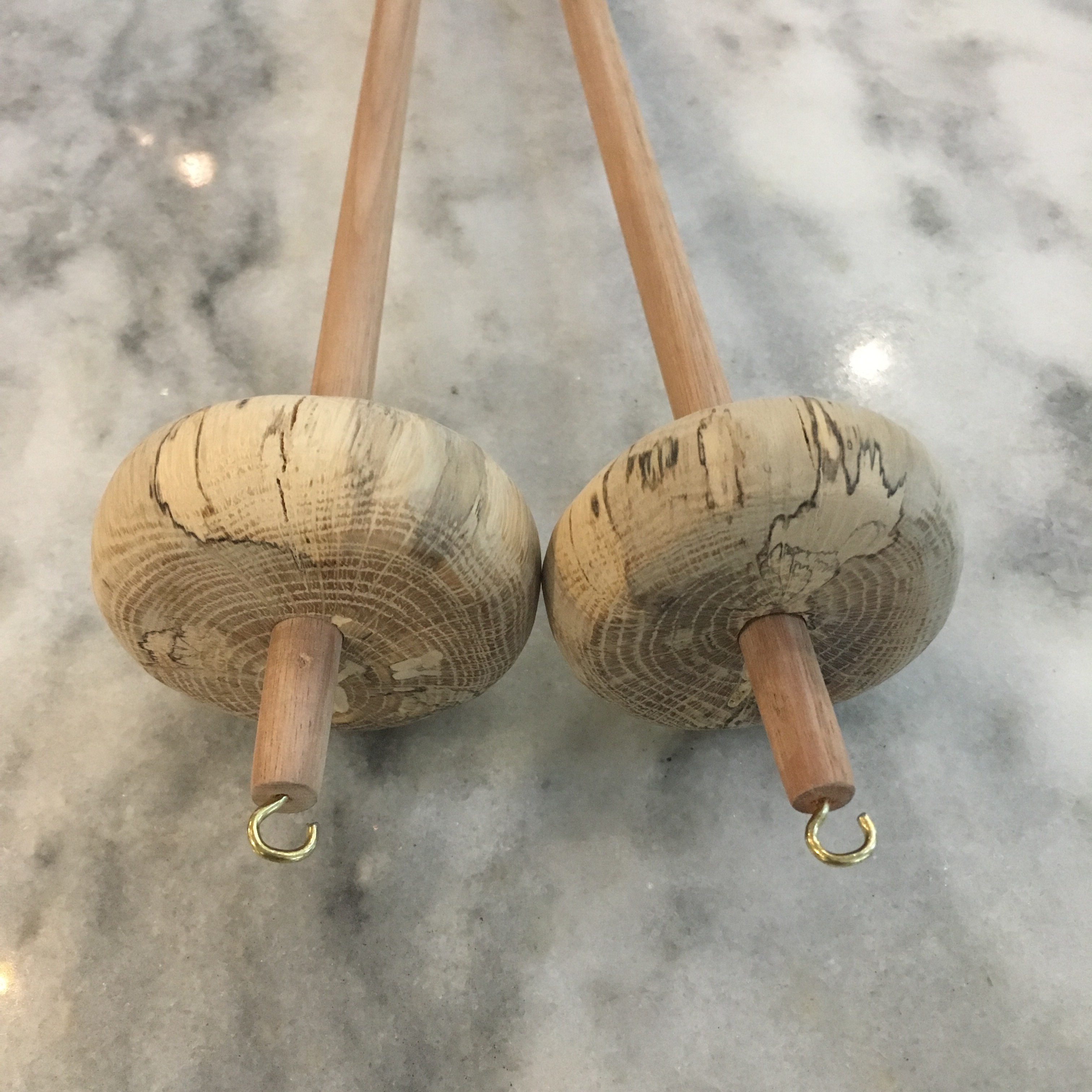
The whorls on these are made from either post oak or cedar elm (we have both on the property). I took a branch that has been sitting my log pile for about a year, cut slices, then sanded the slices into donut shapes. The shafts are store bought dowels, with one end sanded to a point and the other end has the diameter reduced slightly to hold the whorl. They aren’t perfect, but they function ok and are pretty. It does make me want to get my lathe up and running again so I can make perfectly round whorls.

Update on Tigger: After Tigger freaked out and injured herself during the coop clean out, she went into isolation for two days. We wrapped her foot, which made her limping worse, took off the wrap in the morning, and that evening she perched all night. I let her out in the morning and she seems right as rain.

Update on Navi: Although Navi is gaining weight, her crop is large and squishy again. So she went back into isolation with copper sulfate drinking water. One bird out, one bird in.
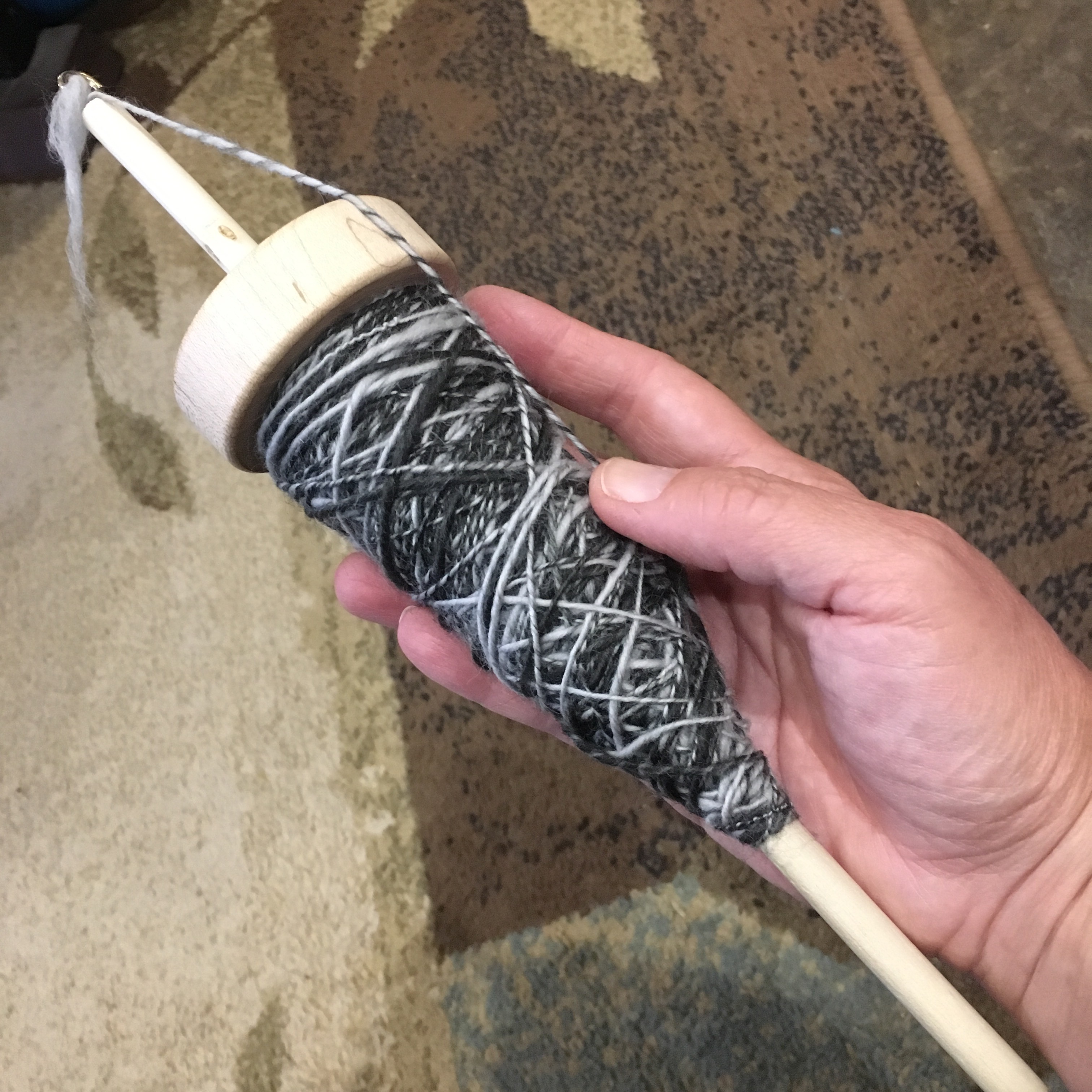
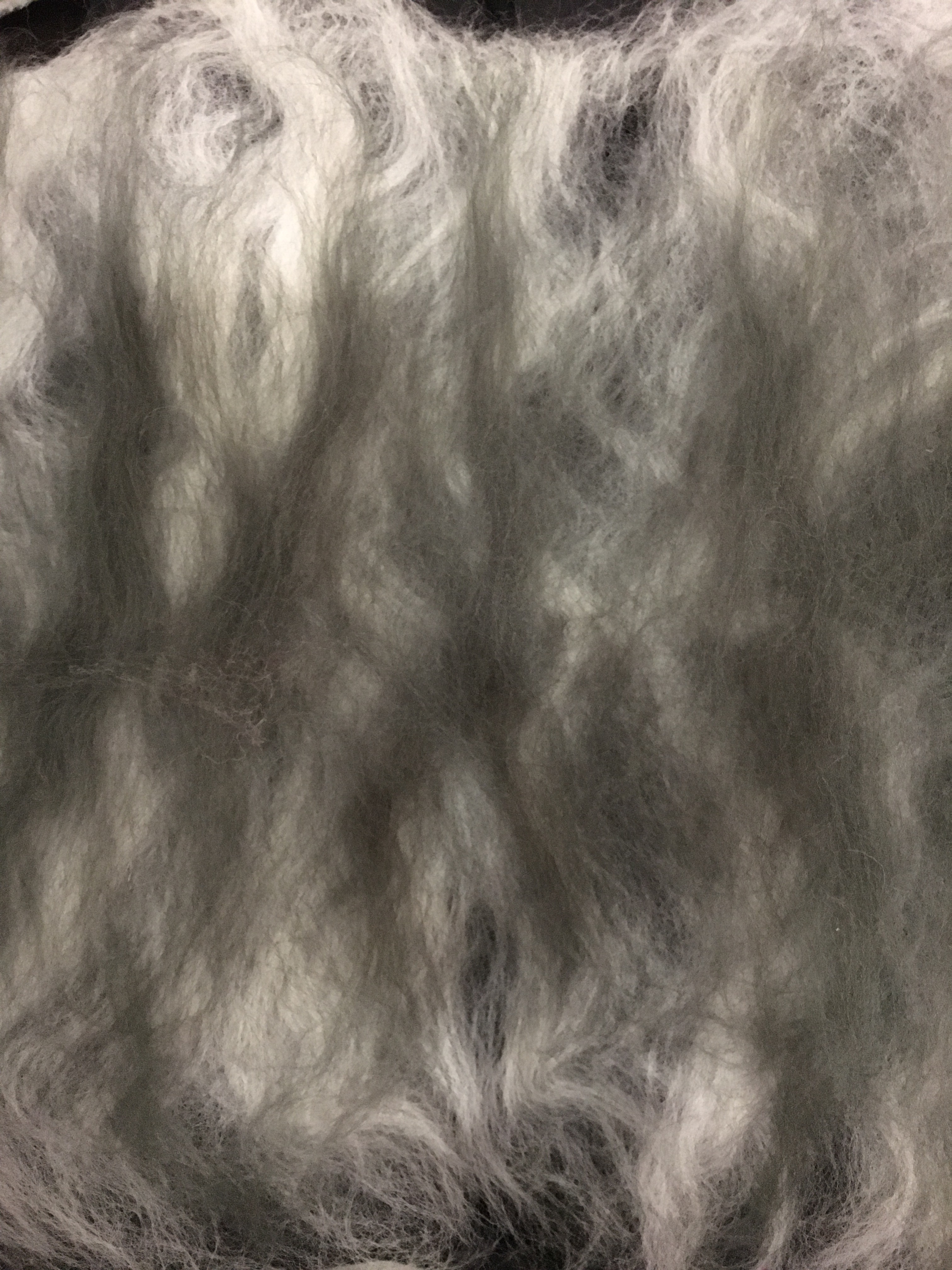
Roving!

My Mom sent me a box of merino wool roving and her drop spindle (thank you Mom!) It was interesting to spin with a store bought spindle rather than my cobbled together bits.

Single ply spun on top whorl store-bought spindle

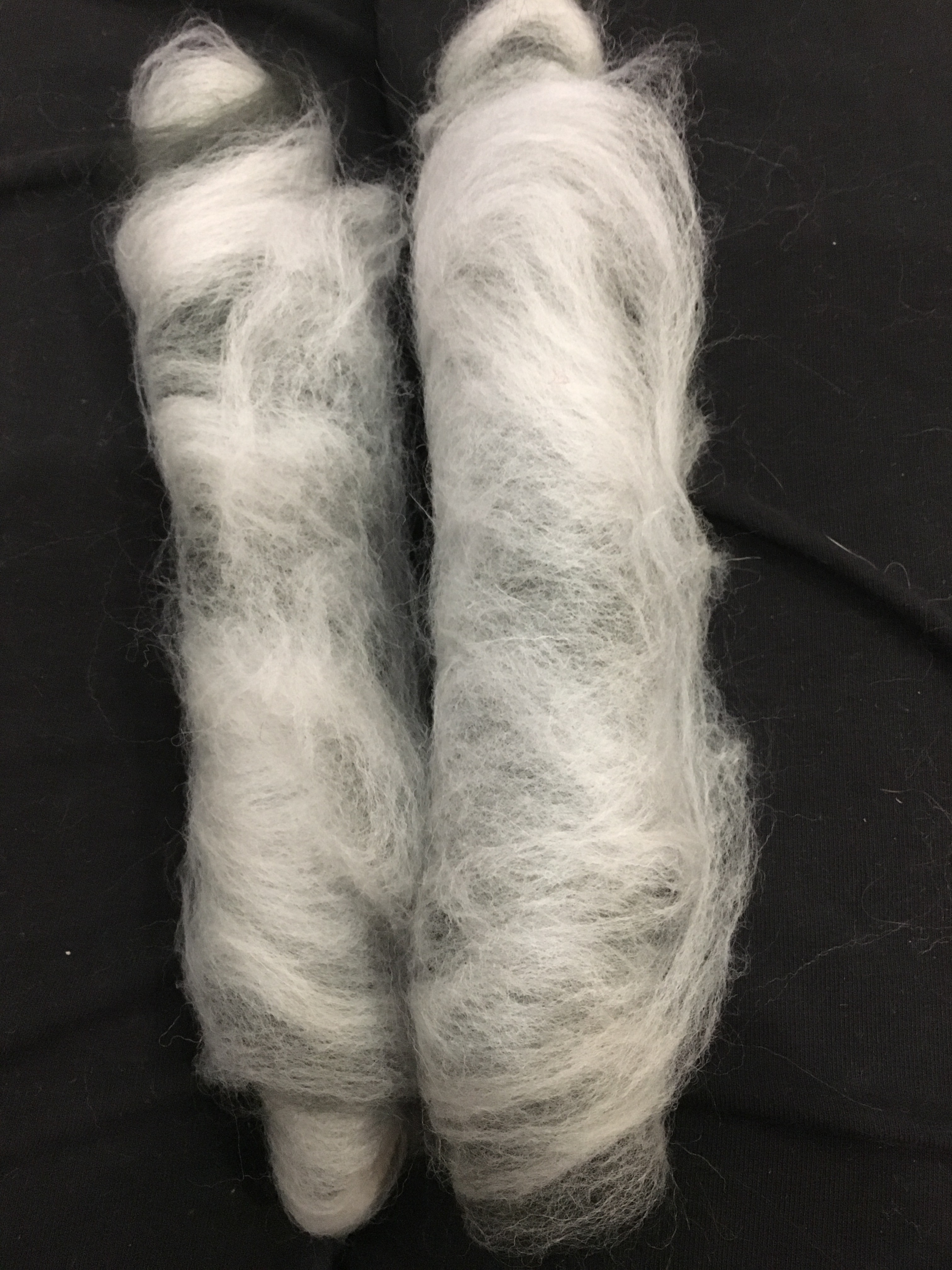
I don’t like spinning directly from the roving, however. I was having trouble with fiber management and drafting. I know some wrap the roving around their forearm, and others use a variety of distaffs, but I still let too much twist into my fiber and often need to untwist a bit so I can thin out the draft. So I made some rolag type things. The videos I’ve seen on making rolags for spinning take fiber that has been carded. I don’t have large carders (yet), so I spread a section of roving out (like Halloween spiderwebs), and layered two colors together (to double the amount of finished yarn, honestly), then rolled it up perpendicular to the fibers. I think these rolags are easier to manage as I am still learning.

Roving spread out and layered with two colors
Rolags?

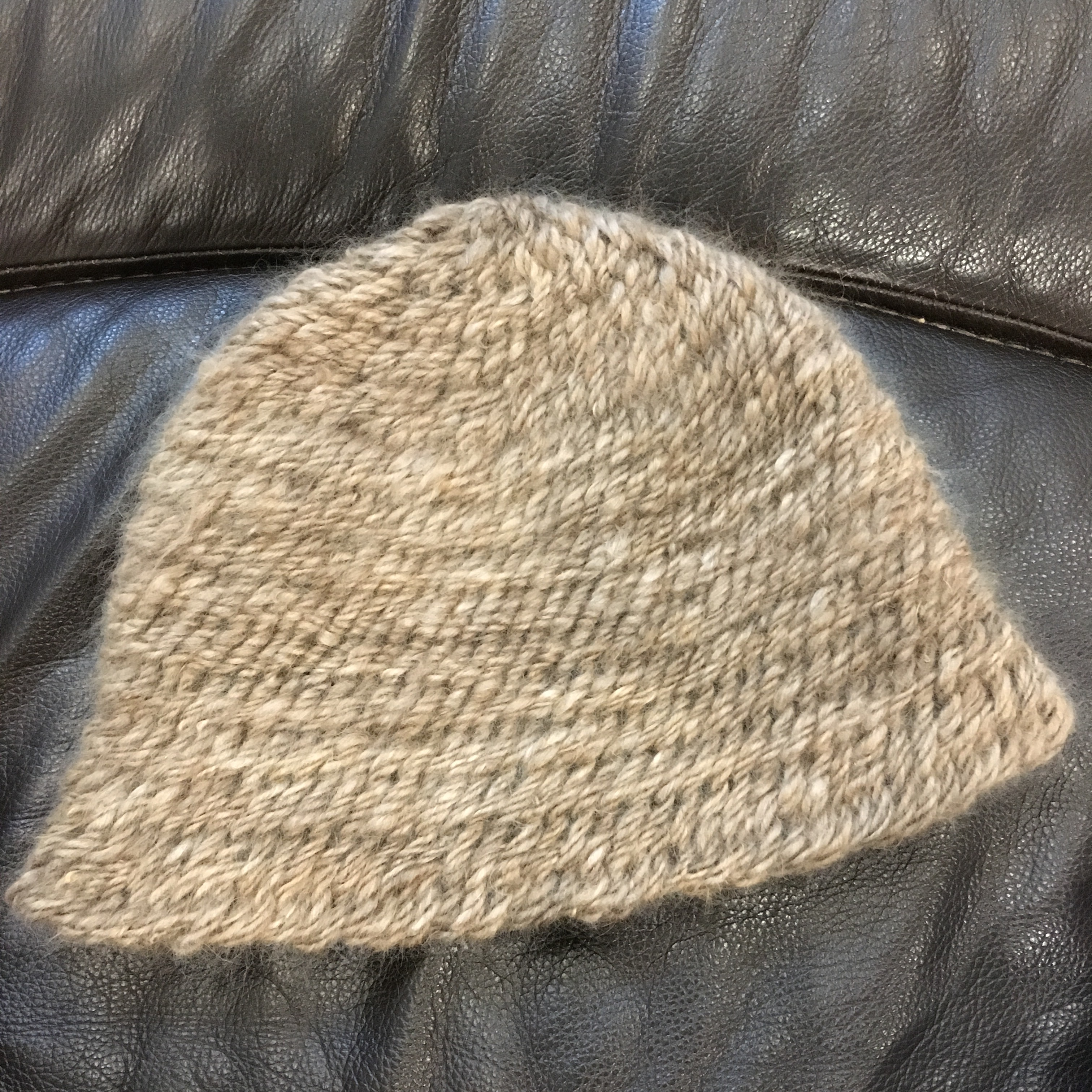
Mohair hat

100% mohair, natural color (no dye), hand spun, 3 ply, nålbound with York stitch, cloche style hat.

York stitch hat

I love how the Z twist of the plied yarn goes perfectly with the York stitch so it looks like the twist goes from the crown to the brim. The mohair also has a lovely shine and an epic halo.

My youngest modeling the hat

My youngest wanted to be my hat model this time. The hat is a bit on the big side for her, but it is easier to see the mohair halo when the hat is being worn!

Plying

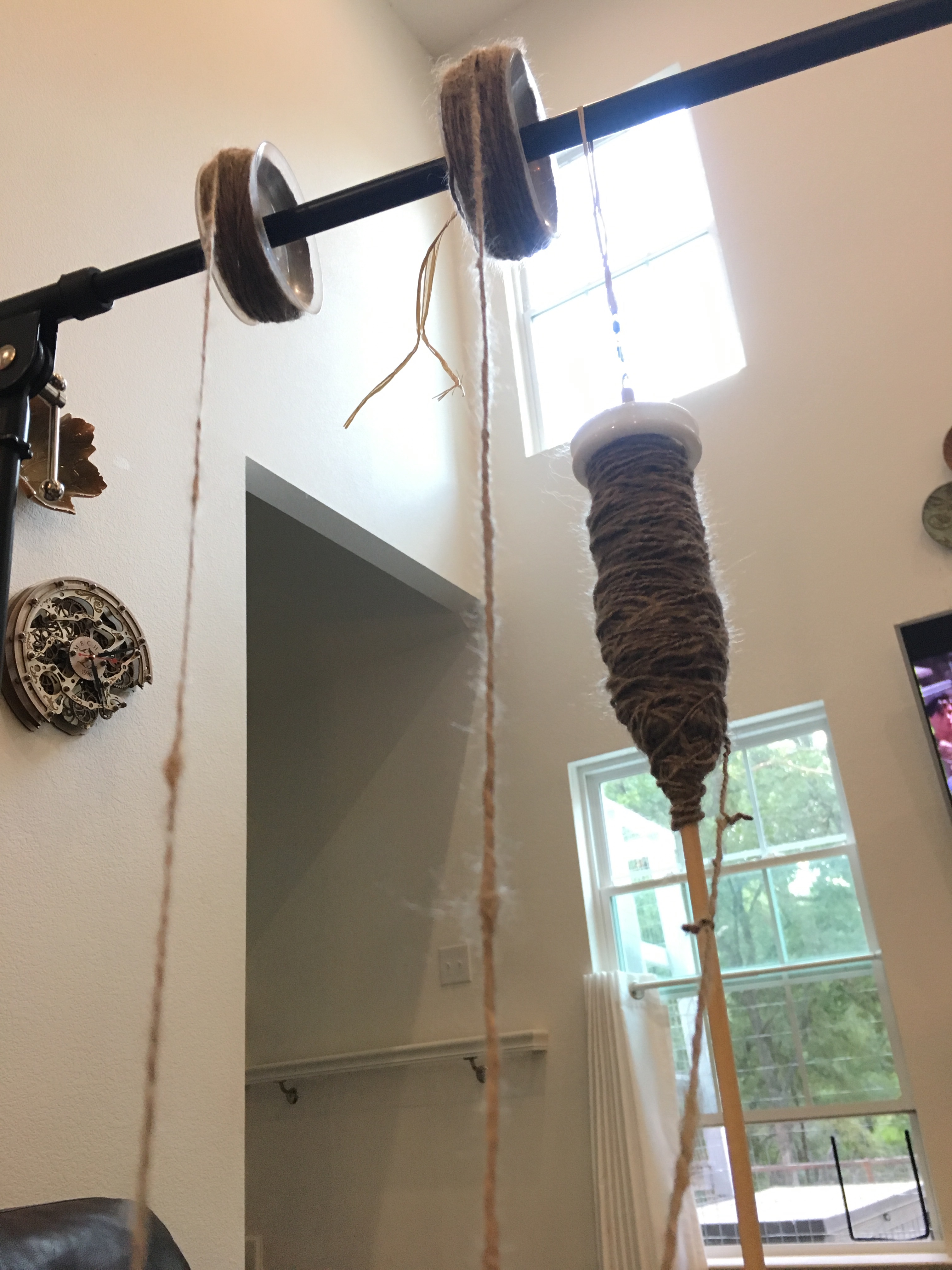
I have six bundles of Rutabaga’s fleece, so I decided to wash three, spin them separately, then make a three ply yarn. I don’t have (and haven’t yet made) a lazy Kate to hold the spools and spindles while I ply, so I hung them up to keep things from tangling. It worked pretty well.

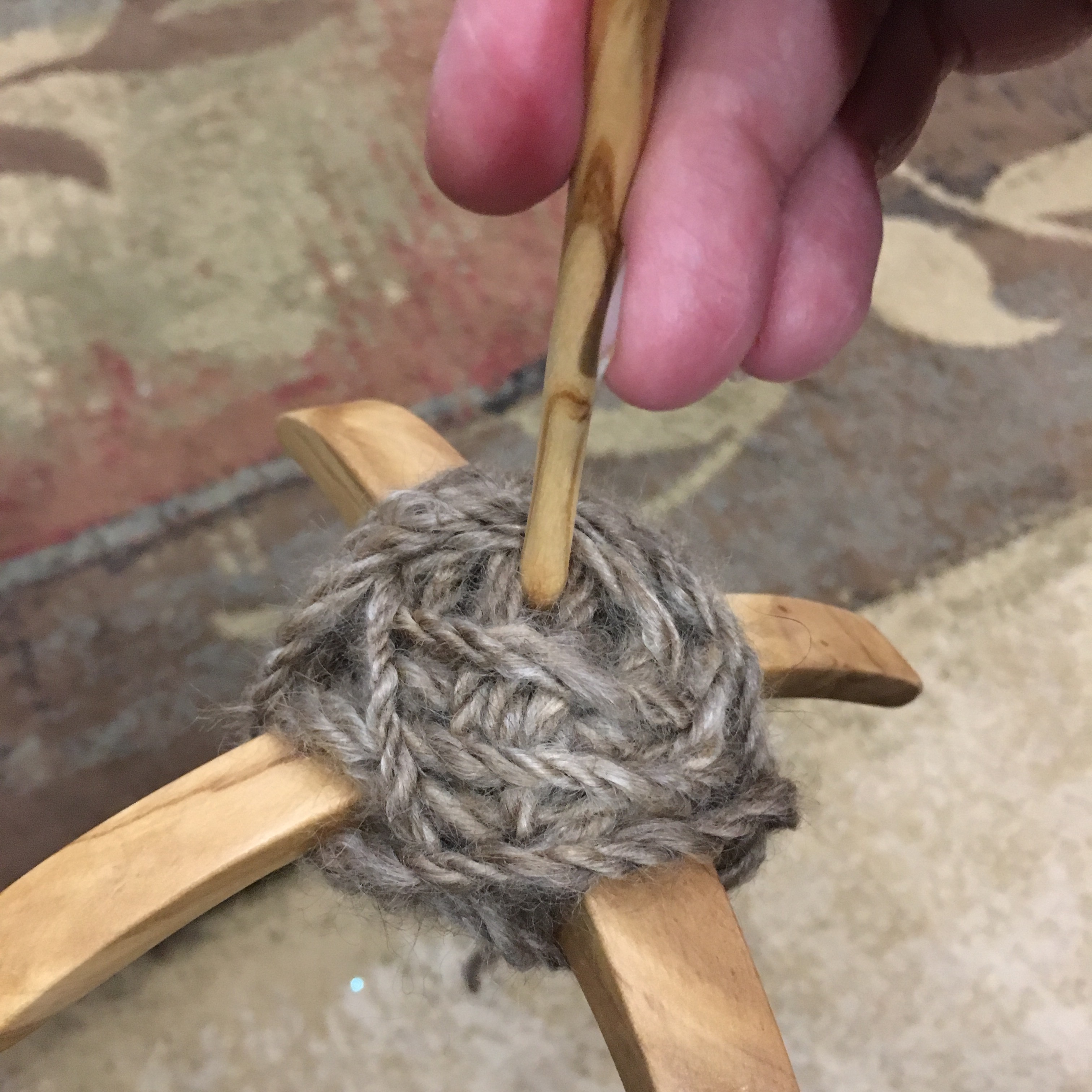
Spools and spindle hanging from a microphone boom stand

I used my Turkish spindle to ply because I left the last third of the single ply on my top whorl spindle. Plying involves twisting two or more strands of single ply yarn together, using the opposite twist. My single ply has an S (counterclockwise) twist, so I plied using a Z (clockwise) twist. Plying is much easier than spinning because there is no drafting! Although I did have to watch for tangles. Having the yarn under tension because the spools were suspended helped. Here is a short video.

Three ply mohair yarn

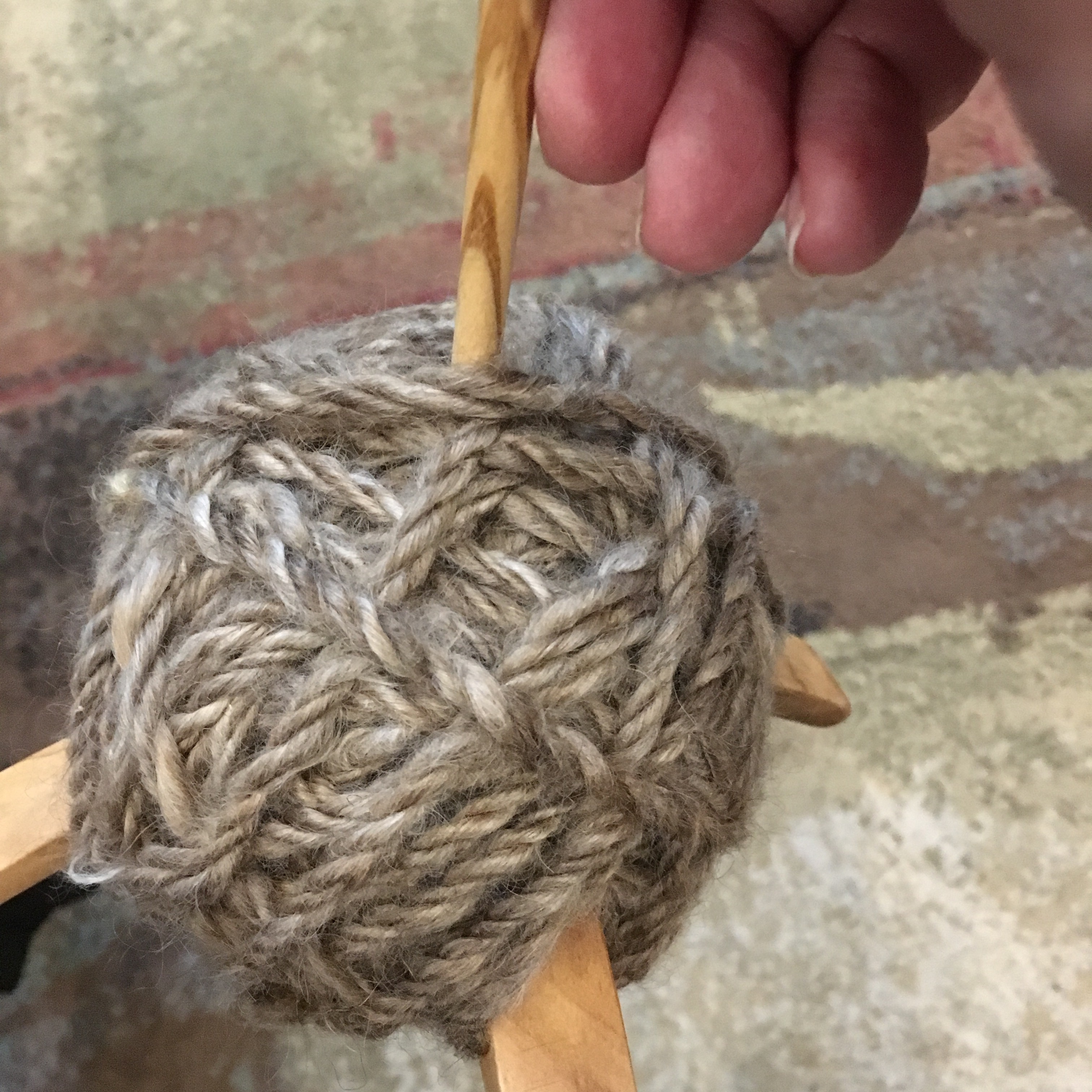
My single ply yarn wasn’t perfectly proportioned, so I ran out of one strand first. Rather than waste the ends of the other two, I chained plied the remaining yarn. Chain plying is like making a chain in crochet; by drawing a loop through another loop. It results in a three ply strand, but you only need one source of single ply rather than three. I had read that mohair was not a good candidate for chain ply, but I honestly can’t tell the difference in the finished yarn.

Chain plied mohair

Spinning more mohair

I washed some of Rutabaga’s fleece! I bought the goats’ first clip from the grower Merrytale Farm, and the owner also sent me a picture of Dottie (mom), Rutabaga, and Sasparilla (Rutabaga’s twin) to use in this blog. I absolutely love that I know the name of the animal that provided me fiber!

Angora goats, picture by Merrytale Farm
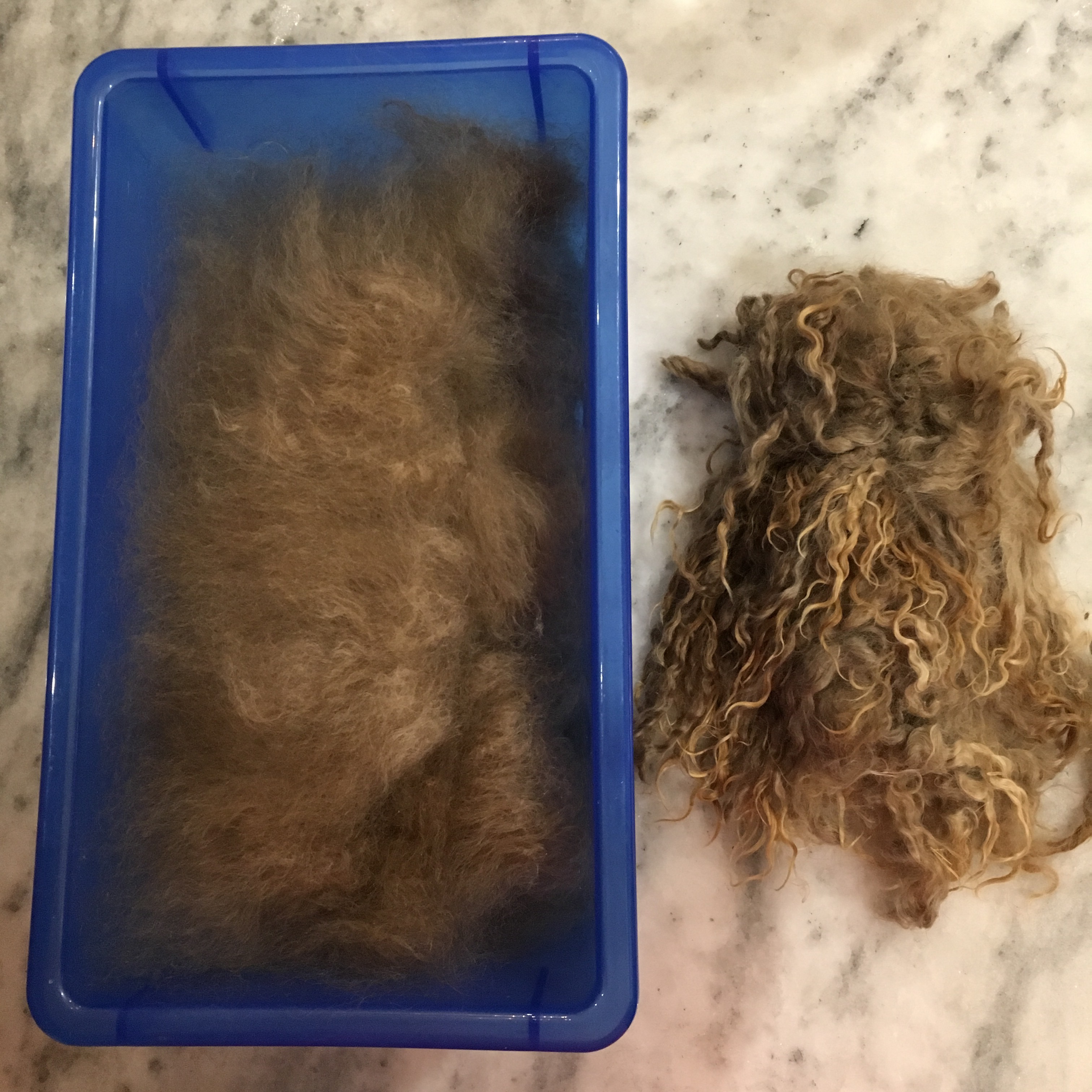
Washed and carded colored mohair (left), same amount of skirted fleece (right)

I washed this fleece the same way I did Dottie’s, and it came out well. Where I just flicked open the ends of the locks of the adult mohair, Rutabaga’s first cut locks were smaller, so I used two wire dog brushes to card small portions. I then spun a handful of fluff at a time. I am still at the park and draft method of spinning, but I posted a video to show what I’m doing.

Using a top whorl drop spindle to spin single ply
Transferring single ply yarn from the spindle to a spool (yes, I figured out a way to spin with the cat on my lap)

I like my Frankenstein’d top whorl drop spindle with the long shank because I can spin it by rolling it along the arm of my chair and spin with the cat on my lap. She appreciates that too.