Pretty Perfect Pumpkin Pie

Because I can’t resist alliteration. Also, it is good to enjoy the small things, like the first piece of pie coming out perfectly.
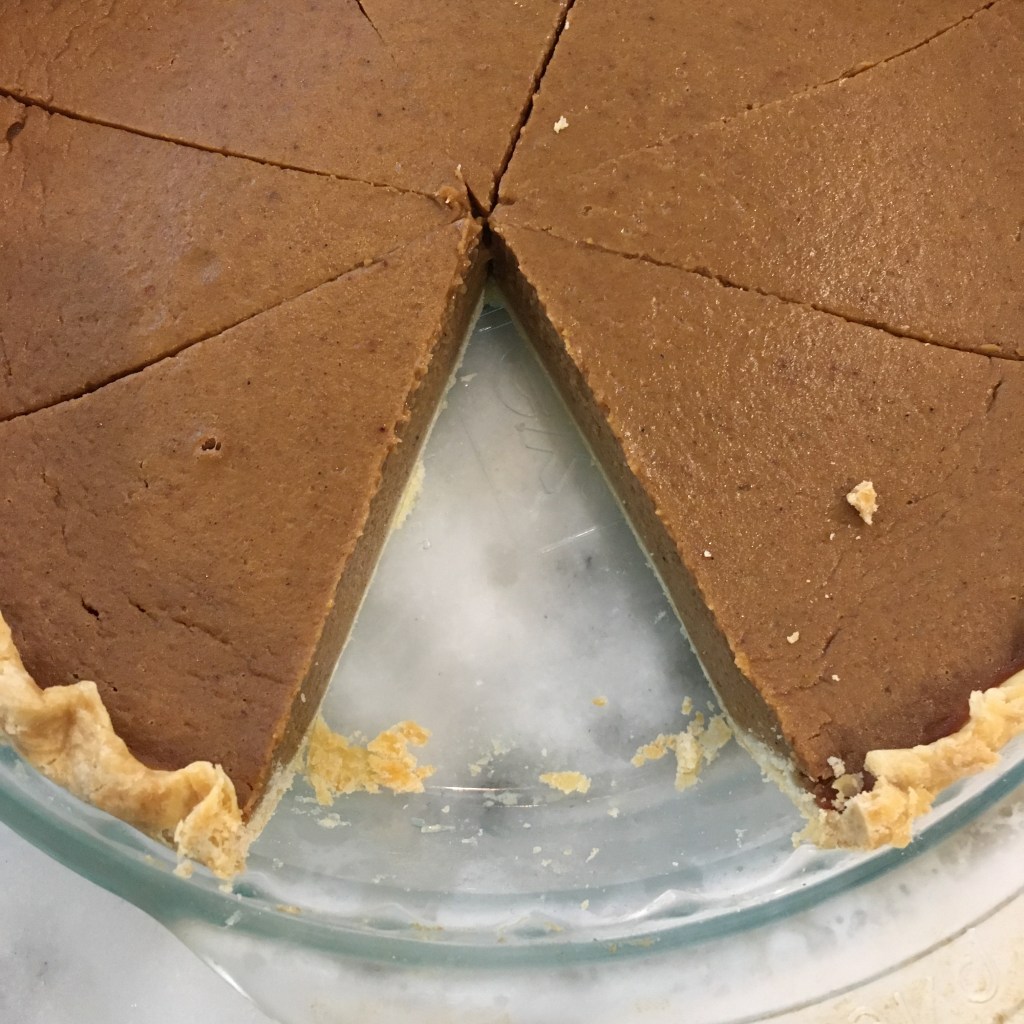
First piece of the pie (happy dance)

Here is what went into this pie: 1 15oz can of pumpkin, 1 12oz can of evaporated milk, 1/2 cup honey, 2 50g eggs, 1/2 cup of Splenda, 3 tsp of pumpkin pie spice (from the Spice House), 1/2 tsp salt. I used the Feather light vinegar pie crust recipe from “The Gluten-Free Gourmet Cooks Comfort Foods” by Bette Hagman. This is my go-to pie crust. I did use King Arthur’s Gluten Free Measure for Measure Flour, instead of the feather light mix, but they are very similar. I baked at 350 degrees F until there was only a little wobble and the pick came out clean. I let it cool on a rack, then in the fridge overnight. It didn’t last a second night.
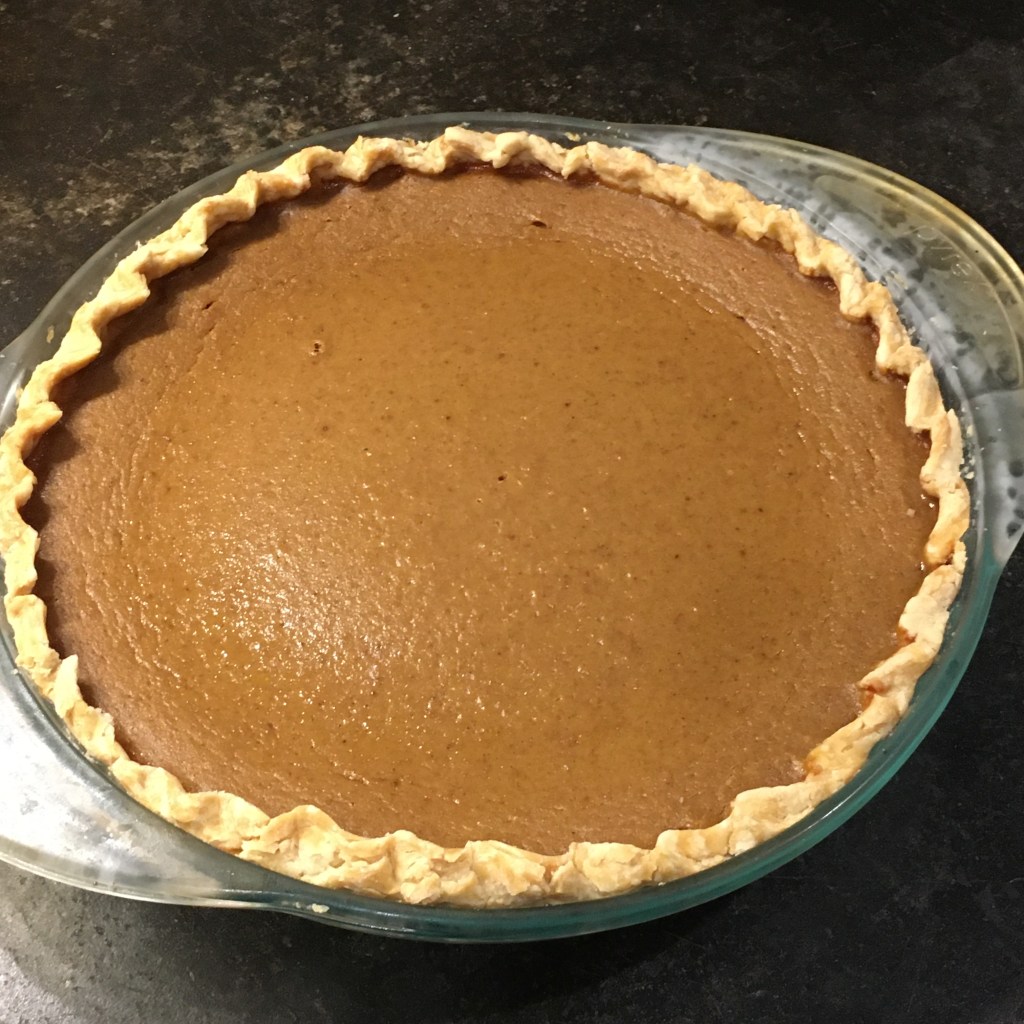
Whole pumpkin pie

And while it is not the traditional time for pumpkin pie, all the ingredients keep in the pantry for ages, so in my family it is an anytime pie.
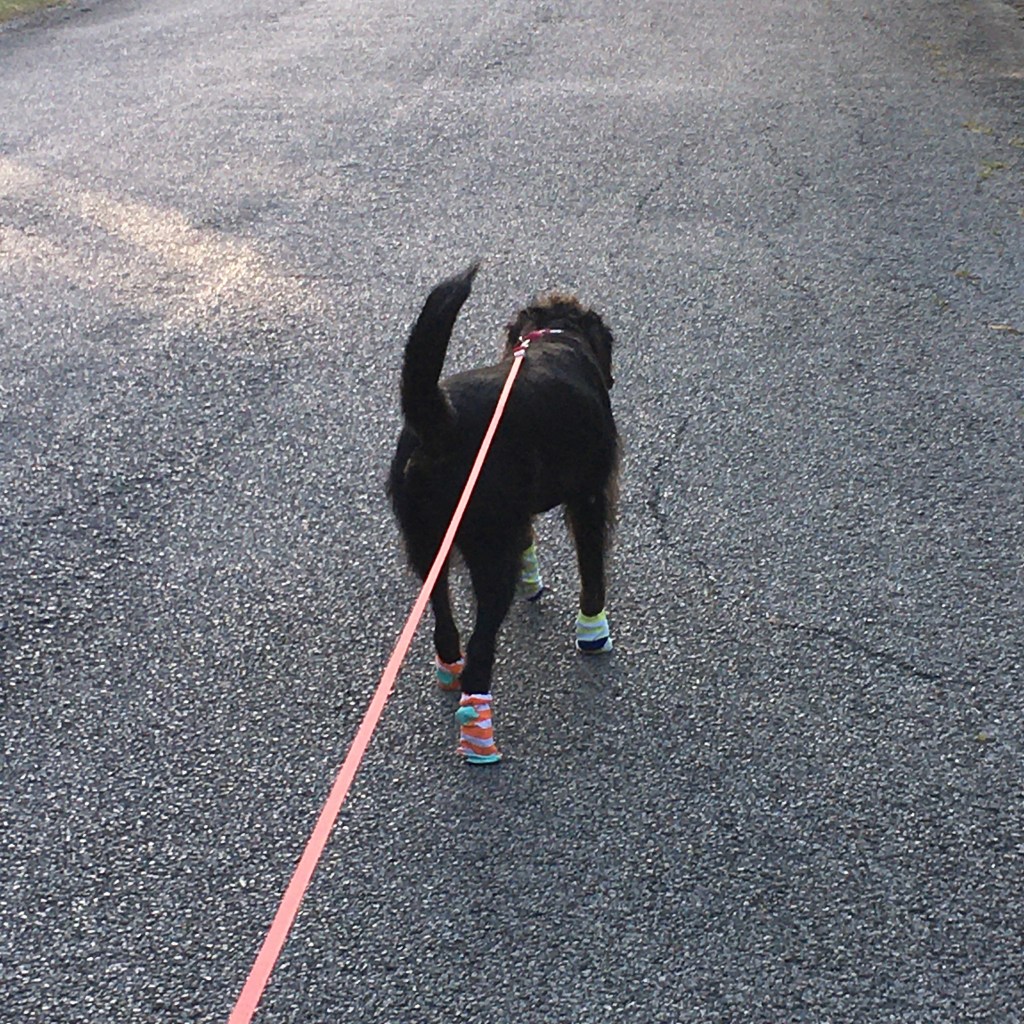
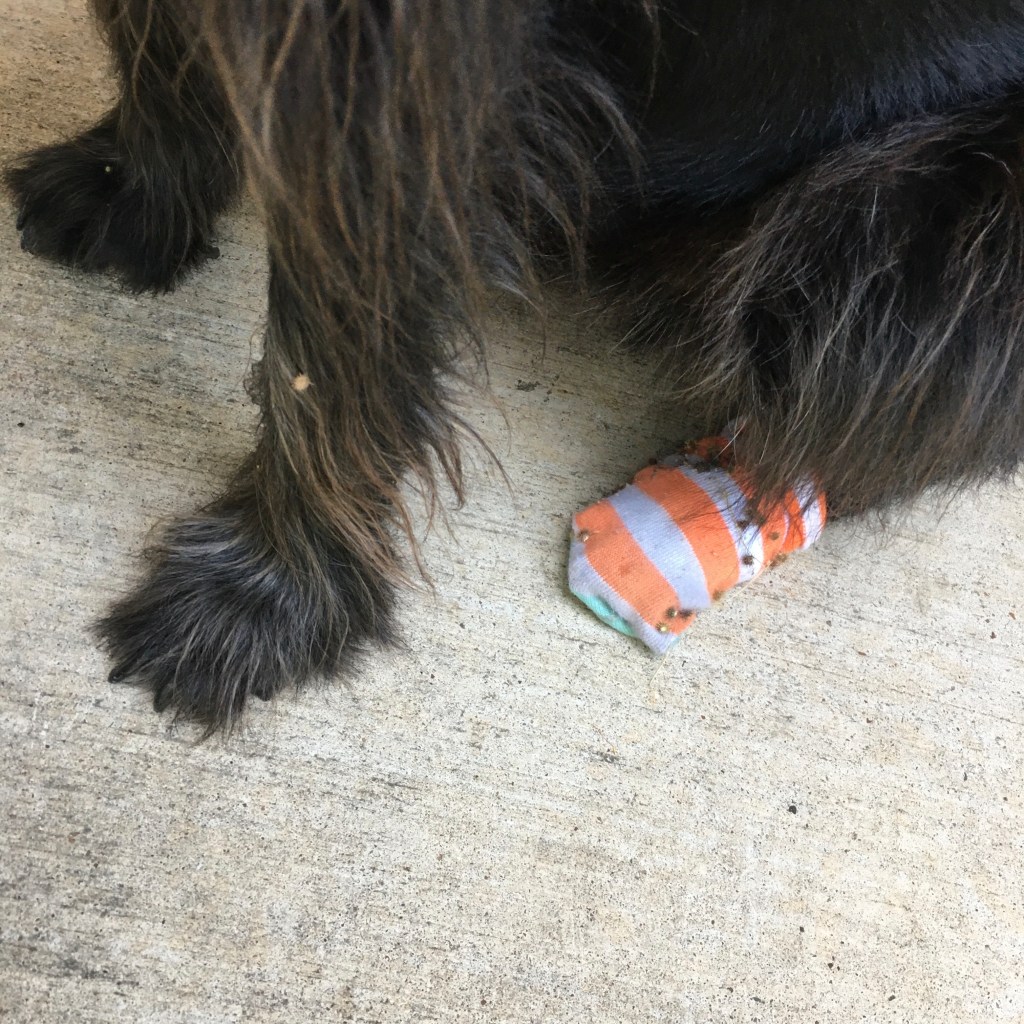
Fuzzy feet

Poor puppy. His fuzzy feet pick up all the sticky seeds when we go for a walk. Picking them out of his fur, even with a brush, leaves him shaking. Before we resorted to shaving his adorable wookie feet, we decided to try some socks. Now, every dog we’ve had in the past has not been a fan of socks or booties, usually with hilarious results. Not Griffin. We put them on and he stood up ready to go! What a good dog.

Sock experiment

We used some of my youngest’s old socks (we had to make sure they weren’t the pink ones), and folded down the tops. Well, that worked for about 5 minutes before the first one came off. Then another, then another fell off. By the end of the walk, he only had one sock left, but we had enough data to warrant buying him some dog boots! Not only is he OK wearing them, the foot that maintained the sock had no burrs! They all collected on the sock.

Seeds caught on the sock

We found some all weather dog boots, so not only should they protect his fur, they should help with the hot side walks we get here in Texas. I shall report on the results after the boots arrive!

Meadow cat

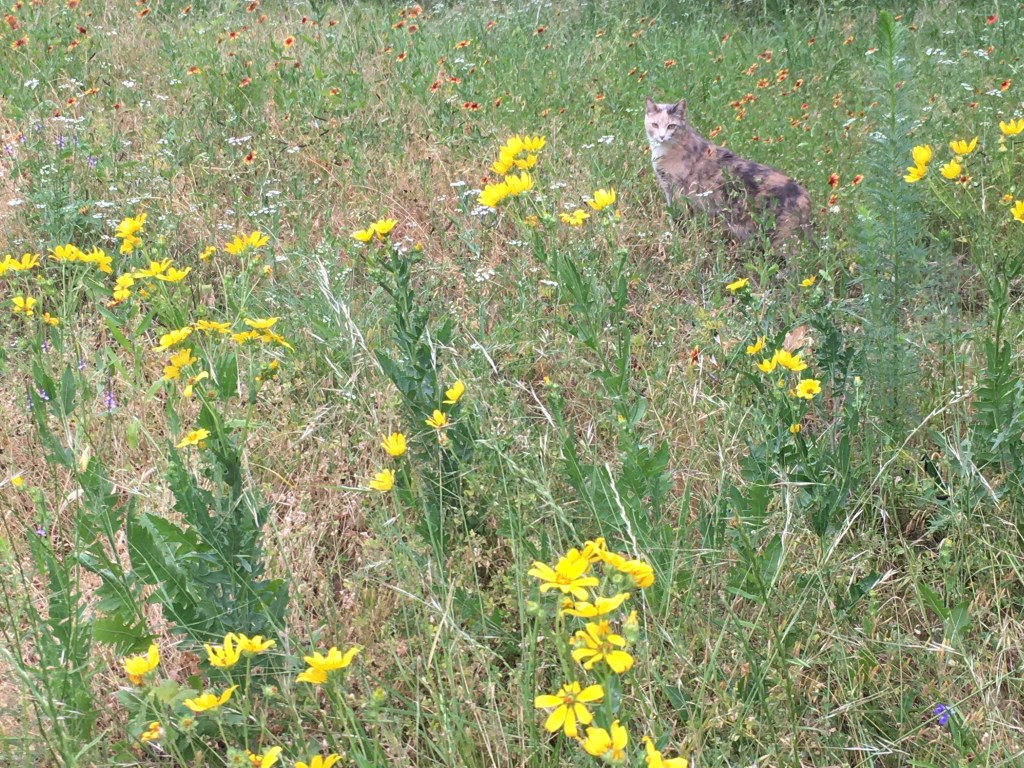
Sophie in the wild flowers

This is Sophie’s meadow. She likes to hang out there and seems to be the queen of this space since I rarely see other female cats there. Or maybe she is more confident out in the open because she has the best camouflage in the neighborhood. I just had to take her picture as she stood in the cut daisies (yellow), hedge parsley (white), and Indian blankets (red and orange).

More ties to bind

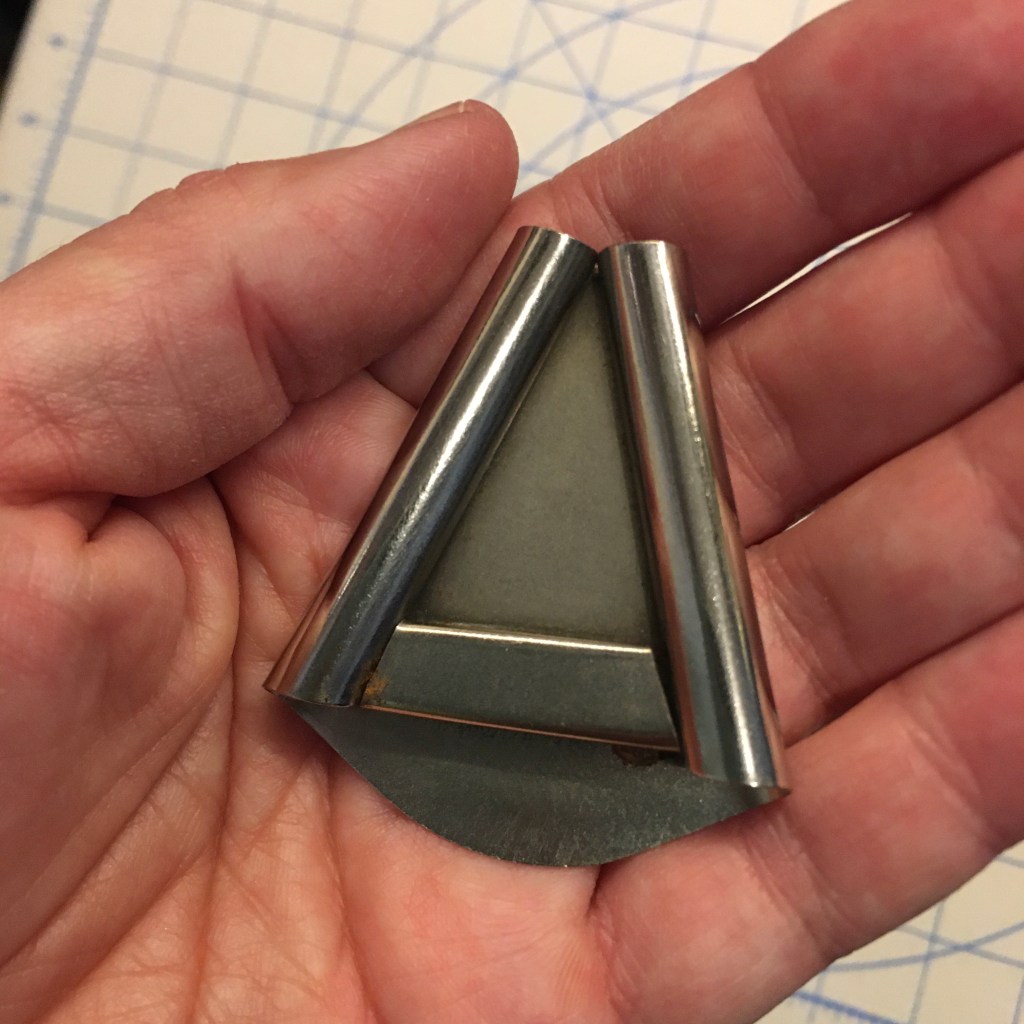
I dug out an old bias tape maker from my sewing box and put it to use making fabric ties for cloth masks. I’m honestly not sure whether this particular well-made piece came from one of my grandmothers, or from a bundle of goodies from a garage sale. There are no makers marks, and definitely no remaining packaging.

Bias tape maker

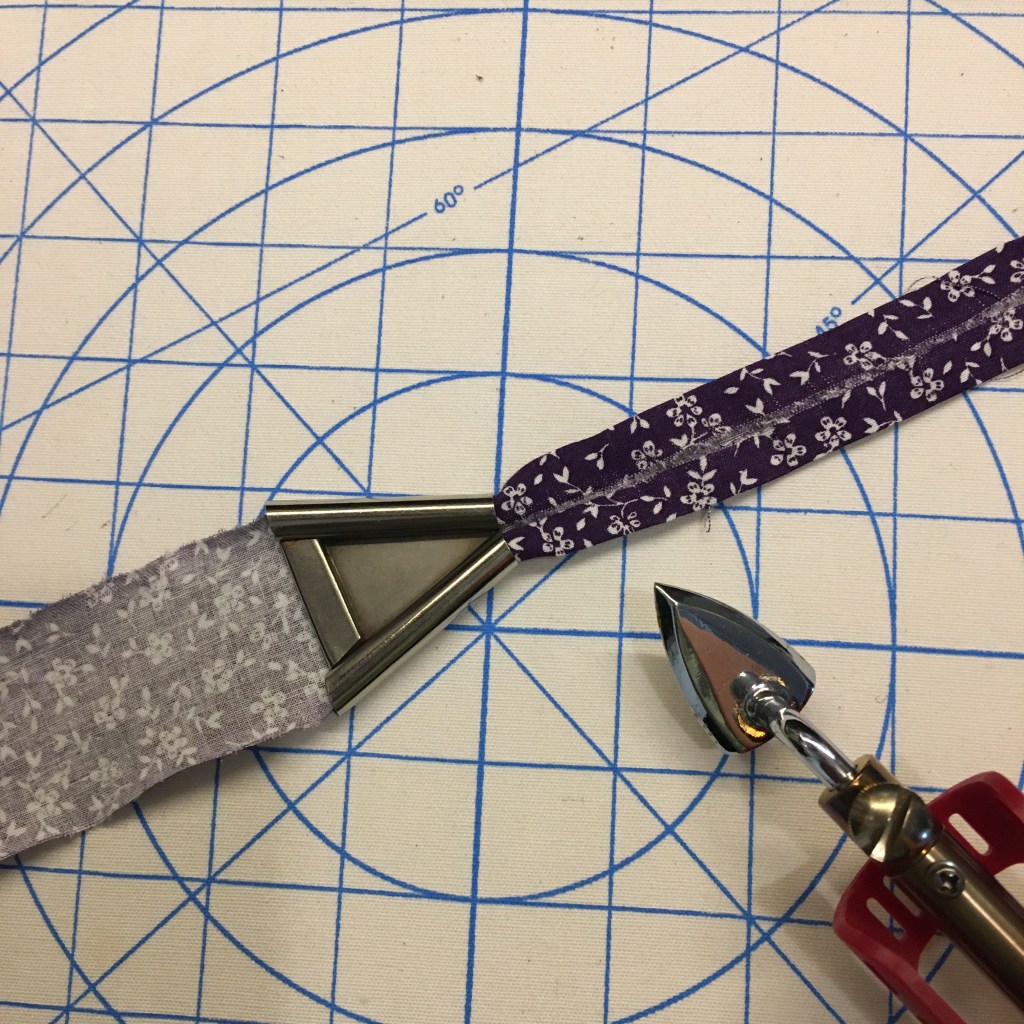
This tool makes 3/4” single fold bias tape. For garments, bias tape is cut on the … wait for it … bias. Which means at a 45 degree angle to the fabric grain. It makes a tape that is more flexible than those cut along the grain. But I am making fabric ties from scrap fabric, so I can get more by cutting with the grain. (Here is a great blog post about bias tape, if you want to know more from a quilter’s perspective.)

Bias tape maker in use

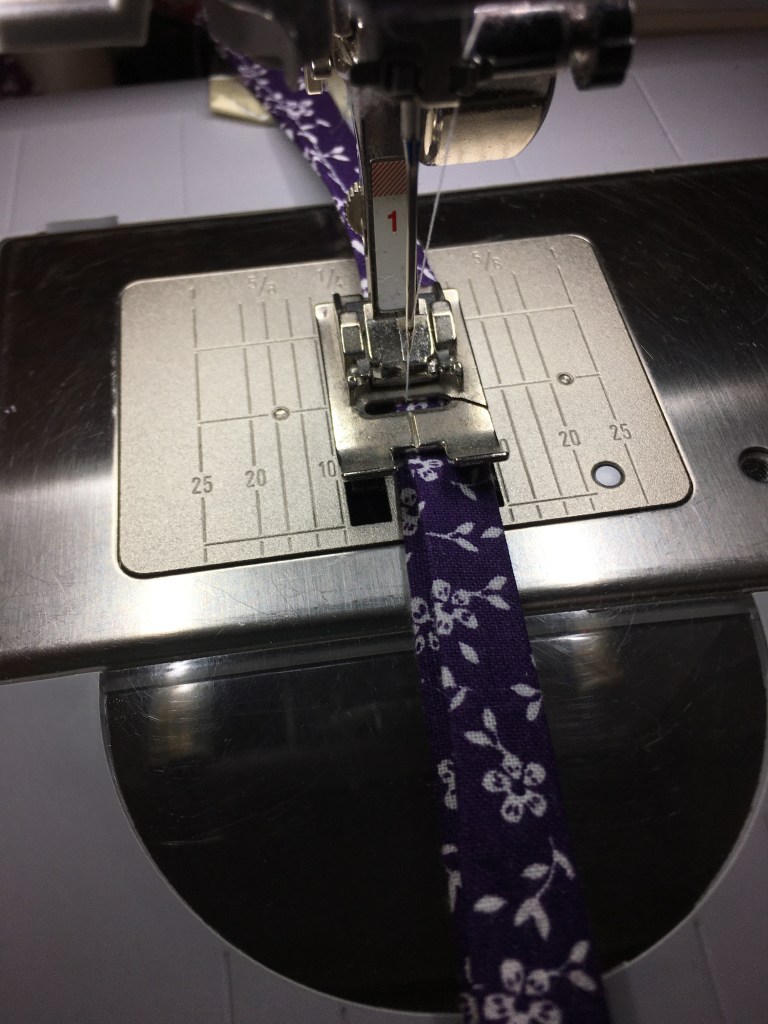
To make the ties, I fold the single fold bias tape in half to make double fold bias tape (it is nice when nomenclature makes sense). I then sew along the edge to finish the tie. I do tuck in the ends so they are neat. The mask pattern I’m using has a pocket for the ties (or elastic if you have it), which I really like because it means I can have ties that slide and can be changed out for different ties.

Sewing the tie