Here are two more opportunities for clover gazing. (Hint, think squares instead of triangles when looking for four-leaf clovers.)
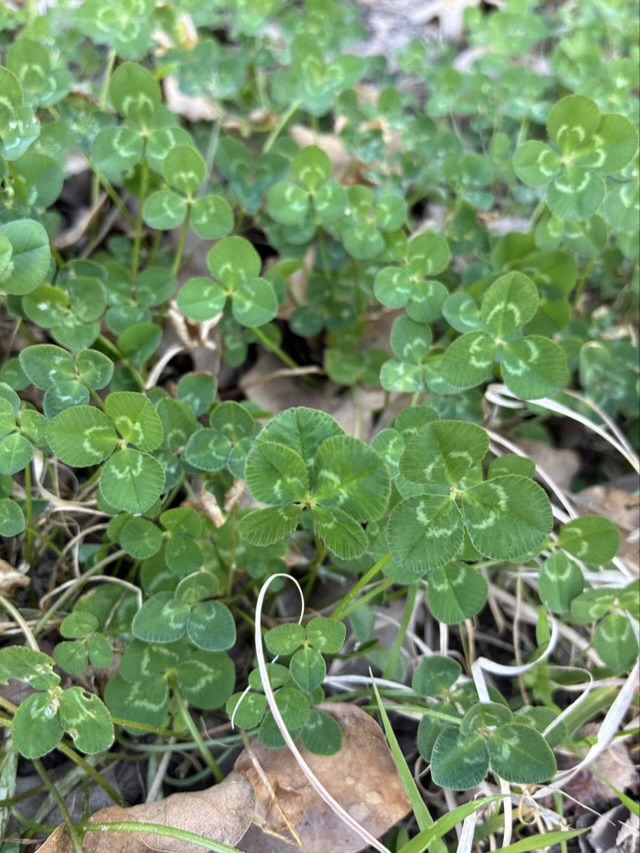
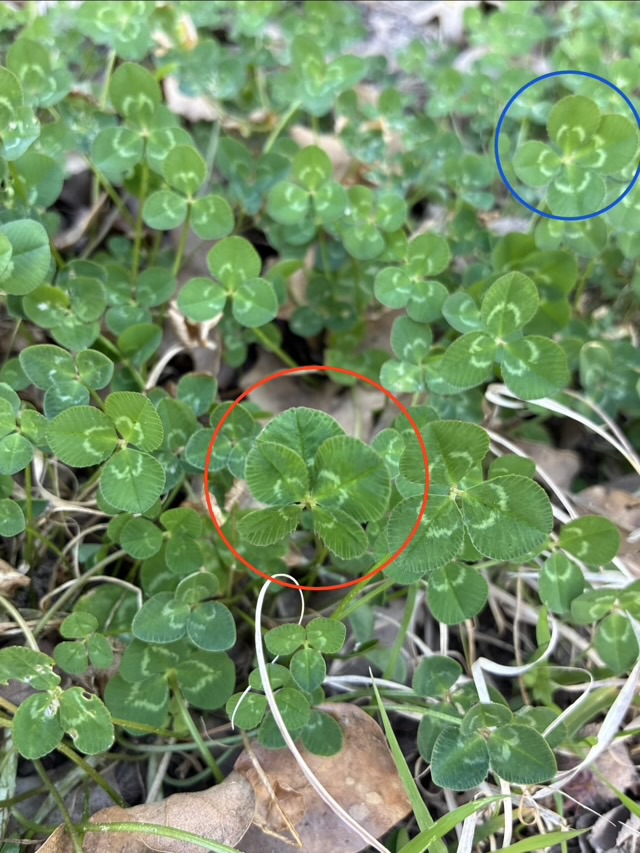
Let’s go again.
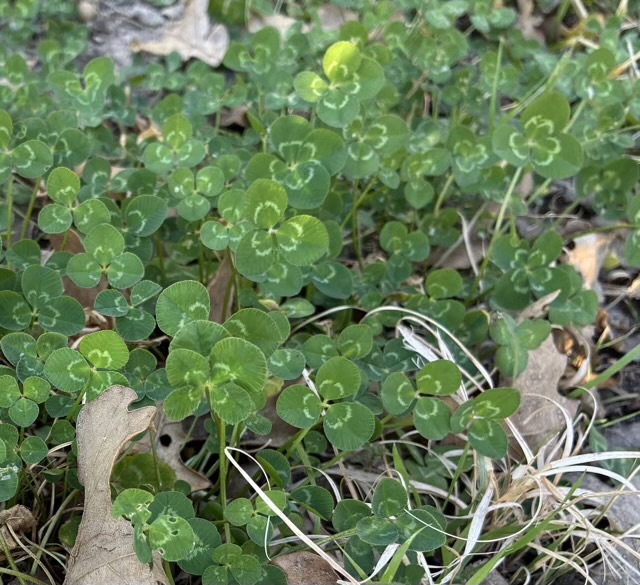
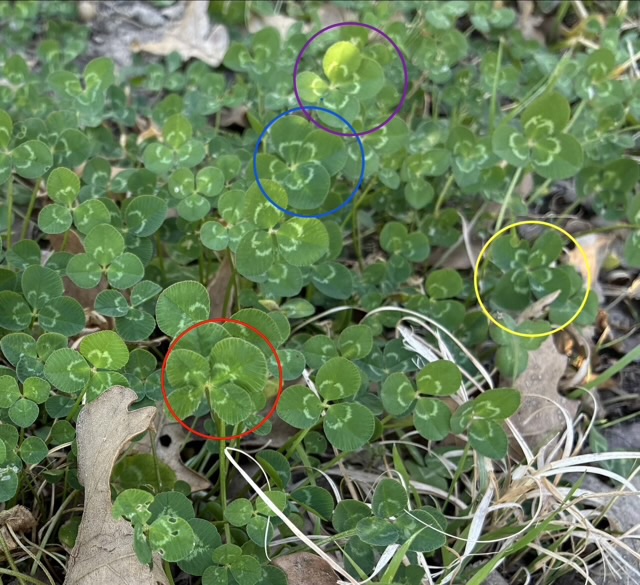
Happy gazing.

Here are two more opportunities for clover gazing. (Hint, think squares instead of triangles when looking for four-leaf clovers.)
Let’s go again.
Happy gazing.
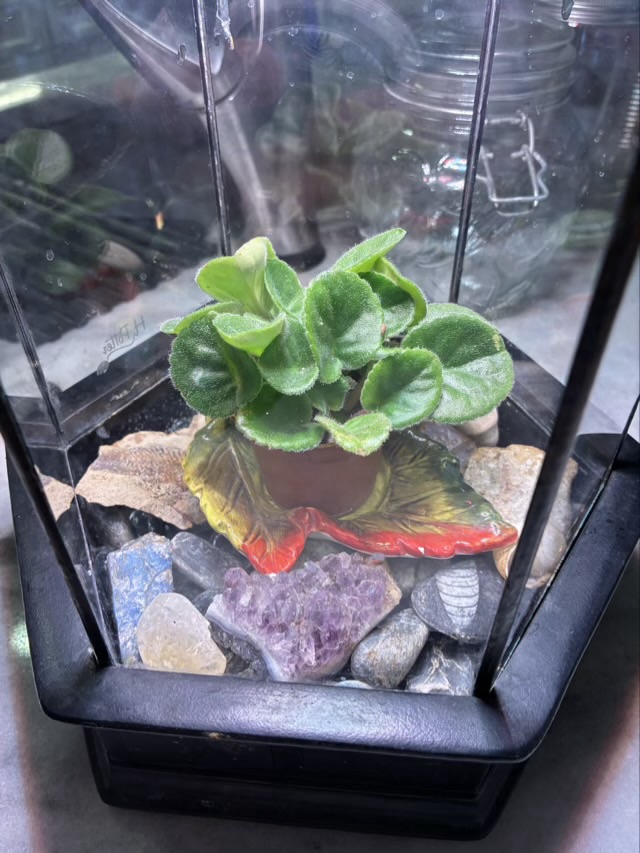
The mossarium I made in a case was not doing well. I tried adding a plant light and it was too much for some of the moss. After six months of steady decline, I decided to clean out the container and put in something else. I have a young African violet that I received from a friend that currently fits.
My poor spider plant has been neglected for a while, and left to its own devices for everything but water (I do water it twice weekly). I got a bee in my bonnet and finally gave it a good clean up, including trimming dead leaves and separating out the babies.


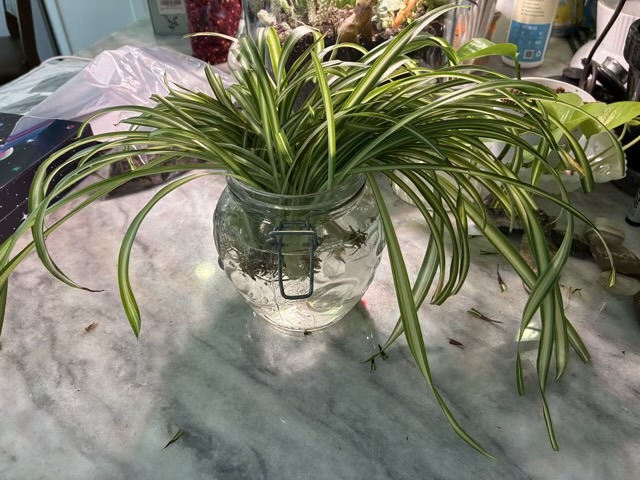
When the spider plant babies root out, I’ll plant them in another hanging pot. I did select the longest leaves from the pile of discards and are letting them dry so I can attempt to make some twine from them eventually.
Of the original planting of my tea jar terrarium, I had three varieties survive. It was looking rather sparse, so I added succulents from another pot we had hanging in a window.
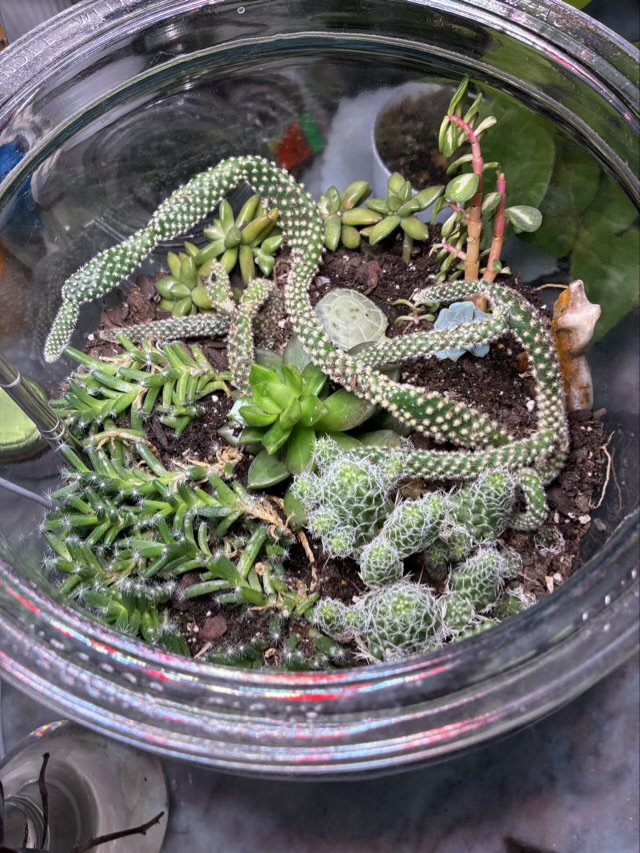
I’ve increased the artificial light from 9 hours to 12 to see if that makes the cactus happier.
A five leaf clover. Five leaves. Five.
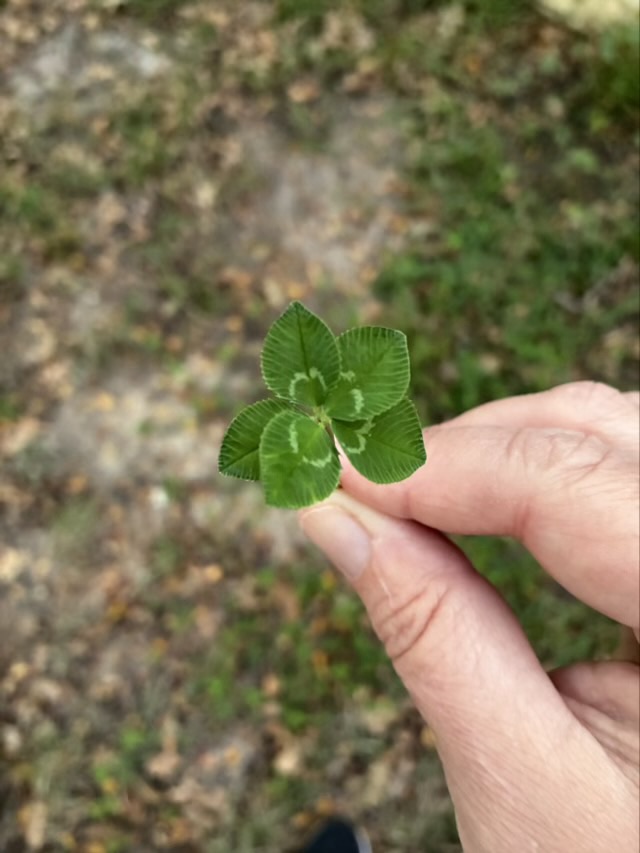
I was doing my usual scan for four-leaf clover in a clover patch in my front yard, and spotted something new. I thought maybe it was a couple of separate clovers intertwined, but no, the patch produced a five-leaf clover. As this is my first sighting, and the specimen was pristine, I did pick it from the patch and put it in a press for posterity.
Five!
Thank you to all our veterans for your service and sacrifice for our freedom and country. What you did and are doing matters. Thank you.

