Stitch marker necklace

I thought I would make up stitch marker necklaces for the stitch marker swap at the Fiber Fest. I’m good with wire, but not entirely sure that wire is the right material for hand made stitch markers. It seems they would catch on the yarn. So I made holders instead. I have a large spool of square copper wire (20 gauge) that looks awesome twisted. I used satin cord for the necklaces with a simple slide knot so the length is adjustable.
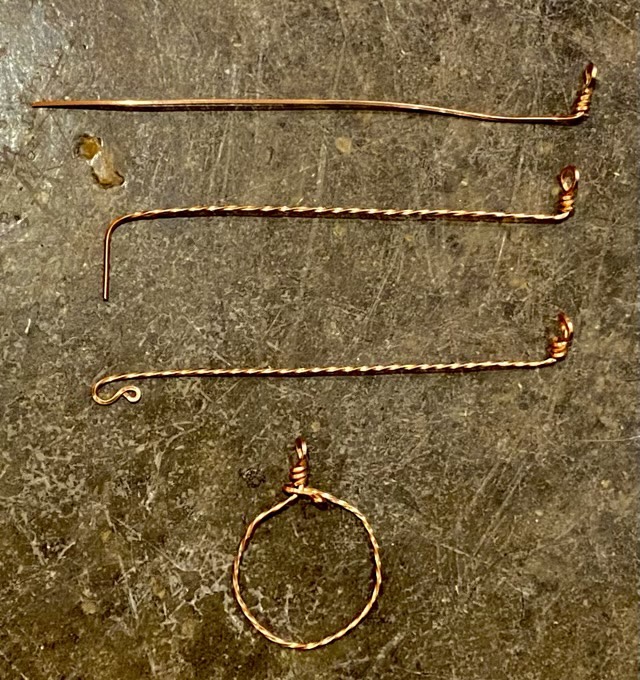
From top to bottom:
Form a loop at one end of the wire,
twist the wire using the loop and a bent angle,
form a hook at the opposite end of the wire,
form a circle and catch the hook around the base of the loop
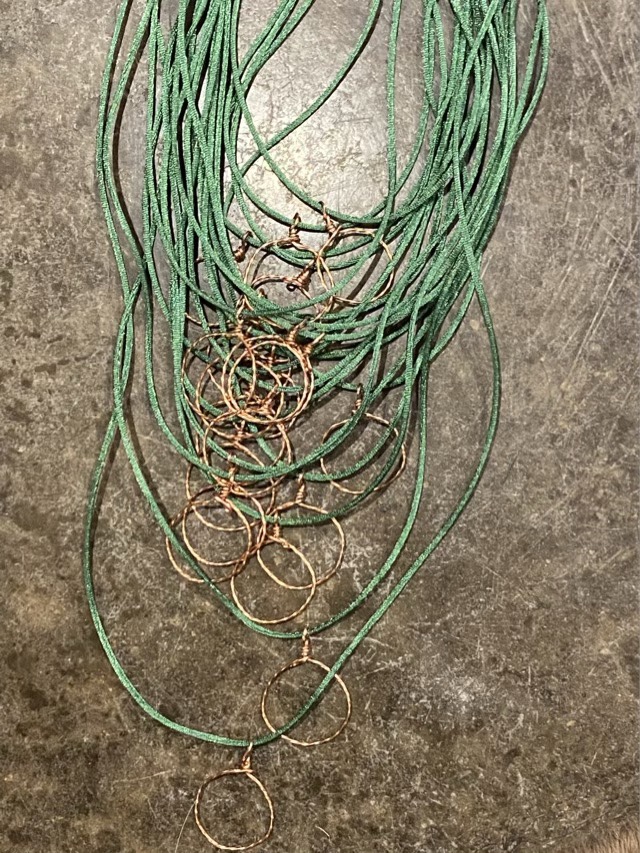
Many stitch holder necklaces

Full disclosure, it has been awhile since I’ve done wire work, and it took my hands a few rounds before they remembered the moves with efficiency. I also didn’t make it to the swap meet. I was quite ambitious of me to attempt a four hour stretch at my first festival in many years. It is OK I only made it an hour and a half. Next year I will plan better. And make markers like these:
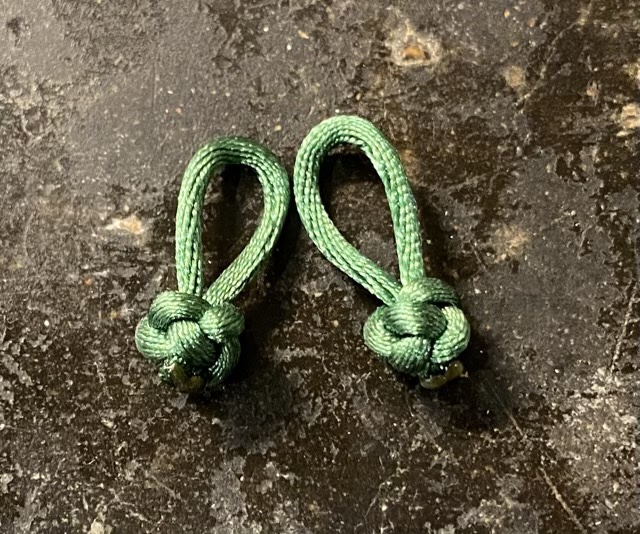
Stitch marker made from satin cord (objects in the image are smaller than they appear)

Fake pockets

In the realm of clothing, there is nothing more abhorrent than a fake pocket. All the hard work has been done, with the fiddly finish and neat corners, why couldn’t the designer just add a real pocket? And not one of those shallow useless pockets, but proper pockets. I’ve heard the line “it changes the line of the garment,” well, then they are more concerned with themselves than with their customer. Ok, rant over. Let’s fix the issue.

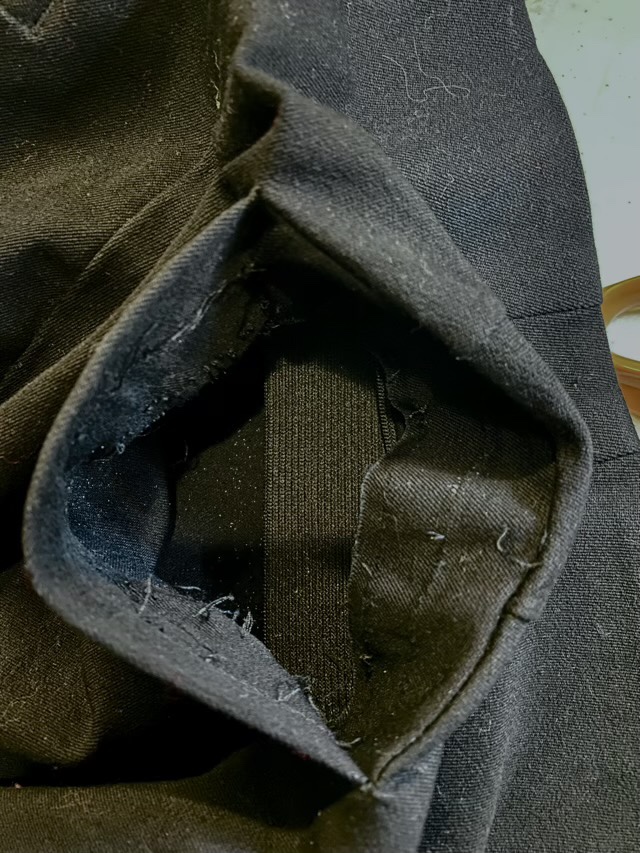
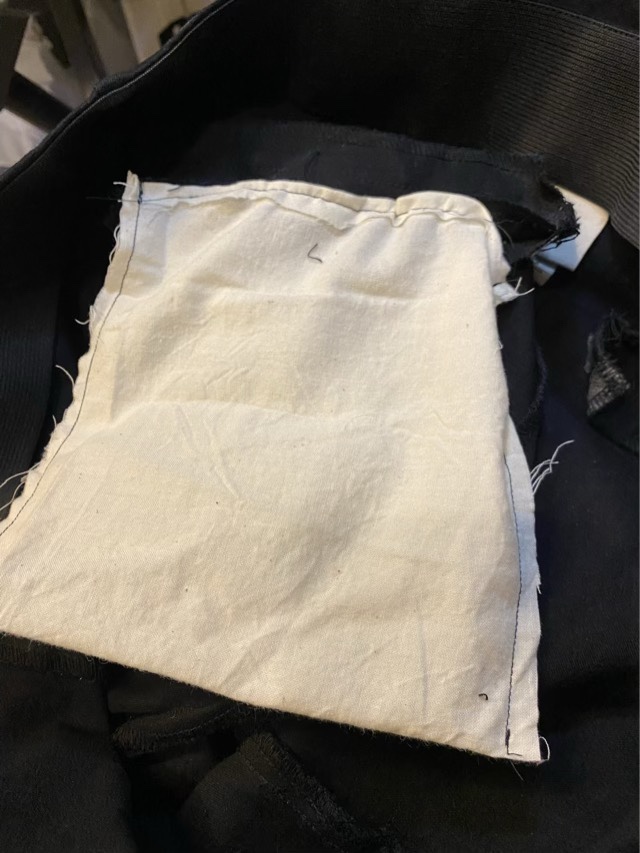
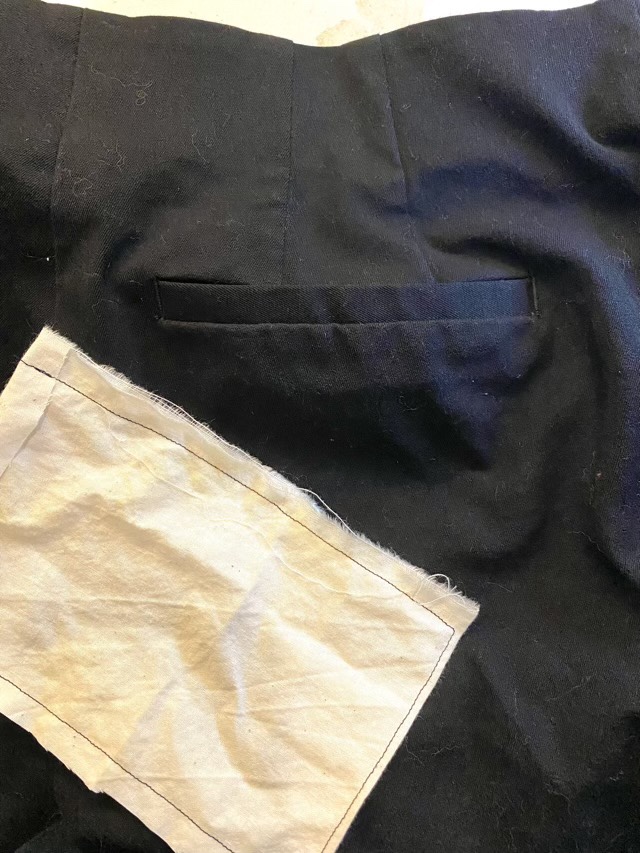
Fake pocket in women’s pants, with a simple cotton pocket ready to sew in
Clip the seam keeping the fake pocket closed, so it opens
On the wrong side, sew in the pocket over the pocket opening. You can fold in the raw pocket edges, and fold the pocket top out if you want to get fiddly. Sew along the front and back of the pocket opening, don’t worry if there are small gaps at the end of the seams, they will be at the top of the pocket.
Pocket insert installed. Crises averted. Wrongs righted. Balance restored.

Lining sewing hack

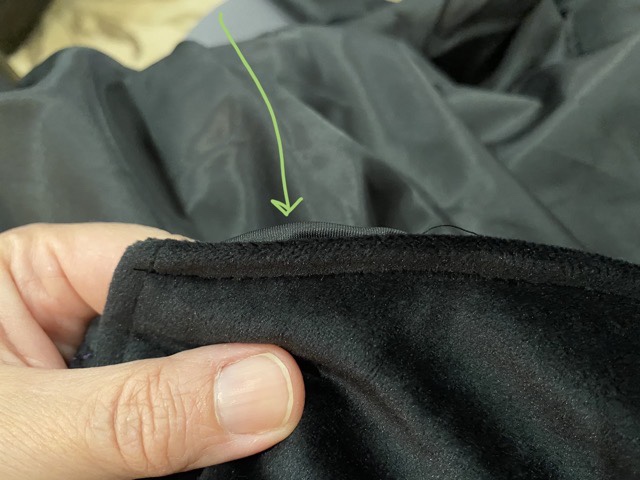
Inevitably when I sew a lining, a section of the lining slips and shows past the edge. I use pins and go slowly, but lining material tends to be slippery, especially when sewing satiny fabric to velvet.

Lining material showing past a edge

At this point there are several choices: hope no one notices (I know it is there!!), rip out the seam and try again (horror), or hand sew it. I have found a rather useful stitch to tuck in the offending blob of material.

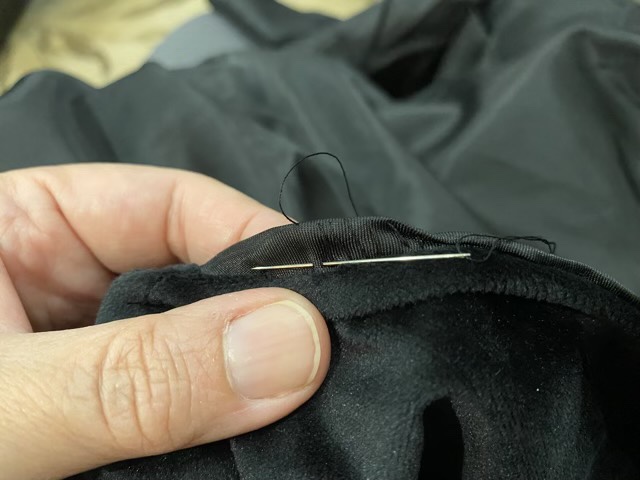
Sewing a folding edge

To fold the lining in and keep it there, it works well to alternate small stitches near the original seam, then at the top of the original fold. Keep these stitches loose for four or five repeats, then gently pull the stitches tight. The fabric folds down and is secured!

Lining tucked and tacked
No lining showing on the edge of the velvet

This is part of an adjustment on a purchased velvet tail coat. It was faster and more economical to get a pre-made garment, then make alterations, than to make the jacket from purchased material and a pattern. Although I would have had the same issue either way; linings and velvet always gives me fits.

Mohair

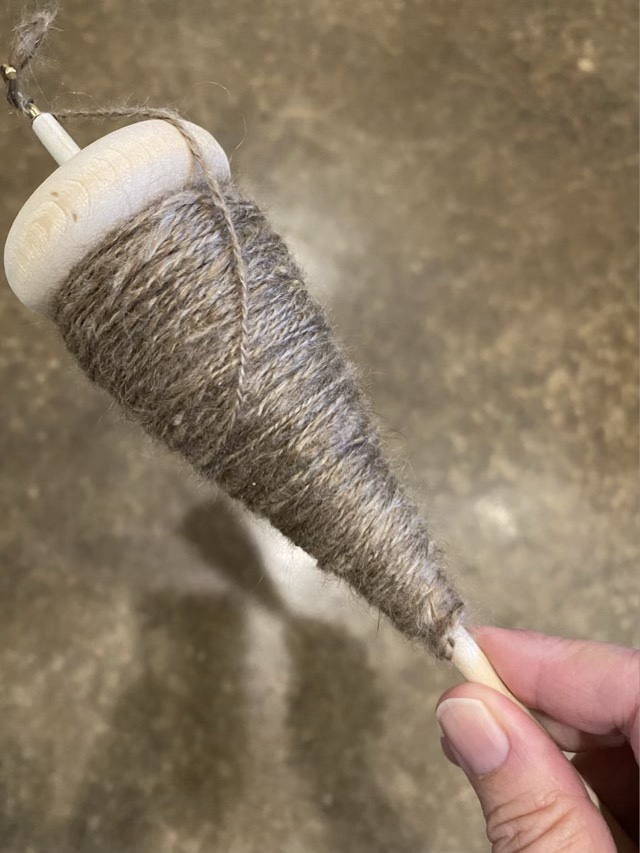
I’ve spun up my mohair from Rutabega the Angora goat, then plied it using a drop spindle.

2-ply hand-spun un-dyed mohair

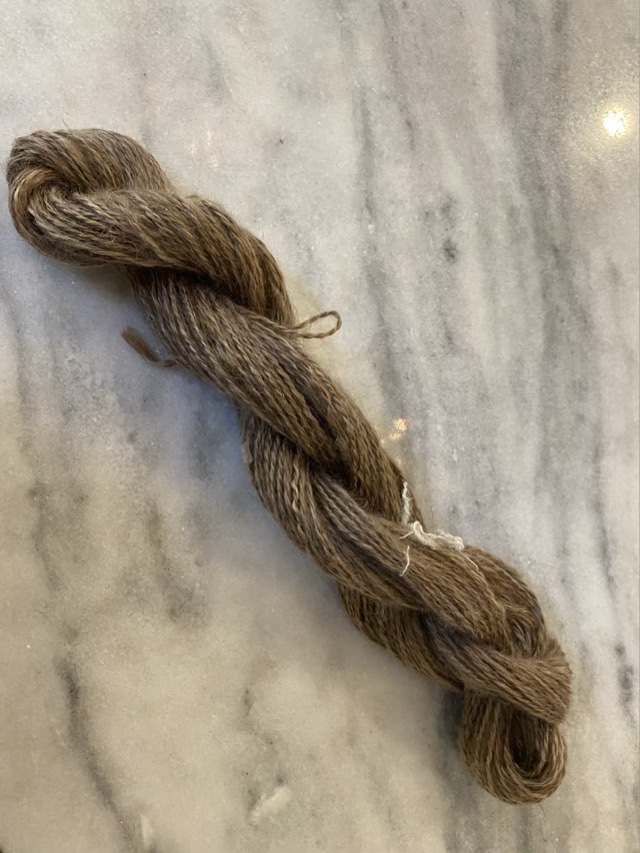
I transferred the yarn to my PVC niddy noddy, wet it down and let it dry. I then had a hank of spun mohair.

2-ply mohair hank

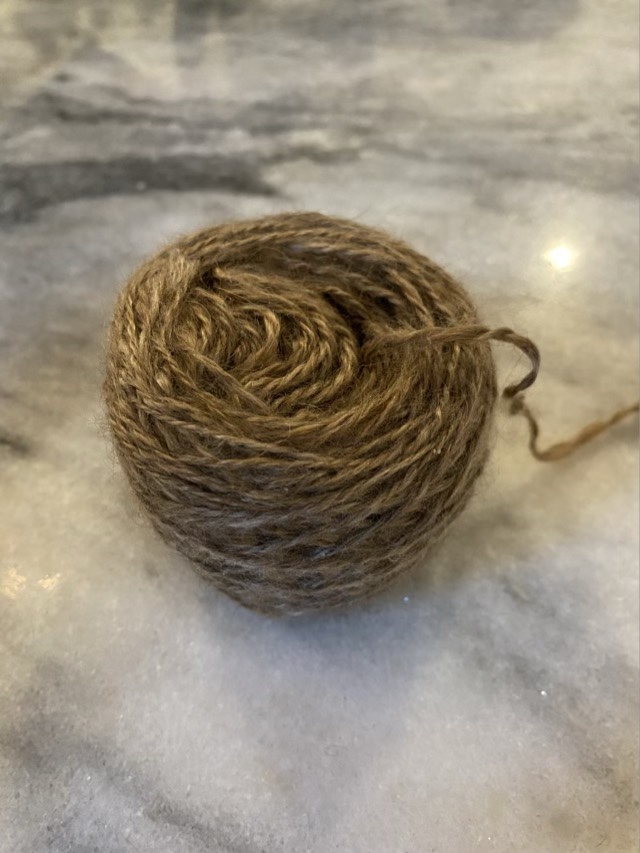
Since working from a hank is a recipe for tangles unless you keep it stretched out on a swift, I then used my swift and ball winder to make a yarn cake. The inside of my cake went askew; I think I might have had too much tension as I wound.

2-ply mohair yarn cake

I am now ready to make swatches for my fiber page!

My First Fiber Fest

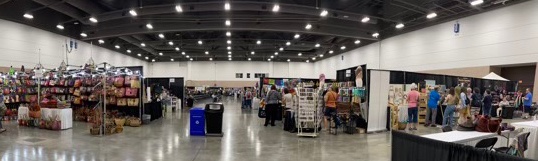
“What?” you say, “you have never been to a fiber festival? How is that possible?” Well, you might not say it, but the woman in the elevator did. I must say that she said it after cheering that it was my first visit. Yes, I have been working with yarn for around 40 years, but I only took up spinning just before the pandemic, and during the pandemic all the festivals were shut down. I have been searching out fibers to spin locally and online. Walking into a convention center with a huge room full of fiber was mind blowing.

Panoramic photo of the convention area, which really does not give justice to the amount of fiber that was really there

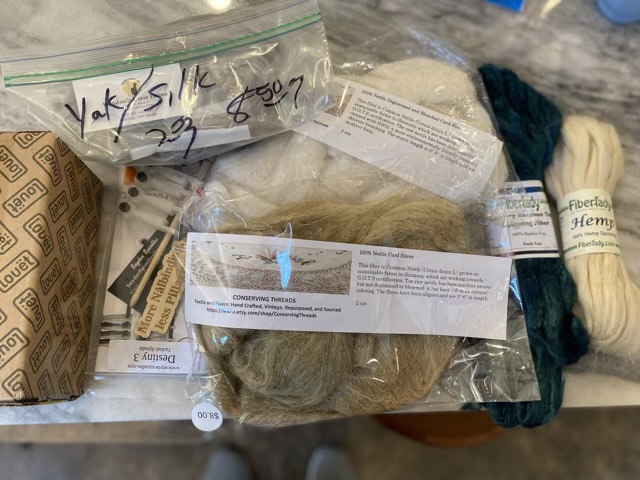
Probably 90% of the fibers at the festival were already spun and dyed, ready for the eager knitters that lined the aisles. But there were pockets of un-spun fiber in various preparations. I found bamboo, hemp, nettle, and yak (!) spinning fibers, all of which I have not yet attempted to spin. There were a few raw fleeces as well: mohair and Rambouillet. I caved on some white mohair (it was the first time the seller was offering raw fleece and it looked like she did a nice job skirting and labeling). Rambouillet is now on my wish list; I couldn’t quite face a whole fleece right now, but the processed yarn and blankets were divine.

Fiber Festival haul

I did find myself some wool combs, which appeared to be the last pair in the room. I also found an intriguing Turkish spindle 3D printed from flexible filament (more on those another day). The booths did cater mostly to the knitter, but there was representation for weavers, crocheters, felters, spinners, and there were even some nålbinding needles! After about an hour and a half, my brain shut down. It appears that I will have to work up my festival stamina!

The convention center was yarn bombed, which is fabulous