Crepes

The hens are slowing down on laying eggs in the heat of the summer. I still get one to three eggs a day, but I thought I would get out the powdered eggs from the freezer and see how they do in crepes with my Heritage Wheat flour! Spoiler alert, the crepes come out well.
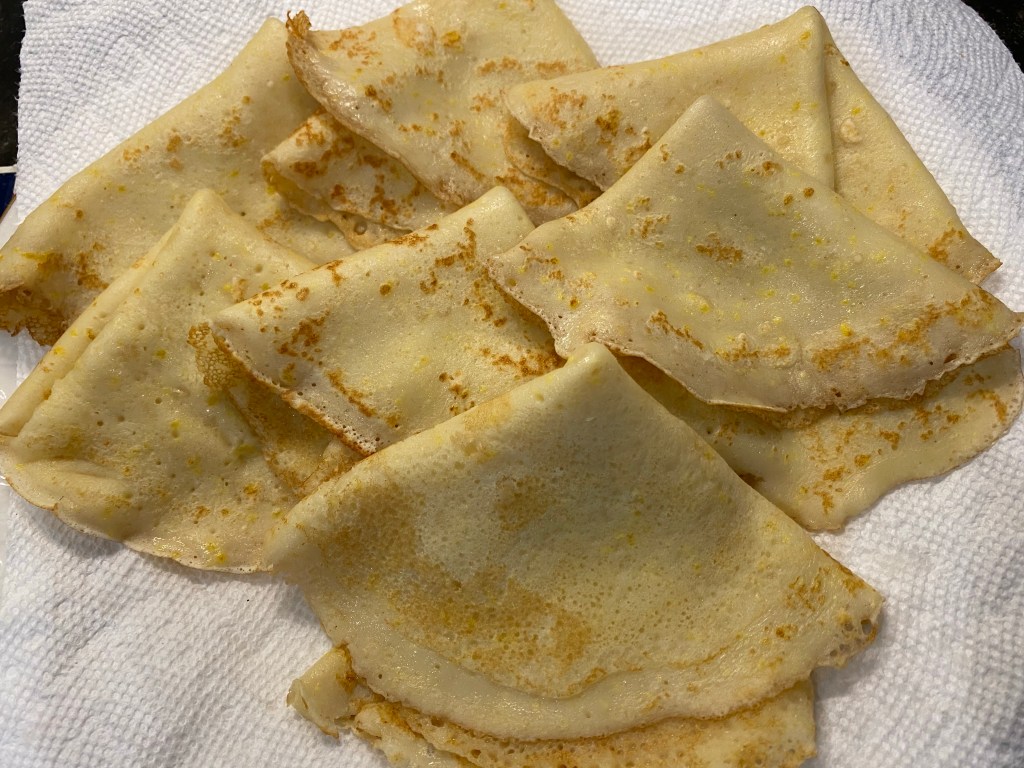
Crepes made with powdered eggs and Heritage wheat
  • 20 g powdered egg
  • 4 Tbsp water
  • 1 1/2 cups milk
  • 1 cup Sunrise Mills Heritage White Flour
  • 1 Tbsp vegetable oil
  • 1/4 tsp salt
  • Melted butter

Combine the powdered egg and water and let sit for about 10 minutes (I start this, then gather all my supplies, melt the butter, and preheat the pan to medium). Add the milk, flour, oil and salt and whisk until combined. Brush melted butter onto the hot skillet, then pour 2-4 tablespoons of batter into the pan (depending on the size of your pan) and quickly rotate the skillet to distribute the batter evenly. Cook until the edges are slightly golden and the crepe is easy to lift, then flip it and cook for a few more seconds. Fold the crepe in half, then in fourths and transfer to a paper towel lined plate.

Pretzel rolls

Next experiment: trying a pretzel roll recipe using Heritage Wheat Bread Flour Mix from Sunrise Mills. My husband found a recipe here. I knotted the buns by rolling a section into a rope, then doing a simple overhand knot and tucking in the ends. I was apprehensive about boiling the rolls, but it worked just fine! I used a slotted spatula to lift the rolls from the boiling water, rather than tongs. I baked them longer in the oven, to get a deeper color, and I think I would even add a few more minutes because the rolls were still very soft. Yummy though. Oh so yummy.

Pretzel rolls

Poster board boxes

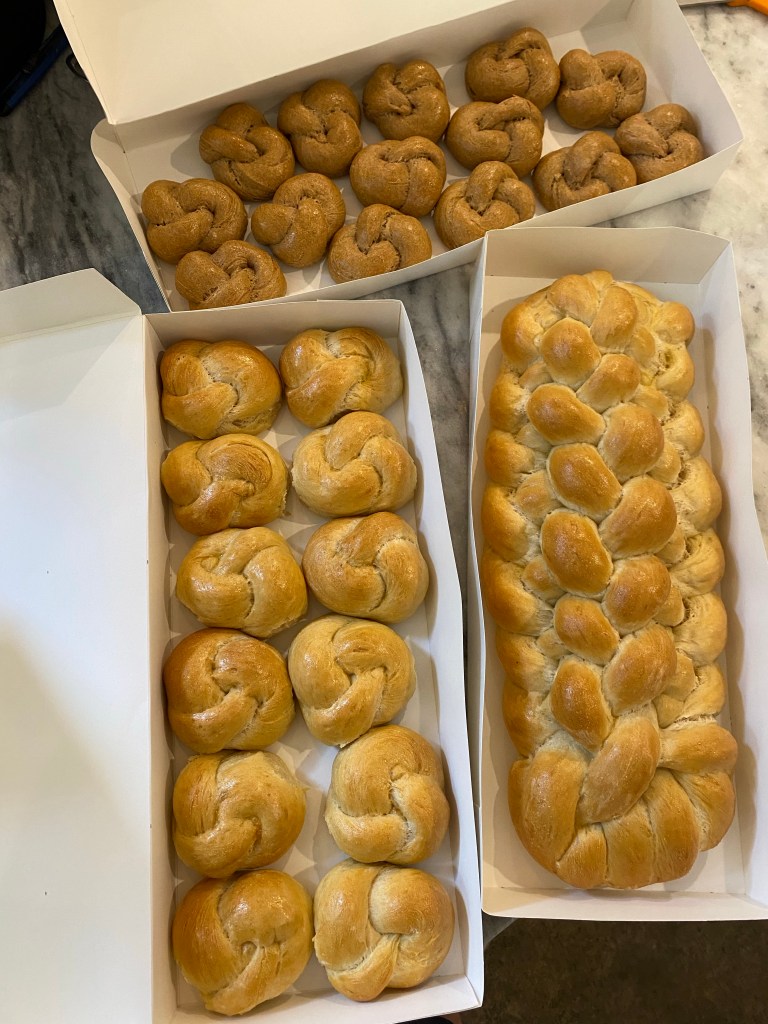
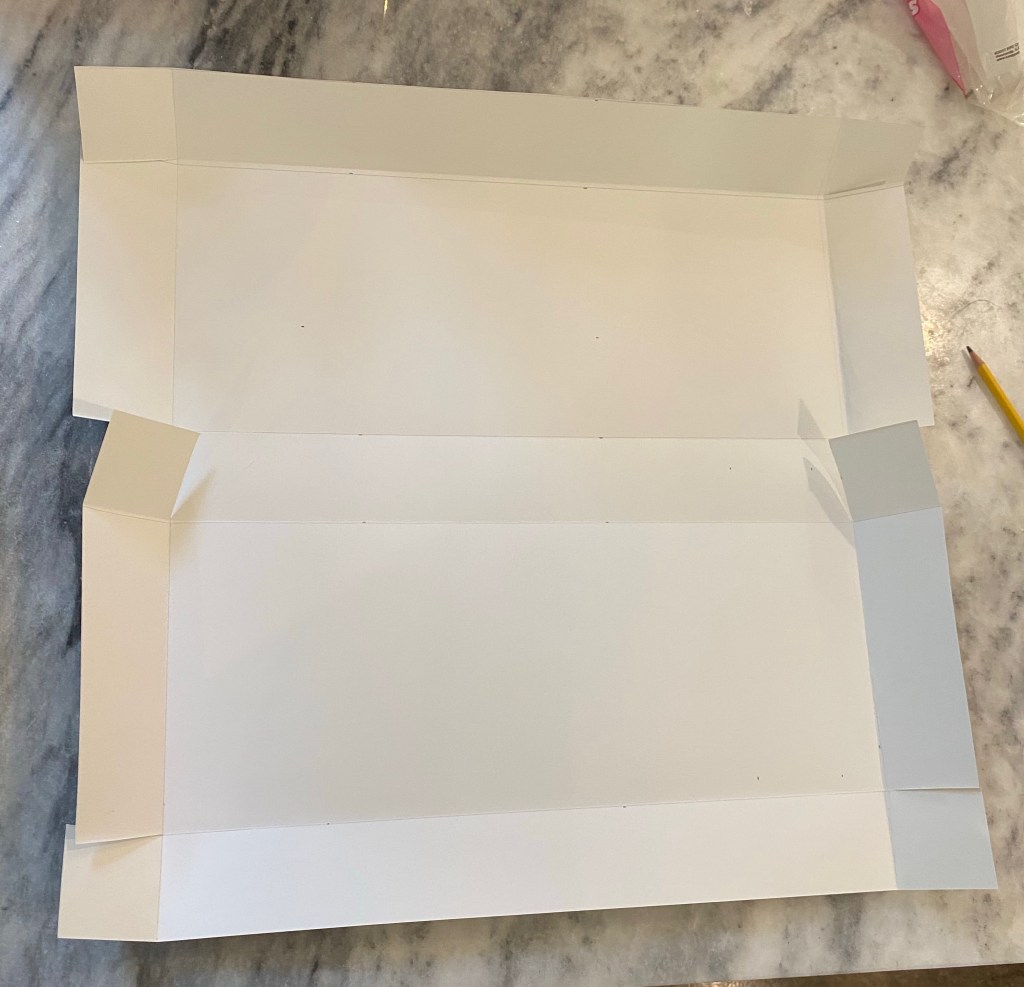
I declared a baking day for myself and then got a little carried away. Instead of making two batches as I planned, I made three. Instead of two braided loaves, which I’ve practiced, I made a loaf and two batches of rolls. It isn’t often that I bake for many people, and I was just so excited. Then it came to how to transport the bread. Hm. I read that cloth lets too much water out and the bread gets dry. Plastic and foil keeps the moisture in, but the crust goes soft. I also didn’t want the bread to get squashed in transport. So I made some boxes out of poster board. I made measurements and drew lines in pencil, cut flaps, and glued the corners with hot glue (which helps structurally as well).

Attached lid poster board box before assembly
Homemade bread in homemade boxes

The boxes worked well, and the white bread was quite good, even the second day. The whole wheat rolls were more dense and tough. (Good thing they were the extra batch!)

Improving

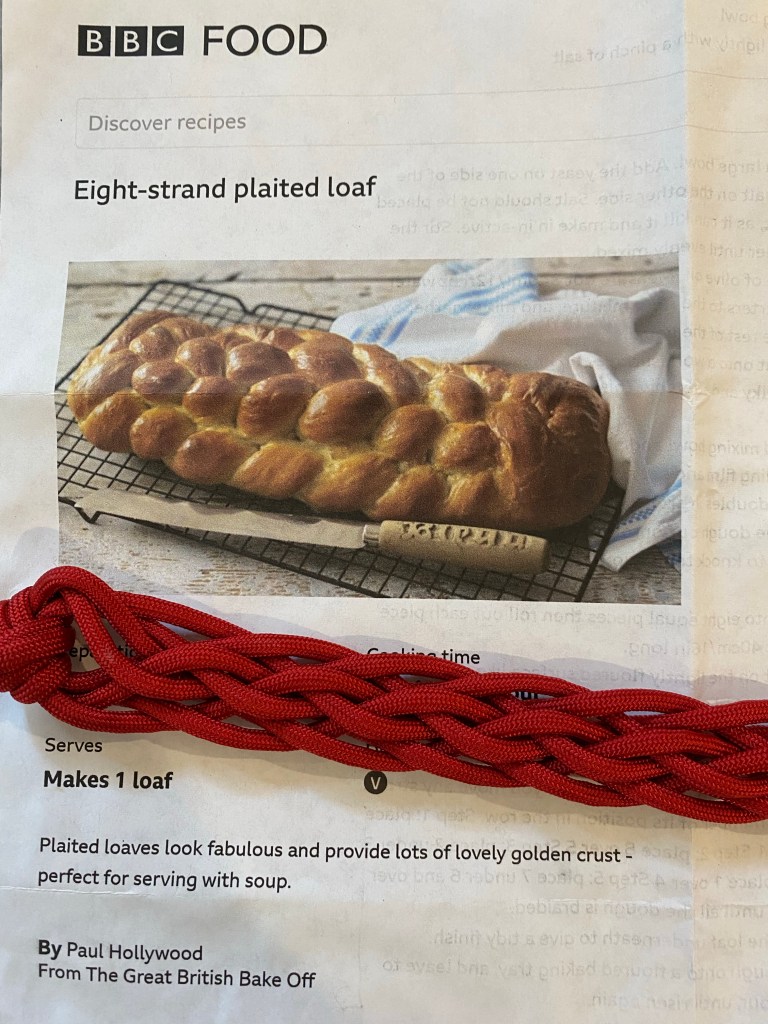
Practicing a dough braid with paracord

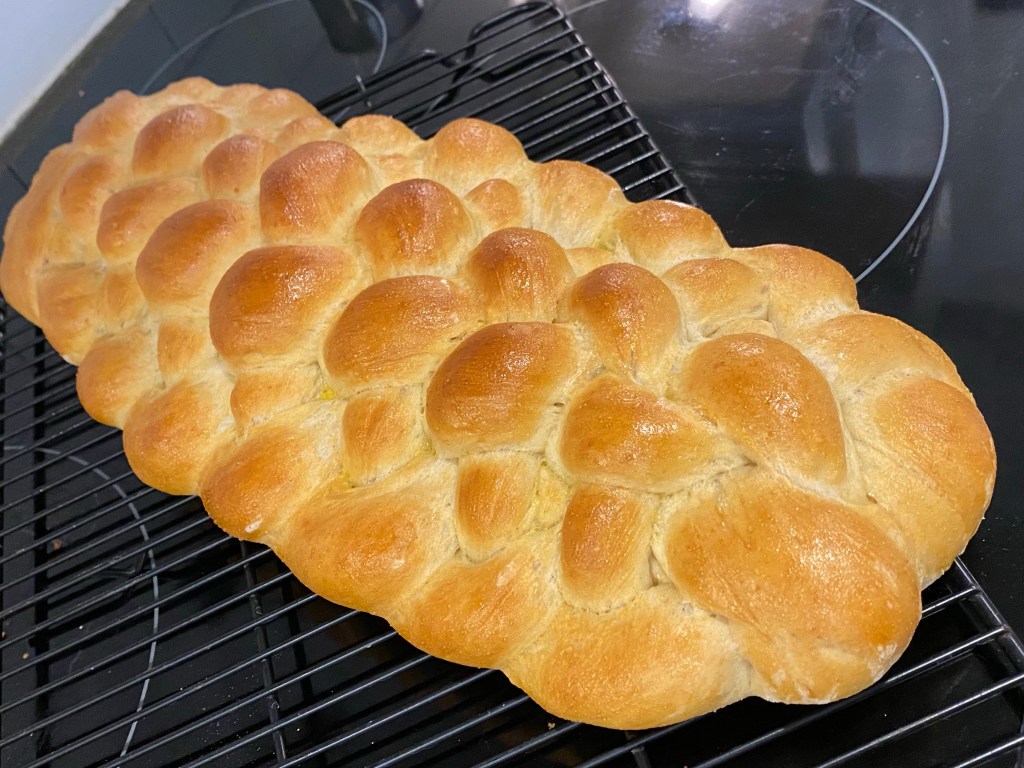
I have been practicing my eight-strand plait using a bundle of paracord until I had the pattern in my head and didn’t need the numbered instructions anymore. This really helped when it came to braid dough. It also helped that I read in a different recipe that if the dough becomes inelastic, to let it sit 10 minutes or so and try again. Game changer. I rolled my strands, did a light coat of flour, let them sit, then rolled them again to get a longer, thinner strand.

Eight-strand loaf of bread made with heritage wheat

Wheat-sheaf loaf

Well, I made a wheat-sheaf loaf. In Paul Hollywood’s book “100 Great Breads”, he says that if you can make a wheat-sheaf, you can make any of the loaves in the book. I’m not sure mine counts as a success. It looks slightly like it is supposed to, (although at a certain angle it looks a bit like a sperm swimming up the tube toward the egg), but wasn’t edible. I’m not sure it is meant to be eaten. Some people varnish theirs. Hm.

Harvest wheatsheaf with bonus wreath and snail (because I had left-over dough)