At least it was a learning experience

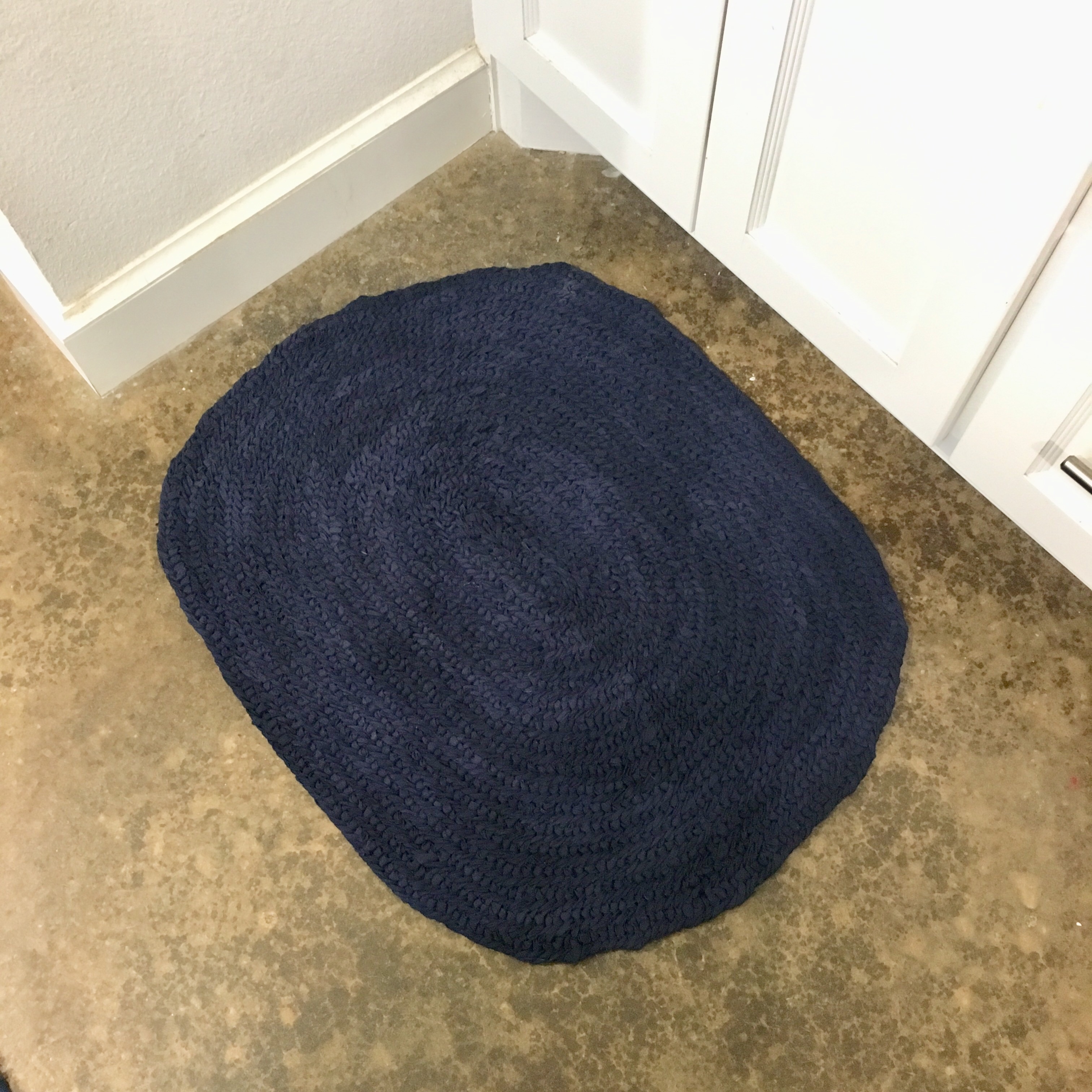
Rag rug made from a king sized fitted sheet

Good thing it is useful, because it is rather lopsided.

I decided to practice my nålbinding by making a rag rug from a fitted sheet that had worn out. I cut off the elastic, then tore the sheet into 1” strips. I wound each strip into individual loose bundles so they didn’t tangle together. Using the Finish 1+1 aka Oslo stitch, I worked the strips into an oval rug form. I was eyeballing where increases needed to go, so the end result is kinda funky. I had to block it (get it wet and lay it flat to dry) to get it mostly flat. Although it took me a month to make, I admit that I only did about three strips in a sitting. If I make another one with the top sheet, I’ll twist each strip, and evenly space the increases. I did find that I like to chain the increases, rather than stitch into the same stitch. I like the texture better. So lessons learned. And it will still keep feet from getting cold while someone is brushing their teeth.

On the chicken side, the weather is cooling down. It is still hot, with highs still in the 90s, but the chickens spent all day outside today. How do I know? The foot bath inside the coop was clean, and the one outside was filthy.
Magic

Seriously, spinning is like magic. You take bits of fluff and with a stick of wood, turn it into infinite varieties of useful stuff. When asked what superpower I would want, my answer is usually to be able to make things from nothing. This is pretty darn close!

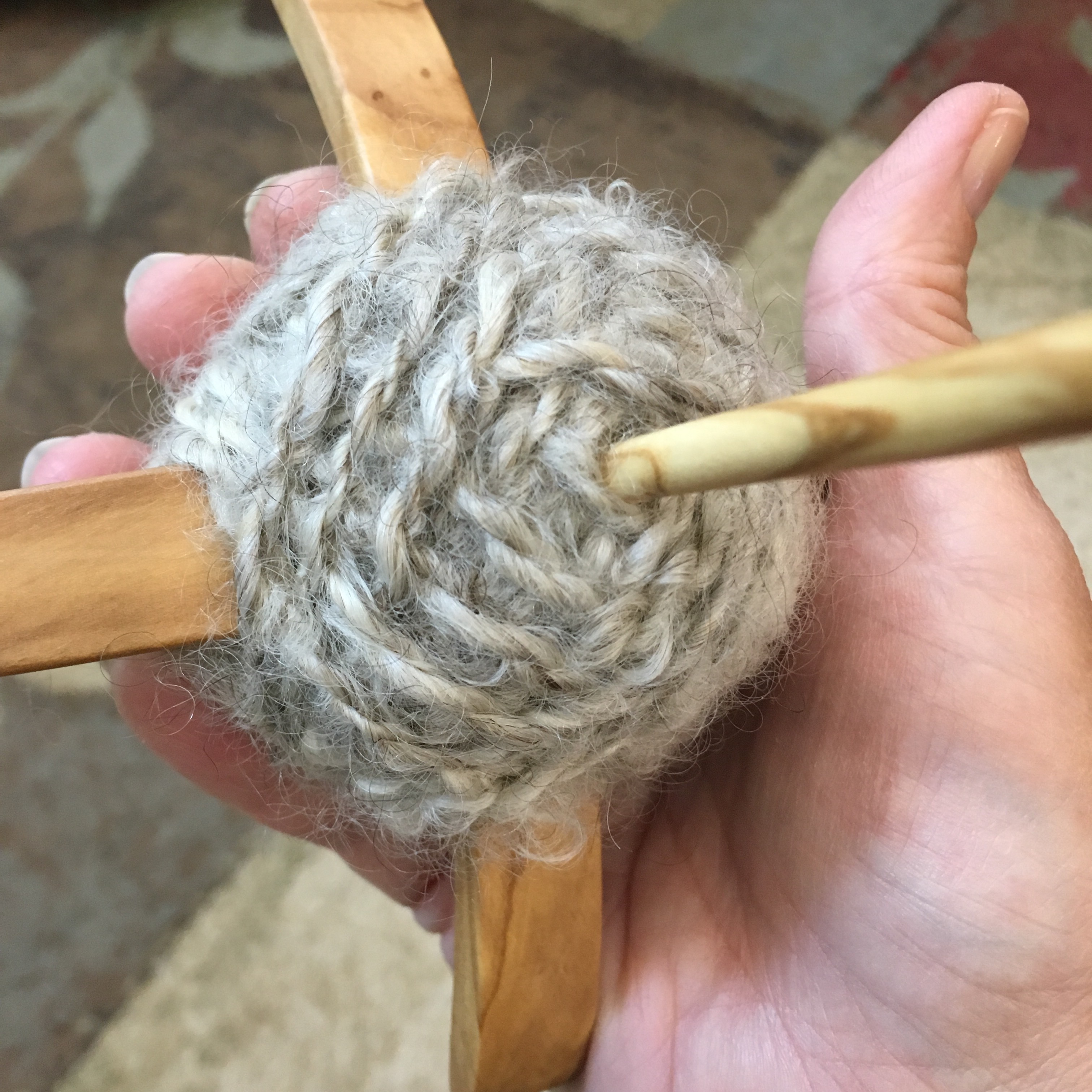
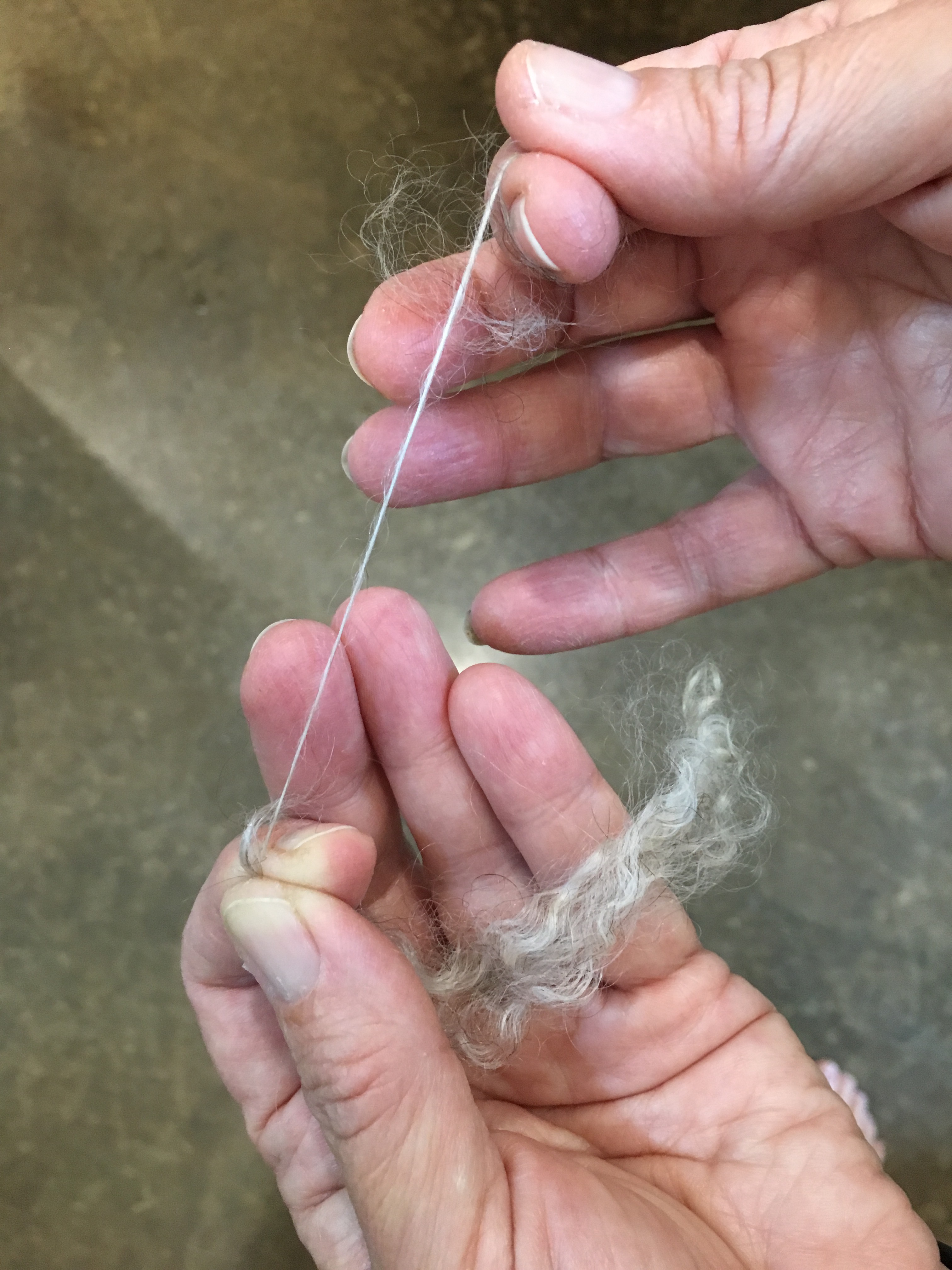
Testing the fiber by hand twisting

I found an awesome book on spindle spinning: “Respect the Spindle: Spinning Infinite Yarns with One Amazing Tool” by Abby Frequemont. I love that she provides scientific information on spinning, and enough description that I can use it to improve my spinning. (I should still find a class on spinning, but this at least gets my hands moving!) She also recommends trying many different spindles and has exercises to help improve spinning.

Single ply mohair (from Dottie the goat!)

I’ve been practicing with small colored scraps of wool, and spinning with mohair is different, but I like how fuzzy it comes out. I really like crocheting and nålbinding with single ply yarn, but I’m definitely missing something about the process, because this single ply doesn’t act like store bought single ply. Now here is more magic. You spin two strands of single ply together in the opposite direction and the twists balance each other and hold together better. Ok, so not magic, but super cool science.

Two ply mohair yarn

Mealworm… harvest?

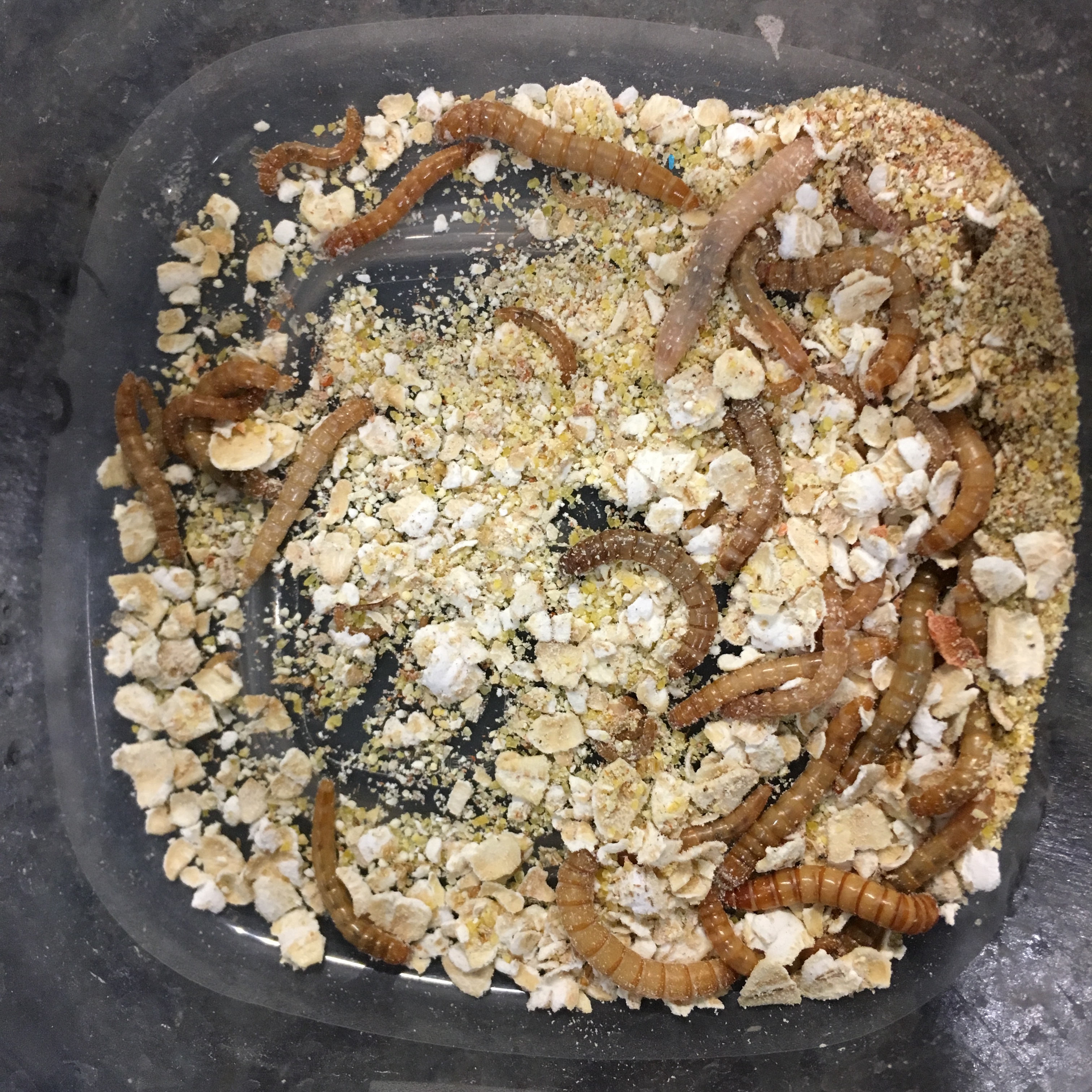
I really thought that my rotating meal worm drawers would yield a batch of large worms every two weeks or so once I had it going. But right now I have large larva in nearly every drawer. So today I started picking out the large worms to feed to the chickens. There are also beetle eggs hatching in the beetle drawer, but I think I’m just going to let those become beetles. If they survive the adults. I do separate the pupa when I find them.

Home grown mealworms

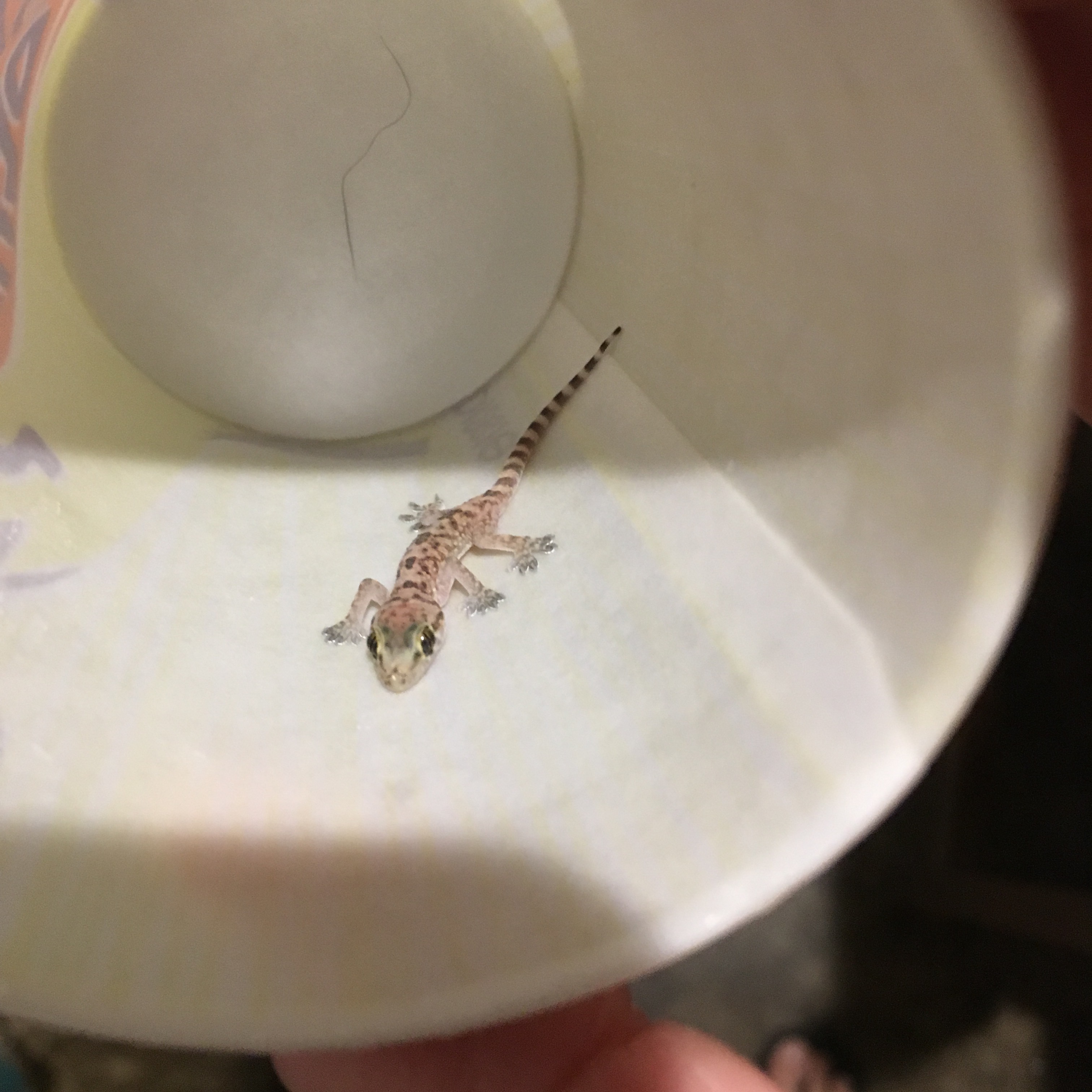
My yield certainly isn’t what I thought it would be. I’m not sure if I didn’t start with enough beetles, or the house geckos have been getting in and having a smorgasbord.

Little house gecko; I found one similar in one of the mealworm drawers

We’ll continue the experiment for awhile because, frankly, it is hardly any work at all. I add wilted lettuce leaves for the beetles, and carrot peels and pieces for the larva, both of which are abundant at my house. I switch drawers once every two weeks, which entails putting oatmeal and/or corn meal in a drawer. It would be more work to take it all down.

Washing mohair

I am almost giddy with excitement. I found a local farm that has angora goats and sells fleece (that is the hair from an animal, not the already finished fabric). I bought some to practice spinning!

By the way, the fleece from an angora goat is called mohair and the tensile strength rivals steel. Fun fact I learned from the book “The Art of Washing Wool, Mohair, & Alpaca” by Mary Egbert, which the grower recommended. Good book, which I very much recommend if you try washing fleece.

Fleece from an angora goat named Dottie

I like the book because the author has done her research and experimentation, so I don’t have to! I followed her advice on how to scour (clean the lanolin off) my new fiber.

I used my softened water from the water heater
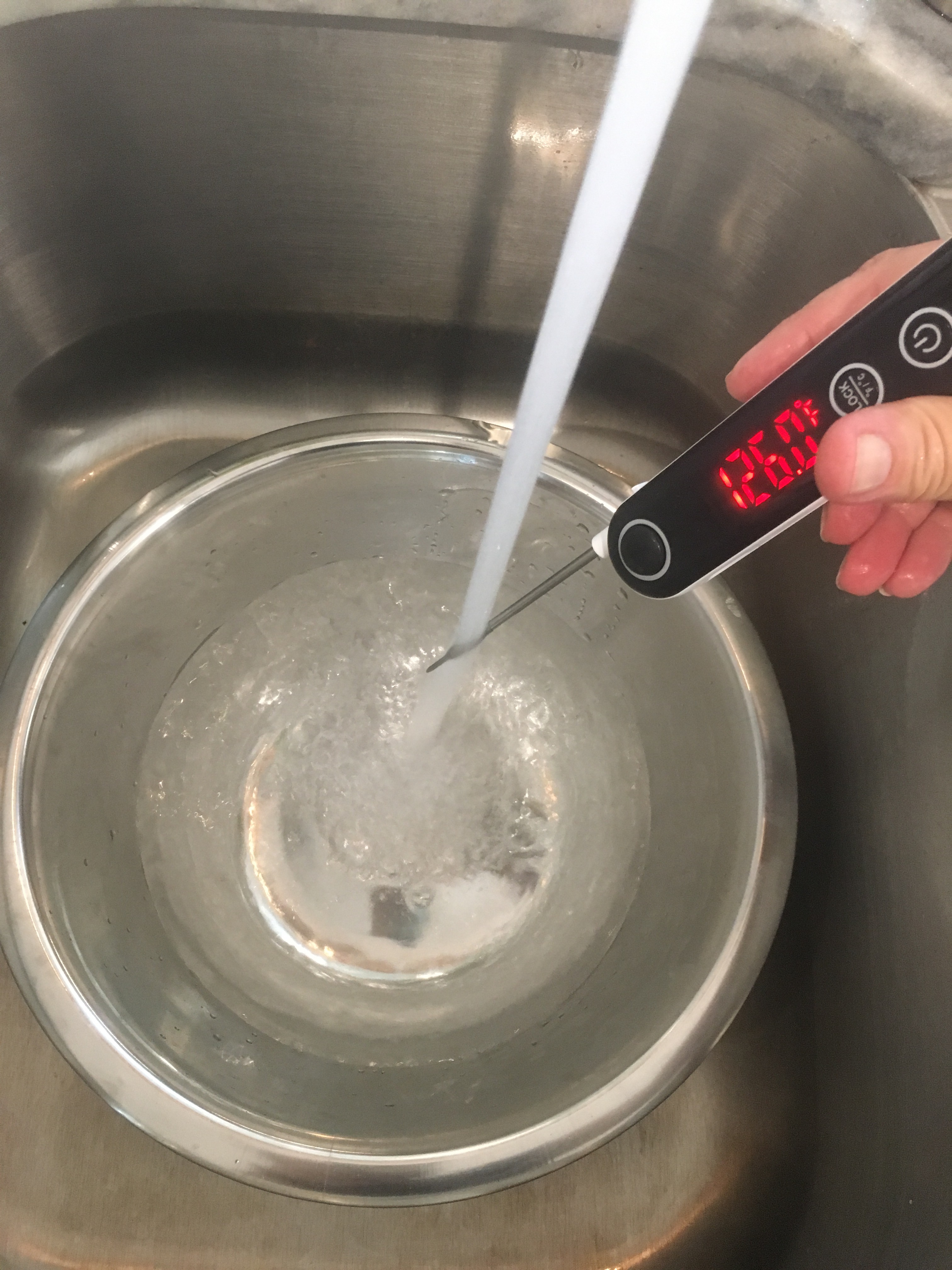
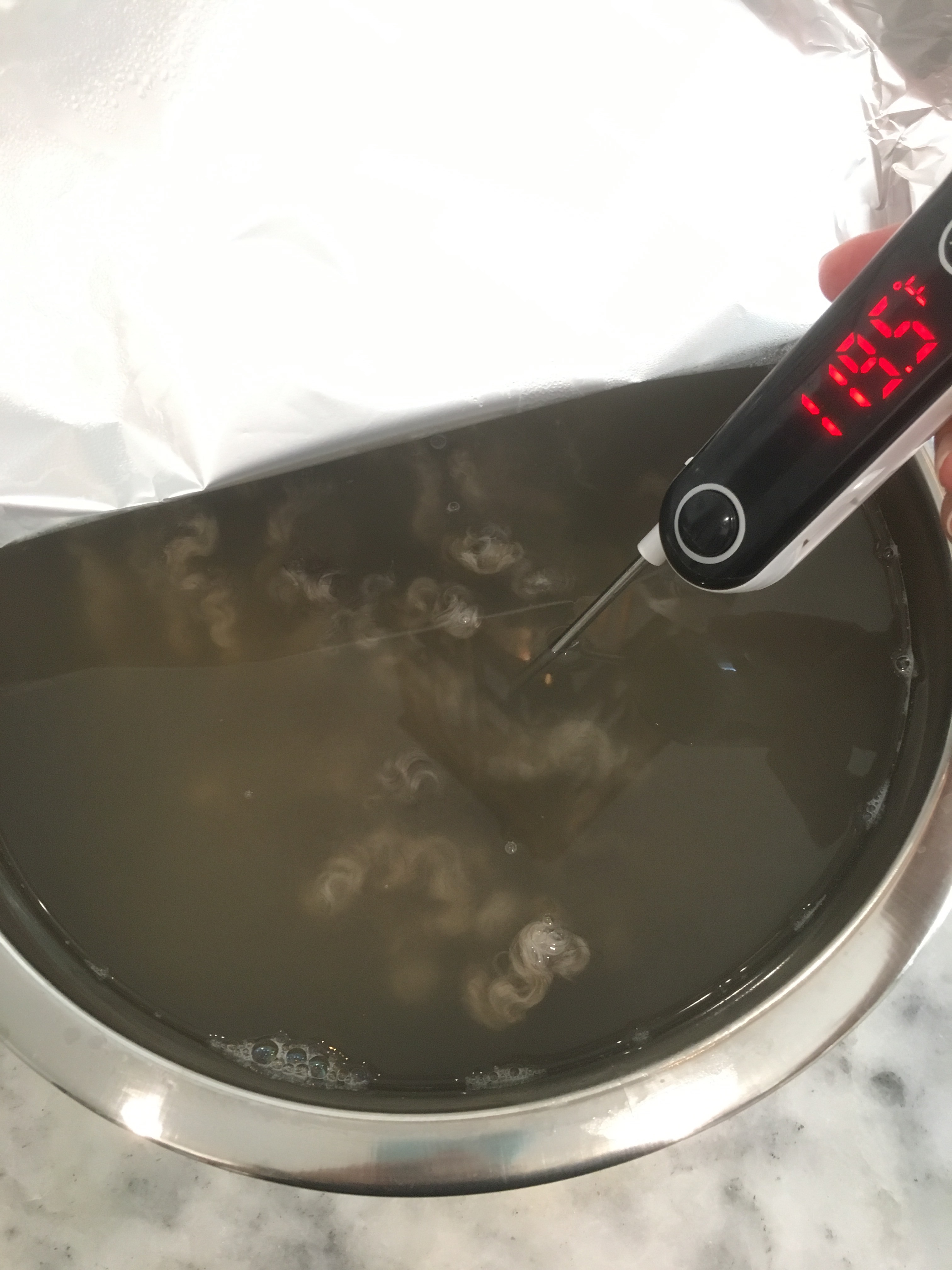
Added the soap, then the fiber, and kept checking the temperature to keep it above 100 degrees F
I squeezed the soap water out of the fiber and put it in a hot rinse bath with a little vinegar
I kept the temperature of the rinse above 100F by adding small amounts of near boiling water
After the rinse I squeezed out the water and put it on my drying rack
Dirty fiber on top, clean fiber bottom right, flicked fiber (brushed) bottom left

And now I have soft fluffy local fiber to spin. And I even know the goat’s name: Dottie! That just tickles me pink.

The universe wants me to spin, who am I to say no?

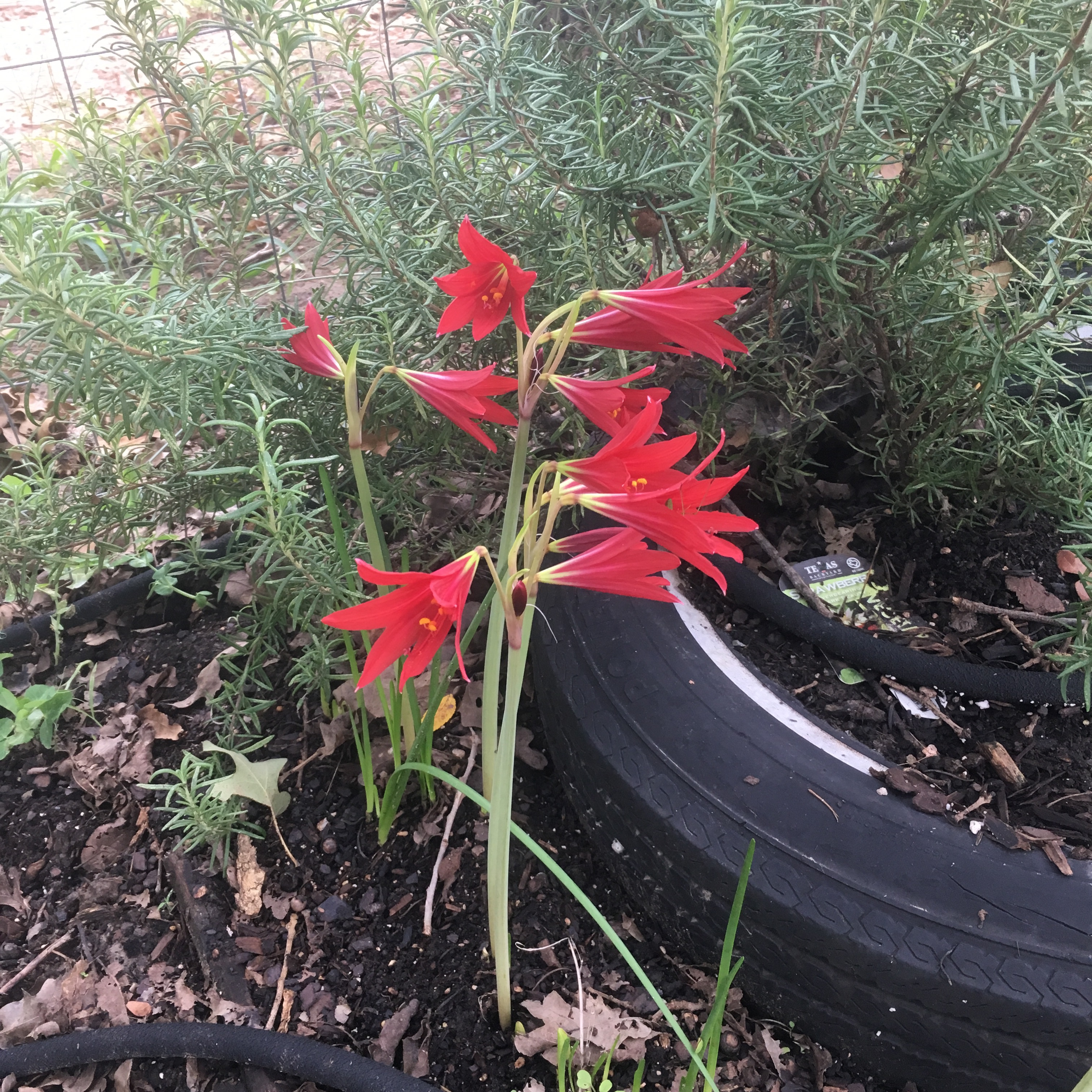
School house lilies

School house lilies

My school house lilies bloomed! I was pretty sure that I had killed them off when I wasn’t watering the area this summer (on accident). But they sprouted up from the bulb and flowered in just a few days – coordinating with the start of school. They are planted near my rosemary because I thought they were garlic chives. They stay because they seem to like it there.