I came across this wool processing video that is amazing. Good information, spectacular animation, and brief. Produced by the The Woolmark Company, it is worth the three minutes to watch.


I came across this wool processing video that is amazing. Good information, spectacular animation, and brief. Produced by the The Woolmark Company, it is worth the three minutes to watch.
The third sample of gifted Rambouillet wool in my stash was raw fleece, which means it came straight off the sheep and had not been scoured to remove most of the lanolin.

I scoured the wool with Amway LOC (taking a risk because this is fine wool, but the other scouring soap is on my wish list) at about 125 degrees F, letting it soak for 15 minutes in the same temperature water so the lanolin doesn’t redeposit.
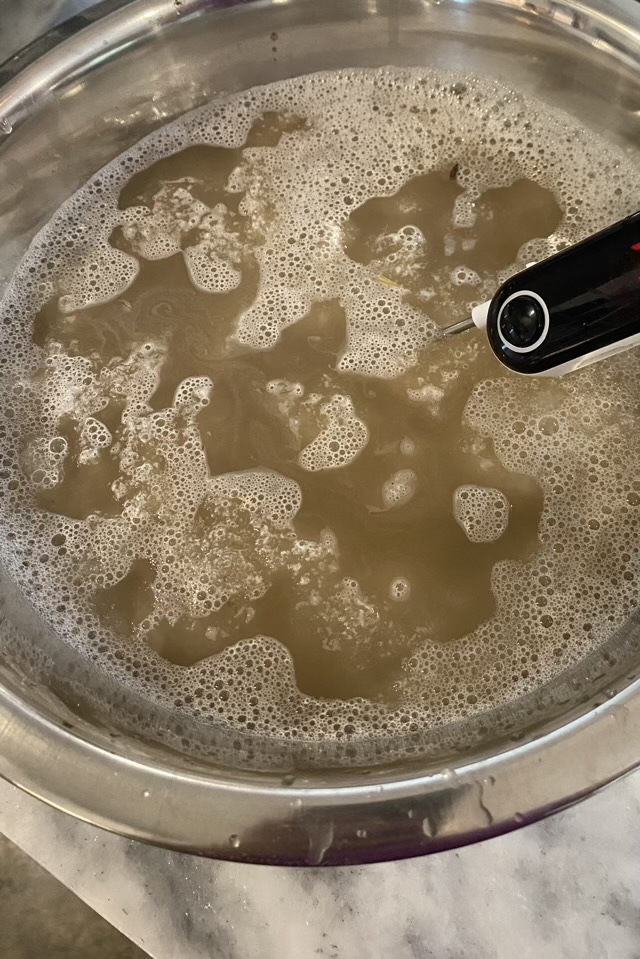
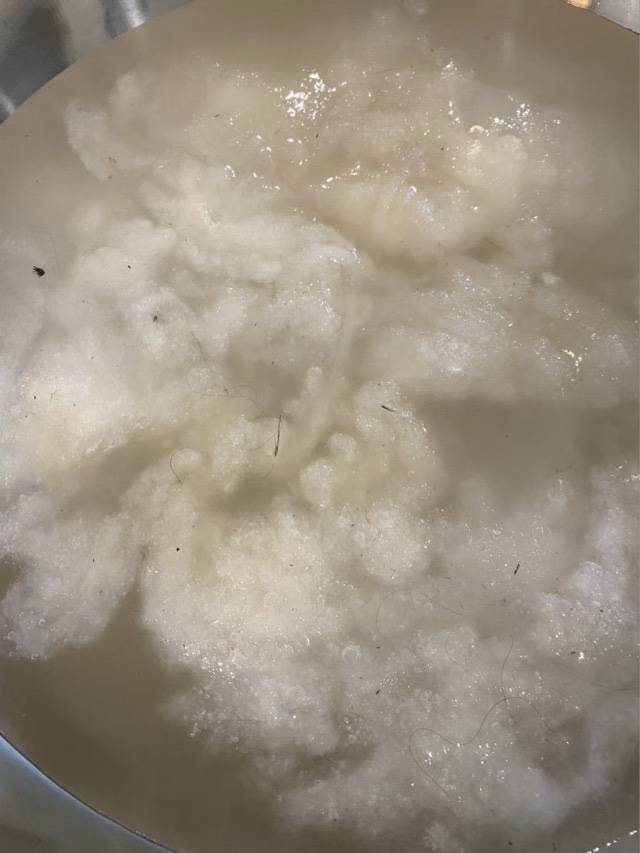
I sacrificed my salad spinner to the cause. I haven’t used it for salad in over two years, and it does a lovely job getting most of the water out of the rinsed fleece.
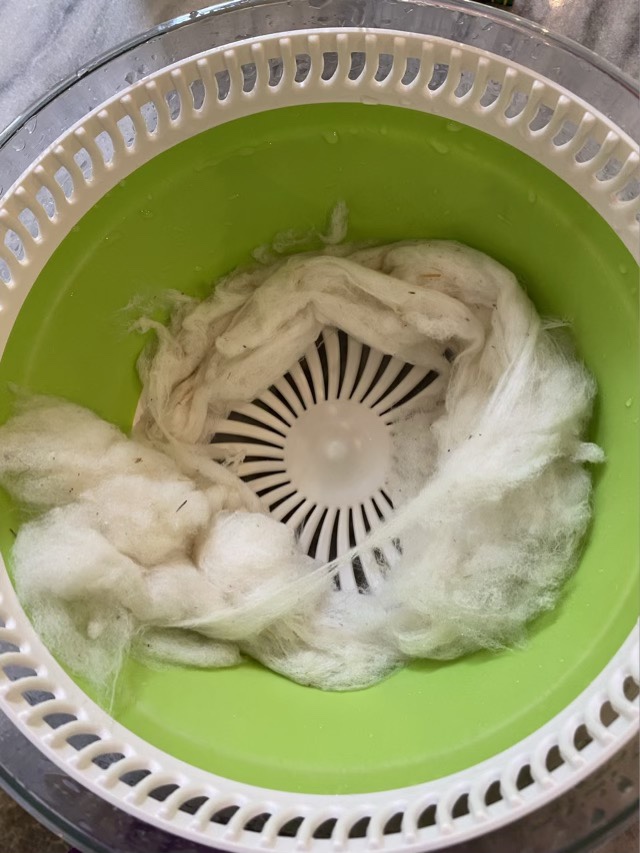
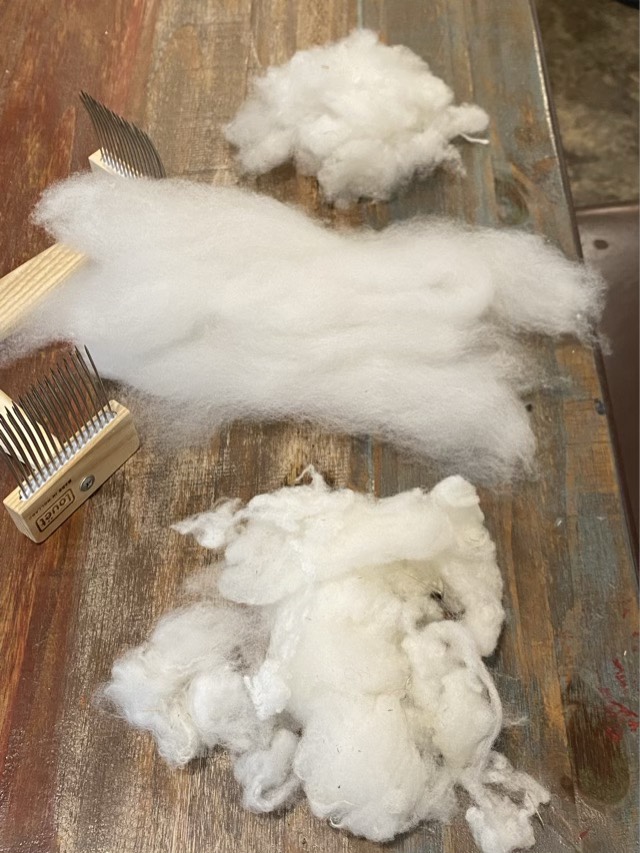
The fleece was dry in a few hours, and I was able to comb it in preparation for spinning. There is more waste when combing, but the waste contains the nepps and vegetable bits that are not desirable in spinning. I put the waste out in the compost bin.
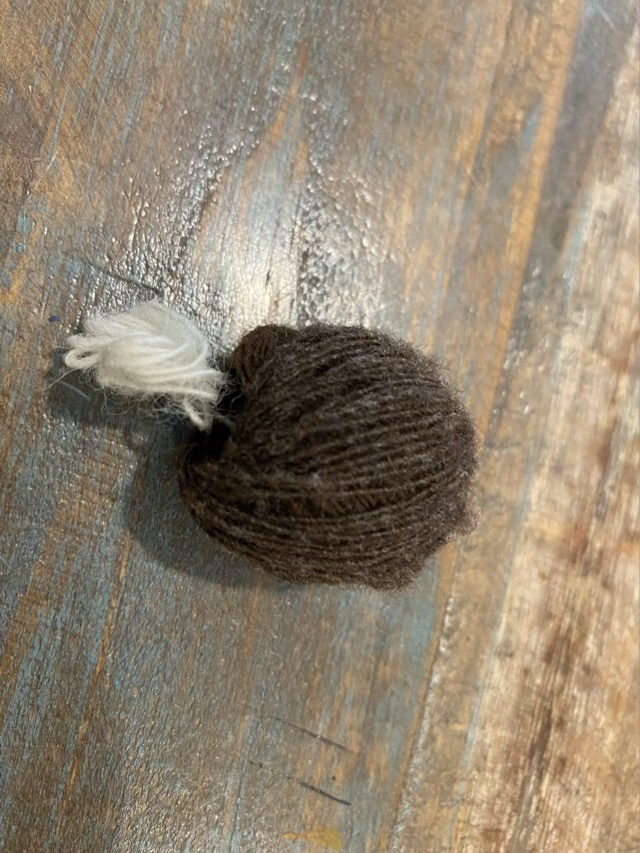
I spun this on my 3D printed spindle, drop spindle style, as I walked the neighborhood. It is even more lovely to spin than the commercially prepared roving. I’m rather falling for Rambouillet.

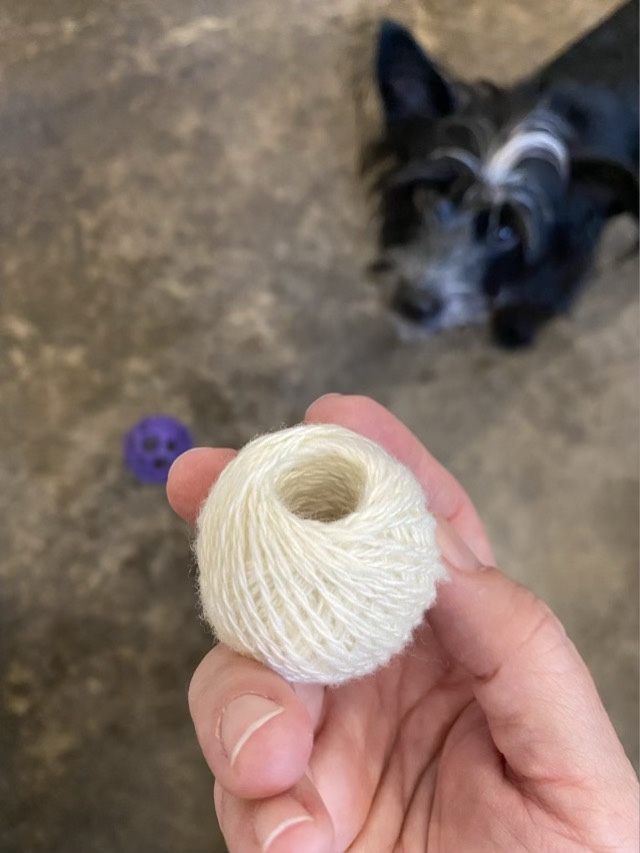
The second Rambouillet wool sample I have was already scoured, combed, and prepped into roving.
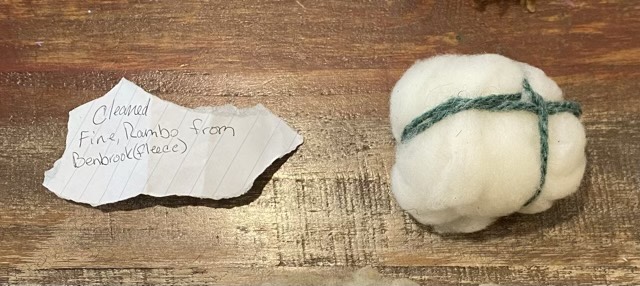
It also spun like a dream, with no waste and a cottony feel. I spun and plied this while walking in about an hour.


I was gifted samples of Rambouillet wool by a local spinner who also likes to encourage new spinners.

Getting started on this stash was precipitated by the acquisition of my wool combs. I love my mini Louet wool combs. They make such a nice preparation of the wool for spinning.
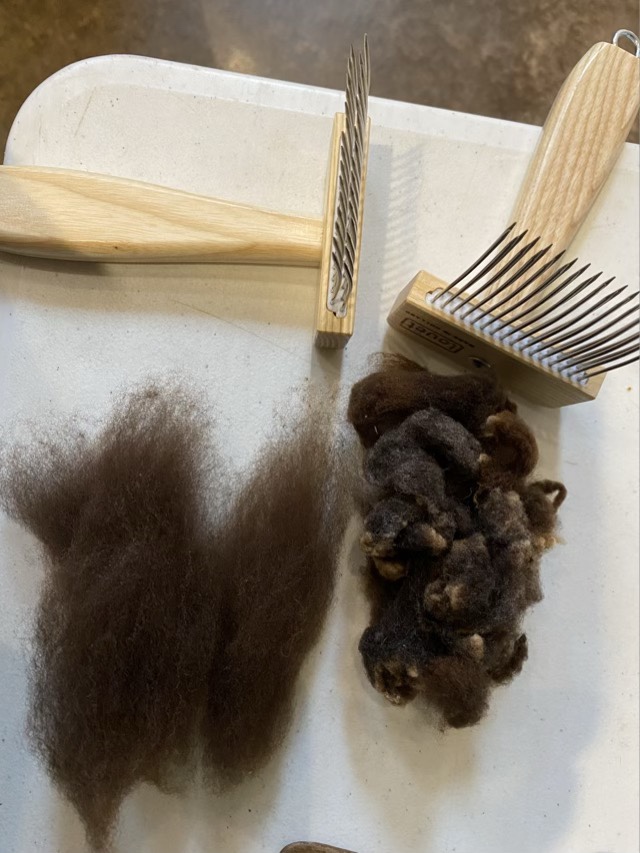
I spun the combed wool with my latest 3D printed spindle as I walked the neighborhood. Not only did the Rambouillet spin like a dream, my spindle didn’t break when I dropped it. Huzzah! I can give extra weight to my spindle by putting stone beads in the center cavity. To keep the beads from jumping out, I cap the space with a bit of wool. Easy to tuck in, easy to remove with a crochet hook.

I plied the single right after spinning, using the same spindle. I slid the cop of yarn off the spindle, found the center end and joined it with the outside end, then two plied the yarn with an opposite spin. The spindle performed admirably, and the yarn is lovely.
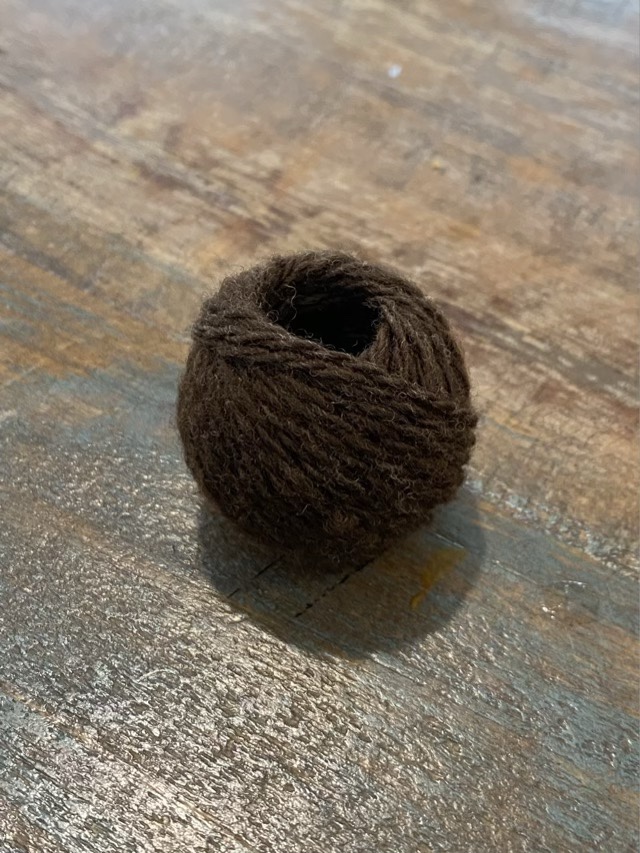
I’ve divided this post into parts because I have loads of information to share! I understand why two thirds of the sheep in the US are Rambouillet (Brittanica), it is cottony and fine and absolutely a pleasure to spin.
I have finished spinning the singles from my Clun Forest wool roving for the Shave ‘Em to Save ‘Em campaign by the Livestock Conservancy. I’ve been spinning this wool on a drop spindle during my walks through the neighborhood over the past two months.
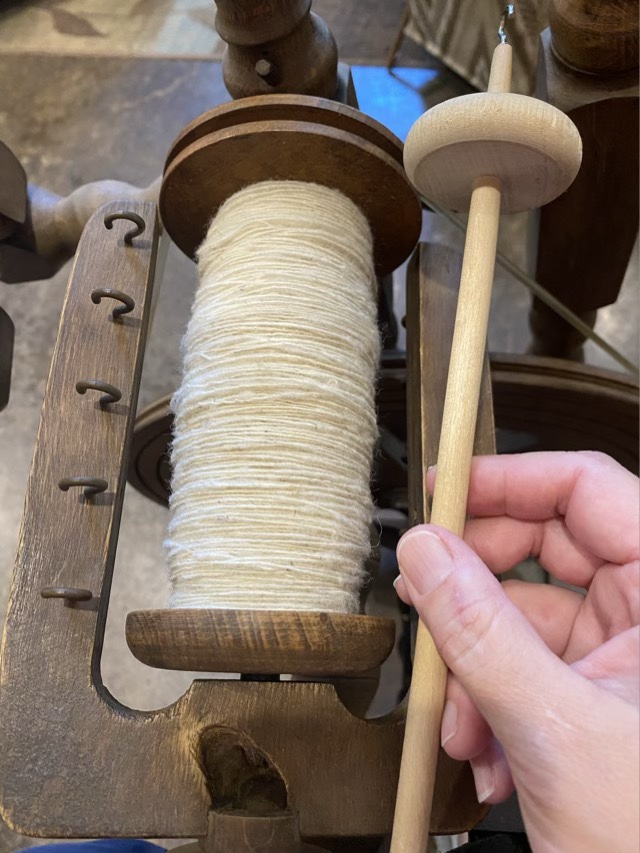
I decided to chain ply the singles to get the finished yarn mostly because I only had one bobbin available and I wanted a three ply yarn. The plying only took a couple hours, and made the yarn much fluffier.
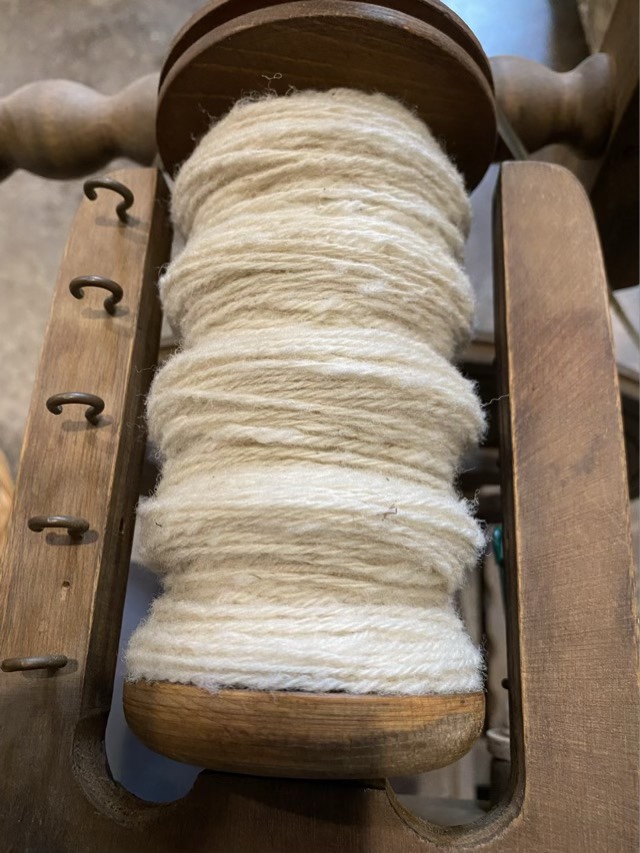
I’m still getting used to the spinning wheel, and the twist in the ply was inconsistent. To even it out some, I put out two chairs and wrapped the yarn around the backs of the chairs so the twist could travel. It worked well.
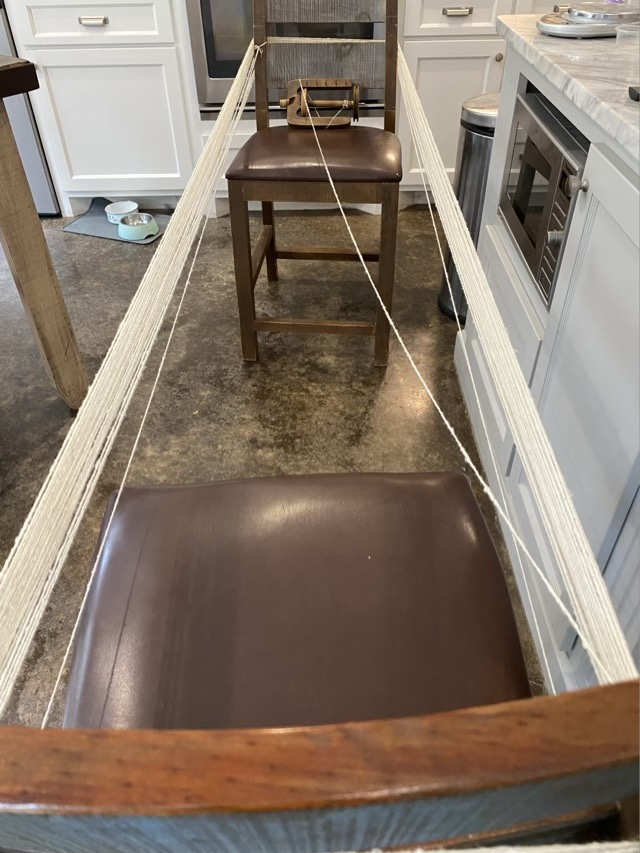
It was also easy to wind the yarn onto my niddy noddy from the chairs.
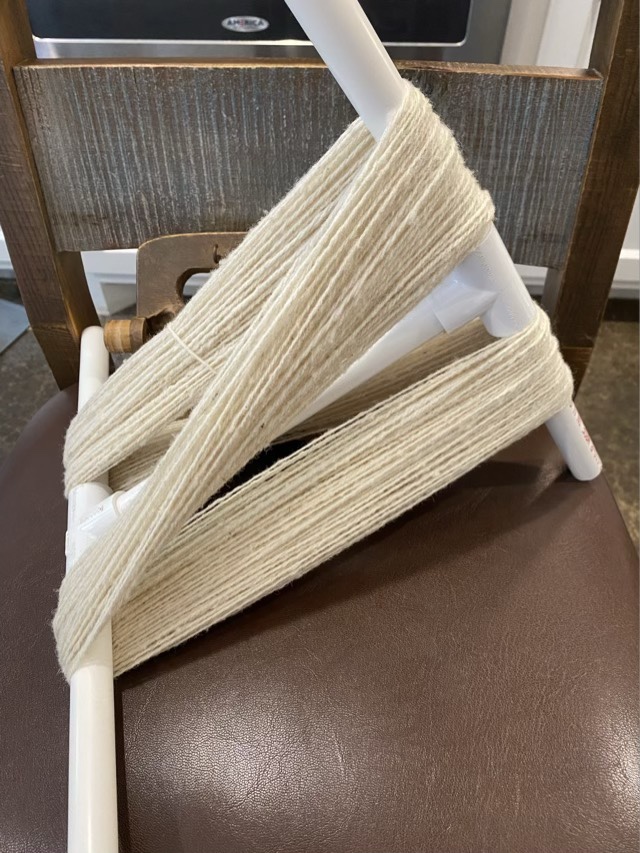
The next step is to wet the yarn to set the twist, then let it dry!

