Grape vine Nal

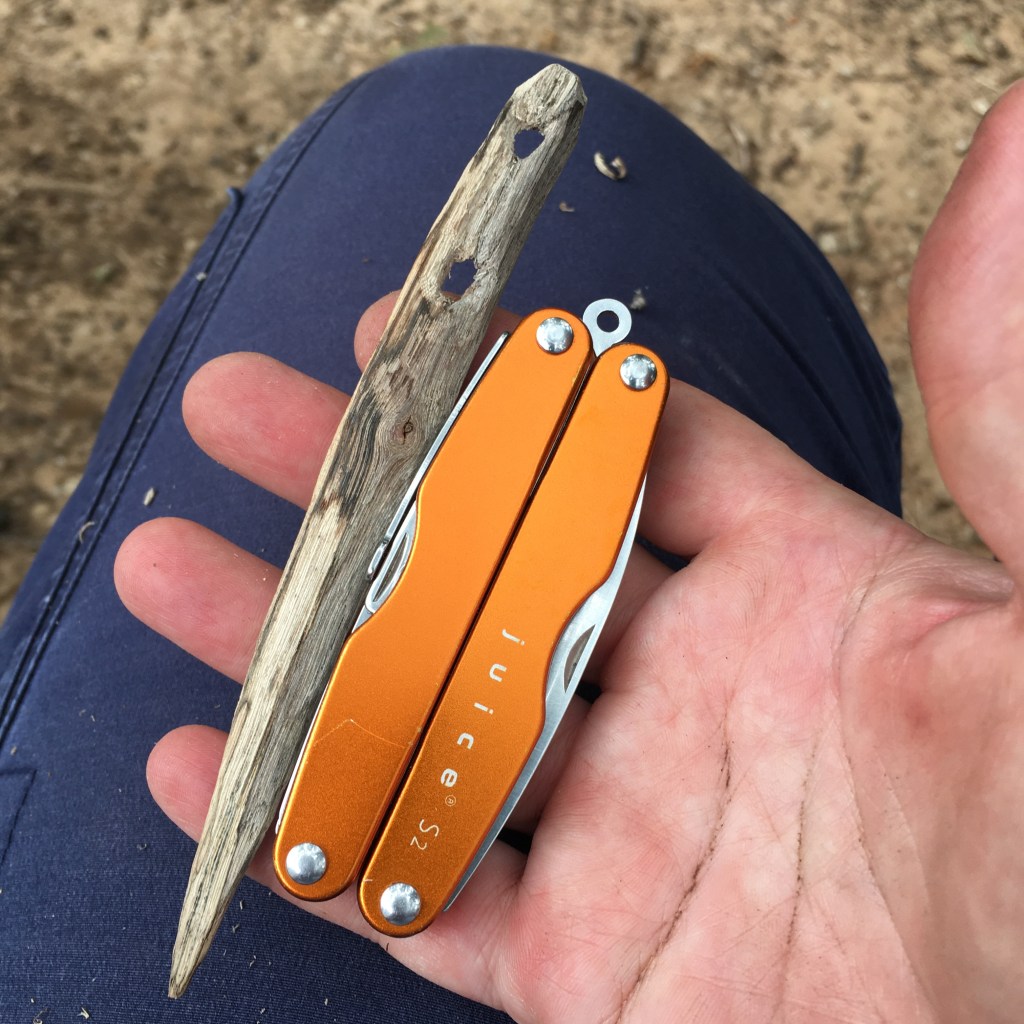
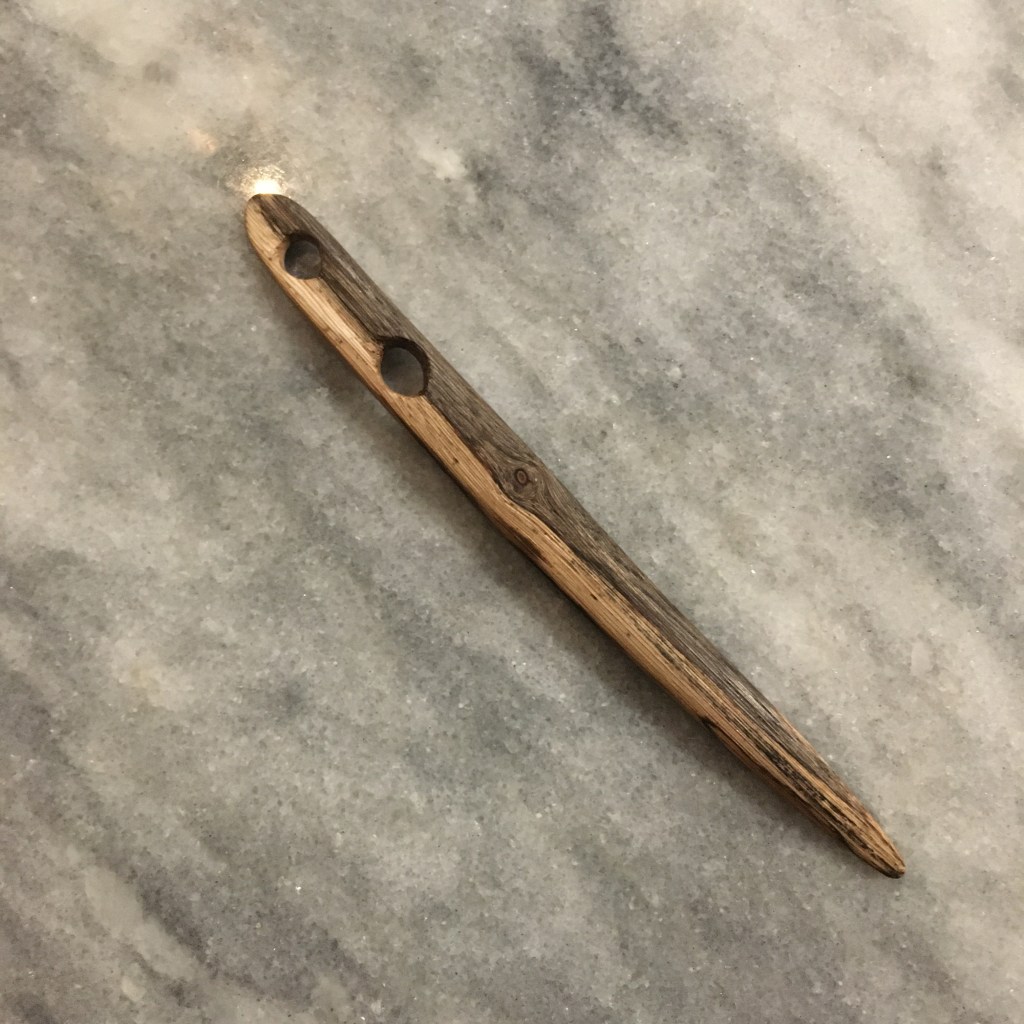
As we sat and watched the fire around the artist’s charcoal (see yesterday’s blog entry for more on that), I had extra lengths of grape vine stick, which happened to be a good length for a nålbinding nal. I had my pocket knife and decided to give carving a nal entirely by hand a try. Previously, I used a drill press for the holes, and a band sander for shaping. It was quite easy to carve the grape vine, and although it does have some flex, it is sturdy. I was able to carve out the eyes of the nal, which was the trickiest bit. I also added a channel along the eyes, which helps the loops of yarn pass through easily with the needle.

Grape vine nal, initial carving

After roughing out the shape with my knife, I took 120 grit sandpaper and refined the shape and the eyes. Then I used 220, 320, and finally 400 grit to smooth the wood. Rolling the sandpaper into a tight tube helped sand out the holes.

Nal sanded smooth

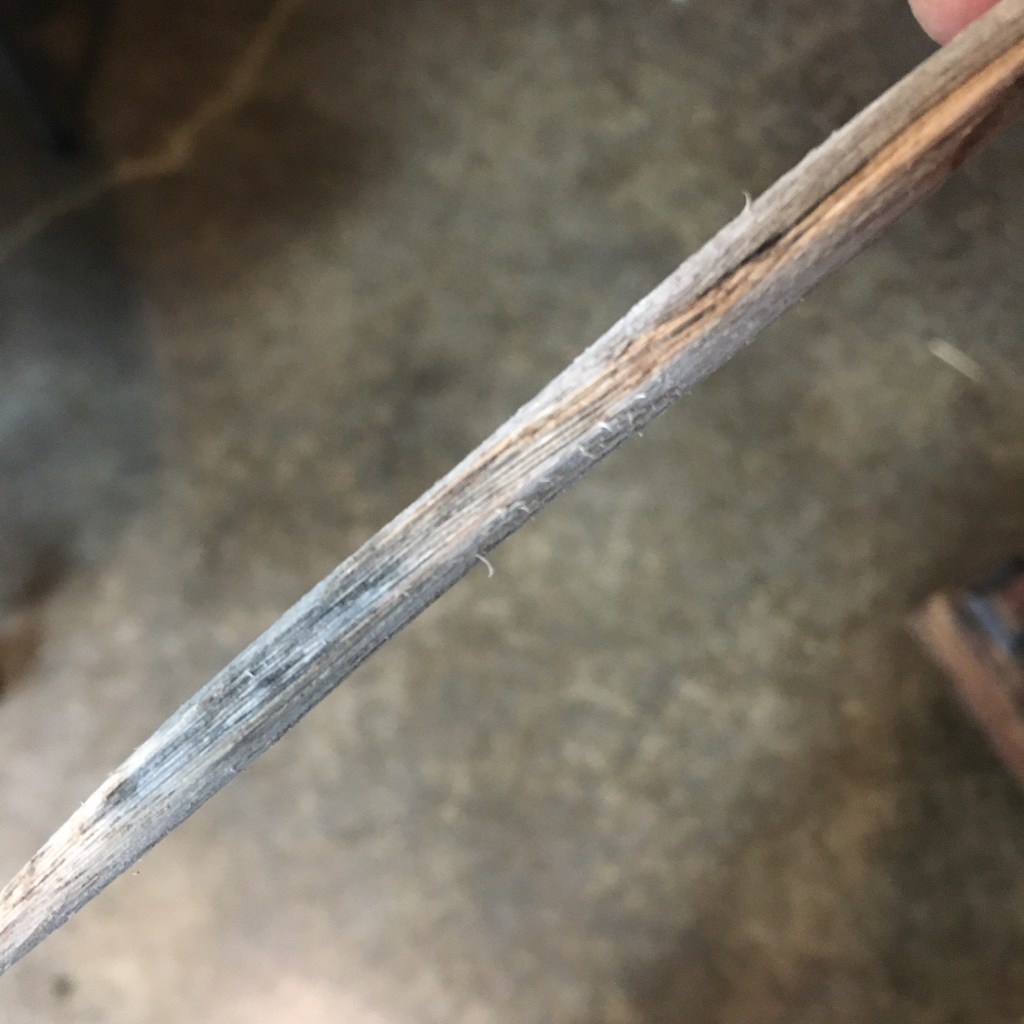
At this point I tested the nal with some scrap yarn and found that it had an unpleasant bump in the middle. I went back with the 120 grit and sanded out the lump, then smoothed it out again. To be sure I had all the wood fibers smooth, I ran the nal under water. This raises the fibers that want to raise, and is an important step in wood finishing, especially for hand tools. If this step is skipped, those fibers still raise, but do so when the sealant is applied. It is much easier to use water first. When the nal dried, I sanded again with 400 grit. It needed it! I repeated the water treatment, then I had a nice smooth nal.

Raised wood fibers after rinsing with water

I usually leave my nals uncoated, letting the natural oils of the yarn and my hands condition the wood. Since the grape vine had so much raised fiber after the water treatment, I decided to apply a couple coats of teak oil to seal the nal.

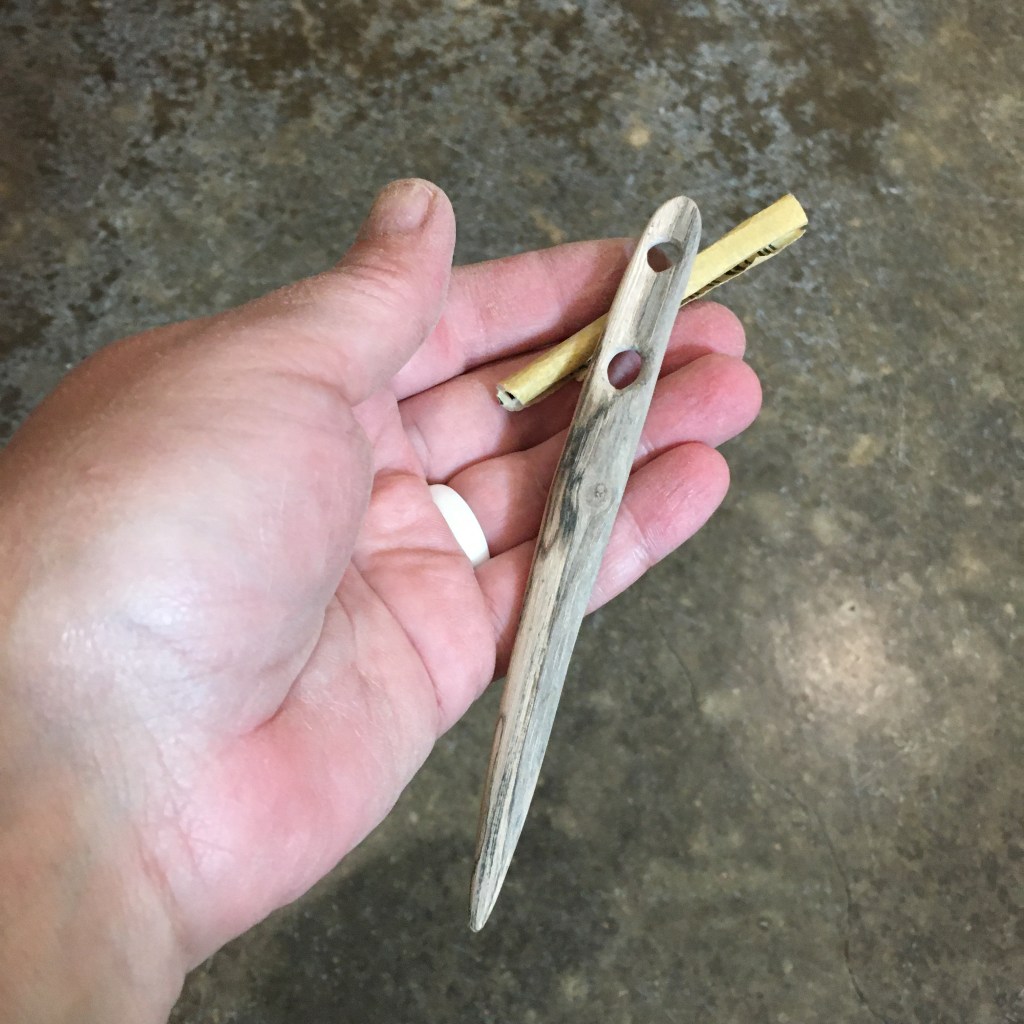
Finished nal

The love the light and dark color of the wood and the slight curve!

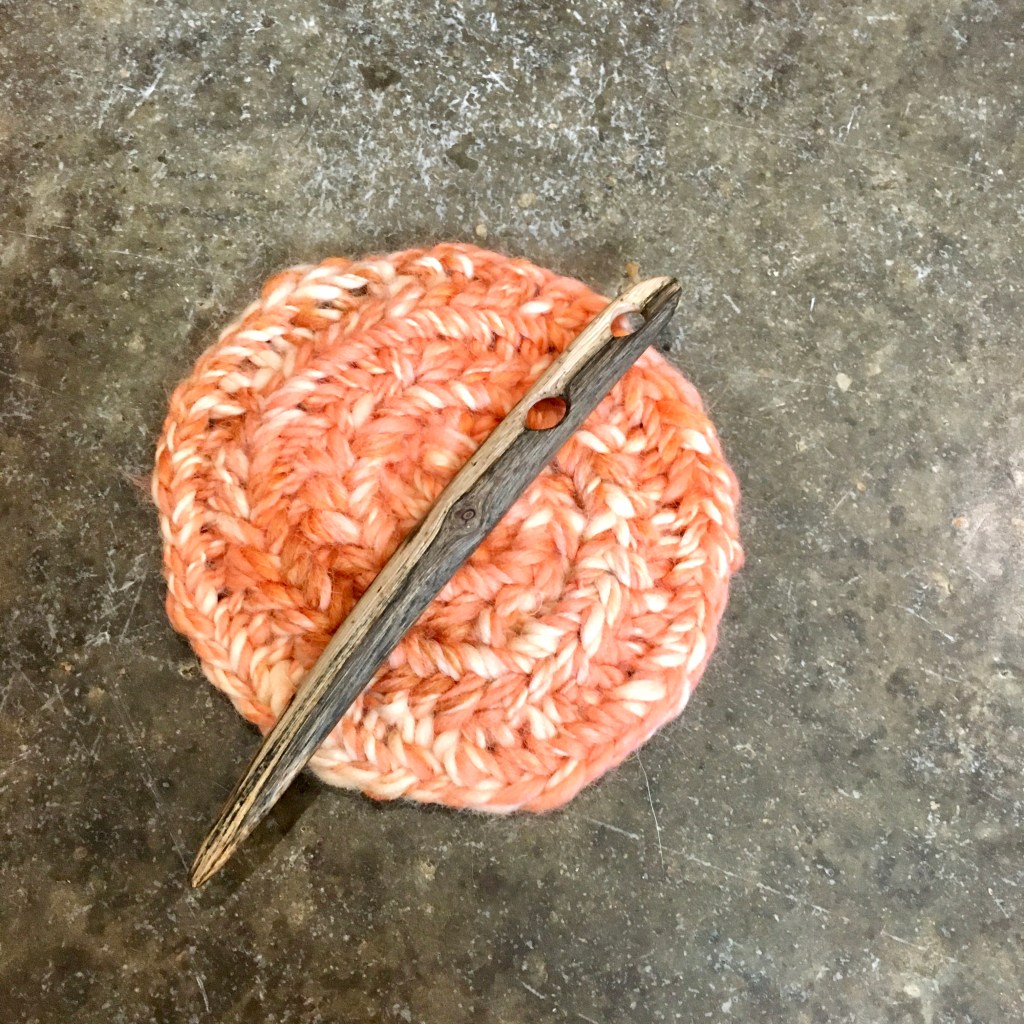
Test round with hand spun merino wool and grape vine nal, Mammen stitch

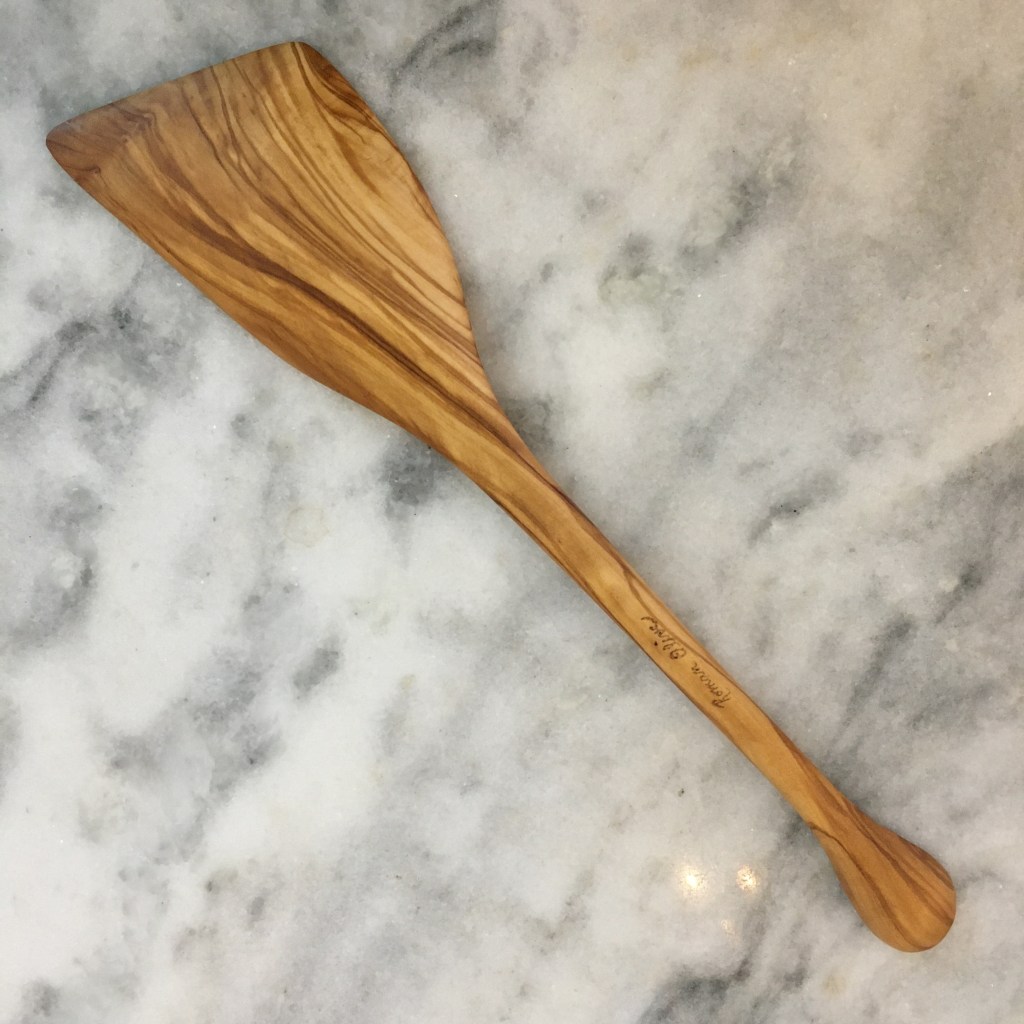
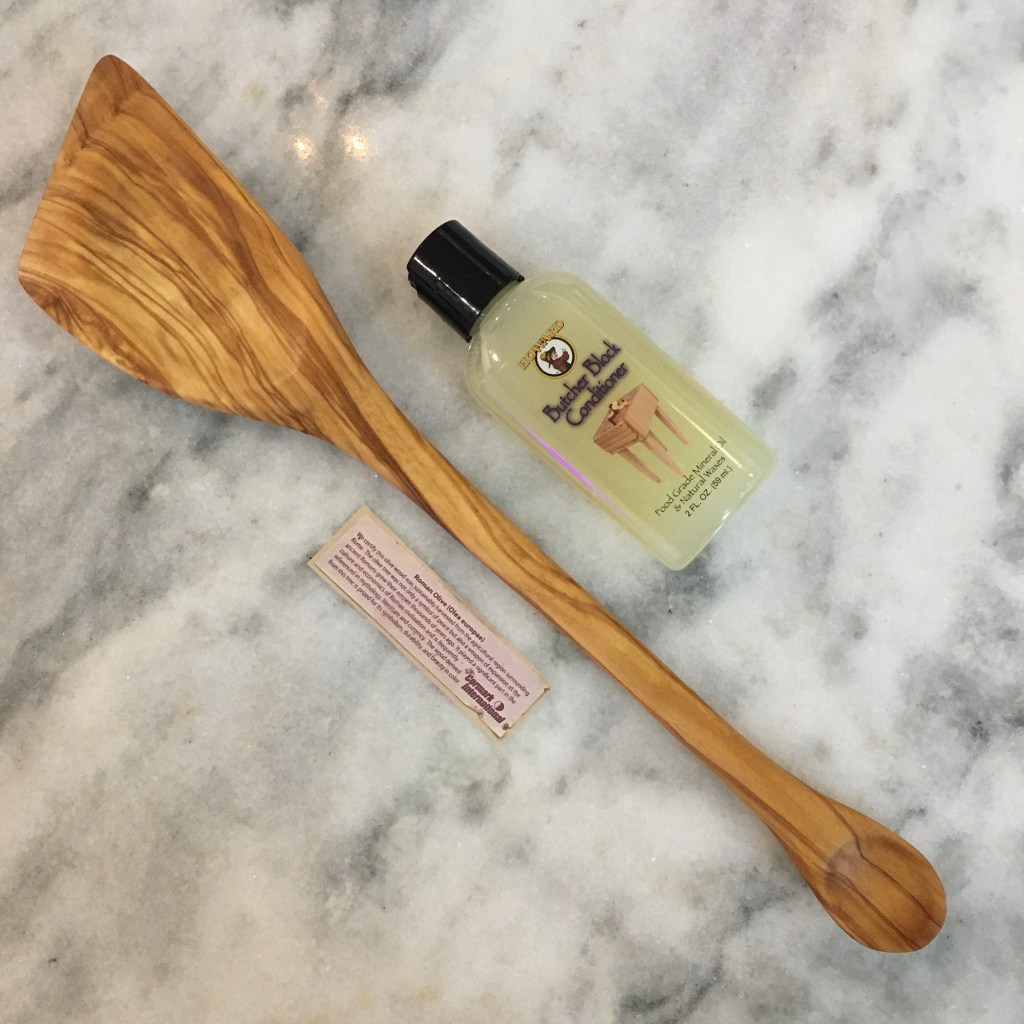
Roman Olive Roux Spoon

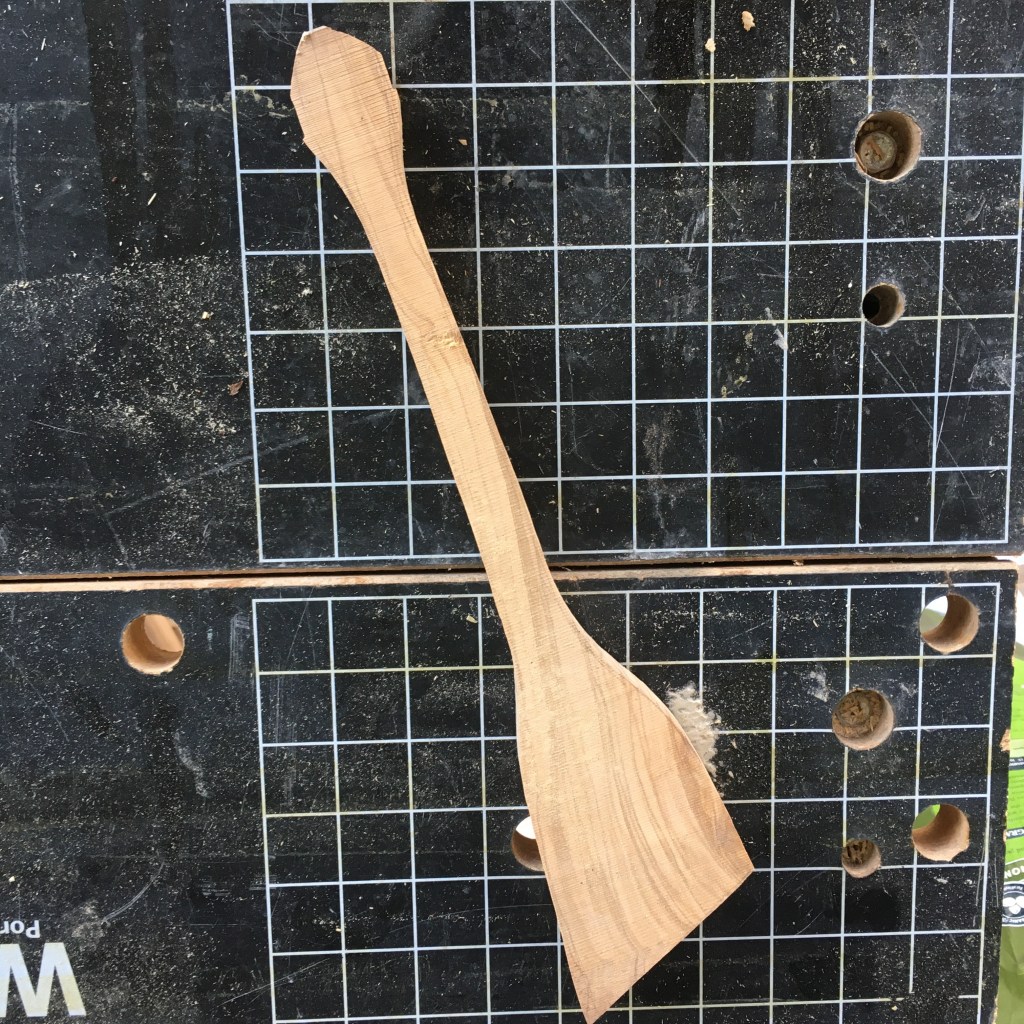
I have been saving a bit of my special Roman Olive wood to make something special for my sister who loves Italy. Not a regular spoon, not a spatula, how about a roux spoon? With a taster spoon on the handle? Ok!

Basic shape cut using a band saw
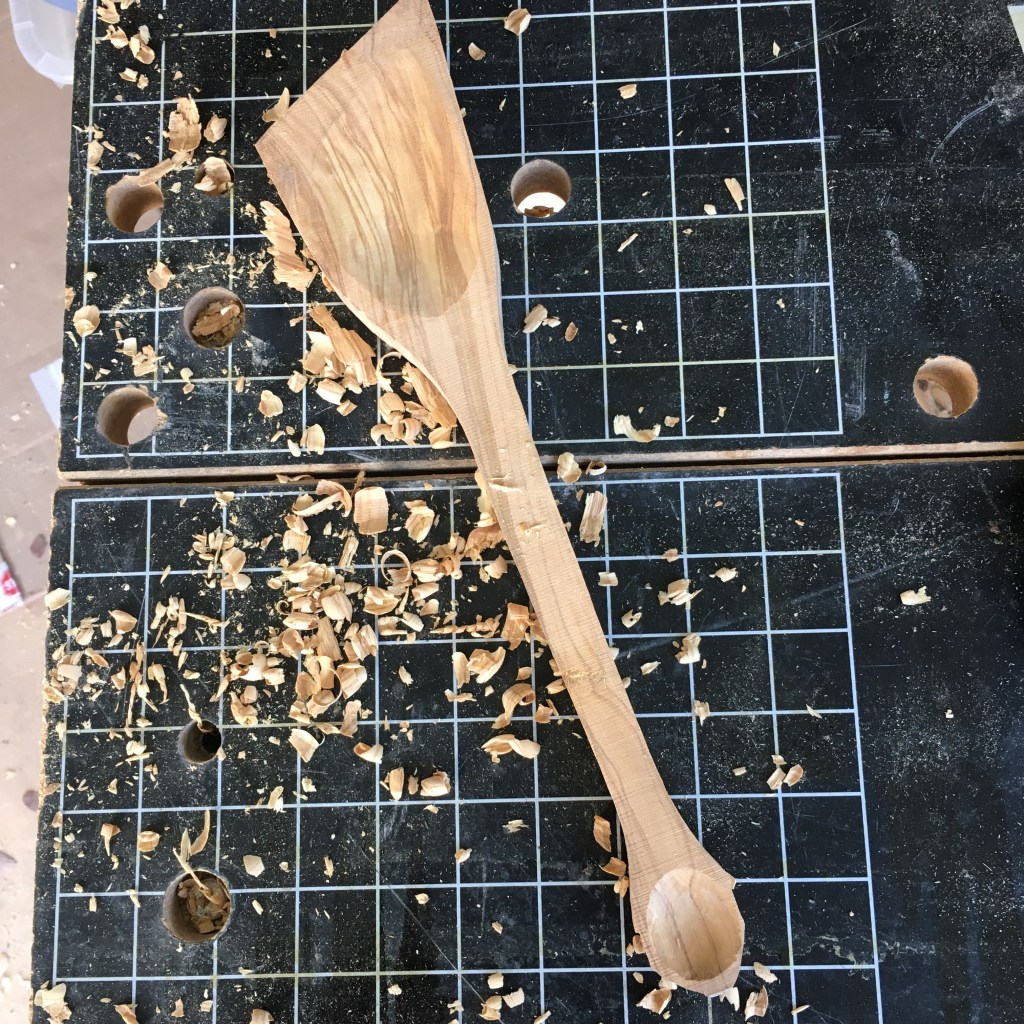
Hollows in the ends made with chisels and a spoon knife
Refined the form with a band sander
Form refined further by hand sanding to 400 grit, then sealed with Butcher Block Conditioner
Finished roux spoon!

New Nal

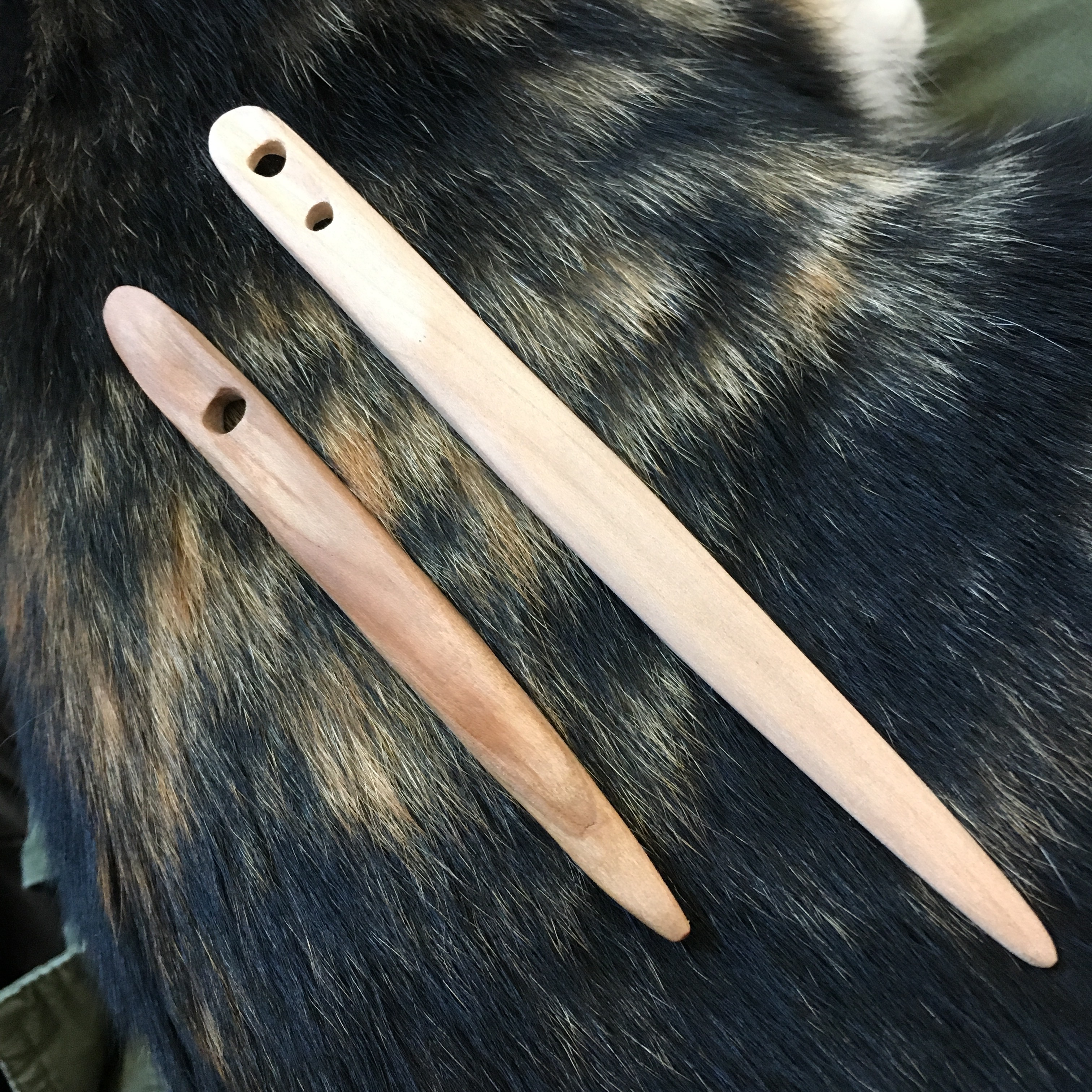
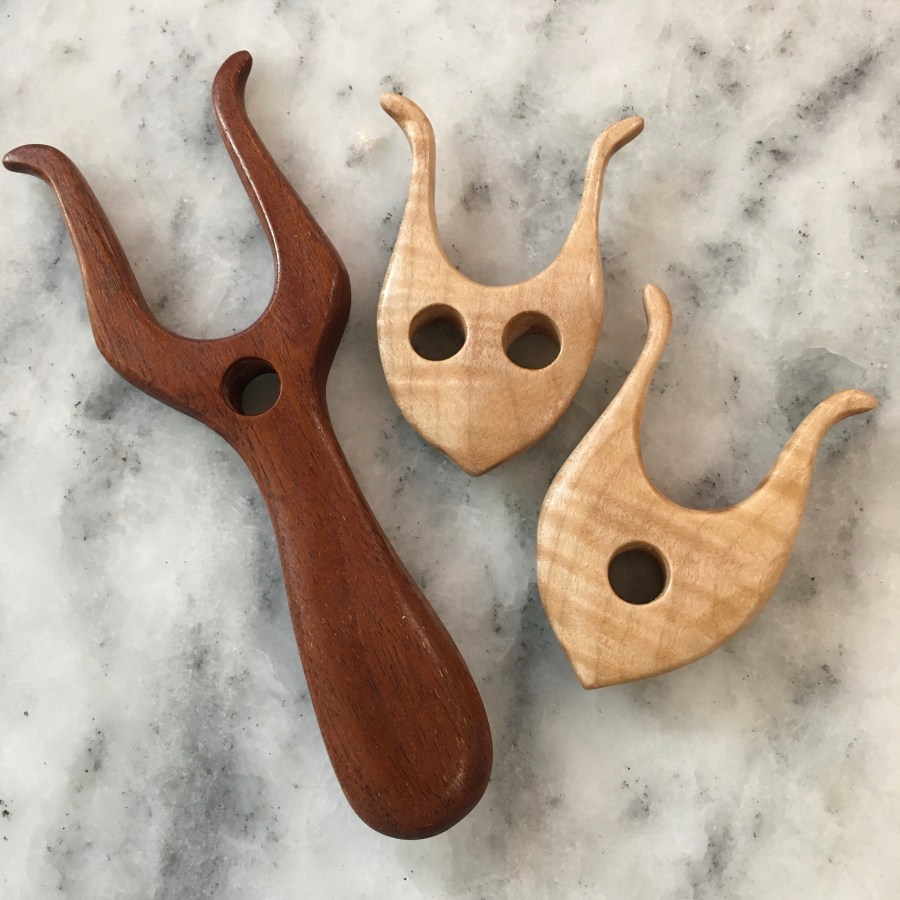
Hand made nals for nål binding both from cherry wood. One on the left has been used, one on the right has not.

I made myself a new nal for nålbinding; a little longer and with two holes so I can work with longer lengths of yarn. I thought it was interesting that the previous nal darkened so much after just two projects. I made them both from cherry wood, both from scraps from the same plank.

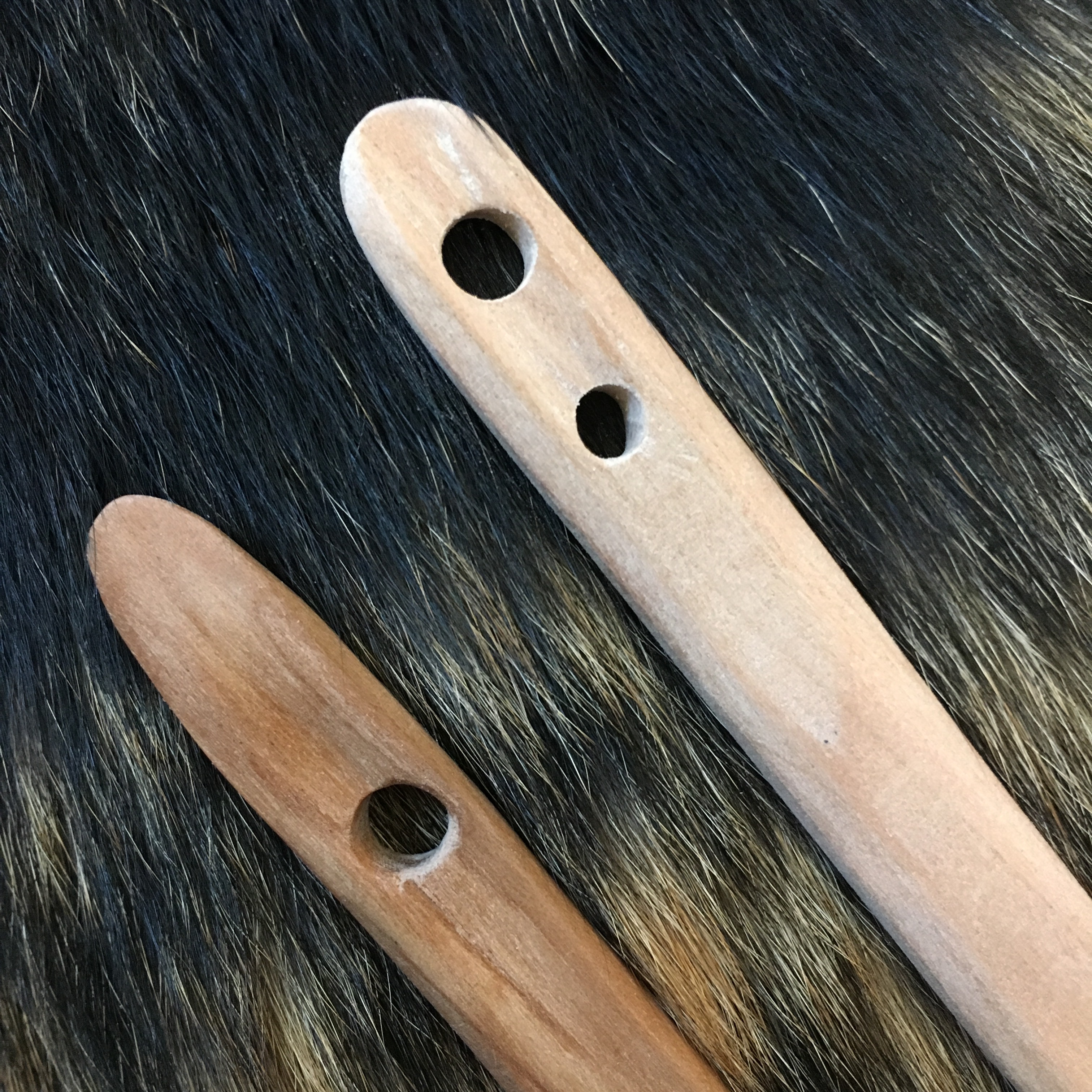
Hollowed out eyes, to better allow yarn to pass through the work

I saw another crafter with a nal that had been hollowed out behind the eyes. I like that this helps the yarn pass through the loops better, so I used a small gouge to do that to my nals as well.

Yes. I took the pictures on my calico. She was handy.

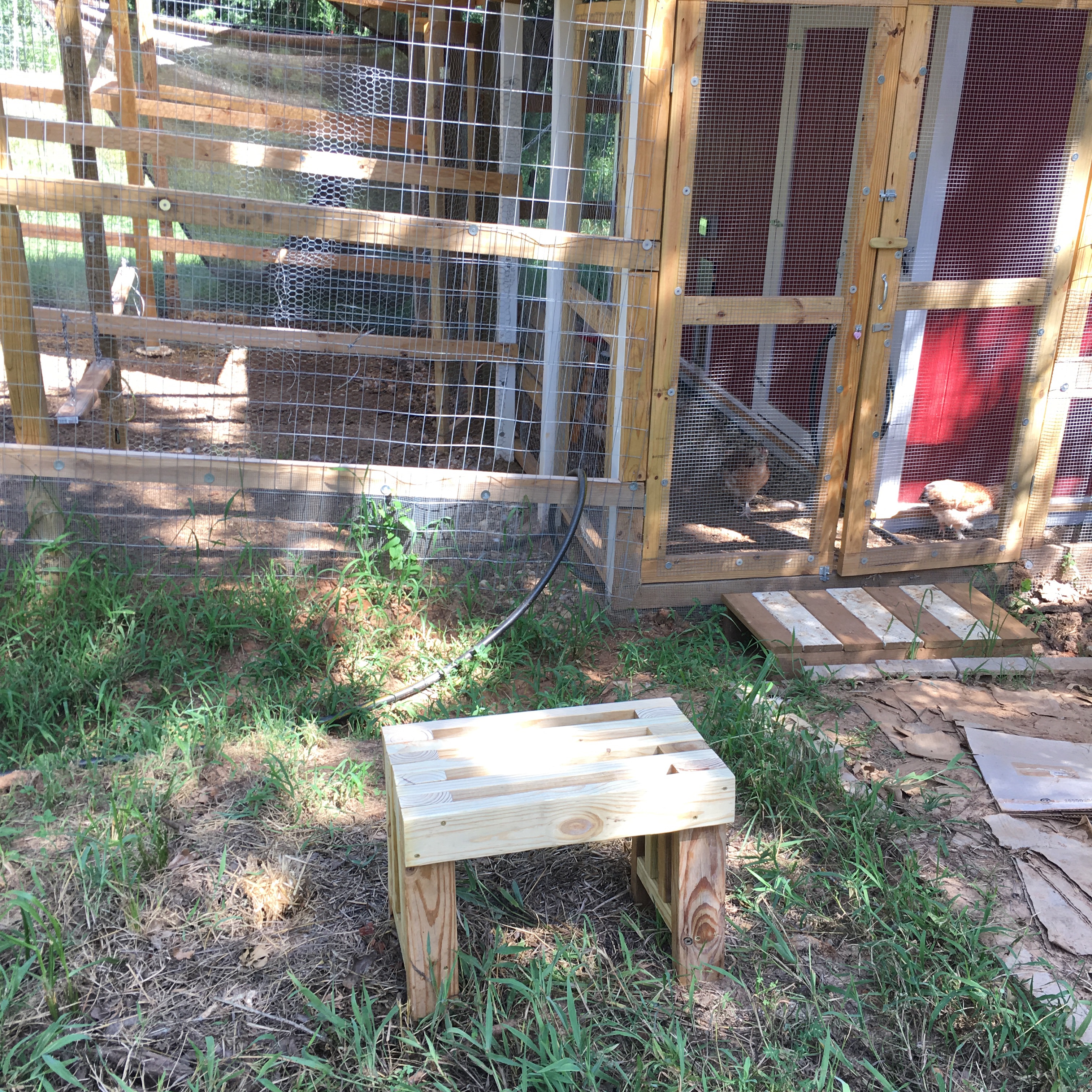
2×4 scrap seat

The chickens are still a little overwhelming for my youngest, and sitting on one of the benches inside is still too much. So I started to think about a way to make her a bench so she could sit outside the runs and watch the chickens. (We are all about little steps.)

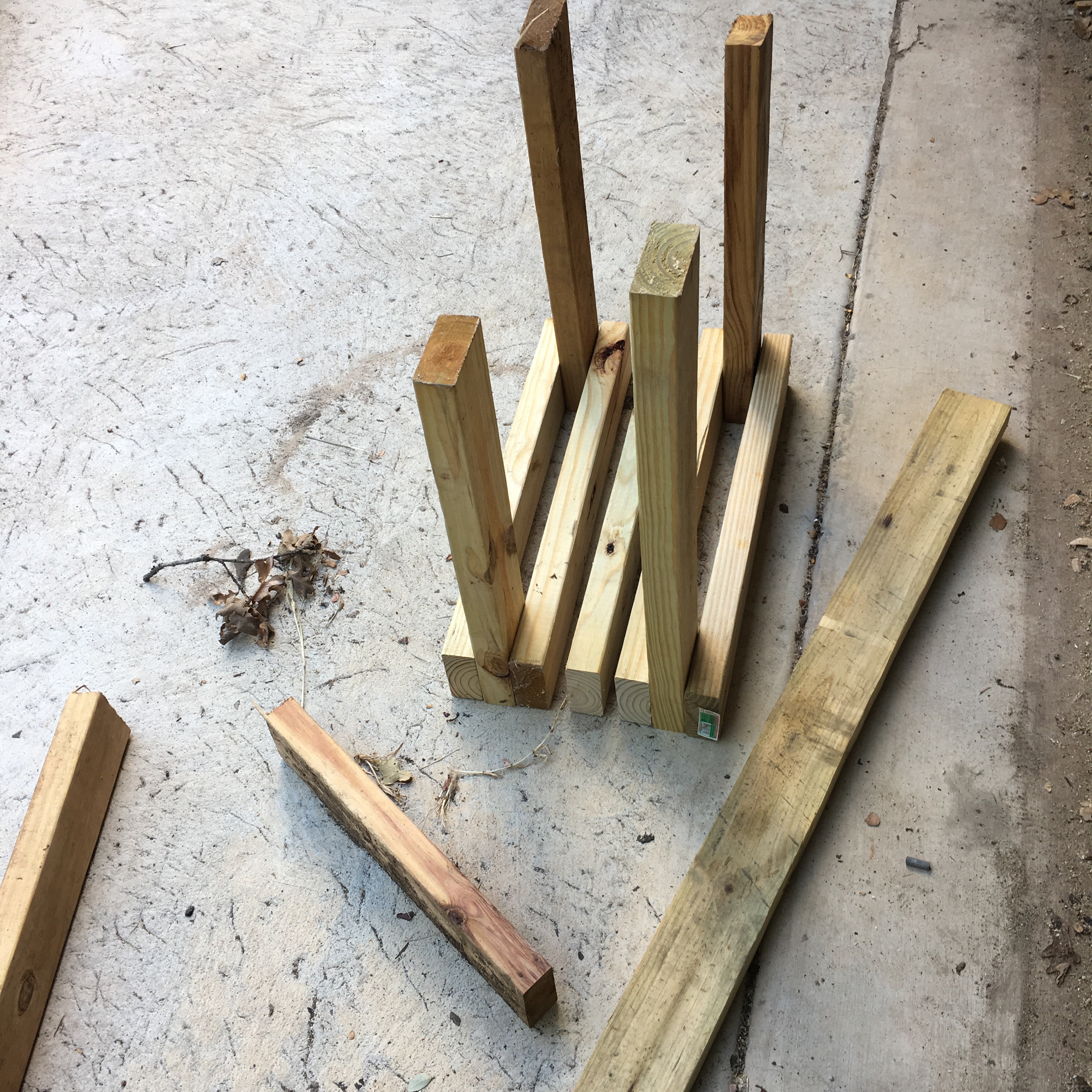
Test layout with scrap 2x4s

I found a pin on Pinterest that I liked (https://www.hometalk.com/40795802/outdoor-2×4-bench). I actually had enough scrap treated 2x4s to make a single seat! No purchase necessary.

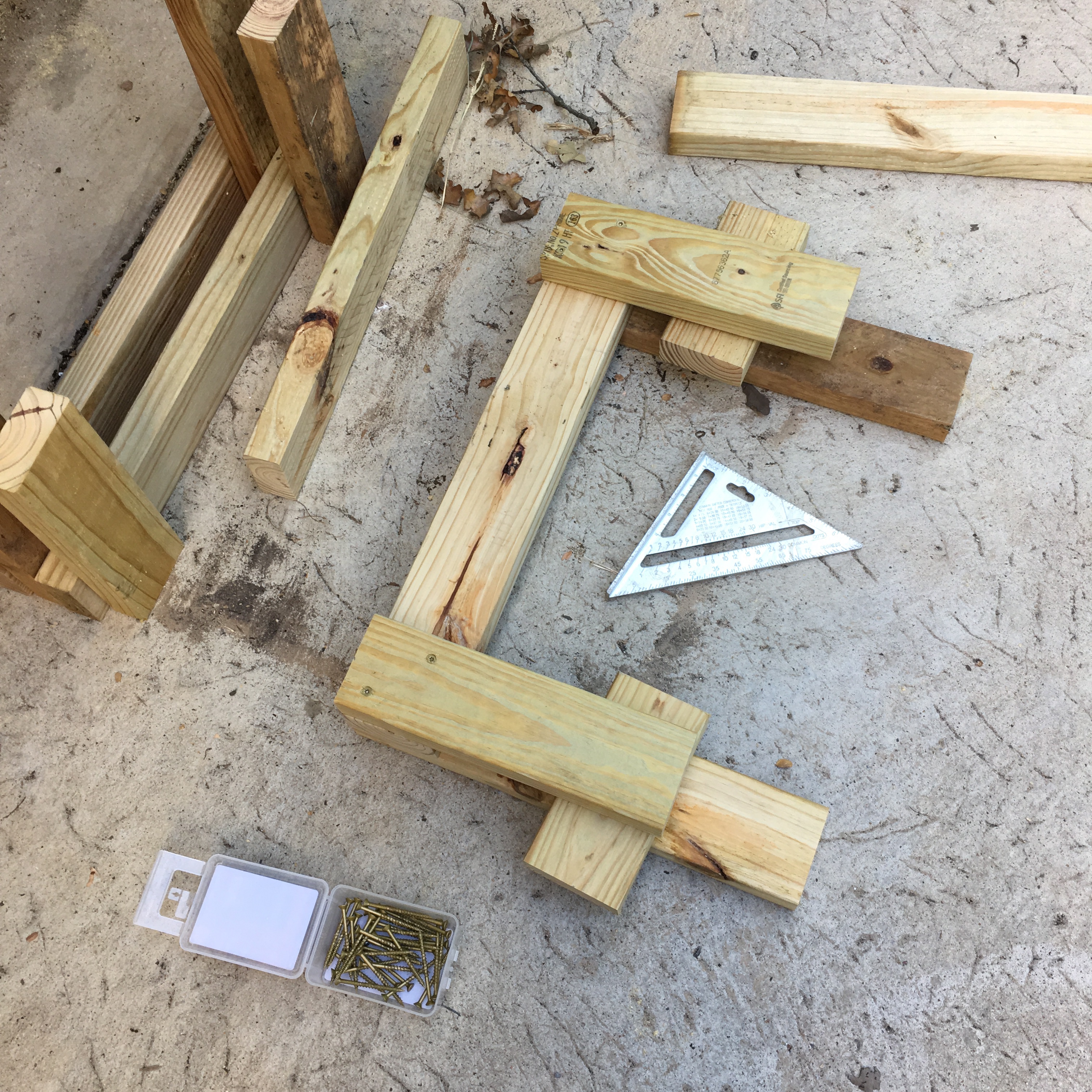
Assembling the bench

The size of the bench was determined by the size of my scrap. I measured out everything and cut it (I recommend cutting the cross pieces on the legs after assembling everything else; the dimensions changed after I screwed it together). I then used 2 1/2” self-tapping screws to join the pieces, checking square for each leg piece.

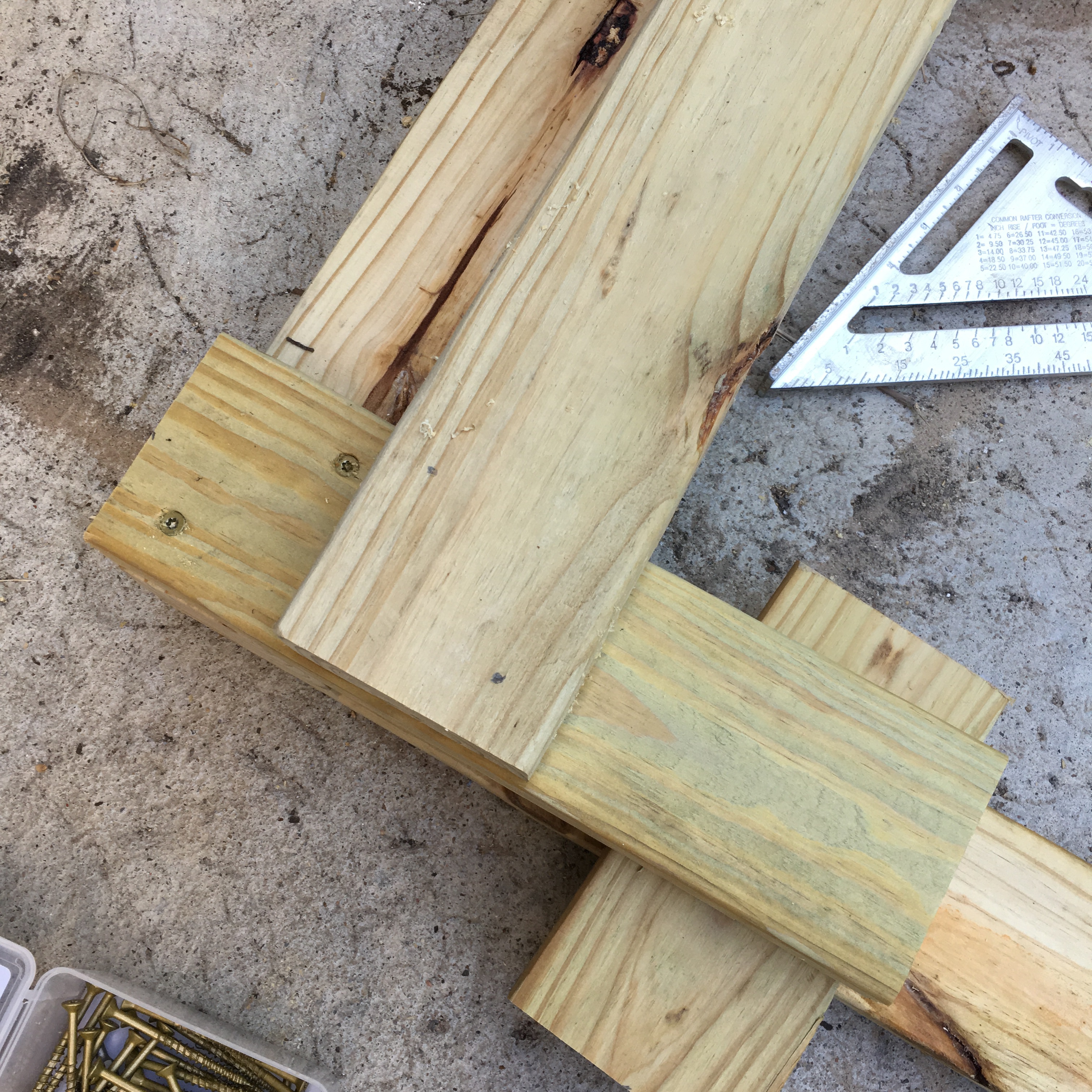
I marked opposite corners for screws

I used opposite corners for each piece as I assembled so I wouldn’t accidentally run one screw into another. I also used more scrap to support the leg pieces as I assembled.

Assembled seat

After the seat was assembled, I sanded surfaces and the edges.

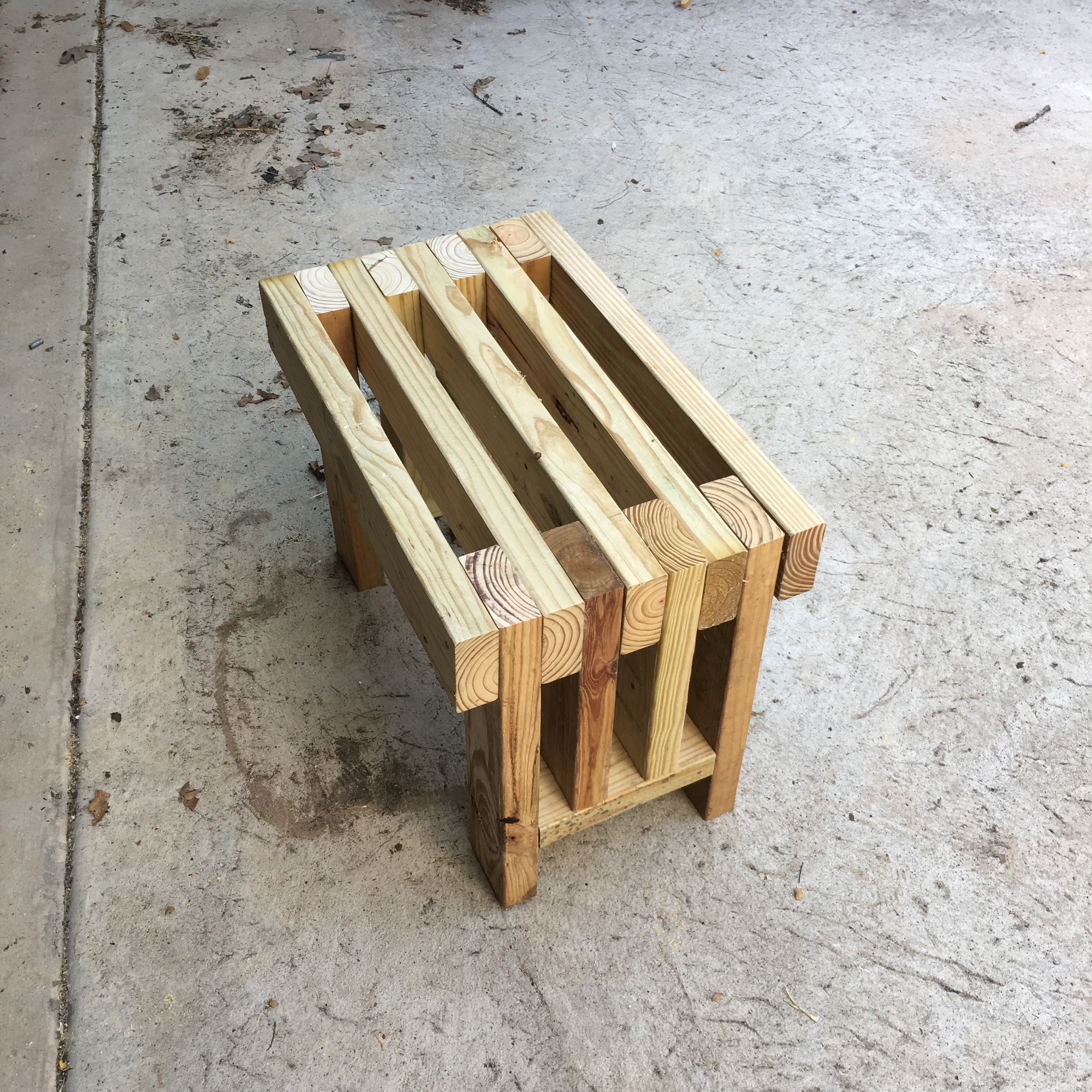
Completed seat ready for chicken watching

I quite like the little seat, and where it is sitting. I think surrounding it with mint plants might be in the future. I already have one chocolate mint plant out there. Sight and smell therapy.

Apple spoon

Here is another apple wood spoon, but with an apple tree design wood burned into the handle. I’m really enjoying making these utensils!