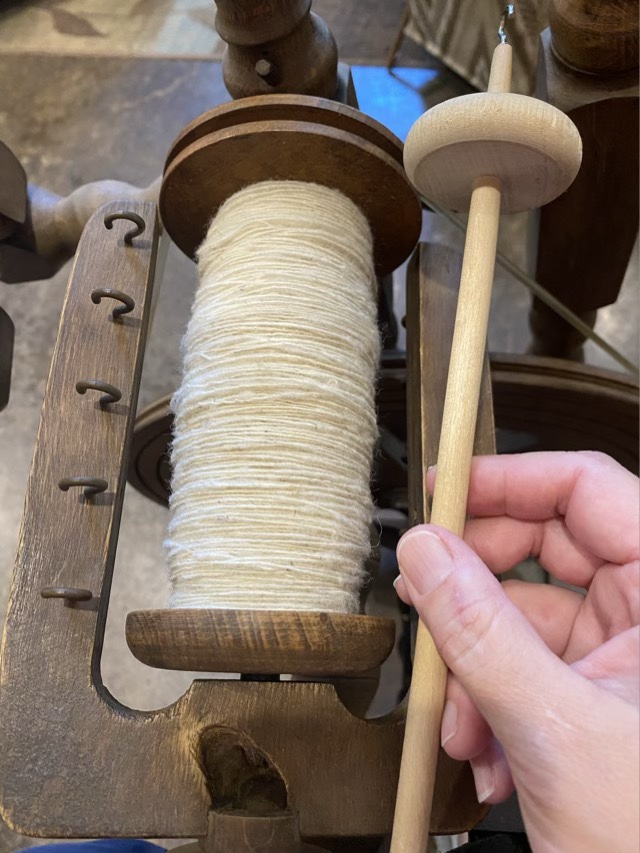
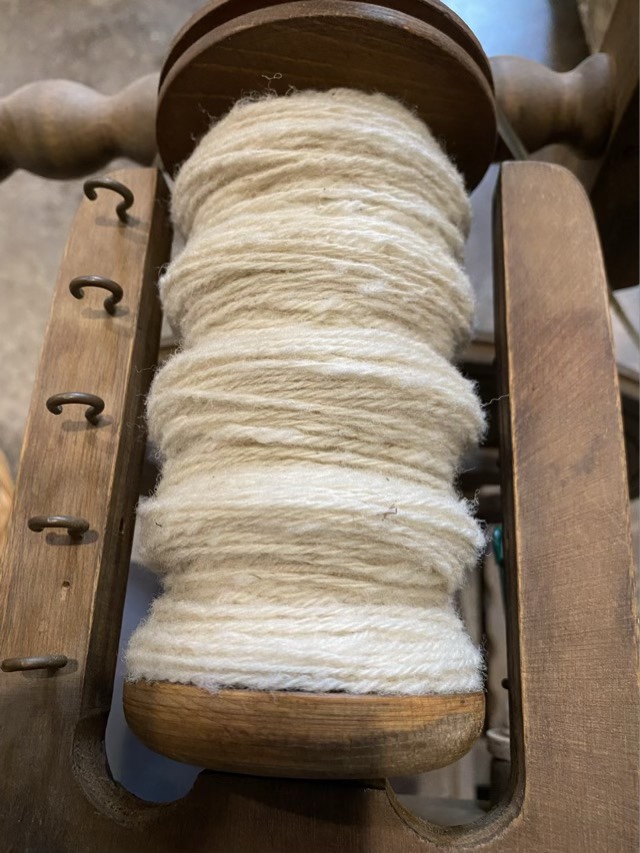
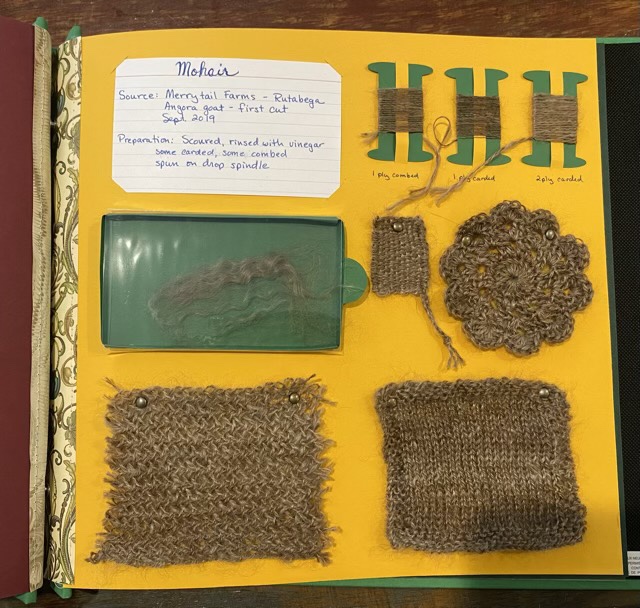
I finished my spun mohair fiber page. This mohair is from Rutabaga the Angora goat and is from her first shearing.

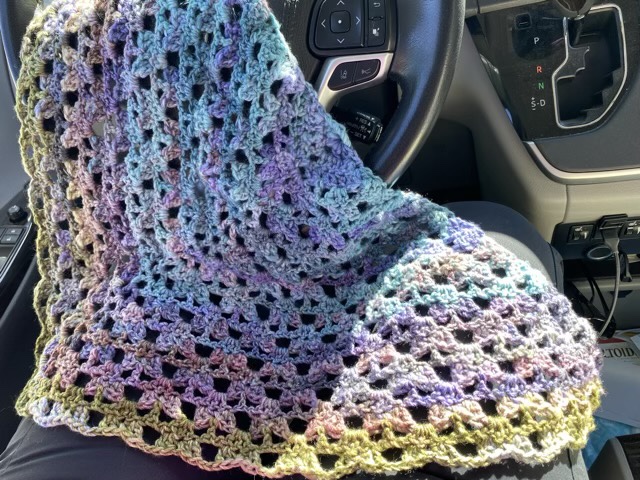
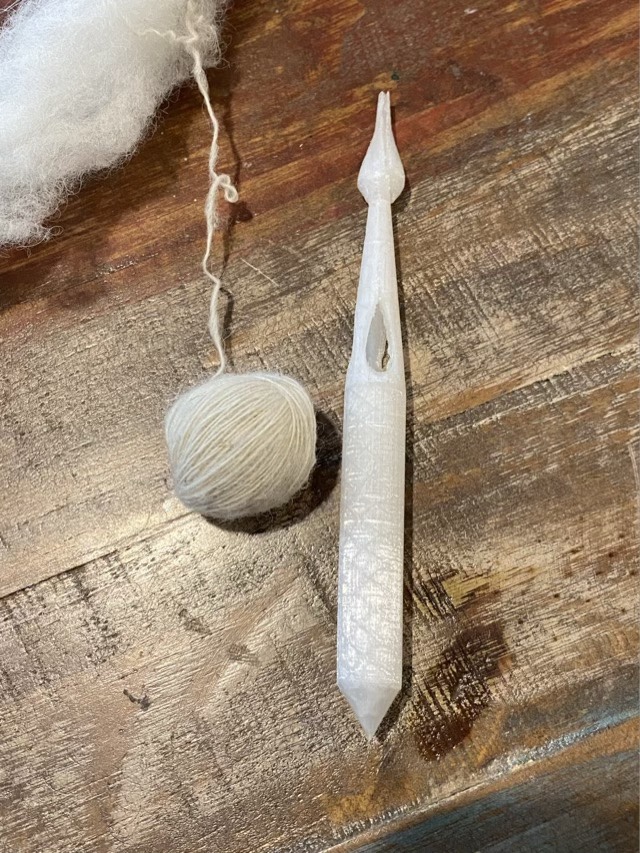
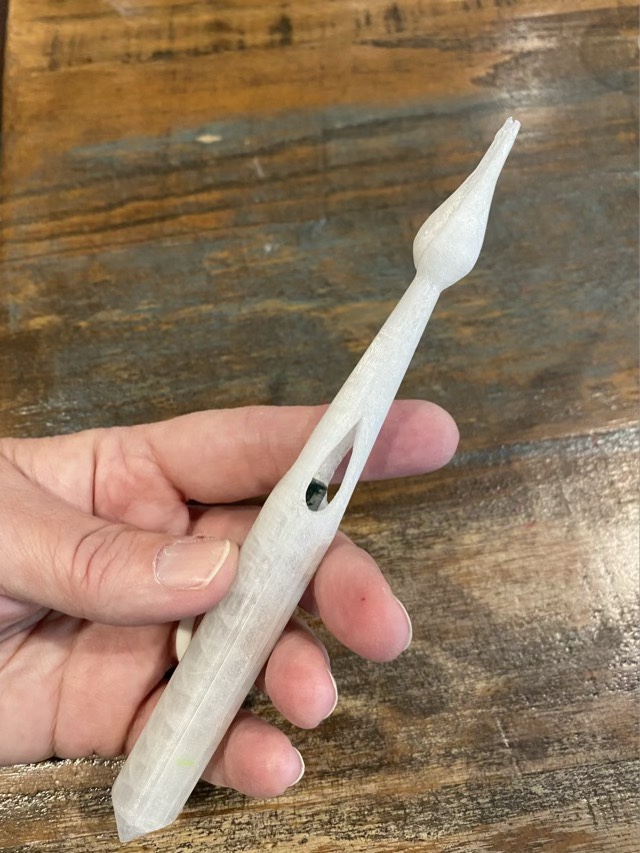
I did a knitting swatch in stockinette stitch with a garter stitch border, crochet round, a minute weaver, and a nålbound swatch.

I finished my spun mohair fiber page. This mohair is from Rutabaga the Angora goat and is from her first shearing.

I did a knitting swatch in stockinette stitch with a garter stitch border, crochet round, a minute weaver, and a nålbound swatch.

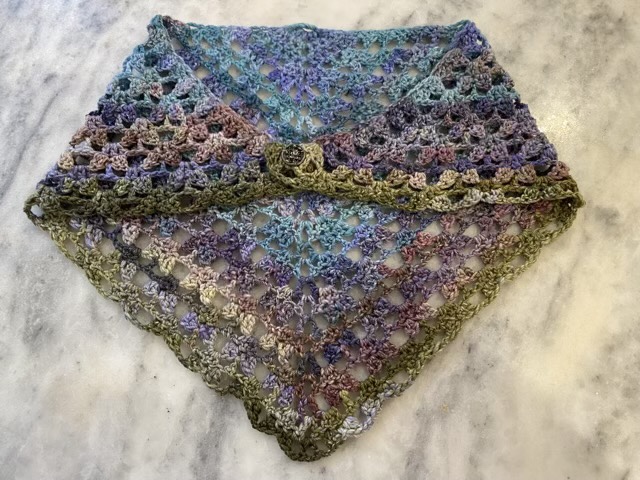
I am calling this my waiting shawl, since I knitted it while waiting. Waiting in the car rider line, waiting in the doctor’s office, waiting in the parking lot. It feels like I’ve been waiting forever, but I’ve only been knitting for six months. I started spinning the fiber over a year ago, though. So. This is made from fiber from Sugar Plum the alpaca, washed, carded, and hand-spun with a drop spindle and some on my upcycled bicycle spinning wheel. The knit pattern is yarn over, purl two together, both front and back, with knit stitches on the edges to get the stripes vertical


The amazing thing about this shawl happened when I did a light wash and blocked it. First, there was still quite a bit of dust in the yarn that came out in the wash. Second, when I blocked it, it doubled in size. All the lace holes opened up, evened out and expanded. Wow. It made my spinning seem much more even. I’ll take it.


I decided to try my new wool combs with the alpaca fleece that I washed and dried a year ago. I love them! Combing removes so much more vegetable matter and short cuts than carding. The fibers pulled off the comb are light and airy and beautifully aligned. I do get much more waste; I’m putting that in a bag to put out for nesting material for the squirrels and birds. I was going to comb all the fibers then spin, but the preparation was so fluffy I just had to spin it right away and not risk compaction in storage.

I tried spinning directly off the comb, but my skills are not that advanced yet, so I pulled off the fiber then spun on my vintage Befra Willy wheel. I now see how the yarn on a Irish tension wheel (flyer is slowed down) has to be thicker. There is more strain on the yarn and thinner yarns snap. I’m still pleased with the thickness of the yarn for multipurpose projects, but this will not be lace yarn.

I’ve spun up my mohair from Rutabega the Angora goat, then plied it using a drop spindle.

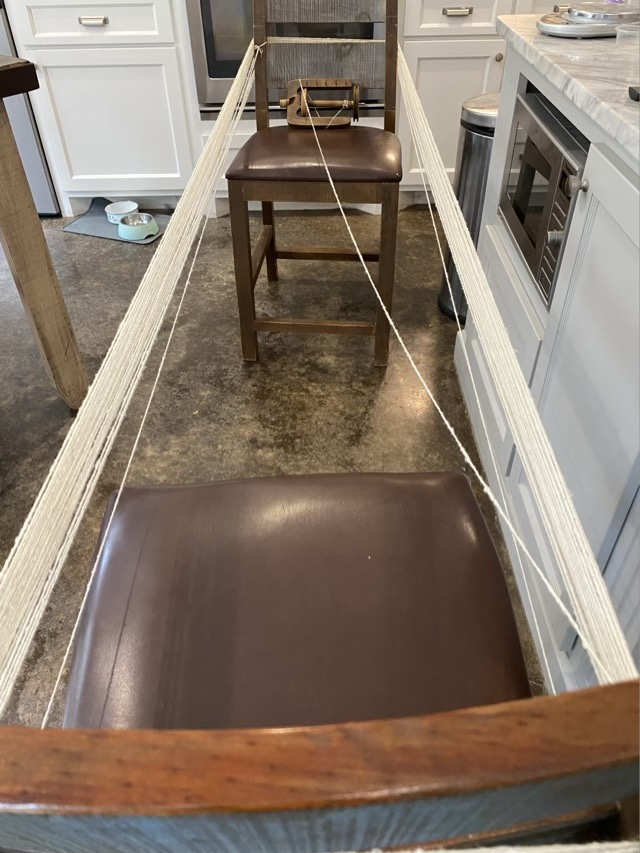
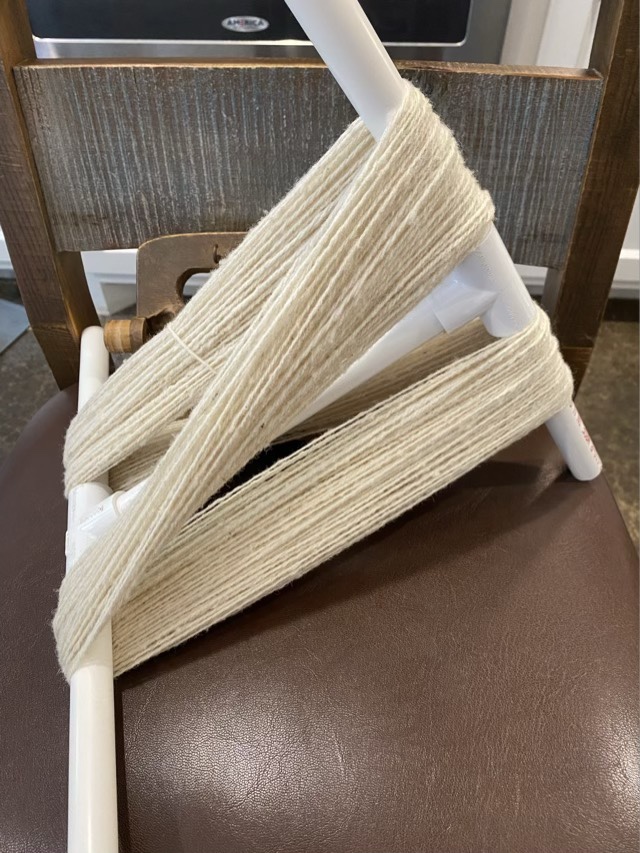
I transferred the yarn to my PVC niddy noddy, wet it down and let it dry. I then had a hank of spun mohair.

Since working from a hank is a recipe for tangles unless you keep it stretched out on a swift, I then used my swift and ball winder to make a yarn cake. The inside of my cake went askew; I think I might have had too much tension as I wound.

I am now ready to make swatches for my fiber page!
“What?” you say, “you have never been to a fiber festival? How is that possible?” Well, you might not say it, but the woman in the elevator did. I must say that she said it after cheering that it was my first visit. Yes, I have been working with yarn for around 40 years, but I only took up spinning just before the pandemic, and during the pandemic all the festivals were shut down. I have been searching out fibers to spin locally and online. Walking into a convention center with a huge room full of fiber was mind blowing.

Probably 90% of the fibers at the festival were already spun and dyed, ready for the eager knitters that lined the aisles. But there were pockets of un-spun fiber in various preparations. I found bamboo, hemp, nettle, and yak (!) spinning fibers, all of which I have not yet attempted to spin. There were a few raw fleeces as well: mohair and Rambouillet. I caved on some white mohair (it was the first time the seller was offering raw fleece and it looked like she did a nice job skirting and labeling). Rambouillet is now on my wish list; I couldn’t quite face a whole fleece right now, but the processed yarn and blankets were divine.

I did find myself some wool combs, which appeared to be the last pair in the room. I also found an intriguing Turkish spindle 3D printed from flexible filament (more on those another day). The booths did cater mostly to the knitter, but there was representation for weavers, crocheters, felters, spinners, and there were even some nålbinding needles! After about an hour and a half, my brain shut down. It appears that I will have to work up my festival stamina!