Three ways

I recently learned another method for securing the start and end of a seam on a treadle sewing machine with no reverse. With this method, you make a few stitches, lift the foot, move the material to the beginning, and stitch over the first stitches.
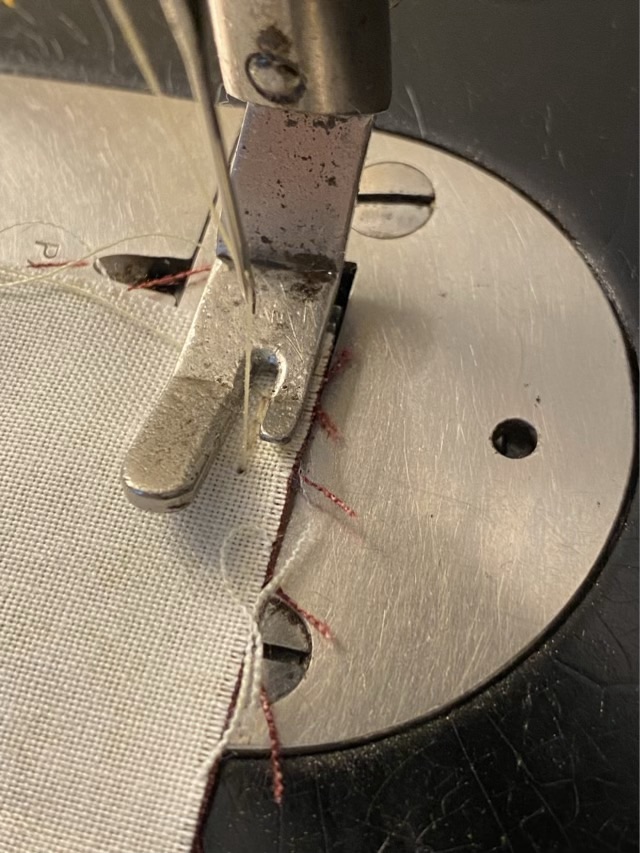
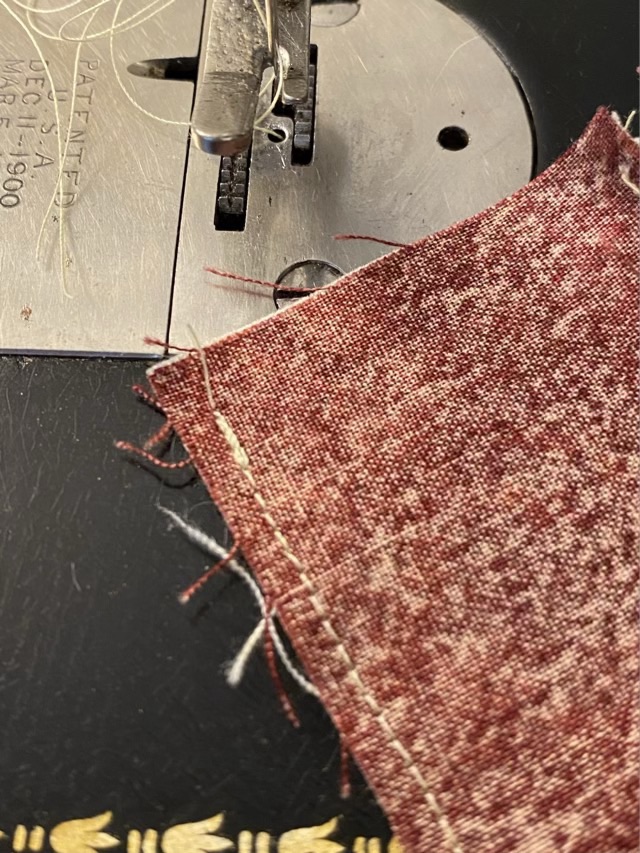
Photo description: sewing machine foot moved back to the beginning of a seam after a few stitches
Photo description: seam sewn on a Singer model 66 treadle machine using the lift and restitch method to secure the start of the seam

This trick joins my bag with two other methods. There is the turn-the-whole-fabric way, where you turn the fabric 180 degrees around the needle in the down position, put the foot down, sew a few stitches, then plant the needle, lift the foot and turn the fabric back to the original position, lower the foot and keep sewing. Also there is the tiny stitch method, where the stitch length is set to near zero to start and end a seam, but lengthened in the middle. All three methods work well to make it harder for the stitches to pull out.

On more modern machines there is a reverse button that allows the sewing machine to stitch backwards. Treadling an antique machine backwards will at best break the thread, or worse, make a tangled mess of your bobbin.
Fiber Pages: template now available

I thought my fiber page CRICUT pattern was available online, but apparently it wasn’t, until now. I have made the cut design public and included a materials list and a link to the blog post that has assembly instructions. The link to the CRICUT Design Space project is here: https://design.cricut.com/landing/project-detail/630799ca21506d2c4716a4c2

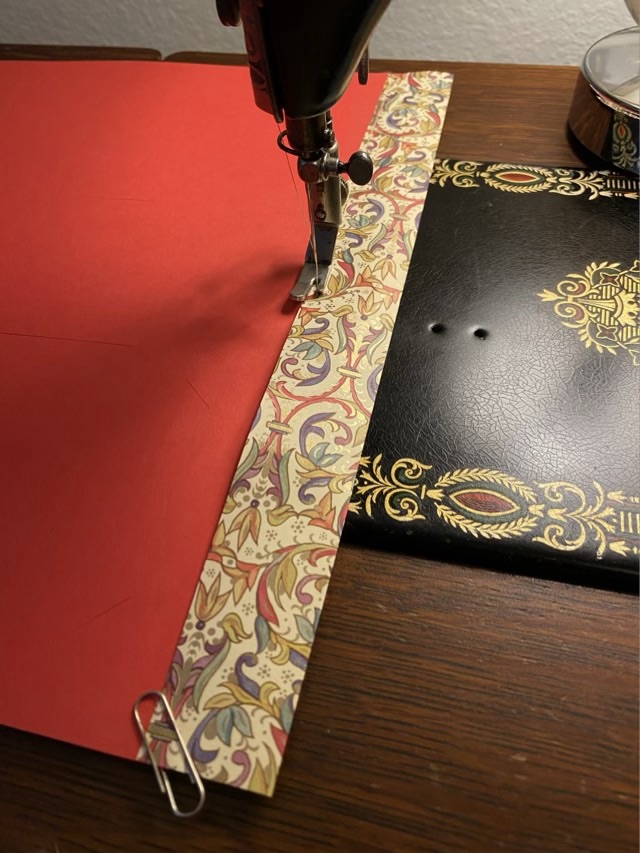
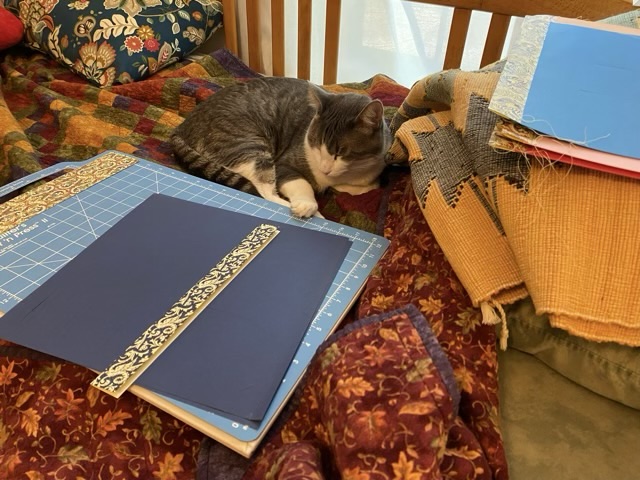
I discovered that the template wasn’t public when I went to make more pages. I assembled my entire stash of 12×12 card stock to make 10 additional pages, which should keep me supplied for a while. I sewed the spine of each page using the 1916 Singer Treadle sewing machine, which did a fabulous job.

Photo description: sewing a paper spine to card stock with a Singer model 66 treadle machine
Photo description: My supervisor napping: Thor the cat keeping me company during assembly by laying on the bed with the materials
Photo description: 10 new fiber study pages with colorful end paper spines, additional elements are in a plastic bag to ease storage until they are needed

I only fully assembled two pages with the paper spools and fiber drawer for my two current projects. The rest I left so they would stack easier until the time comes to fill them with fiber.

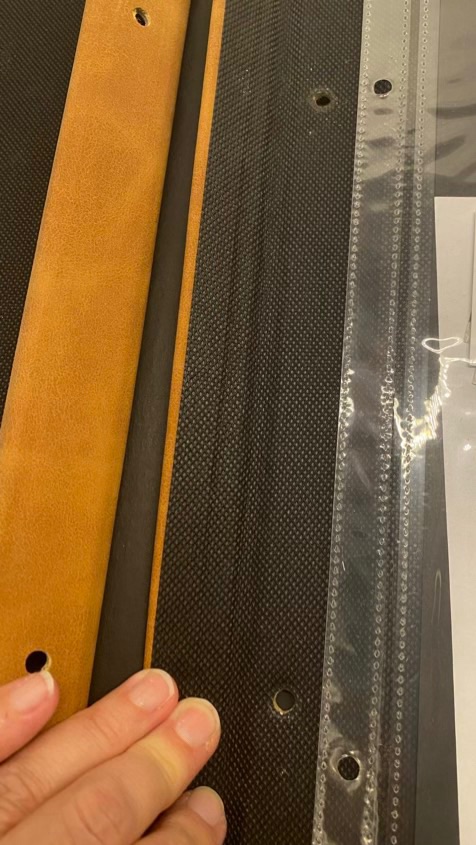
And here is a cautionary tale: when buying photo albums, pay close attention to the spacing of the holes and size of the album. I have too many fiber pages for one book, so bought a new one but didn’t double check dimensions (I really should know better). I’m also stubborn, and rather than returning the book, I cut new holes. My eventual plan is to make my own covers, but I needed something to protect the pages in the interim. Frustrating.

Photo description: post holes on the new cover and old page don’t match up

Unexpected spiral

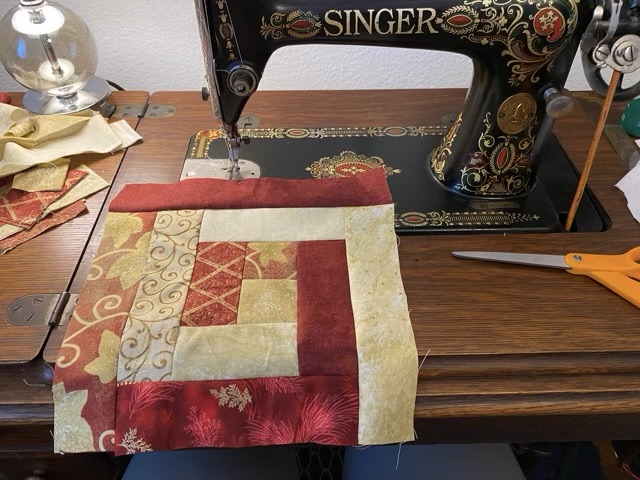
For the Sunday drive of my Singer 66 treadle machine, I’m continuing to sew quilting scraps together. Sewing regularly with the antique machine keeps all the parts running smoothly. I’ve started in on log cabin patterns: starting with a short piece and adding on longer and longer strips. I was distracted by something during sewing (not unusual), and messed up my intended pattern. I soldiered on anyway, and at the end was a little surprised that I ended up with a spiral pattern with the cream and red fabrics. Huh. Going to save this one, and try for it intentionally next time.

Photo description: Singer model 66 treadle machine with a red and cream quilt block that has a spiral pattern.

I noticed as I posted that the colors of the fabric also coordinate with the sewing machine. Who even am I?

Fabric treat bags

Last year’s Easter baskets are being used for storage. I needed something to put the candy and eggs in that wasn’t going to be then thrown away or contribute to the general clutter. Fabric baskets to the rescue. I used fabric and stabilizer from my stash, and sewed on the Singer model 66 treadle machine.

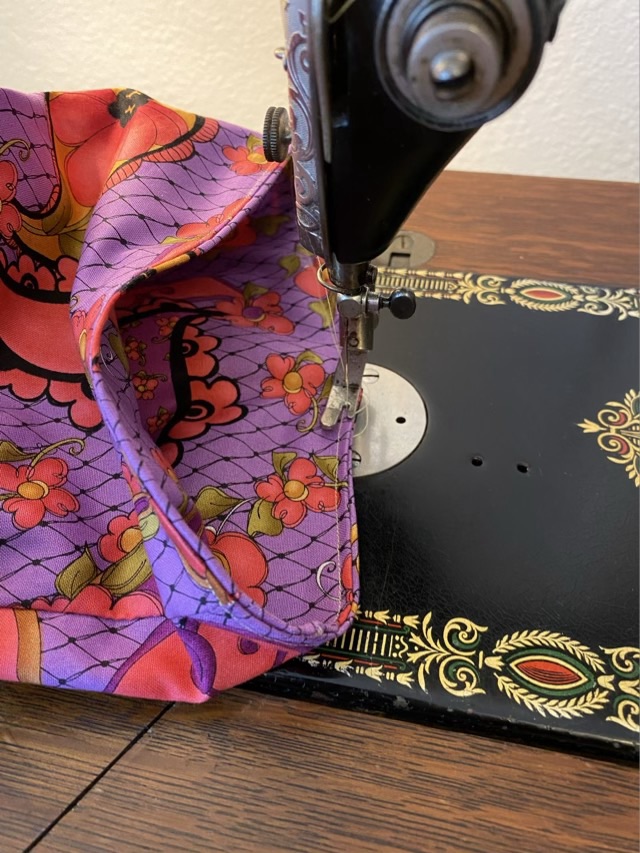
Photo description: finished bag with the top folded down to make a basket, sitting on the table of the treadle sewing machine.
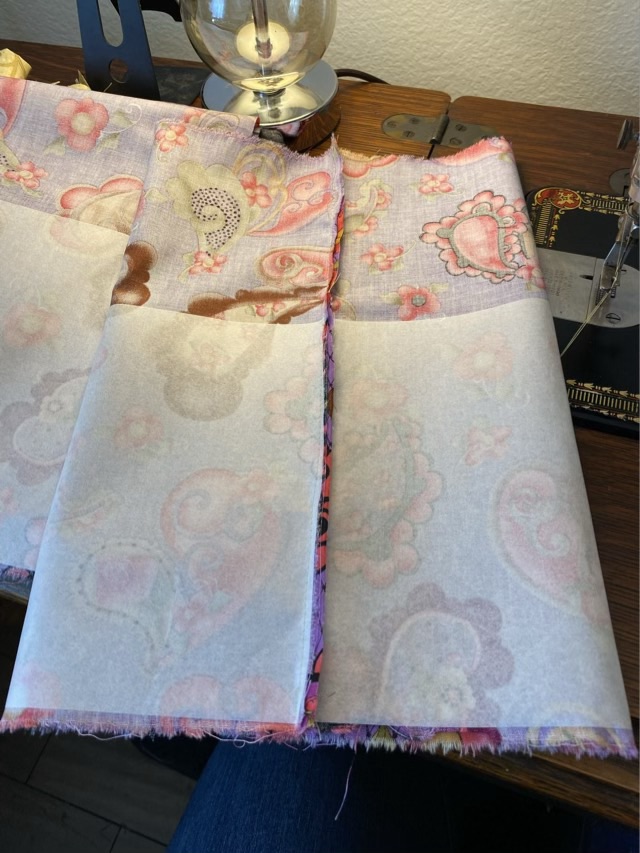
Step 1: 14×20 fabric with iron on interfacing on the bottom 2/3, sewn on the short end, right sides together, then the seam moved to the center.
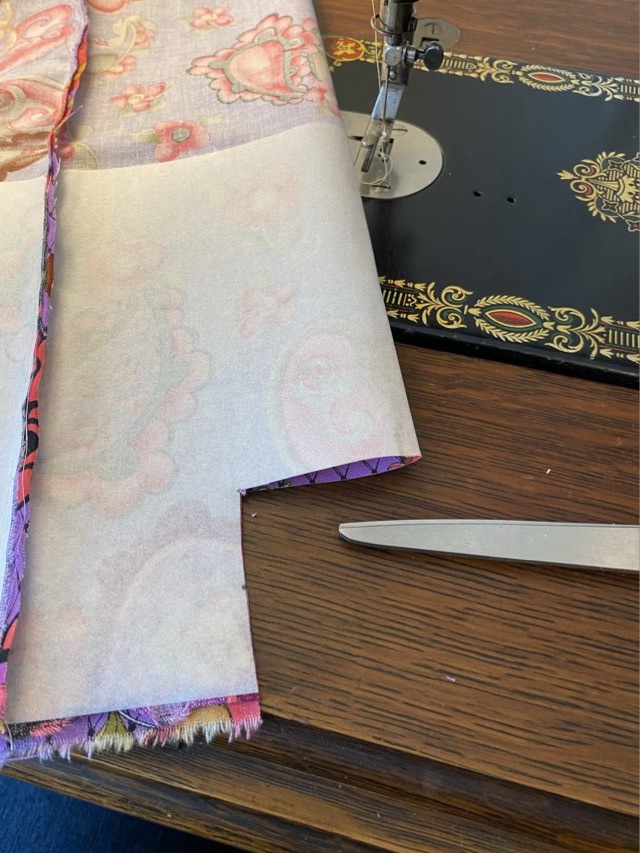
Step 2: 2.25” squares cut from the lower corners of the fabric tube
Step 3: bottom edge sewn together
Step 4: box corners flattened out and sewn
Step 5: Steps 1-4 repeated for the lining, then the two bags put right sides together and the top sewn, leaving a gap to turn the bag right side out, then the gap sewn closed by making a seam along the top edge
Photo description: another bag with fabric with a definitive direction. To get the fold to work, the inside fabric is upside down, so the crows on the fabric stay upright when folded.
Photo description: unfolded bag, showing the full height

These bags came out quite tall, but since I didn’t put interfacing on the top third, they fold down easily. The interfacing I used did not stay fused to the fabric, and was quite papery, which would be great for a cat basket, but is slightly unwieldy for a treat bag. I recorded my steps here, but would not repeat these exact parameters. Future projects will involve experimenting with dimensions, and trying a softer interfacing, or maybe even batting and quilting. Hmm.

Can’t help myself

I can’t go up to my craft room without sitting down and sewing on the Singer model 66 sewing machine. Regular use keeps it in working order, moving the oil around the parts and keeping things from seizing up. I just have to plan an extra ten minutes (minimum) when I wander up there to sew a few more scraps together.

Photo description: sewing fabric scraps together on a Singer model 66 from 1916.

I also need to plan extra time to extradite Izzy the cat, who knows as soon as the craft room door is open and makes a beeline for the bed.

Photo description: Pleased calico cat sitting on the day bed.