Learning from mistakes

My youngest likes to dance, and we are now in the sparkly costume part of the year gearing up for performance. The group costume this year is awesome: sassy yet covering, stretchy, easy on, one zipper (this is the big one for me, I’ve had to lace corsets on other costumes. No thank you.)

Hemming up sleeves

However, the sleeves are super long on her. I found some invisible thread (clear monofilament designed for sewing) and folded the sleeve inside out, and did a straight stitch around the existing cuff seam. I stretched the stitches out, but not enough. Oops. The stitches lasted through dress rehearsal, then popped. So I had to sew them again.
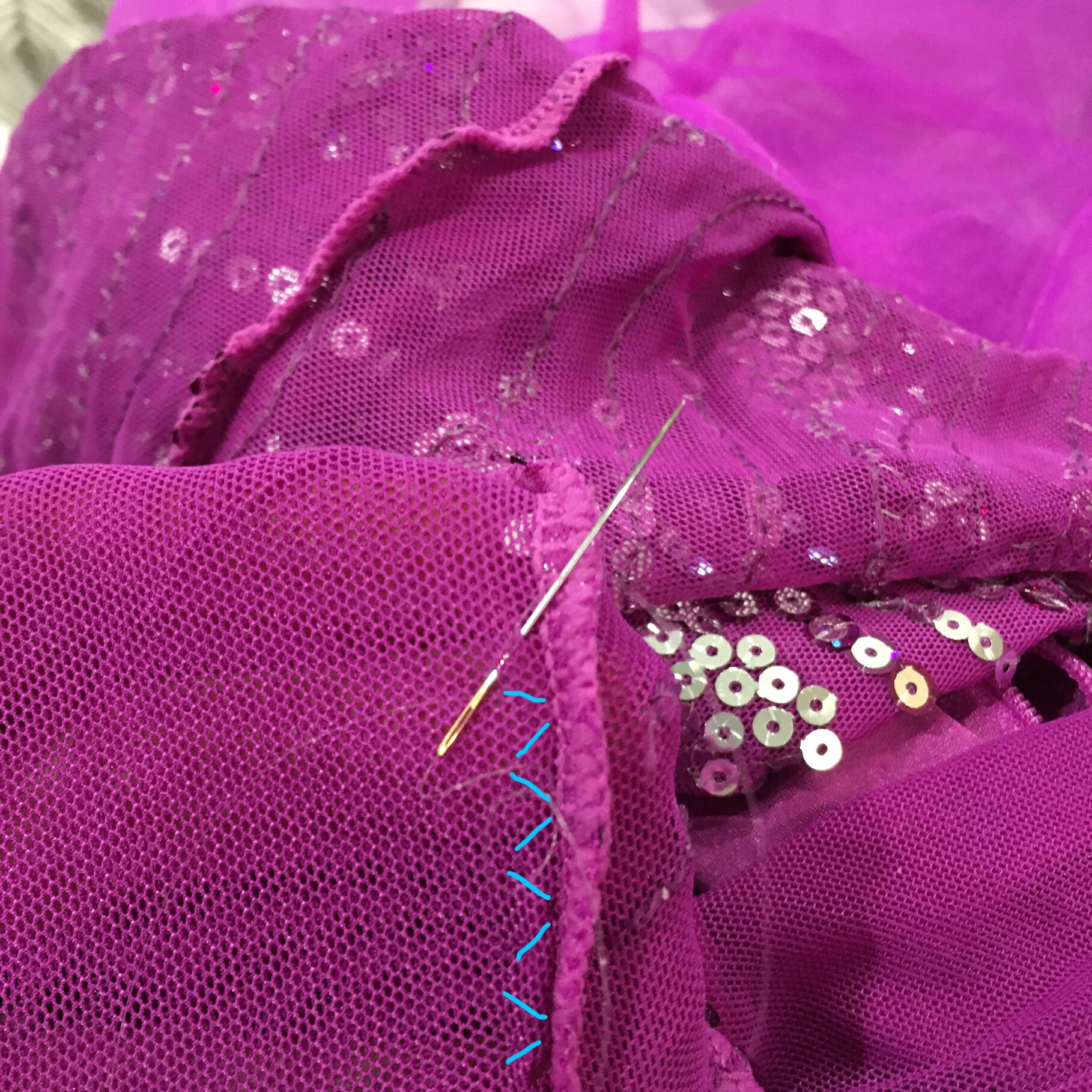
Zig zag stitch (with thread lines marked in blue)

This time, I used a zig zag stitch. Not with my machine, but by hand. The material is a stretchy net, no way was I going at this with my sewing machine especially with a slippery thread. We might need to let down the sleeves at some point, and I wanted to minimize potential damage both with the stitch going in, and eventually coming out. It took a little longer, I had to do the stitches one at a time, but the result is so much stretchier!
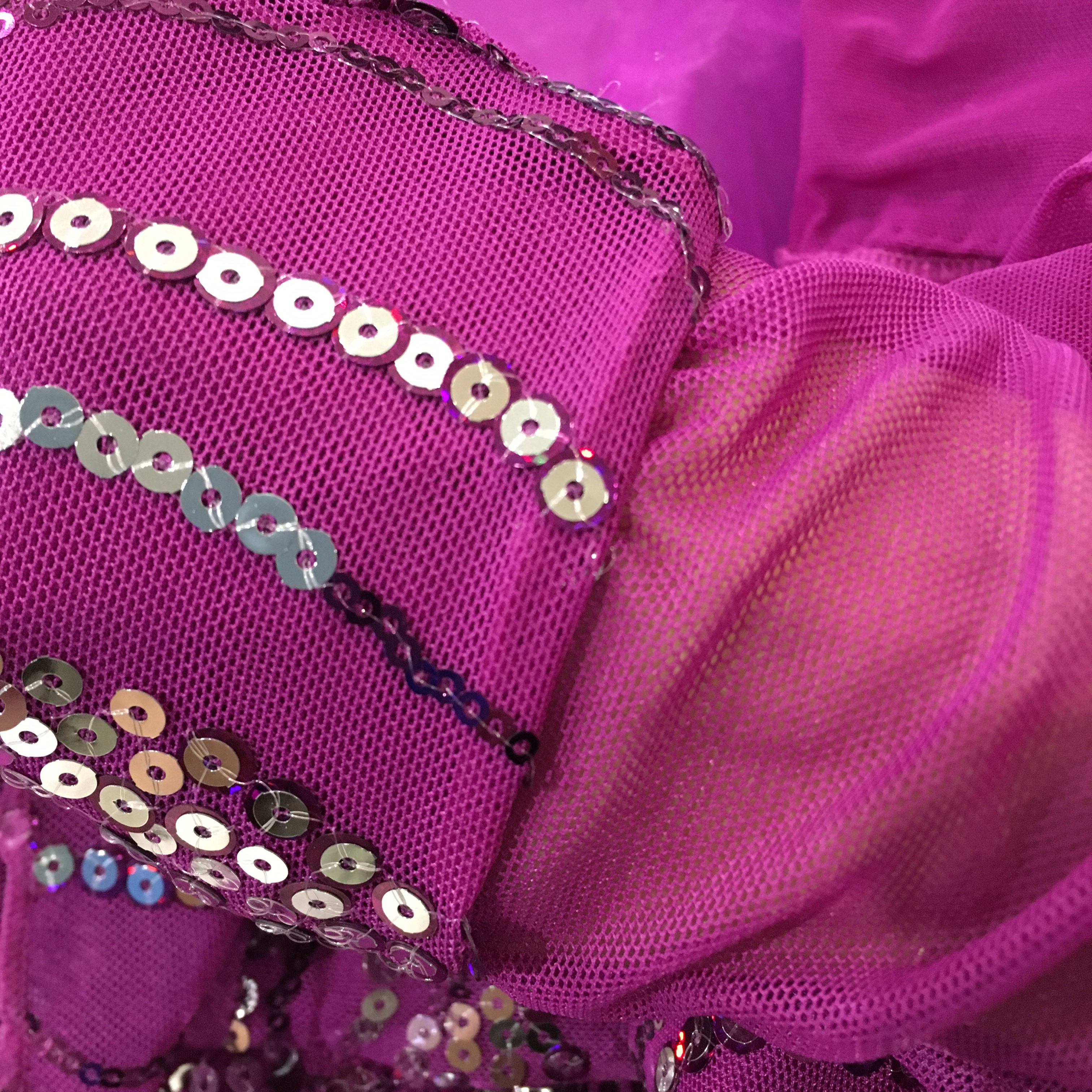
Cuff turned right side out

I also examined all the inside seams for partial sequins, and clipped them out. My daughter was much happier wearing the outfit without the scratchy bits of plastic poking her.

Sprouting scratch

Since it is winter, and the grass is not growing well in the coop, I decided to give sprouting grain inside a try. I found a couple posts on sprouting grain in mason jars, and since I have some empty jars with rings, and some extra aluminum window screen, I’m trying this method first.

Scratch grains (left) and annual rye (right)

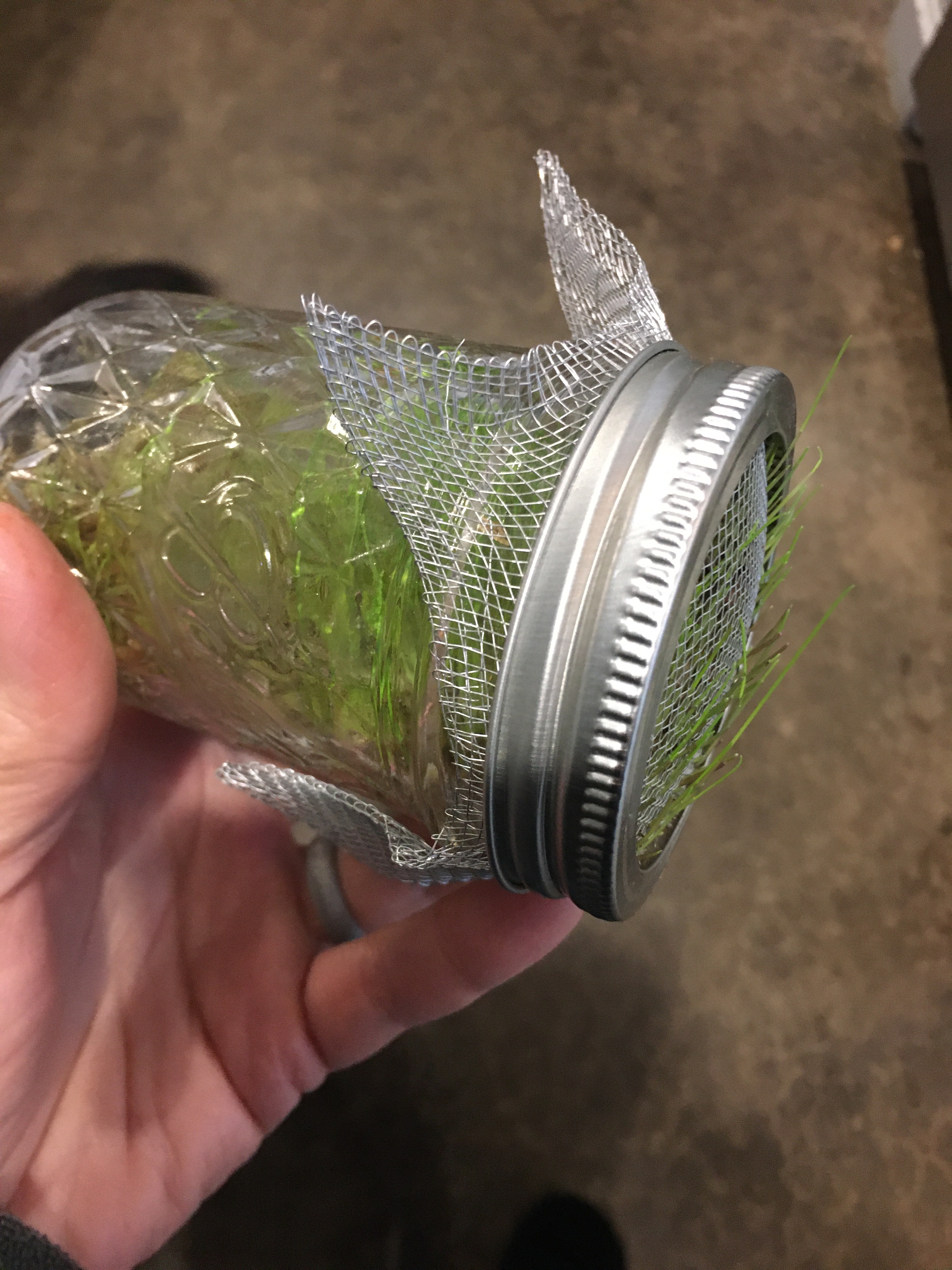
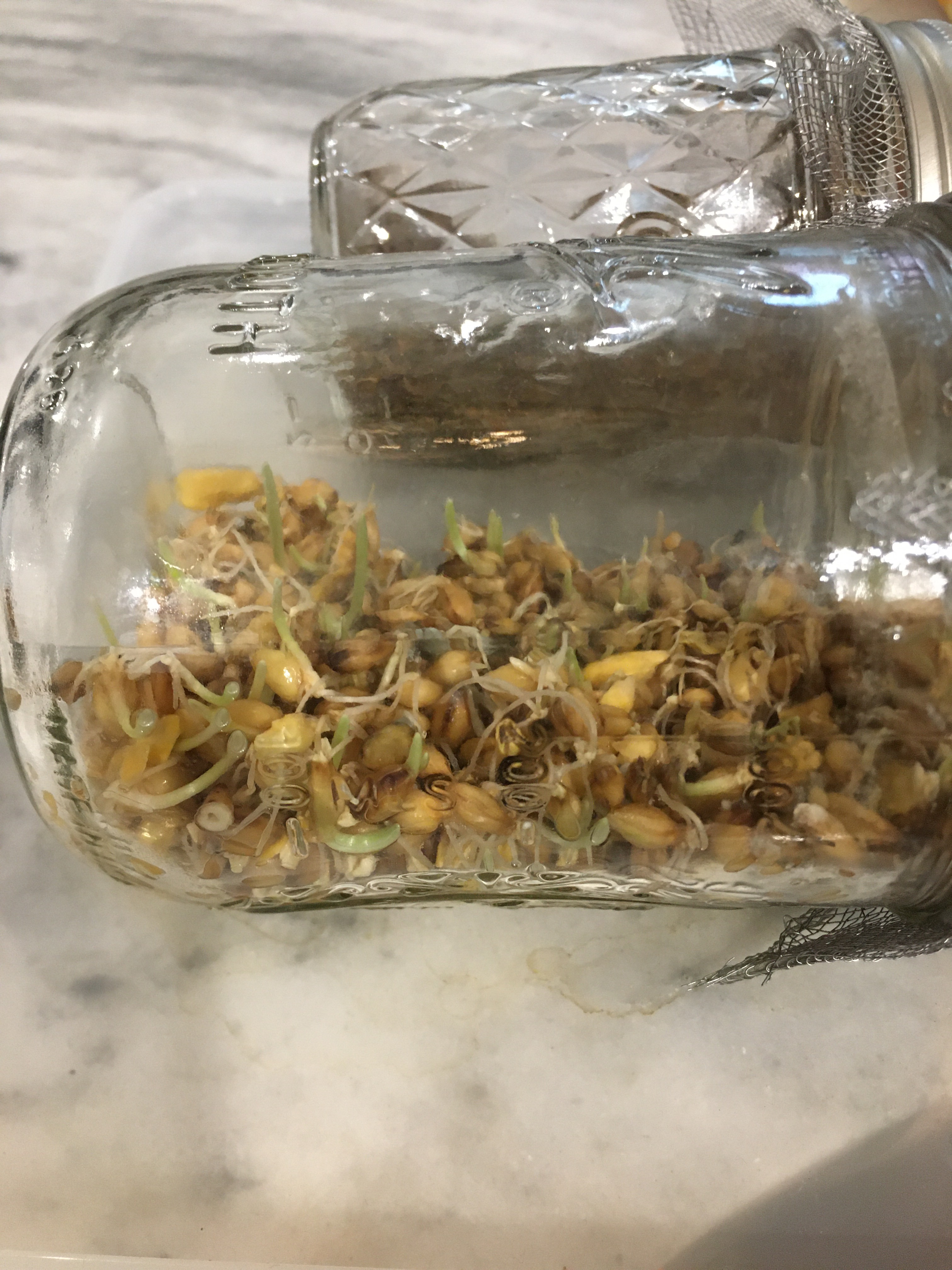
I tried two types of grain: scratch and annual rye (again because that is what I had). I put 3-4 Tablespoons of seed in each jar and covered them with water. I fit a square of window screen to the top of the jar, folded over the edges so they wouldn’t be as pokey, and screwed down the lid. I let the seeds soak overnight, then tipped them over the sink to drain off the water. I rinsed the seeds twice a day and left the jars on their sides in a low tray to drain.

Sprouted scratch

After three days the scratch was sprouted and I fed it to the chickens. They loved it!

Annual rye sprouted

After 5 days, the rye had formed a mat of roots with 2-3” blades of grass. The chickens were not so keen on this, but eventually ate it up.

Plying with fishing reels

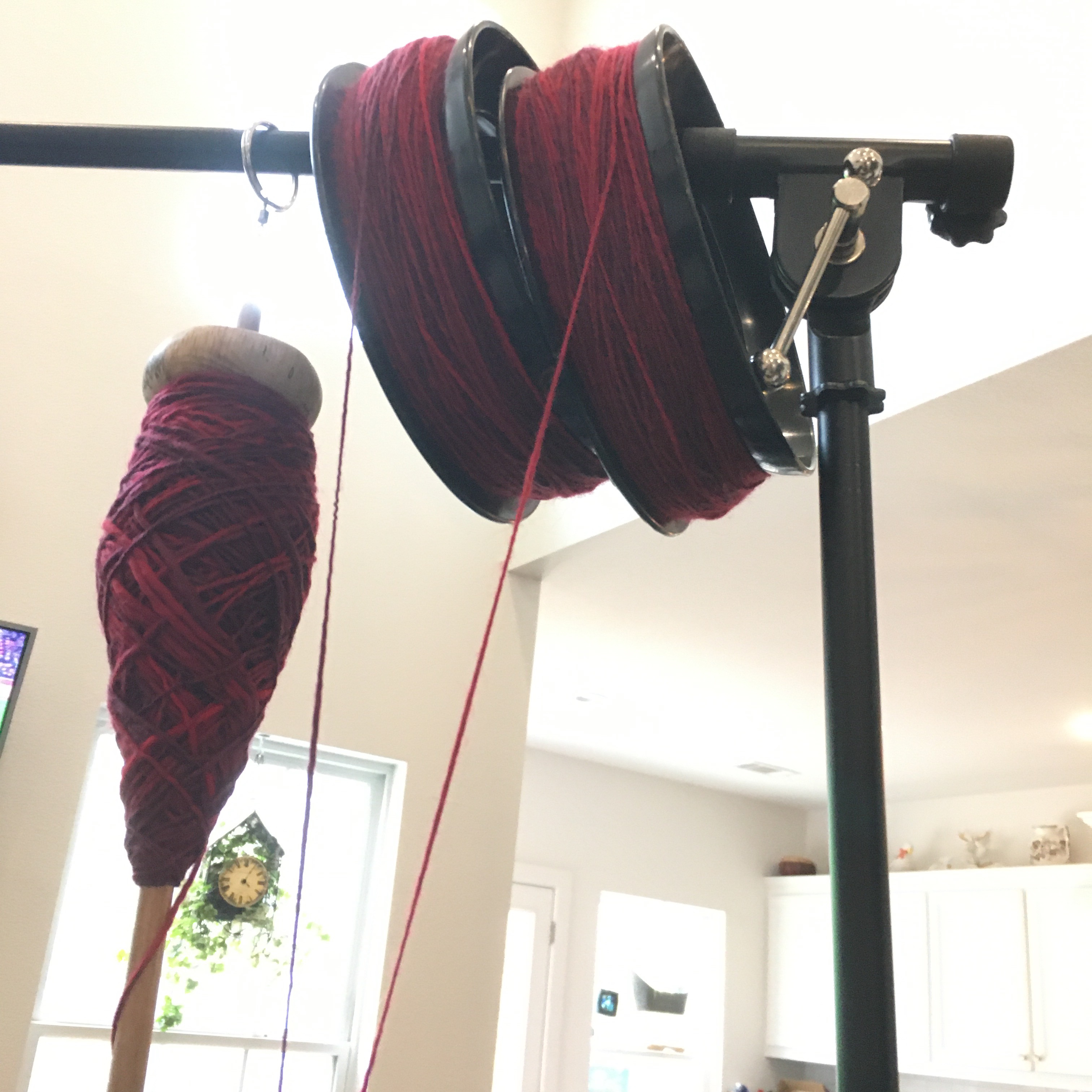
I loaded two hand fishing reels with spun merino wool, then used the third spindle full to make a three ply yarn. I was hoping that the large spools would keep the single ply from tangling around the stand, but alas, no. Seriously the next time I spin I’m going to fill multiple spindles and ply from the spindles.

Two spools and a spindle getting ready to ply

I was able to ply most of the yarn, but didn’t distribute the fiber exactly evenly between the three strands, so chain plied the leftover bits, which works just fine.

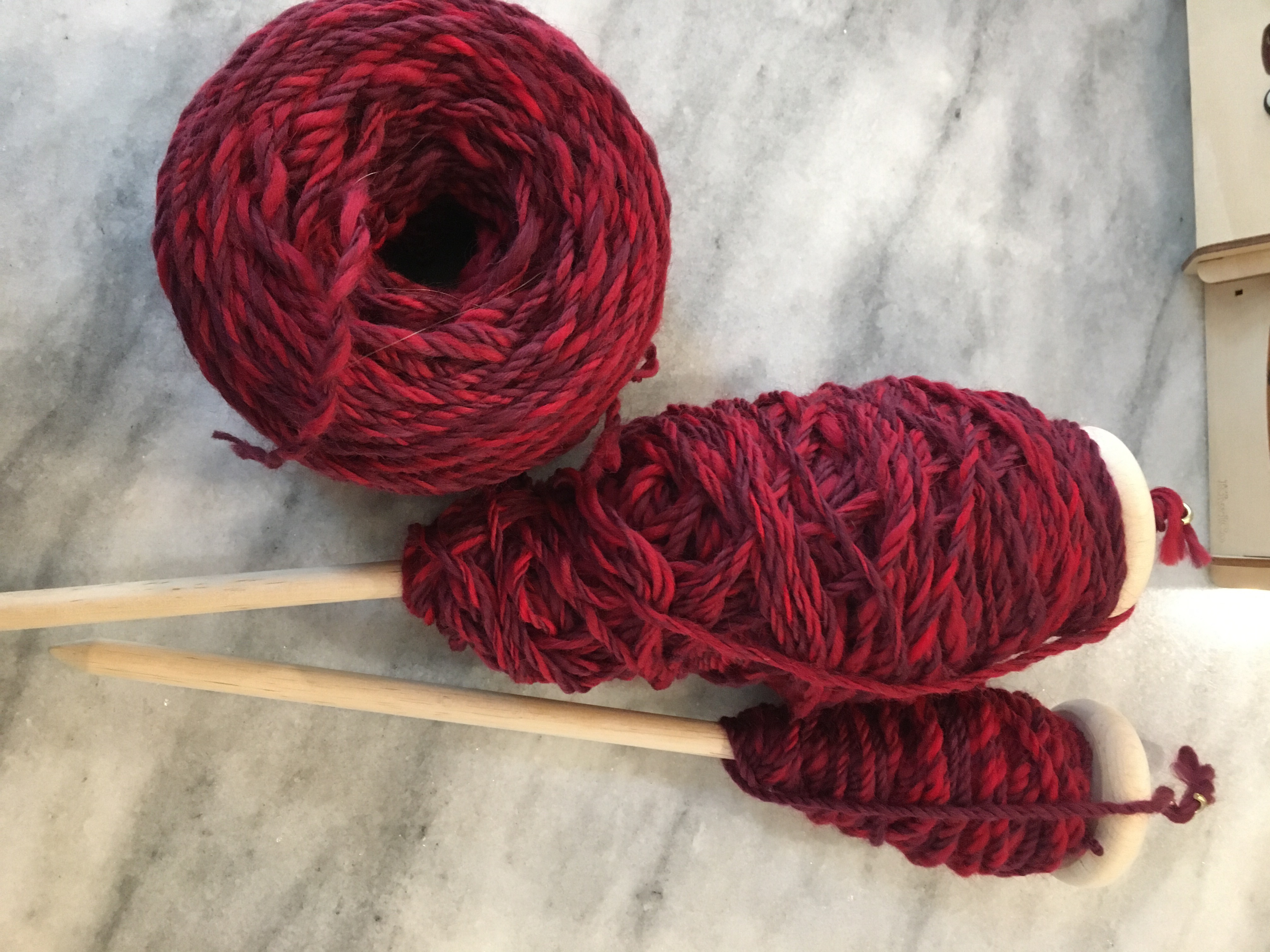
Plied and chain-plied yarn on the spindle and wound with a wool winder

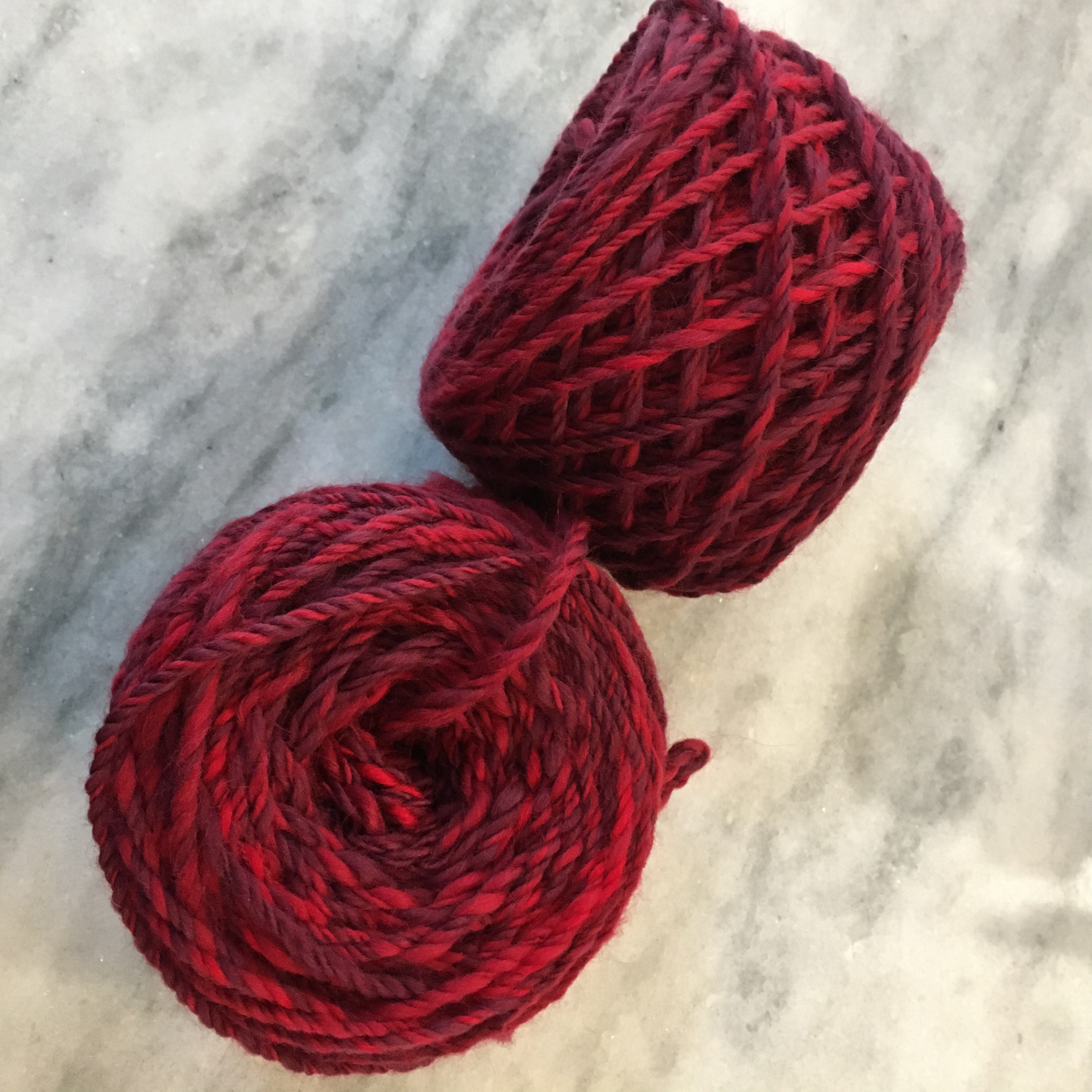
I had enough yarn this time to make two cakes with my wool winder. Yay! Isn’t the color pretty? It is a combination of four shades of red roving.

Yarn wound into cakes

Fiber experiment

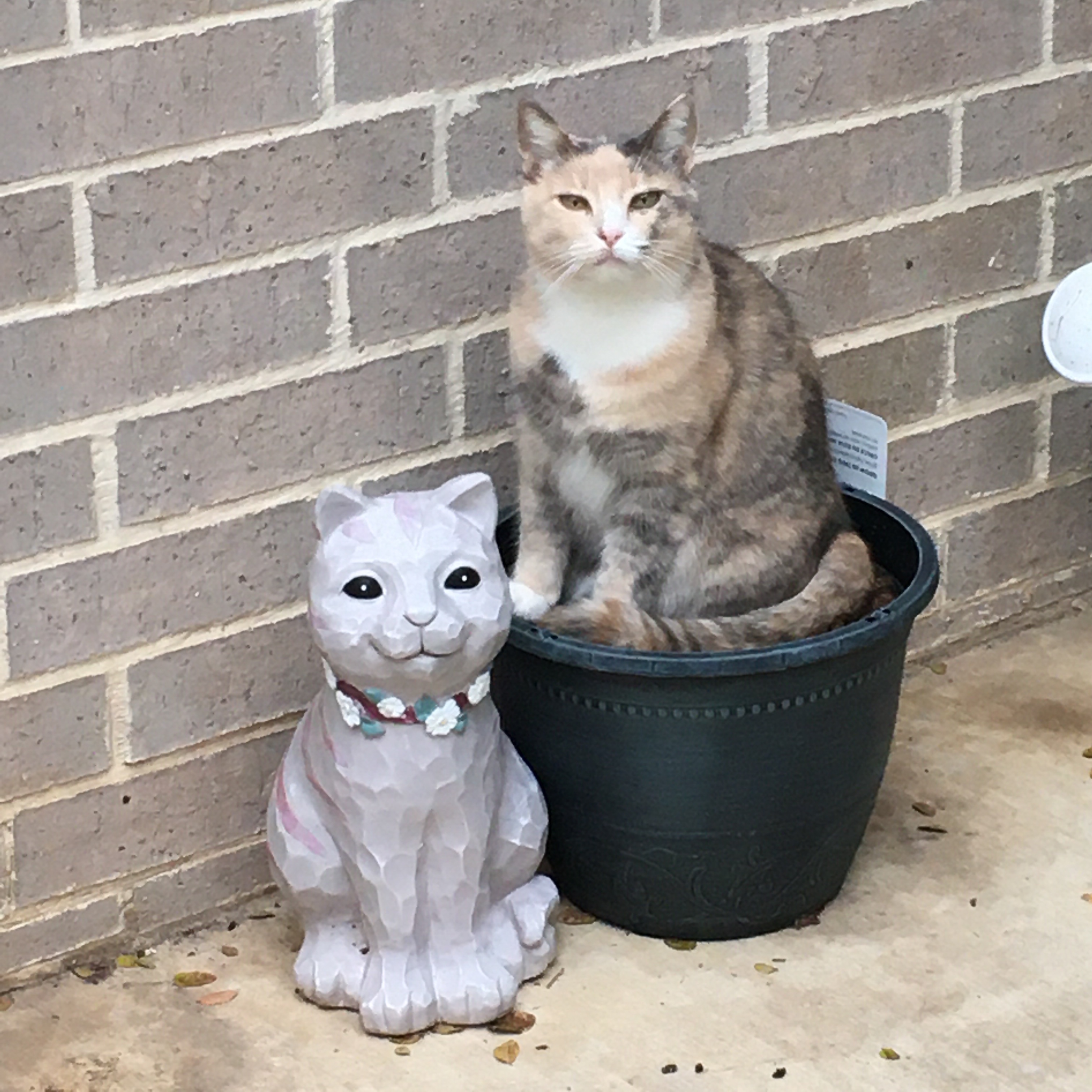
Sophie likes to sit in my plant pots.

Cute, but irritating

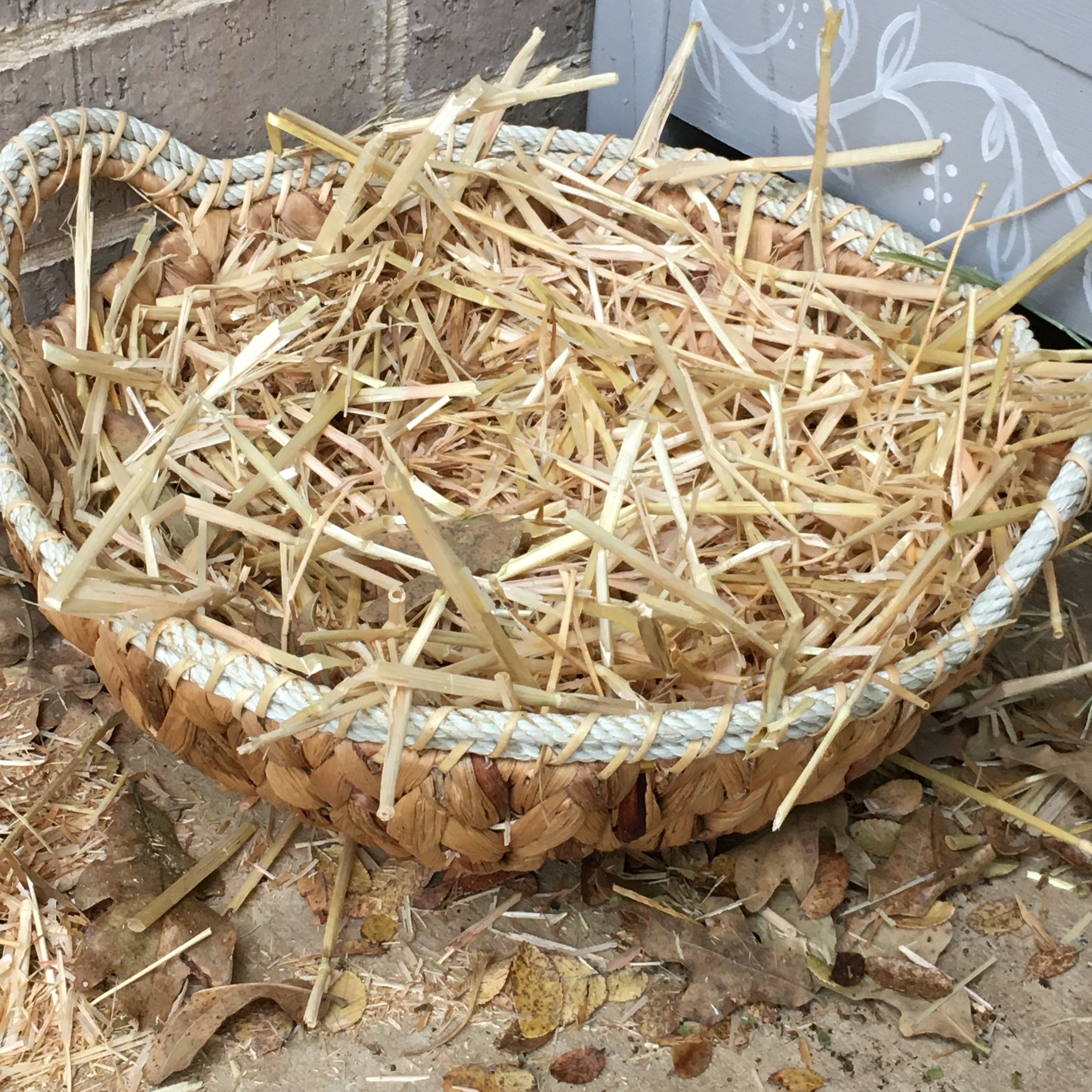
Although she is cute pretending to be a plant, I don’t want to encourage the behavior so eventually I can actually have green plants in there. I bought a cute woven hyacinth basket and filled it with straw, but she was unimpressed.

Straw filled round basket

I have a large amount of “big yarn” which is really just roving.

“Big yarn”

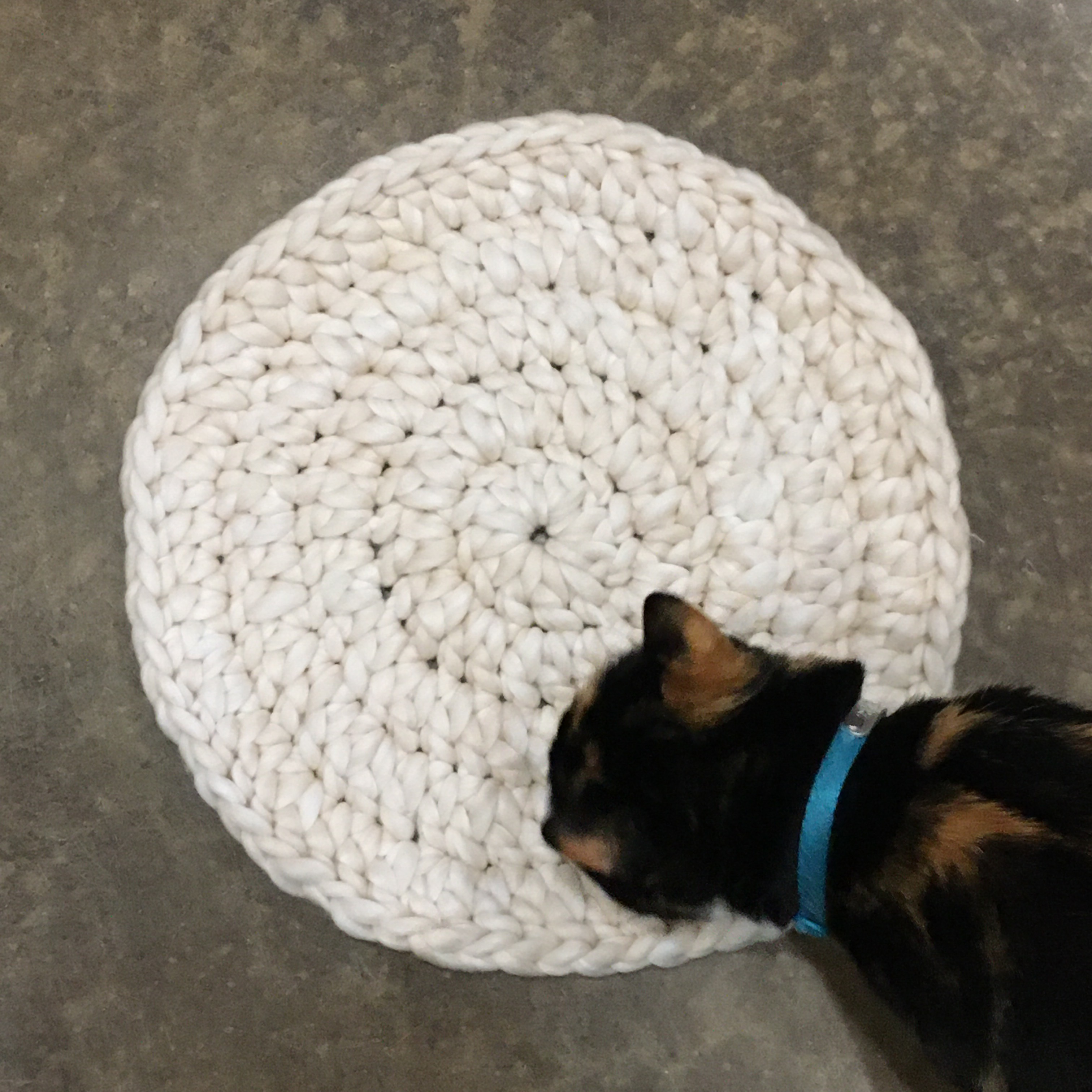
There are many posts and videos about arm knitting using this kind of fiber, the problem is, we spin fiber to make it more resilient and give it strength. Fiber that is only combed has neither quality. So to do a first-hand test, I crocheted up a round mat of the fiber using a P crochet hook.

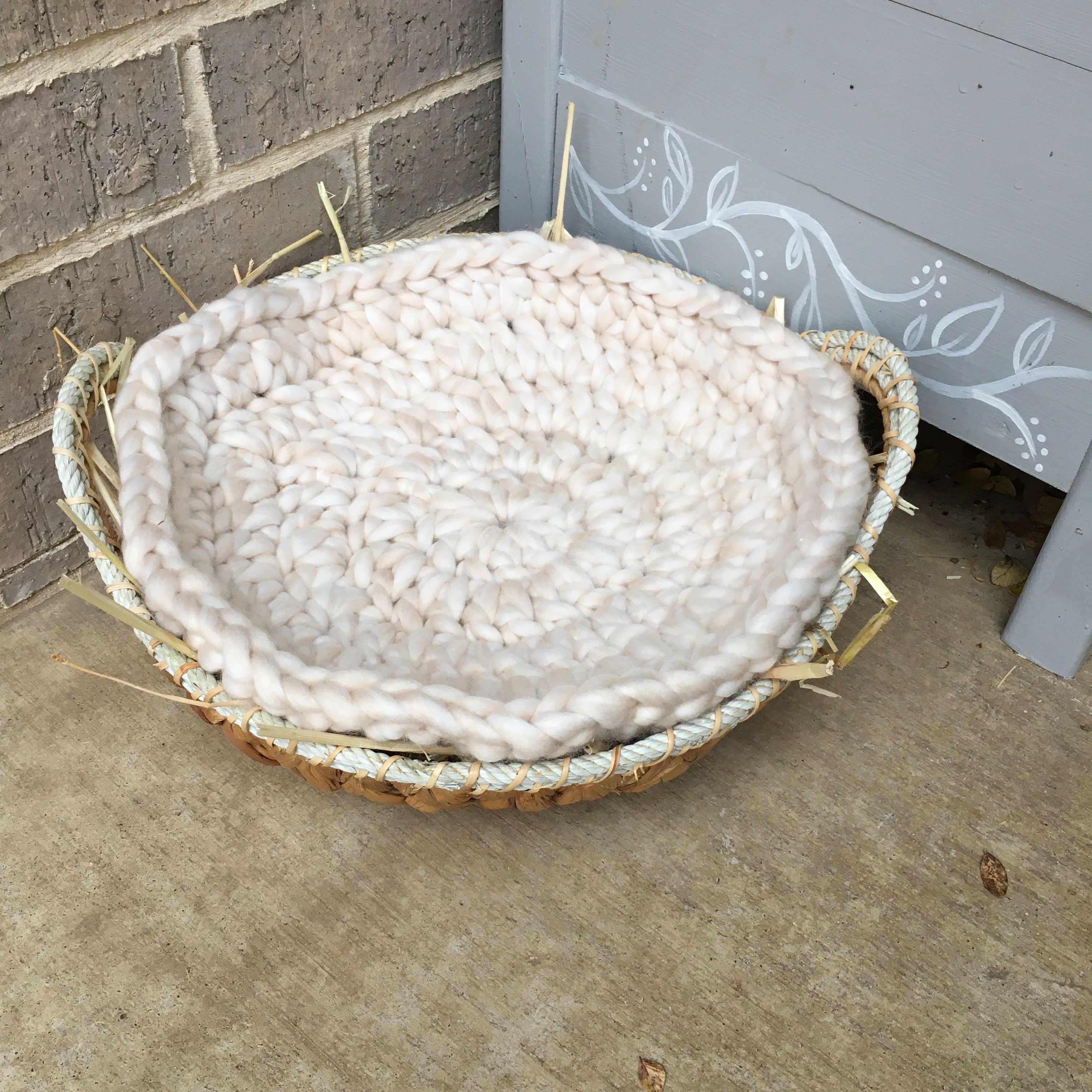
Crocheted round with “big yarn”, wrong cat interested

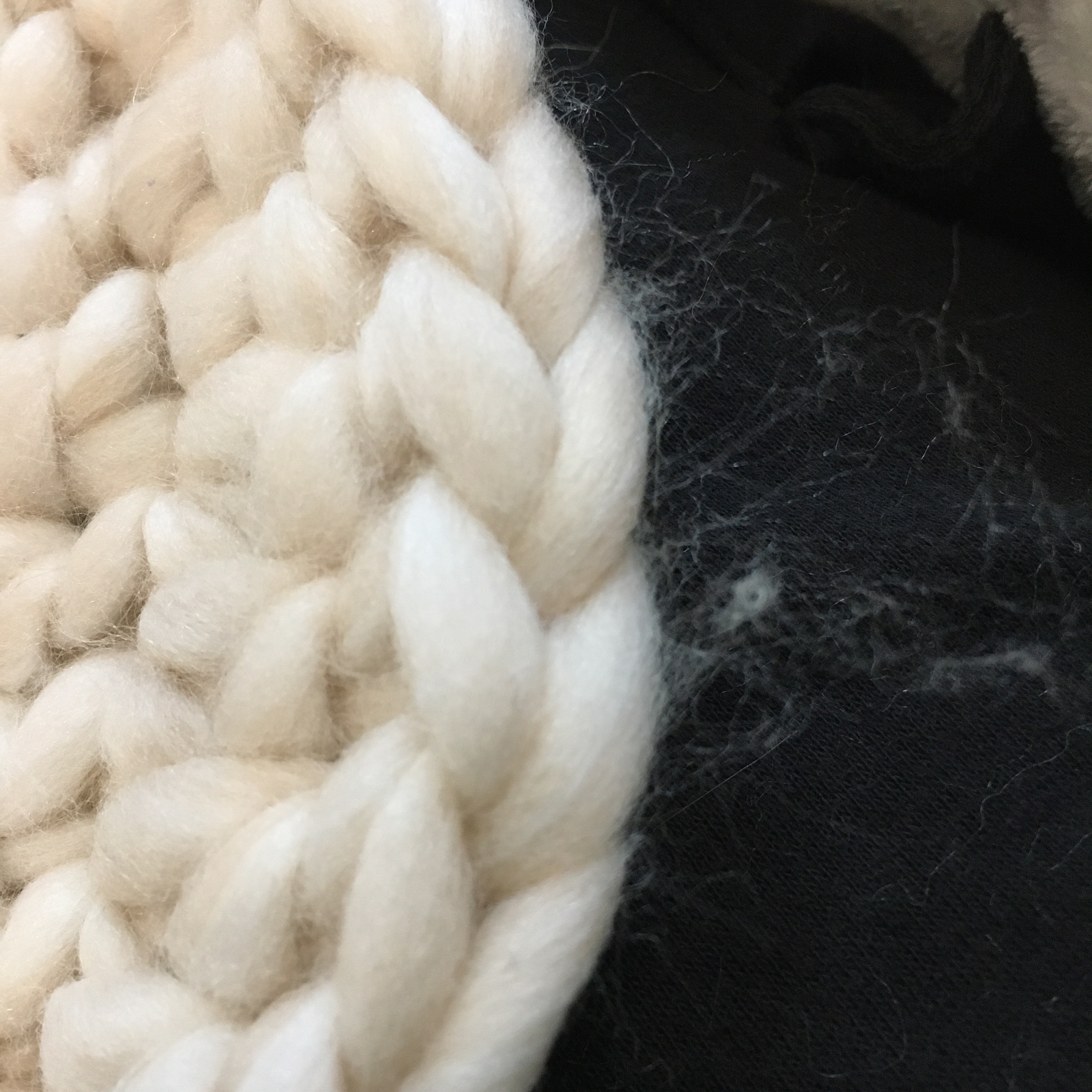
Although I was able to crochet it (the P hook was on the small size for comfortably crocheting), it was already shedding fiber before I even finished.

Fiber separating from the body of the work

My hypothesis is that, although the stitching looks beautiful now, and it went together quickly, it won’t take much for it to look like a matted mess.

Crocheted round set on a layer of straw in the hyacinth basket

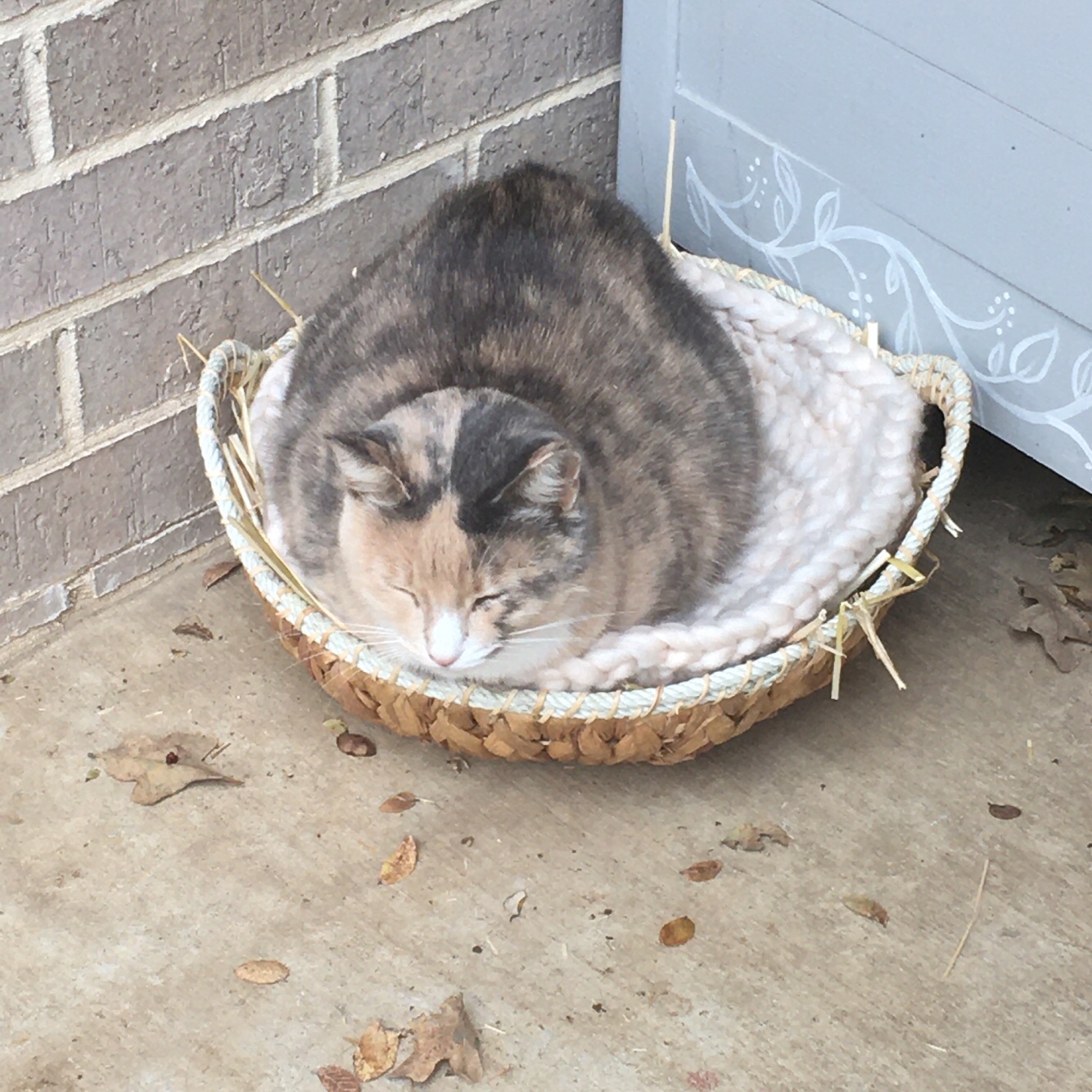
However, Sophie thoroughly approves. So she will be my tester and we’ll see what condition the matt is in a few months.

This is much better than just straw