Strap repair

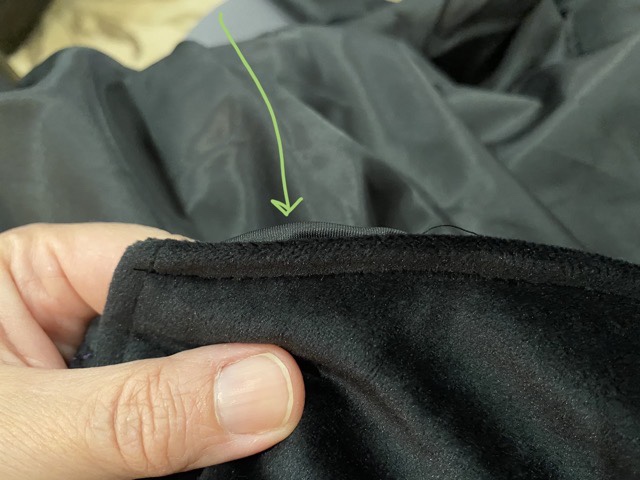
My trail cam strap broke due to degradation of the webbing. It has been out in the wind, rain, and sun (although not much sun because we usually tuck it under a tree) for nearly five years. Time for a new strap.

From left to right, trail cam, broken strap, new webbing

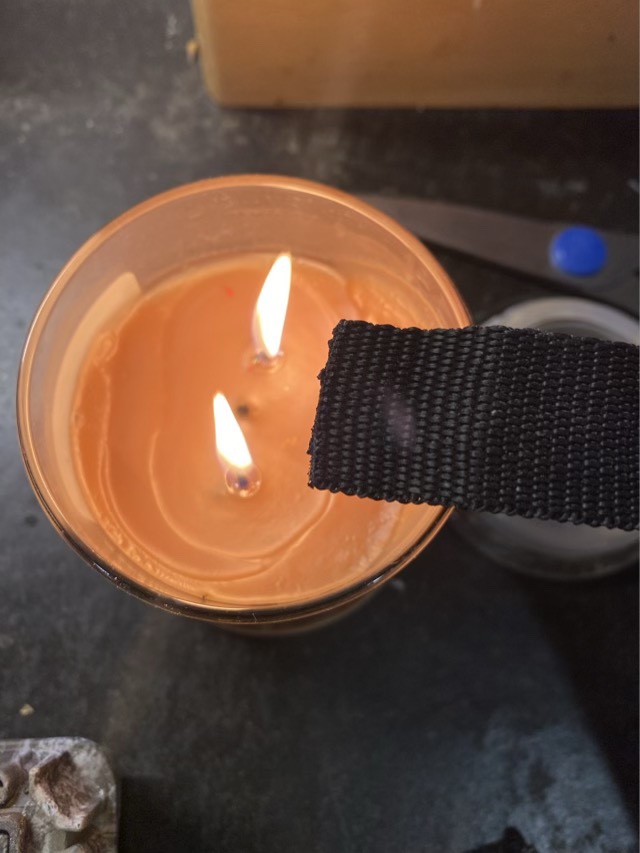
I removed the old strap from the buckle, and cut a piece of the new strap to the length I wanted. I made is a little shorter because the old strap was designed to go around trees, and I have a stand with a much smaller diameter that I use. I sealed the ends of the new strap by passing them in front of a flame to slightly melt the fibers together.

Protecting the ends of the strap from unraveling by melting them in a candle flame

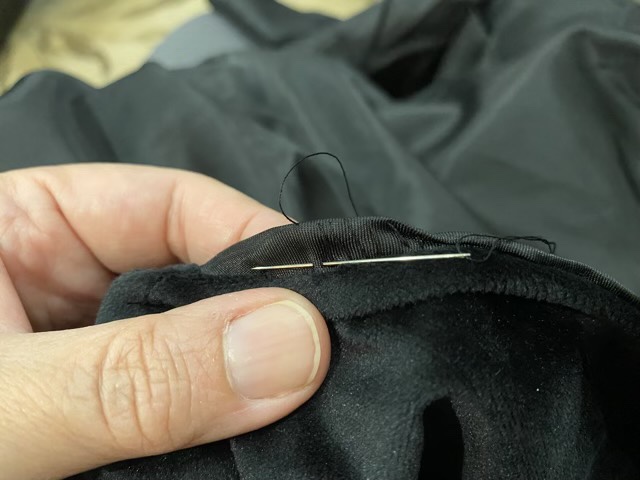
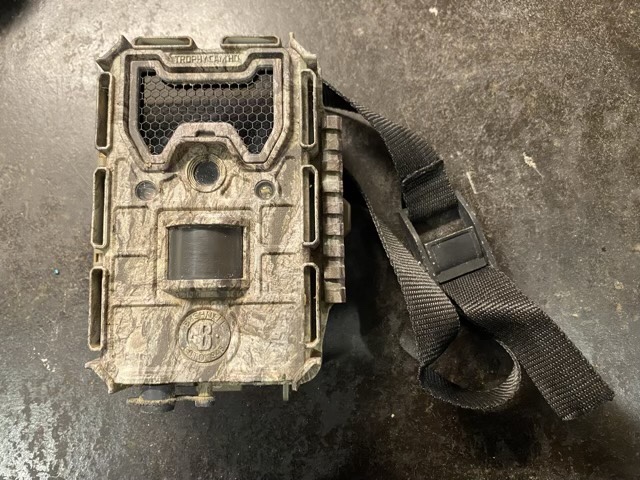
After the ends were sealed, I sewed one end onto the buckle, and threaded the other through the trail cam and back through the buckle. I gave the camera a good clean up with a microfiber cloth as well.

Trail cam with new strap
Hm. I wonder if coyote urine will cause damage to fabric straps.

Fiber for wildlife

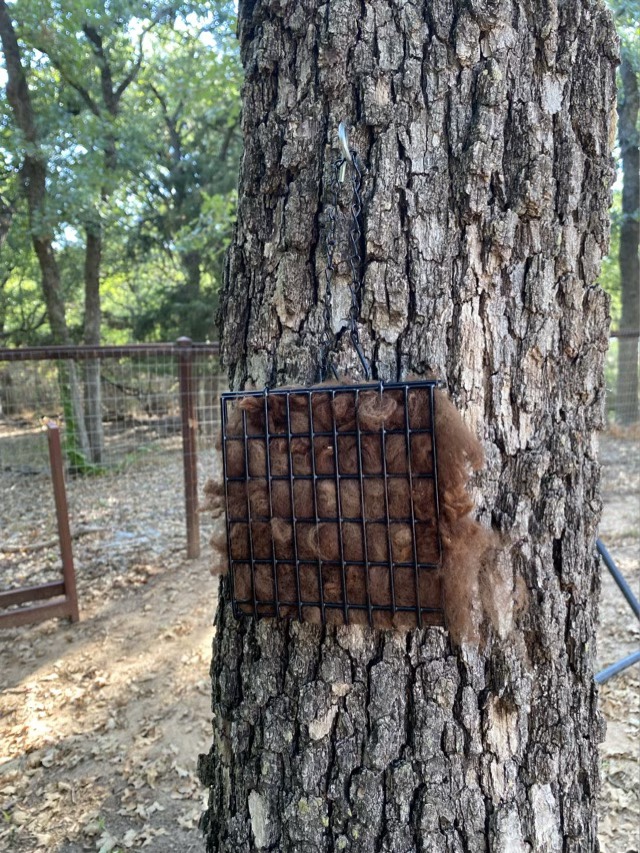
Someone had a really great idea using a suet holder as a cage for fiber for birds to use in their nests. I bought two suet cages and filled one with scraps of wool fiber, and the other with washed alpaca.

Suet feeders used as fiber cages

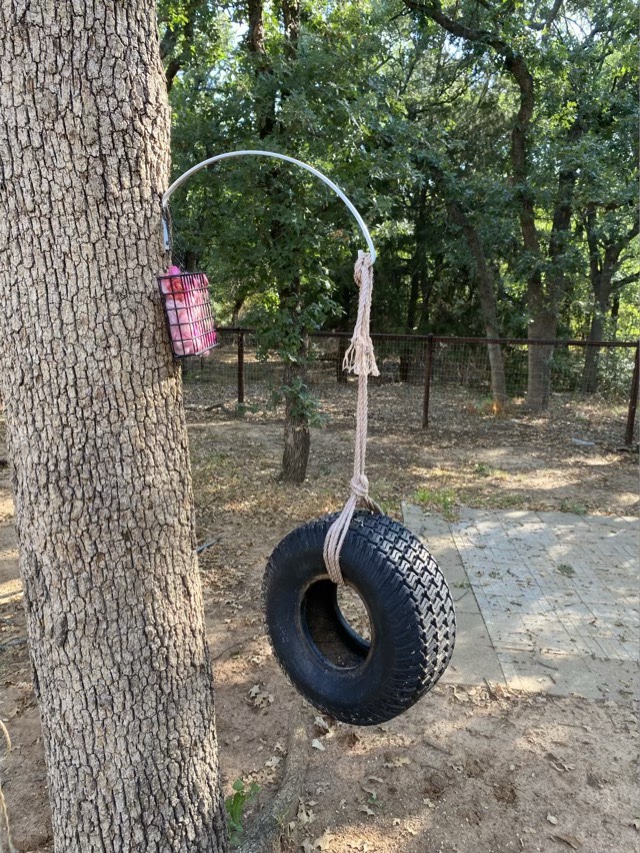
The birds may utilize it, but I’m really putting it out for our squirrels. I have been strewing alpaca fiber across the branches and bark of the trees. This seems a much neater option.

Fiber filled suet cage near the squirrel feeder
Alpaca fiber filled suet cage

I’m hoping that by providing fiber the squirrels stop trying to shred my ropes. I think the natural fiber has been warmer and better for raising kits, as we have seen two young squirrels at the feeder this year.

Replacing a belt buckle

My husband loves his Italian made leather belt, but the metal fatigued and broke the other day. Luckily I had a buckle in my stash, and the belt is so well designed, I could fix it.

Loop broke off the metal belt buckle

First I took out the broken metal, which was held on with a screw rivet (love these) and some stitches.

Disassembled buckle, with new buckle on left

I used waxed linen cord and the saddle stitch to sew the new buckle into the leather. I made the final knot between the layers of leather so it would be hidden.

Saddle stitching in progress

Then I reassembled the belt reusing the screw rivet, being careful to catch the leather loop and stay in the right places, and making sure the buckle faced the right direction. Did I mention I love screw rivets? If you assemble incorrectly, it is easy to remove the rivet and try again.

Fixed belt

Super glue hack

It is inevitable that my cyanoacrylate glue plugs up after the first couple uses, no matter how well I wipe the tip, or how fast I get the lid back on. When the time comes to use it next, I have to go hunt down a pin to break through the dried plug. What would be better? Tucking the pin in the folded section of the glue tube! Now the pin is right at hand when I need it. Yay.

Stick pin attached to the glue bottle

This is Loctite 454, which is my favorite instant glue, and yes, I store it in the refrigerator.

Another wrapping option

As the pull skein of yarn sat wrapped up in my Grandma’s blanket, waiting for me to finish the edges, it became quite untidy. Since it will be awhile before I am ready to get back to knitting on this piece, and I will have it laid out and put away several times to measure edges, I decided to rewrap the yarn to keep it neat. A cut and folded paper towel roll works well as a center, and if you run the yarn down the fold, it stays out of the way during wrapping.

Folded paper towel roll cut in half
Rewrapped yarn with working side on the inside of the ball

Here is the link to my short video on wrapping a center-pull ball of yarn, if you need it.