Wild plums

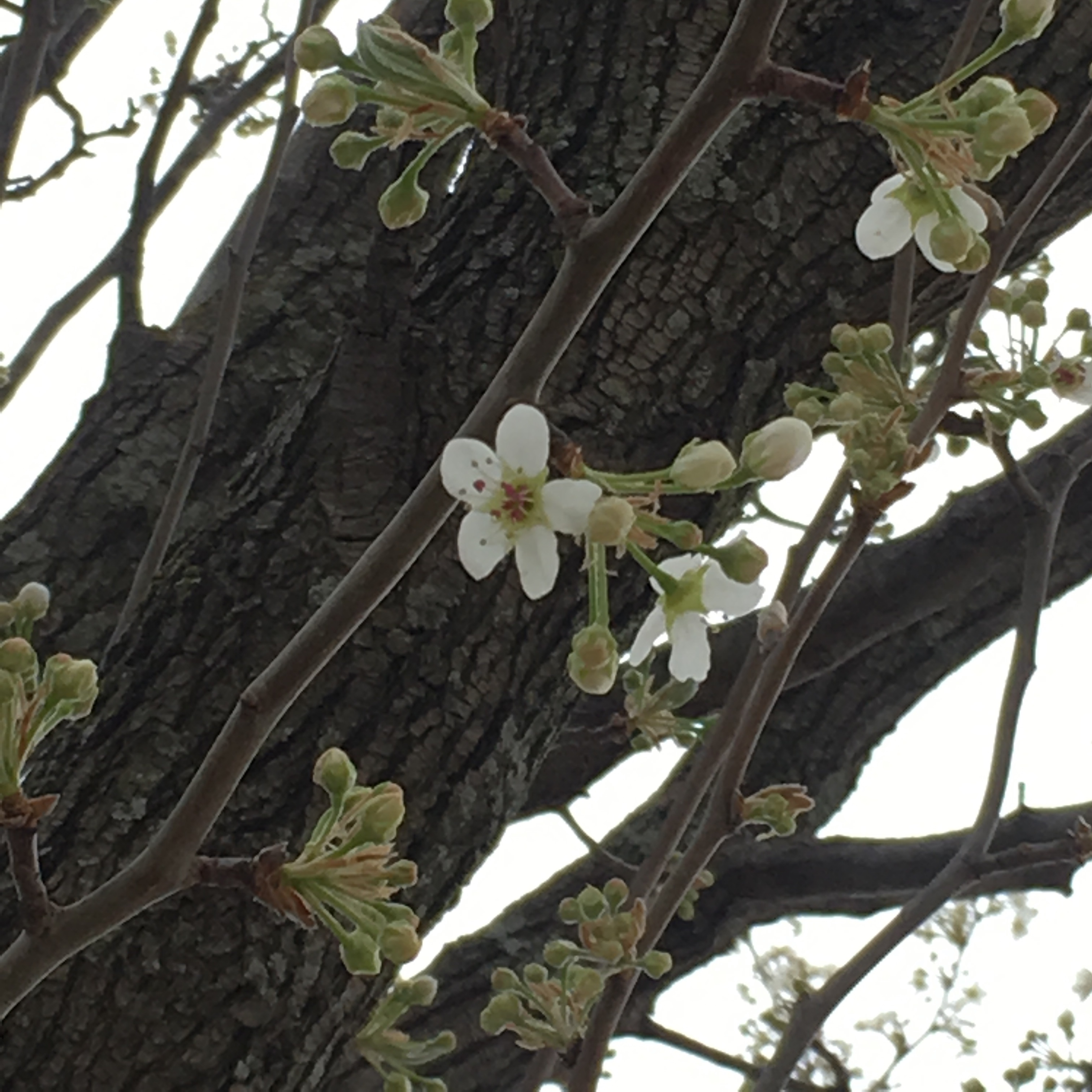
I’m quite excited to see a different kind of white bloom in our little woods. Wild plums! We actually have several of these little trees scattered through the property. I found many of them last fall and gathered and ripened the fruit (the tiny plums are too tart to eat straight, but make a nice jelly). I’m excited that I found at least two more this spring. Being the only tree in our yard with white blooms (we don’t have Bradford Pear or Callery Pear), they are easy to spot amongst all the other dormant branches. I’ve purchased some mylar ribbon to mark the trees so I can find them this November.

White blooms on a wild plum

Now I have had a couple slight panicky moments thinking that we were harboring the dreaded invasive Callery Pear, but it is possible to tell them apart before they bear fruit. Bearly. #punintentional
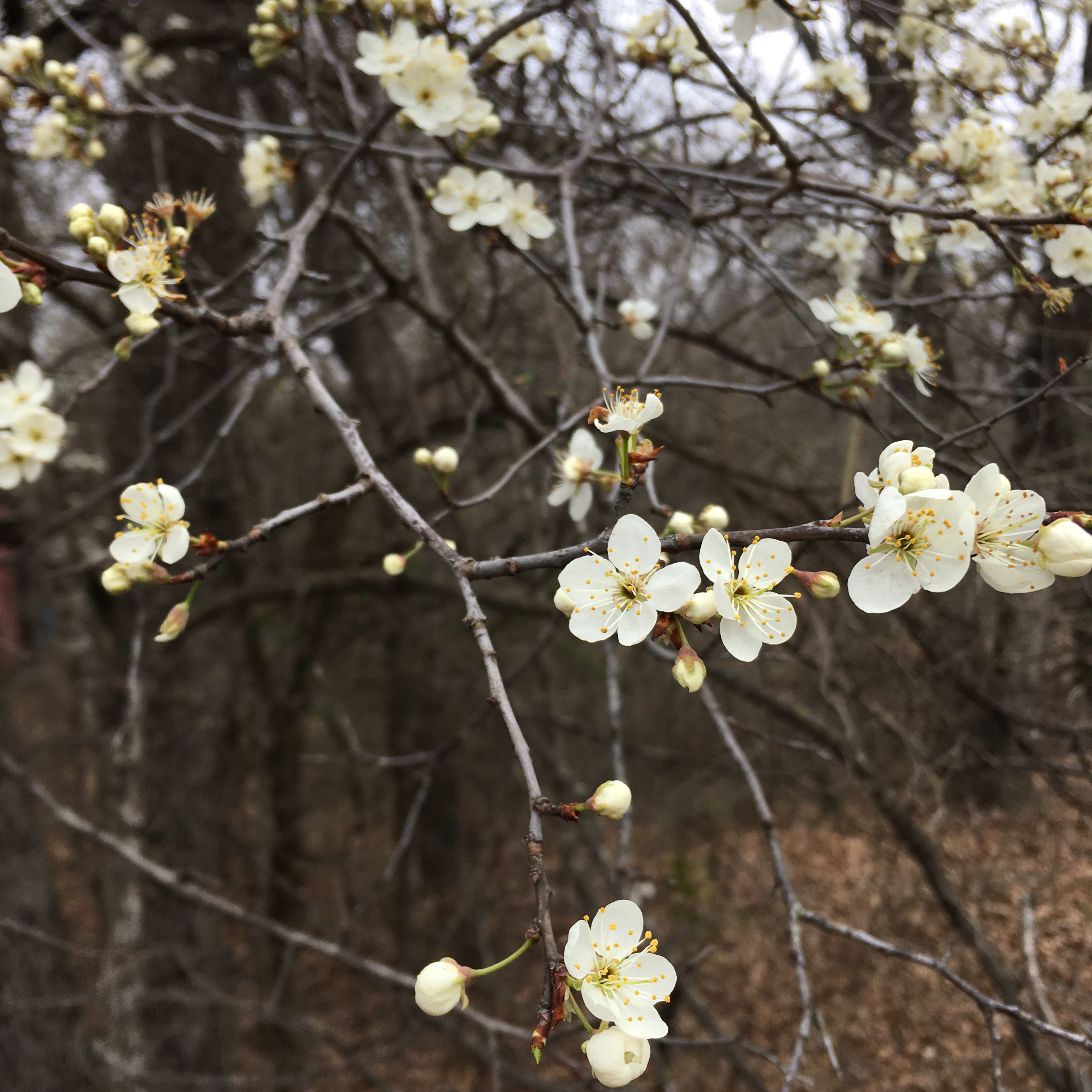
Wild plum blooms

While they both bloom white first thing in spring, and they both have blooms with five petals, the ends of the stamens on the wild plum are yellow, and those of the Callery pear are reddish. And those of the Callery pear stink.
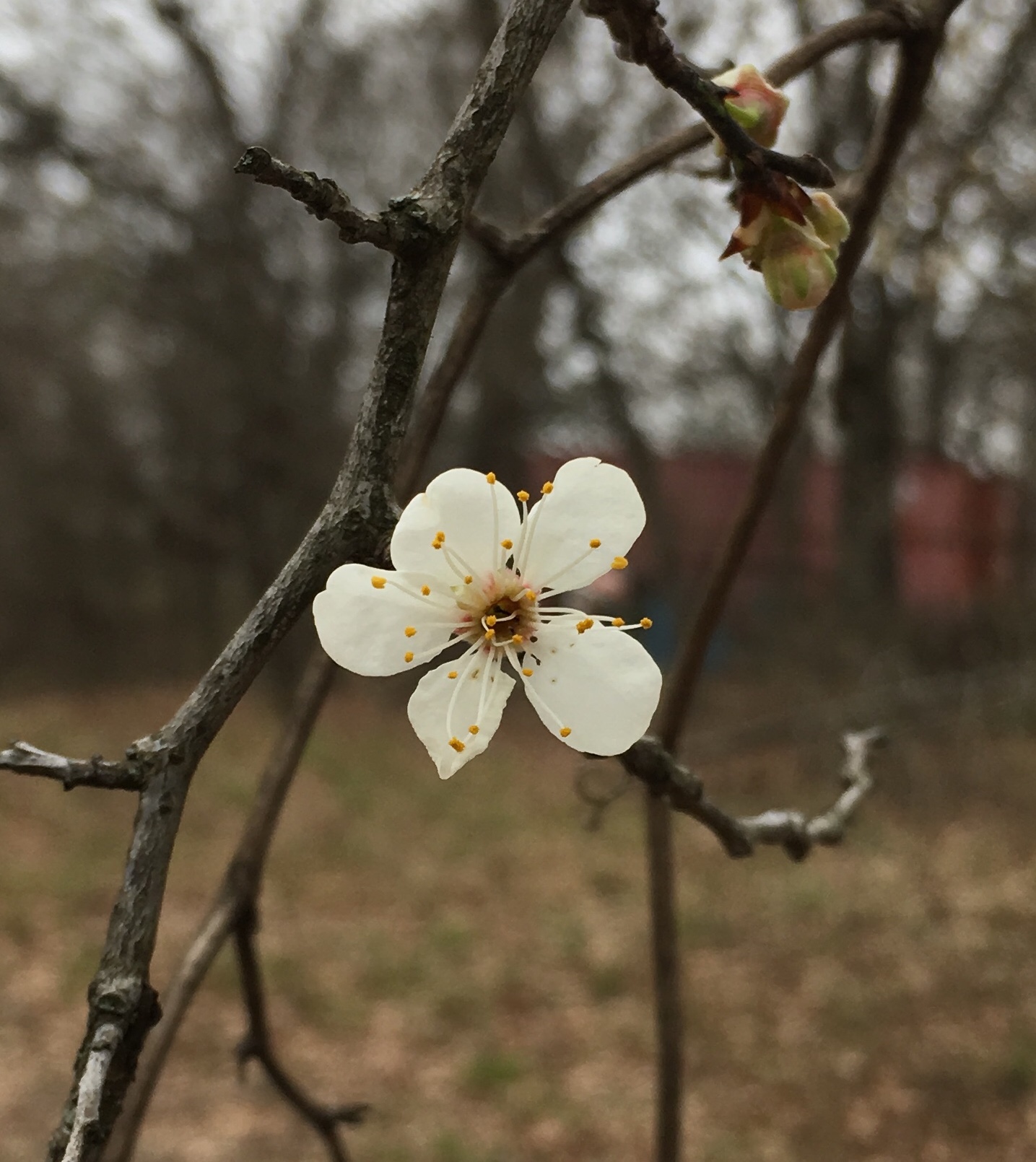
Wild plum flower

I’m hoping for enough tree ripened fruit this year for a few jars of jelly!

Bradford pear

It is spring, and trees are starting to bloom. One of the first to bloom is the Bradford pear, which turns out to be a huge horticultural “oops”.

Bradford pear at a local elementary school

Although it can be beautiful, this ornamental tree was supposed to be sterile. Mostly it doesn’t bear fruit and mess up the carefully groomed sidewalks of suburbia, unless there are other pear trees. Then it apparently can pollinate with every other kind of pear. And those offspring have 3″ thorns, choke out native trees, and are considered an invasive species. Lovely.

And spotting the invasive Callery pear is also pretty easy in the spring.

Invasive species Callery pear along the road side.

Bradford pears are EVERYWHERE when you know what you are looking for. These are behind a local business.

Line of Bradford pear trees
Bradford pear blooms

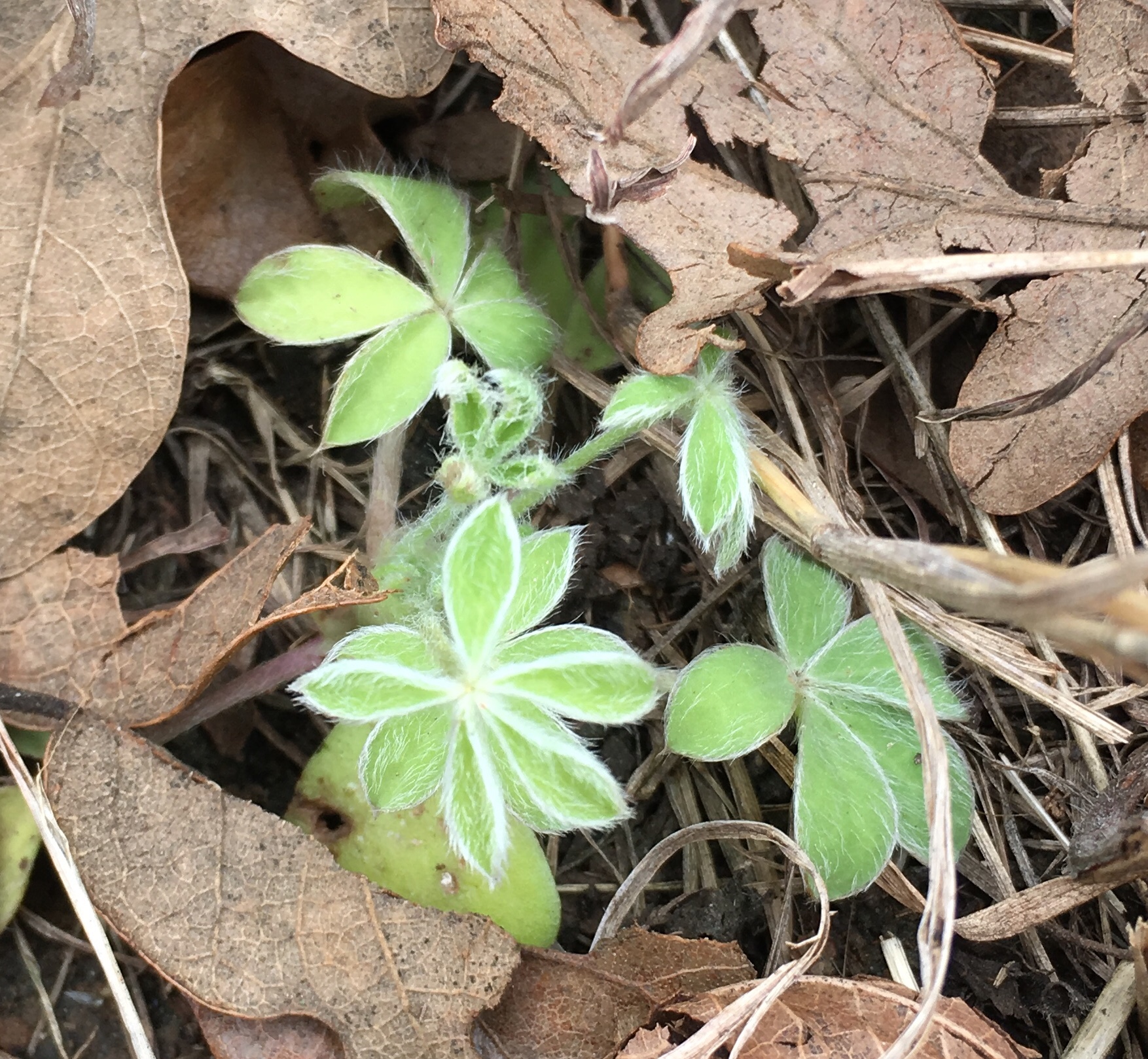
Bluebonnet?

Last fall I spread Texas wild flower seeds (the Lady Bird Johnson mix), and I think we have a blue bonnet growing!

It was hidden in among the dead leaves, but it looks like blue bonnet leaves. After walking the meadow, I only found the one. I am hoping that it is just early. Having a field of blue bonnets would be very Texas. It is a Texas tradition to take pictures in the blue bonnets every year; it would be neat to have a nice patch on the property.

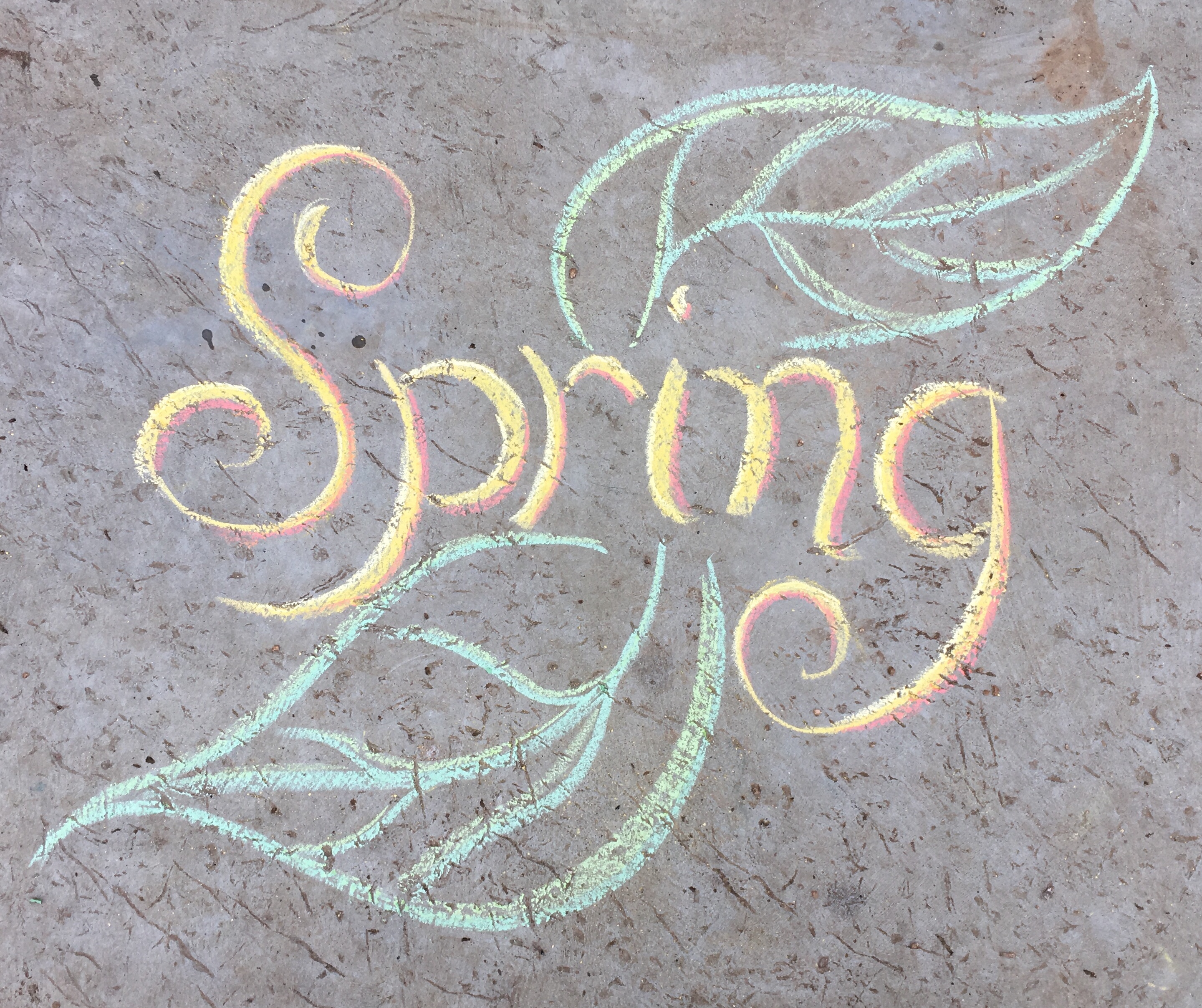
Spring

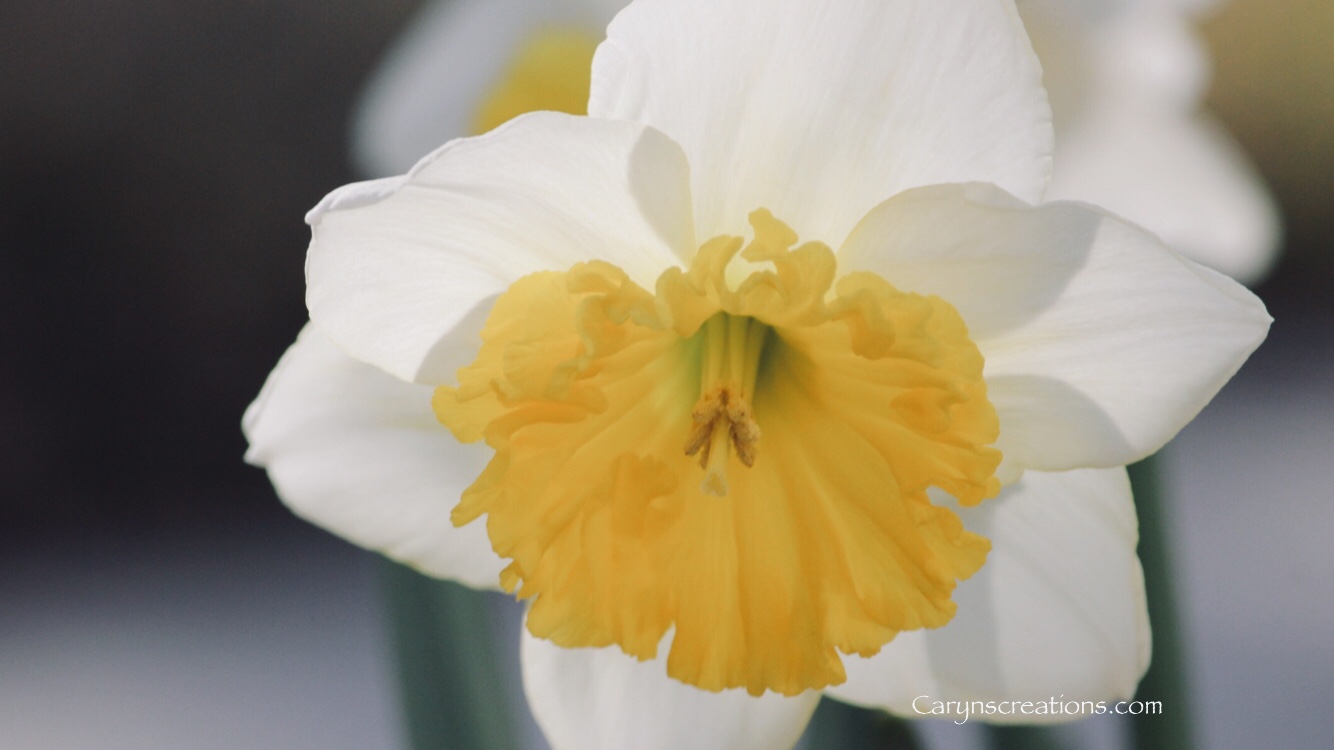
Daffodil

It must be spring. There are calves and baby bunnies; buds on the trees and daffodils. Although I have to admit that the daffodil bulbs I planted in the fall did not surface, so this is a picture of full grown plants that I bought at the store. Maybe they will come back next year.

The iris and day lilies that went into the ground last year are coming up. There is hope.

And chalk. It was nice out and the box of chalks was calling…

Spring chalk art