Long alpaca spin

I finally combed and single spun the last of an alpaca fleece that I purchased and washed in 2020, and started spinning on my Befra Willy Spinning Wheel in 2022. I haven’t been spinning consistently over the last two years; there were many months that the fleece and the wheel were tucked away out of sight and definitely out of mind.

Photo description: Befra Willy Spinning Wheel with a bobbin full of single spun fawn colored alpaca fiber

To free up my bobbin, because the next step is to give the wheel some TLC, I wound the yarn into a cake using my wool winder. I ended up with 196g of spun alpaca (the cardboard tube in the middle weighs 4g).
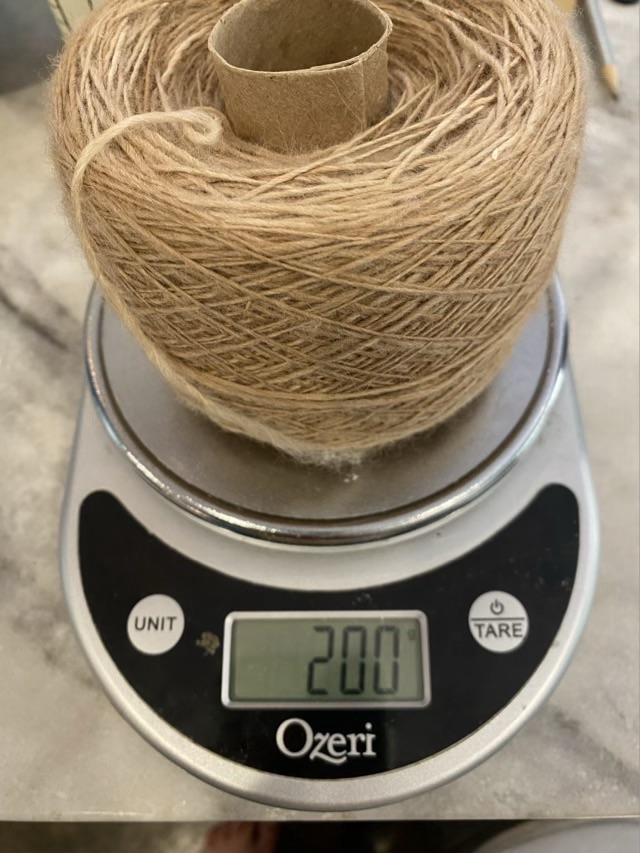
Photo description: cake of single spun alpaca fiber sitting on a scale reading 200g

I put the cardboard tube in to keep the yarn under more tension. Single spun yarn is not balanced, and I wanted to reduce the chance of kinks and tangles. I’m not sure how I want to ply this fiber, so it will sit until I have an idea. I did pull the start of the yarn and the end to compare thickness, and I did a fair job keeping a consistent spin over the two year span. There are some thinner and thicker sections, but not a wide spread.

Photo description: yarn pulled from the center (newest) and the outside (oldest) showing very similar thicknesses

This definitely counts as a forever project. I’m really getting my crafting money’s worth from this alpaca fleece.
Tatting experiment

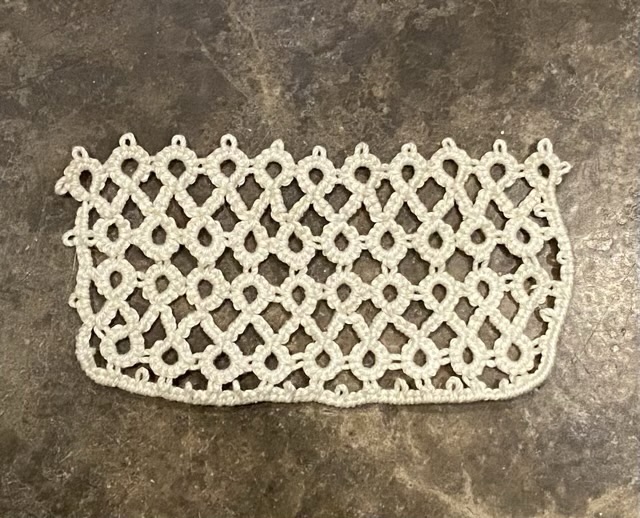
I tried a rectangular tatting experiment, connecting lines of opposite loops (there might be a name for it?) The picots line up well, but I need to work on my end turning techniques. I ran a solid edge around three sides, just for something to use up thread, and it helped me realize that tatting is a double edged craft. I need to be thinking of two sides as I knot. Knitting, crochet, and nålbinding in general work in single rows, making stitches that connect to previous stitches. Tatting “rows” are really connected motifs.

Photo description: rectangle experiment tatted with number 3 cotton, with many learning moments

I did block the piece, but it didn’t even out the wonkiness. It is an odd bit of lace, but I might find a use for it, and it certainly helped me understand tatting construction better.

P.S. This is actually a variation on a Josephine knot; it just puts a closed loop in place of a picot in the middle of the chain.

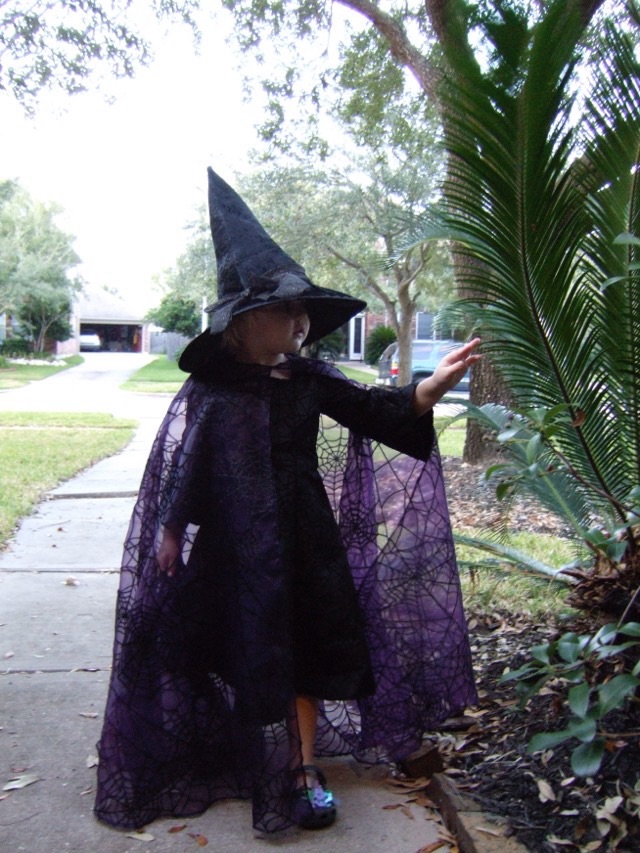
Throwback Thursday: costume

Photo description: witch’s costume with purple spiderweb cape, dress and cape hand sewn, hat purchased

I don’t know what possessed me to sew a kid’s costume when I had a new born, but I did in October 2008. This is the costume that made me realize that it is more expensive to buy fabric than to buy premade costumes. Was it well made and amazing? Yes, it was. Was the spiderweb themed purple sheer and coordinating black fabric so cool? Oh yes. Was it worn more than once? No. The dress was too small within a month, although the cape lived in the dress-up box for years. Was it worth the time and money? No, not for a growing kid. For an adult? Maybe, especially if it will be worn year after year.

Spinning Tencel

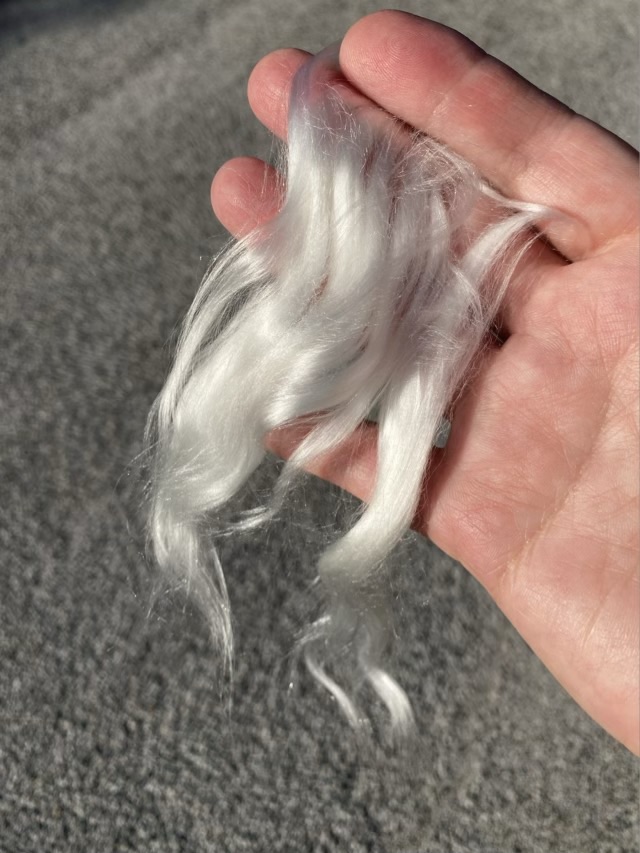
I started on a new fiber sample from my stash: Tencel. Tencel is derived from wood pulp, and the manufacture is reported as an “environmentally friendly closed loop process”. To save you some googling, I looked up what closed loop manufacturing means, and it is essentially that an item can be recycled over and over again. The Tencel sample I have from Hearthside Fibers has a long staple length and a high luster.

Photo description: unspun Tencel fiber held fanned out in my hand in the sun showing a high shine

The fibers are almost slippery, and I’m having trouble spinning consistently. I’m dropping the spindle even more than usual.

Photo description: the beginning of a cop of Tencel single spun yarn on a drop spindle held in the sun to show off the sheen

This sample is going to take me awhile to spin. Not only is it tricky, it is horribly hot outside still, with highs over 100 all week and lows over 80. Yuck.

Oh and yeah, the hook came off my spindle again. Next step is to epoxy the thing in.

Broken

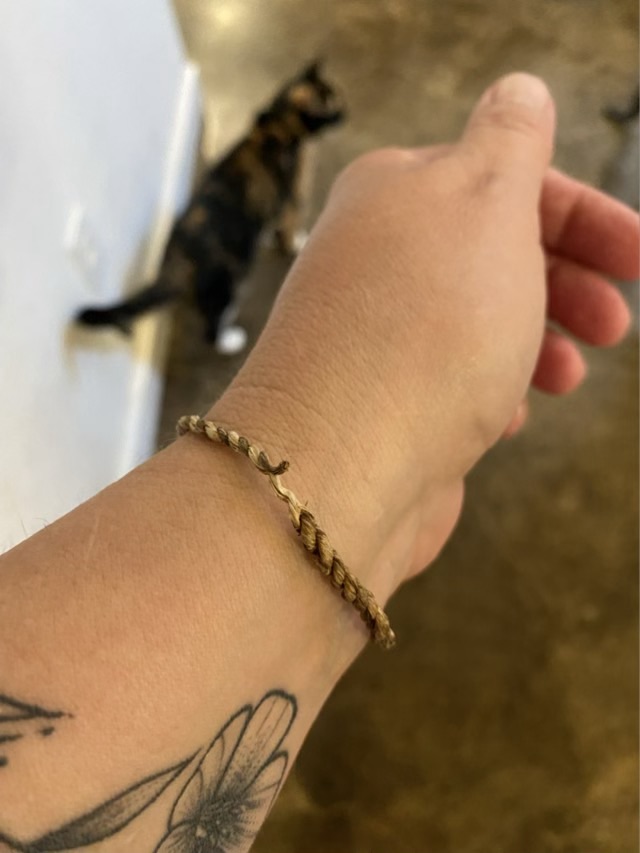
My daylily bracelet finally broke after four weeks of wear. I felt it pop, but didn’t find the break until later where I joined a new leaf into the twine. It was probably the soak in the chlorinated pool that hastened its demise.

Photo description: daylily leaf bracelet with a broken strand on my wrist, calico cat in the background