Chickens: 1 year plus, what has worked and what hasn’t (pt 1)

I thought I’d summarize some of the good and meh of our chicken choices so far! I’m going to break this up into parts, apparently I have much to discuss.

Faverolle hens

Faverolles: I do like this breed, even though mine are hatchery quality and not for show. After reading about what it takes to show chickens, I’m OK with not. My hens are friendly and will still get on my lap if it isn’t too hot. We do deal with bumblefoot often, but sanding down the roosts and perches seems to have helped. We get a variety of egg colors as well, which is interesting.

Tire Dust Bath: I was unsure of this at first, and so were the chickens, but after a few months, the hens really took to this dust bath. When I put in a new batch of wood ash, dirt, and diatomaceous earth, they somehow squeeze two of themselves in the tire to bathe together and there is a waiting line. Their feathers hold a ton of dust and the bath empties out faster than I can refill it. The tire came from our mechanic: I asked if they had any used and they had one that the recycler missed. It doesn’t hurt to ask!

Foot Baths: These are the best for my hens in the hot Texas summer. I bought large plant drip pans from the hardware store and I keep them filled with fresh water. When the temperature is forecast to be over 95, I put a gallon bottle of ice in too. I do clean these out 2 or 3 times a day, but I have a hose run into the coop with a spray handle, so it isn’t a big deal to do when I am out checking for eggs. The hens LOVE these. They go and stand in the water to cool off. Yes, they drink the water too (yuck), which is another reason I clean out the pans frequently. What didn’t work is the homemade AC unit using a styrofoam cooler, fan, and ice packs. It was a pain to setup, it was hard to keep the chickens from eating the styrofoam, and did not make an appreciable difference in the temperature of the coop.

There will be more lessons learned tomorrow!

First hen loss

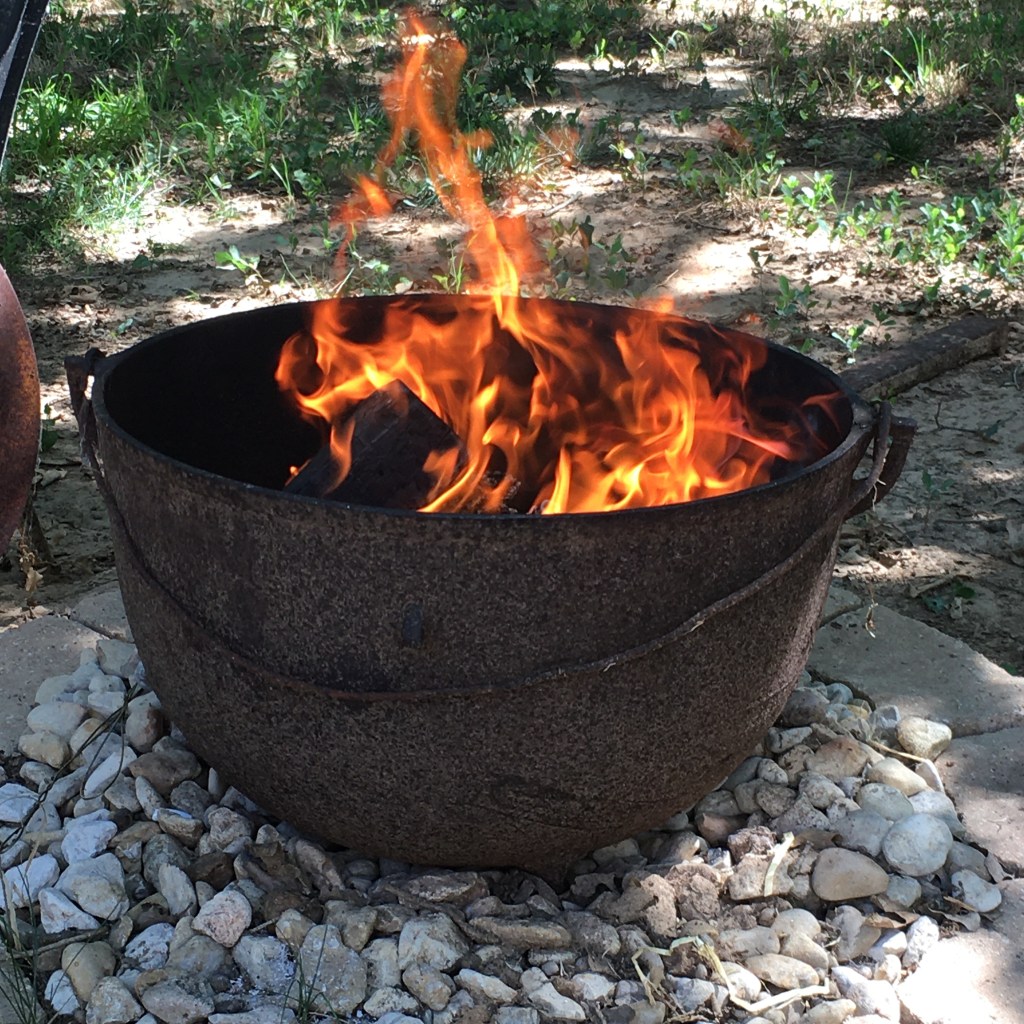
Navi the hen has slipped this mortal coil. She has been struggling with impacted crop probably since last August. She was fine over the winter, crop heavy, but behaviorally fine, but the heat of summer caused her crop to expand until she was laying down more than walking. It came to two choices, put her down or try crop surgery. Turns out it wasn’t either/or. My eldest and I performed the crop surgery as described in Gail Damerow’s “Chicken Health Handbook”. We worked for 30 minutes before we couldn’t take the smell anymore and I couldn’t get anymore of the impacted material out. We cleaned her up and put her in the isolation ward. At first she seemed much better and was alert and more active. As time progressed, however, she was laying down again. Her crop was still full of matter, about the size of a billiard ball (this after we cleaned at least that much out). We made the decision to end her suffering. I followed Gail Damerow’s advice again this time from the book “Raising Chickens” and used the “suitable time-honored method” of dislocating her neck. It was not easy for me, but it was easy for Navi. I attempted a necropsy, enough to see that her crop was indeed still completely impacted with decaying grass and she would not have improved. My eldest joined me for the necropsy, and we even used masks infused with peppermint oil to mask the scent. It didn’t. I could not bring myself to do a complete autopsy. She was nothing but skin and bones and had been starving for a very long time. We built her a funeral pyre in the fire pit. We even added some twig boats to speed her journey. My youngest decided we needed a eulogy, so we shared some nice things about Navi the chicken, and my youngest is also working on gravestone designs. It is going to take me awhile to stop counting to 12.

Navi’s funeral pyre

Nest box shift

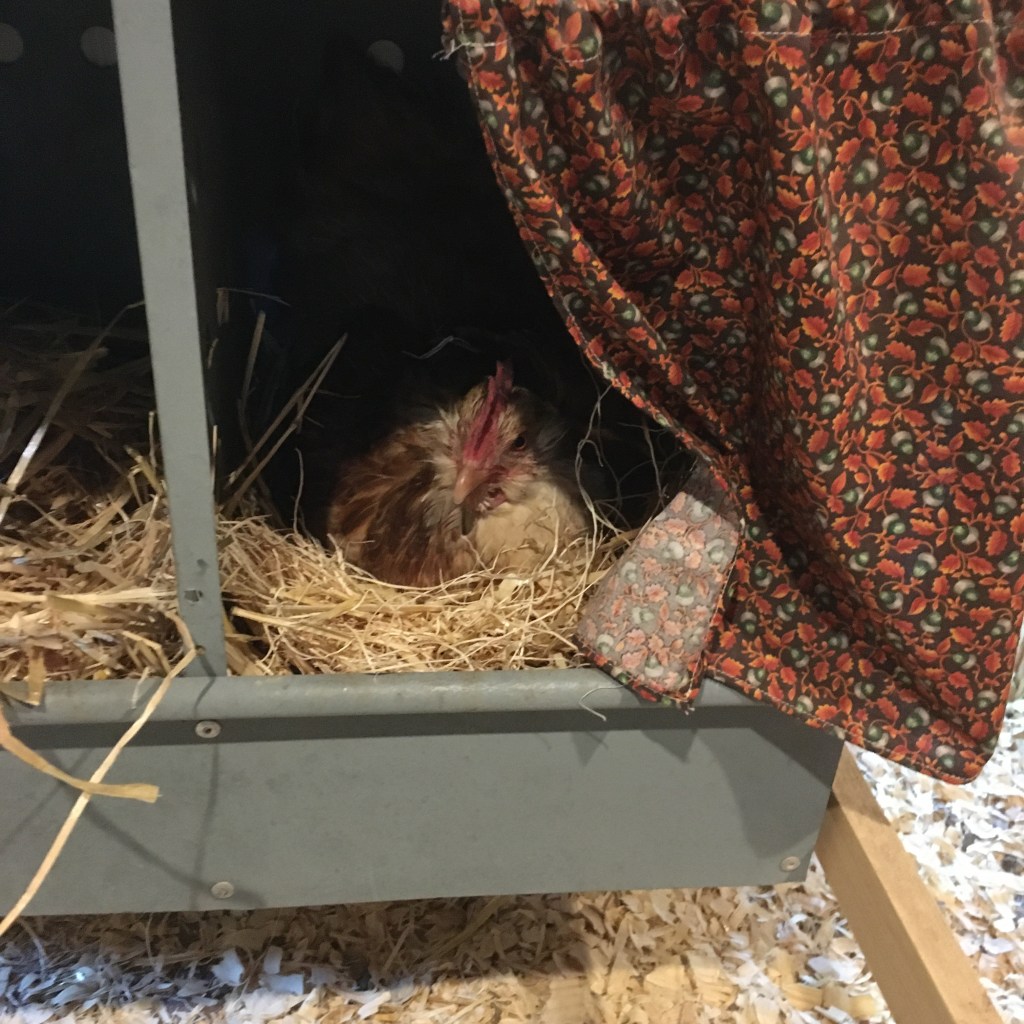
Since the snake visited, the favorite nest boxes have changed. No one is laying in the floor nest boxes, and the new favorite is the right side of the old metal nest box I refurbished. Before snake, no hens laid in that box. Ever. Now they wait their turn for it. And they make themselves fit! Egg production is still way down, or being eaten.

Molting, I hope

Faverolle with no beard or muffs

My poor hens have no beards or muffs, just red wobbly bits under their beaks. I am hoping that this is a result of spring molting and not a permanent condition. Their undersides too have bare patches. Egg production is down, which I thought was because we have had a series of broody hens (when they go broody, they stop laying, even for awhile after they stop sitting the nest). But seeing their naked necks and all the drifting feathers in the coop, perhaps the cause is molting, which also decreases egg production. Time will tell.

Hens enjoying a slice of watermelon, all beardless