All spun up, it was time to craft my alpaca yarn into… something. I needed something to test the properties of the yarn, something to compare to other fibers, something I’m comfortable making… a hat! (I know, none of you are surprised.) I chose to crochet the hat because it goes quickly, and I was anxious to see how it performs. I have read that alpaca doesn’t have the elasticity of wool. There is something about the differences in the crimp of the fiber; wool has more crimp, alpaca less. I went with a smaller crochet hook to get a tighter fabric, to try to compensate for less elasticity.
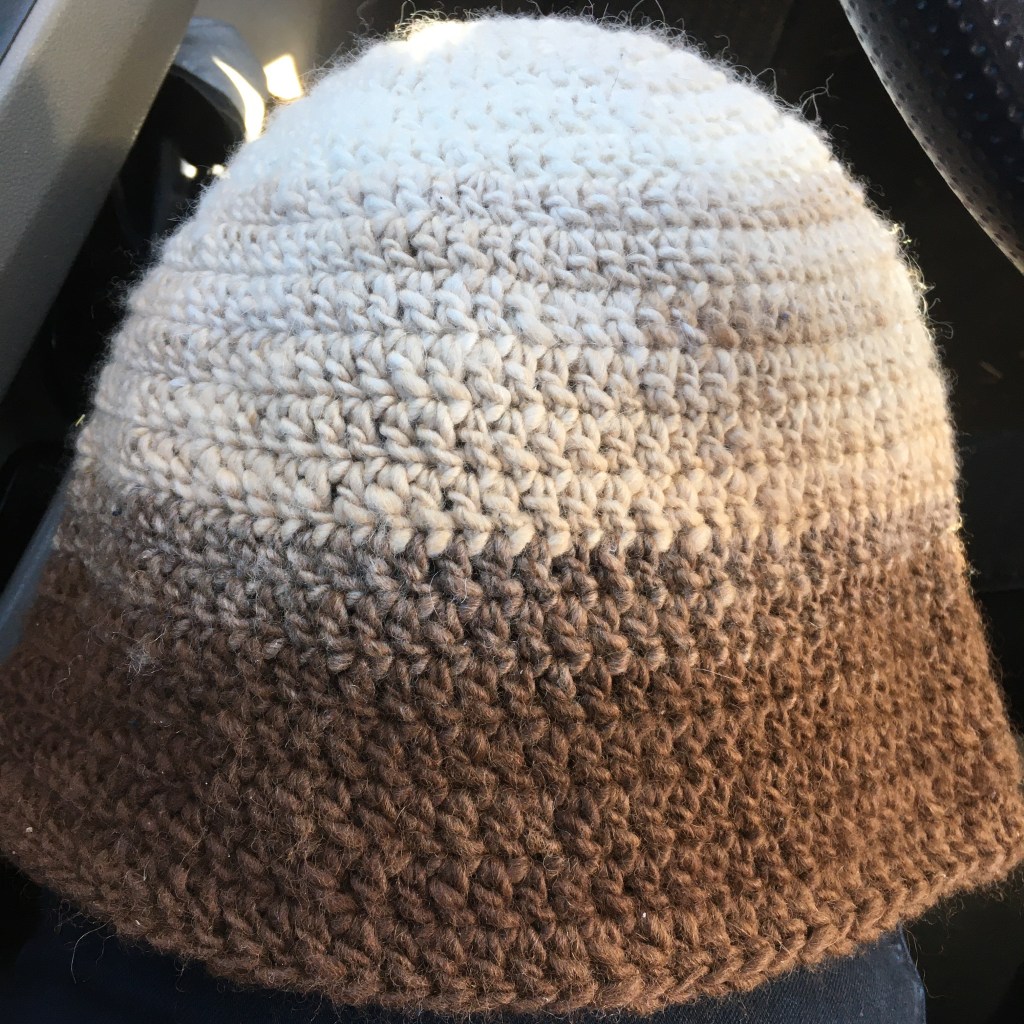
100% undyed alpaca hat, unblocked
The color gradient turned out better than I expected. I would have liked a larger section between the fawn and brown color, but there is more here than I saw in the wound cake, so I’ll take it. The yarn crocheted up nicely. I do like single ply for crochet. The stitches look so much nicer; less like knots.
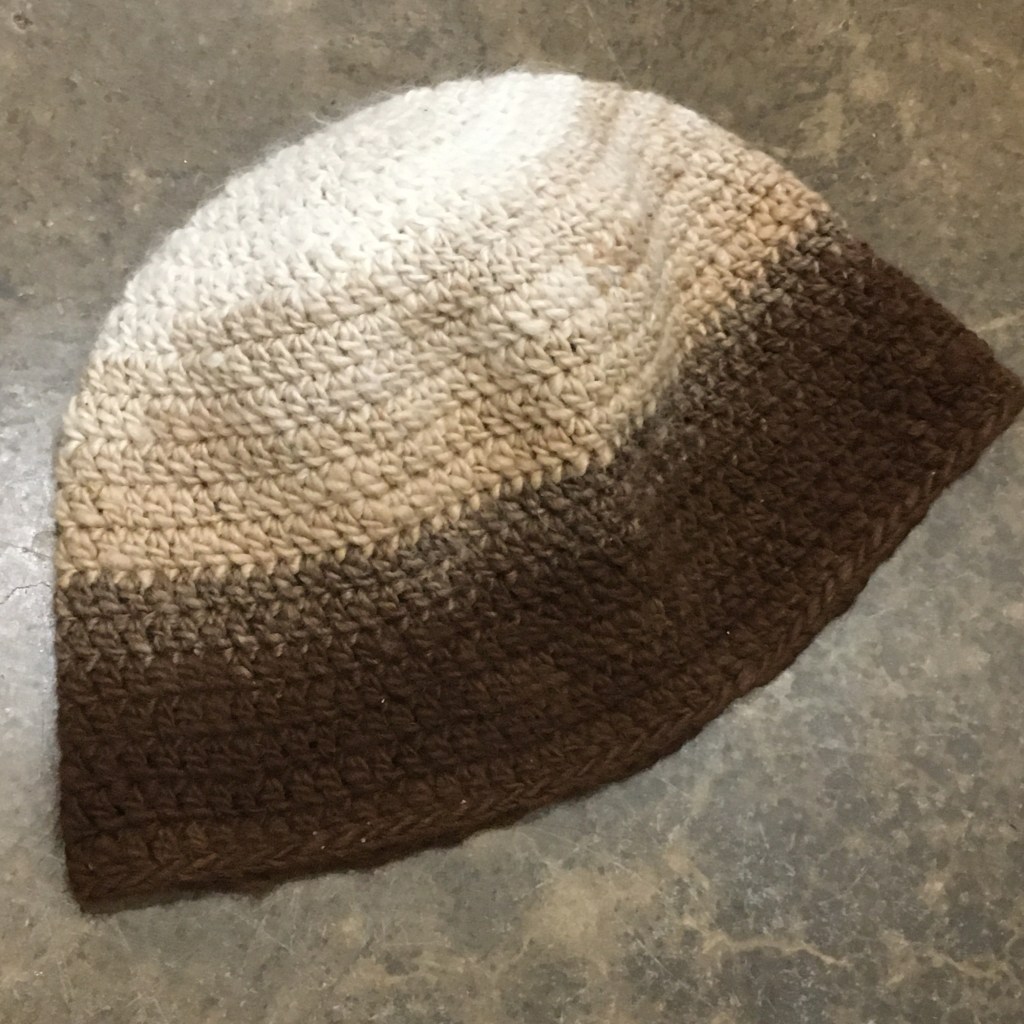
100% undyed alpaca hat, blocked
Interestingly, when I blocked the hat, it was still water resistant. It took some working to actually wet the hat so that I could lay it out to dry.
I wanted to make something special for my Dad’s 75th birthday. I had a piece of soapstone in my stash, and I know he likes small things to go in his shelves, so I pulled it out and stared at it for awhile, willing it to tell me what it wanted to be. It wasn’t talking. My eldest had the idea of doing a relief carving of a koi (koi are long lived). I liked the idea, but the stone was suited better for an unusual relief, more of an emerging. I set about removing the excess material to release the inner koi.
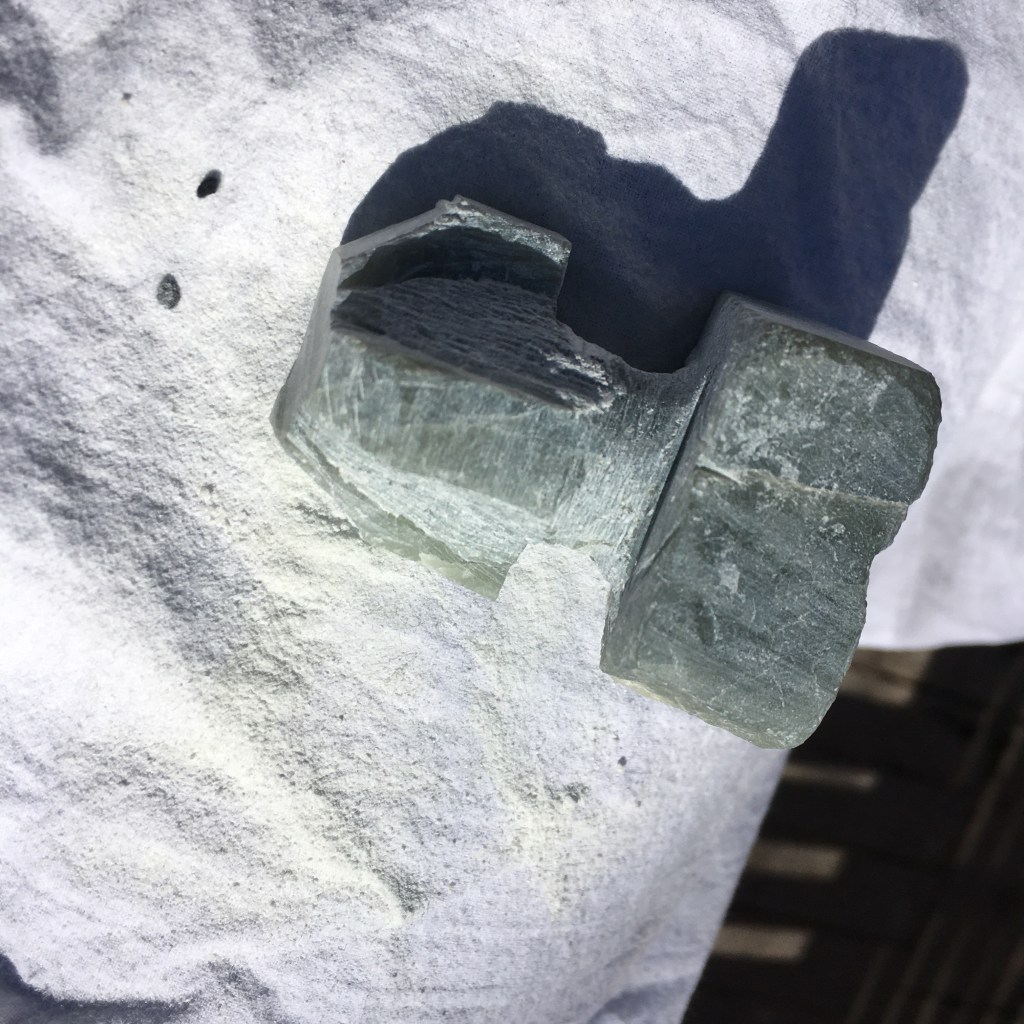
Rough cut fish
The idea in my head was of a fish coming out from under a ledge. I under cut the top, and rough cut the shape using the bandsaw and a small hand saw.
Shape refining with riffler files
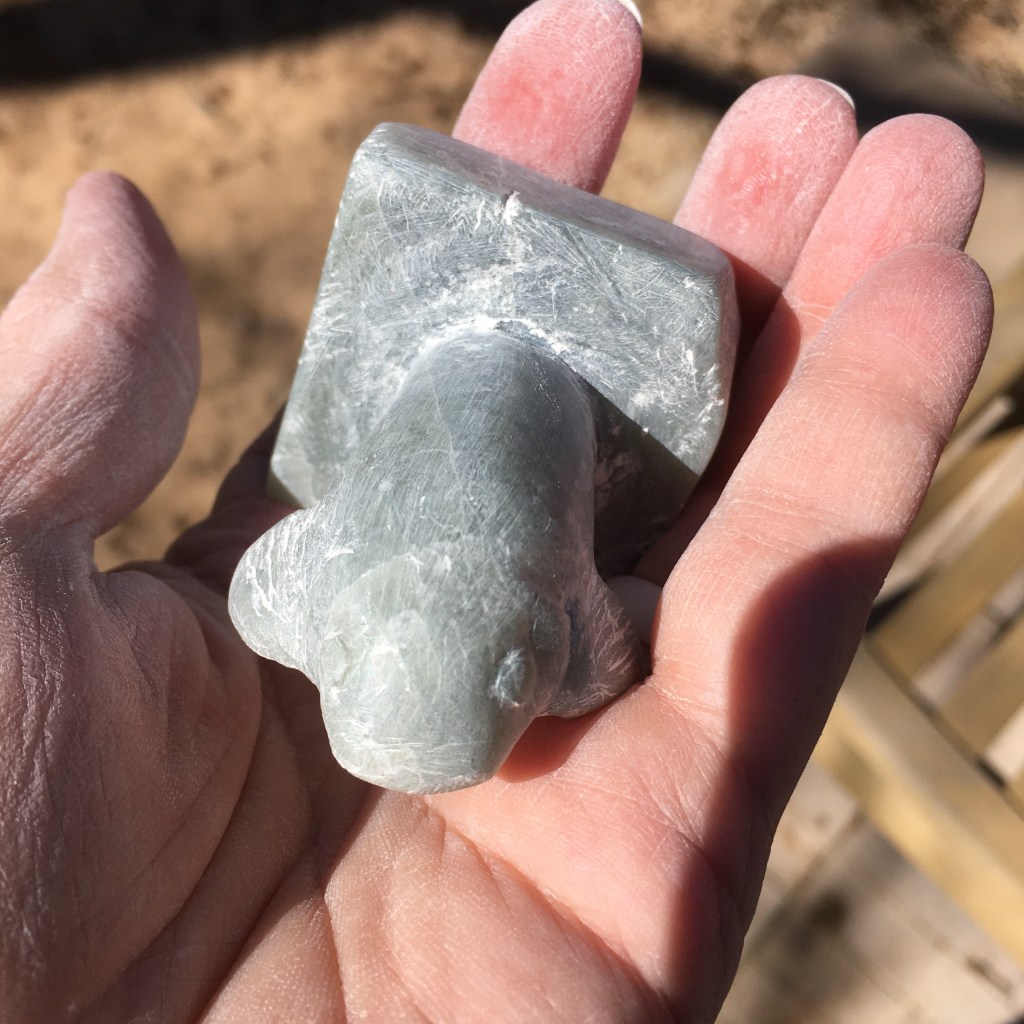
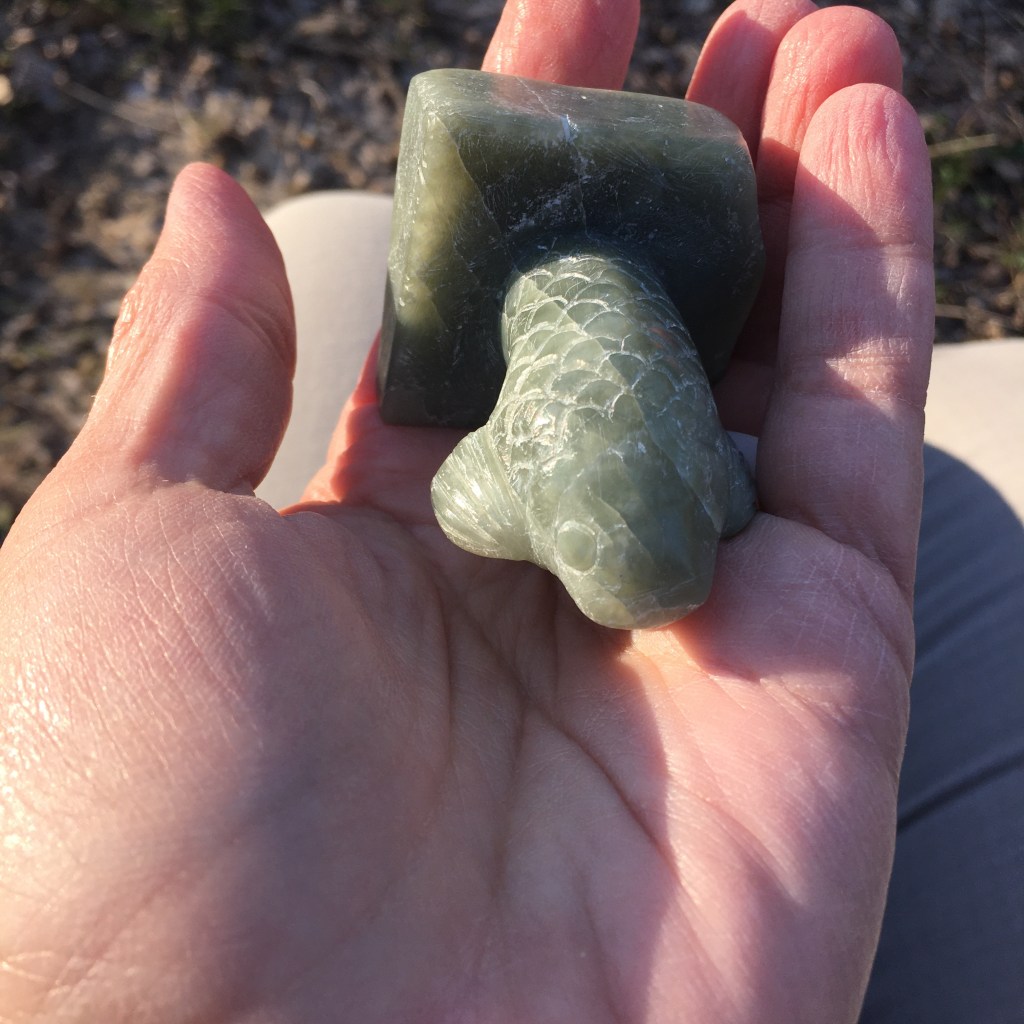
With the basic shape set, I went to work with my coarse riffler files. Oh what a hardship to sit outside in the sun filing away! More like a present to me. When I felt like the carving looked more fish than manatee, I set in with the fine riffler files.
Eyes and scales defined with an awl and knives
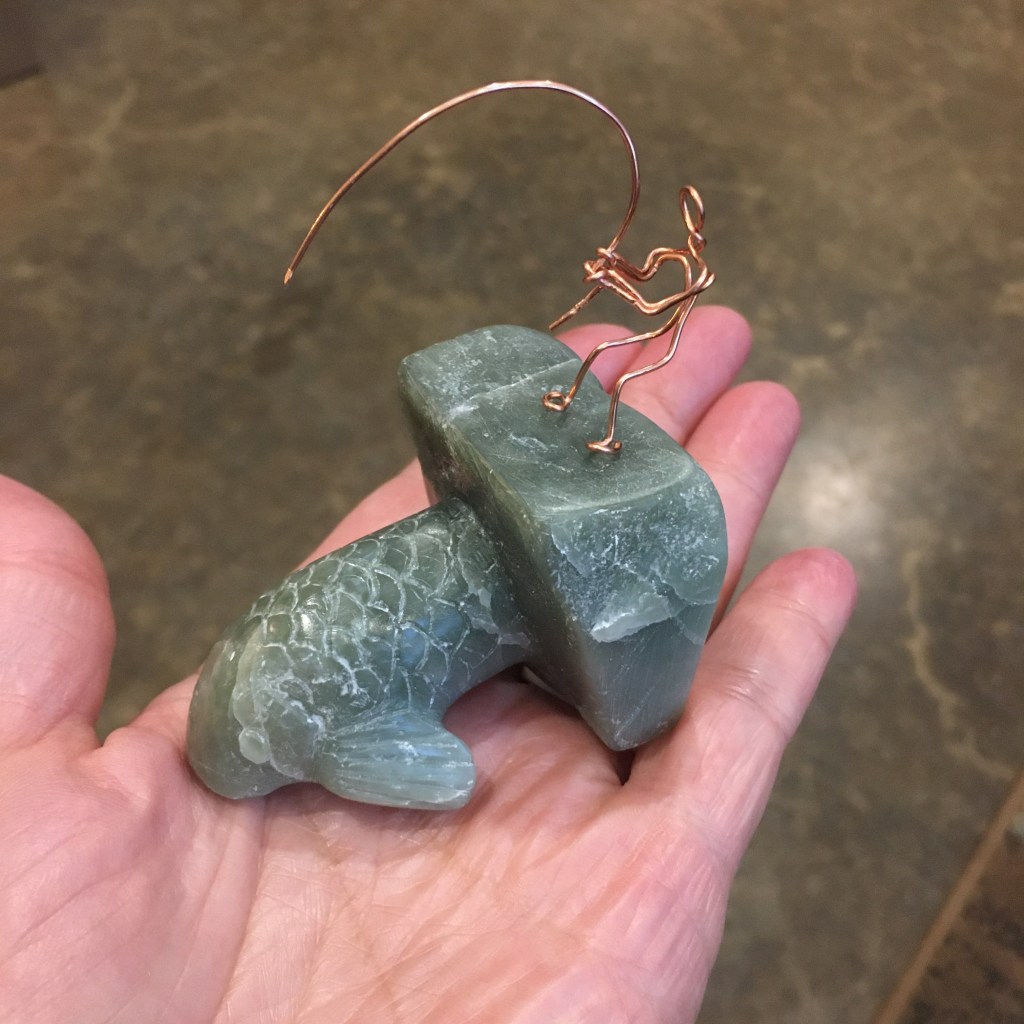
When I was pleased with the curves, I then sanded the riffler marks out and set about carving in details with an awl and knives. I was hesitant about carving scales, but this time the stone told me quite clearly that it wanted scales. I moved inside for this, since it didn’t produce nearly as much dust as shaping. When the scales were carved in, and I was pleased with the depth of the definition of the gills and eyes, I did another light sanding with 400 grit sandpaper. Then to get some gloss, I applied three layers of microcrystalline wax. Wow, the shine! My youngest thought that there should also be a fisherman, so I made a small copper figure pulling on a bent pole to reel in the massive fish. I drilled two tiny holes on the top of the ledge, and there are two wire spikes on the feet of the fisherman that fit in the holes. I am pleased with the motion of the wire figure; he is working hard to land that fish!
Small copper fisherman added to the sculpture
Rather than super glue the fisherman in place, I think I will ship the piece separated. The soapstone is weighty, and the copper figure is delicate. I would hate for the tiny massive fish to squish our champion.
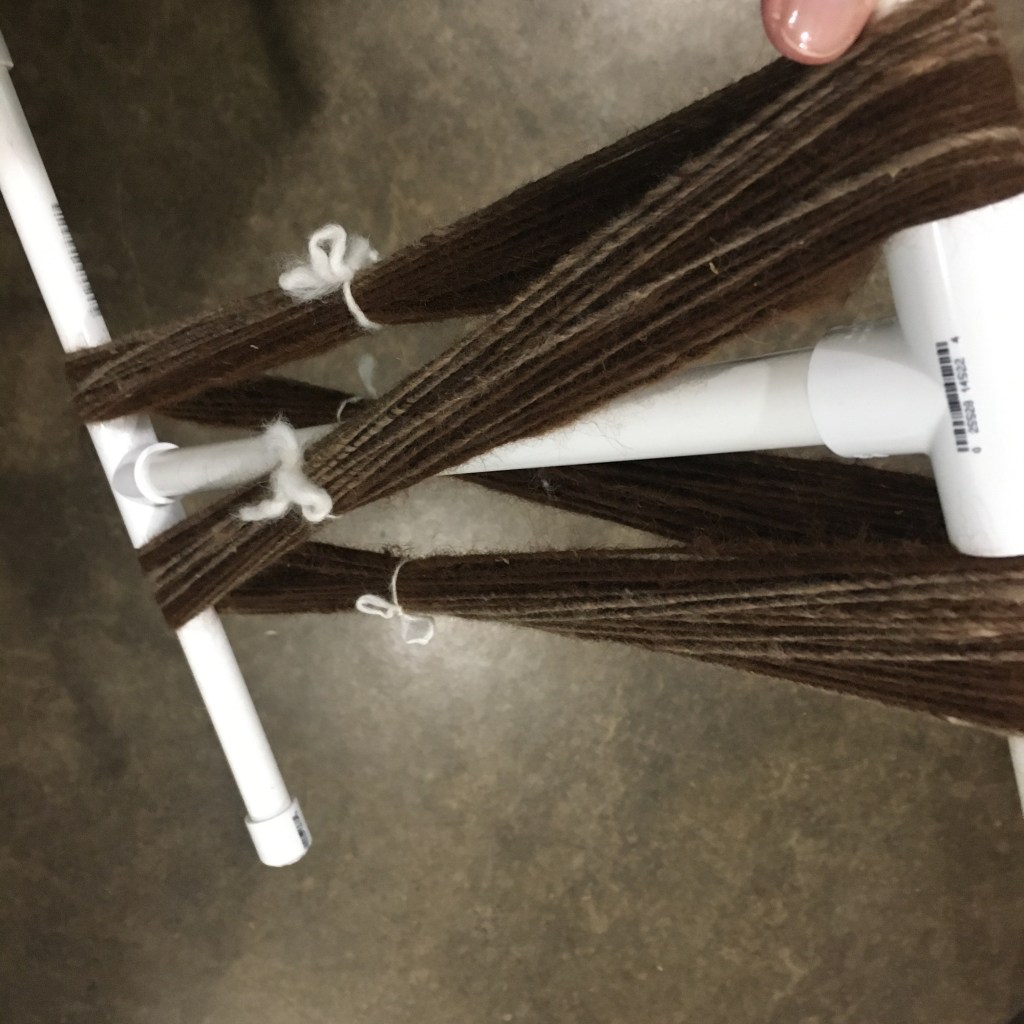
I spindle spun the blend of fawn and dark brown alpaca fiber. My consistency is decent when I am paying attention. If I am watching my youngest play Zelda Breath of the Wind, however, the yarn goes thin then thick pretty quickly. Oops.
Donabella and Amiee’s fiber spun up and then wrapped on the niddy noddy.
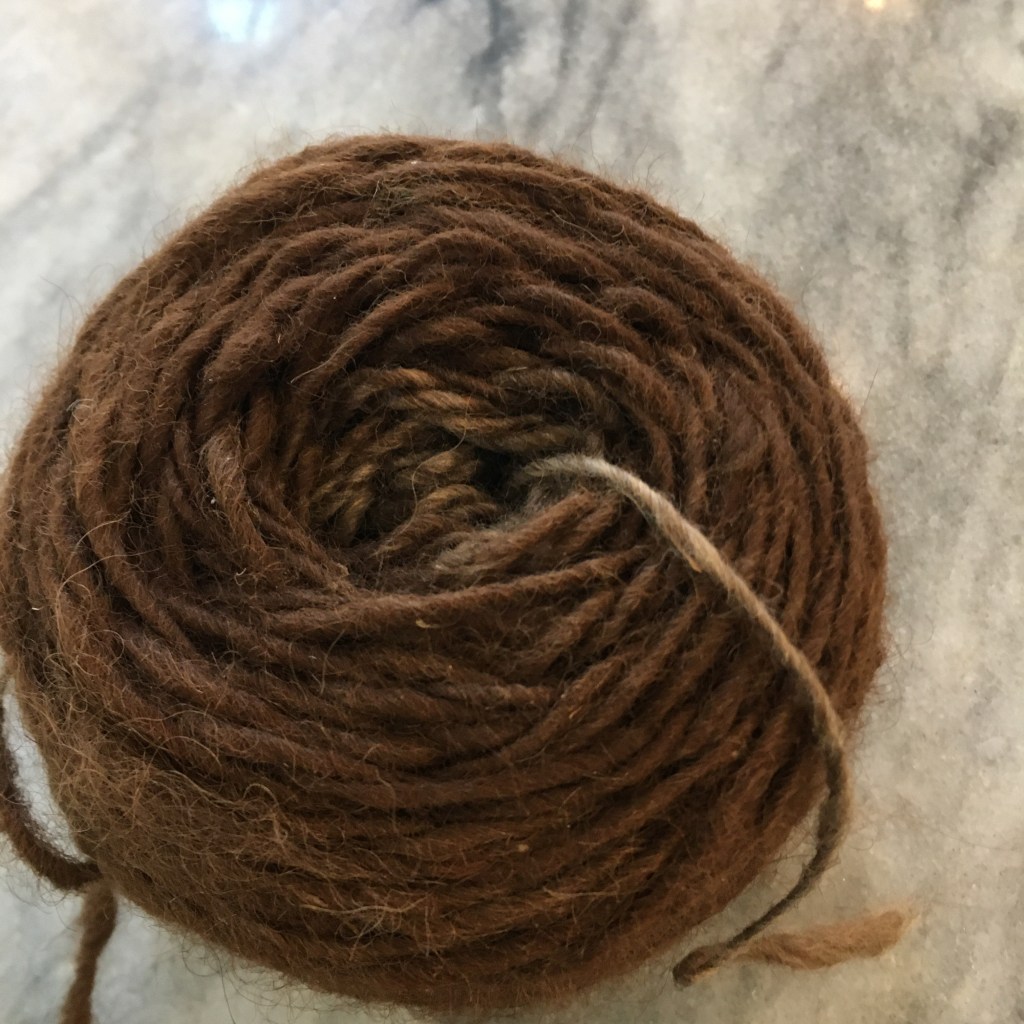
The fawn color really disappeared quickly into the brown. I’m not sure I’m going to get the gradient I was hoping for when I make something with this. We will see!
Yarn wound into a cake. The blended part is almost undetectable
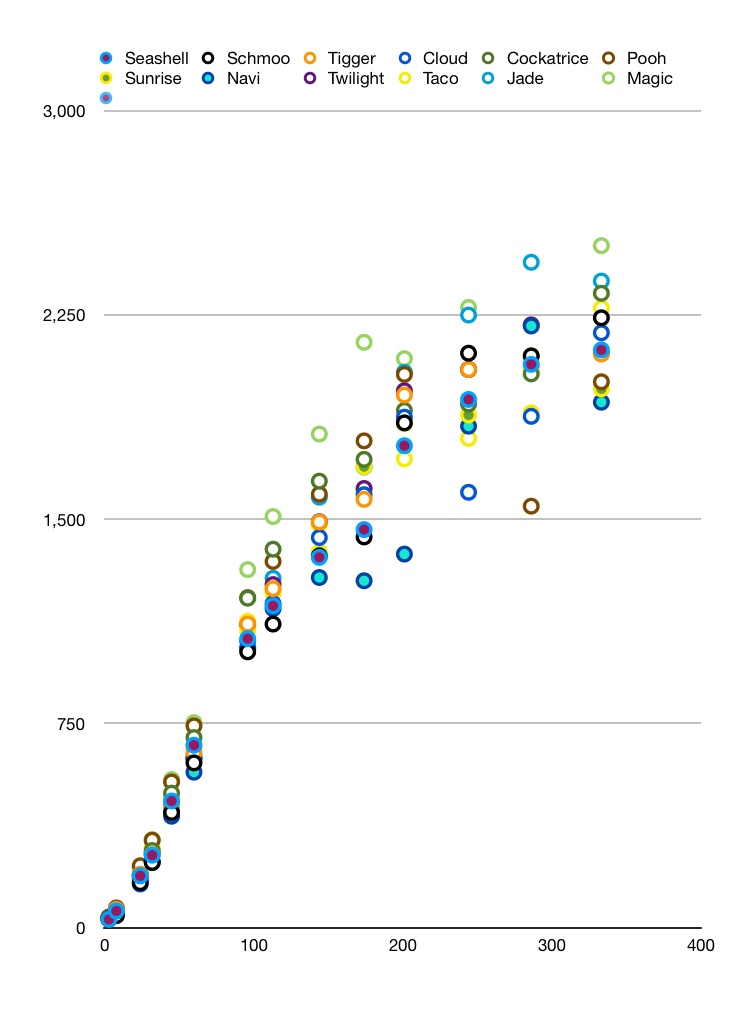
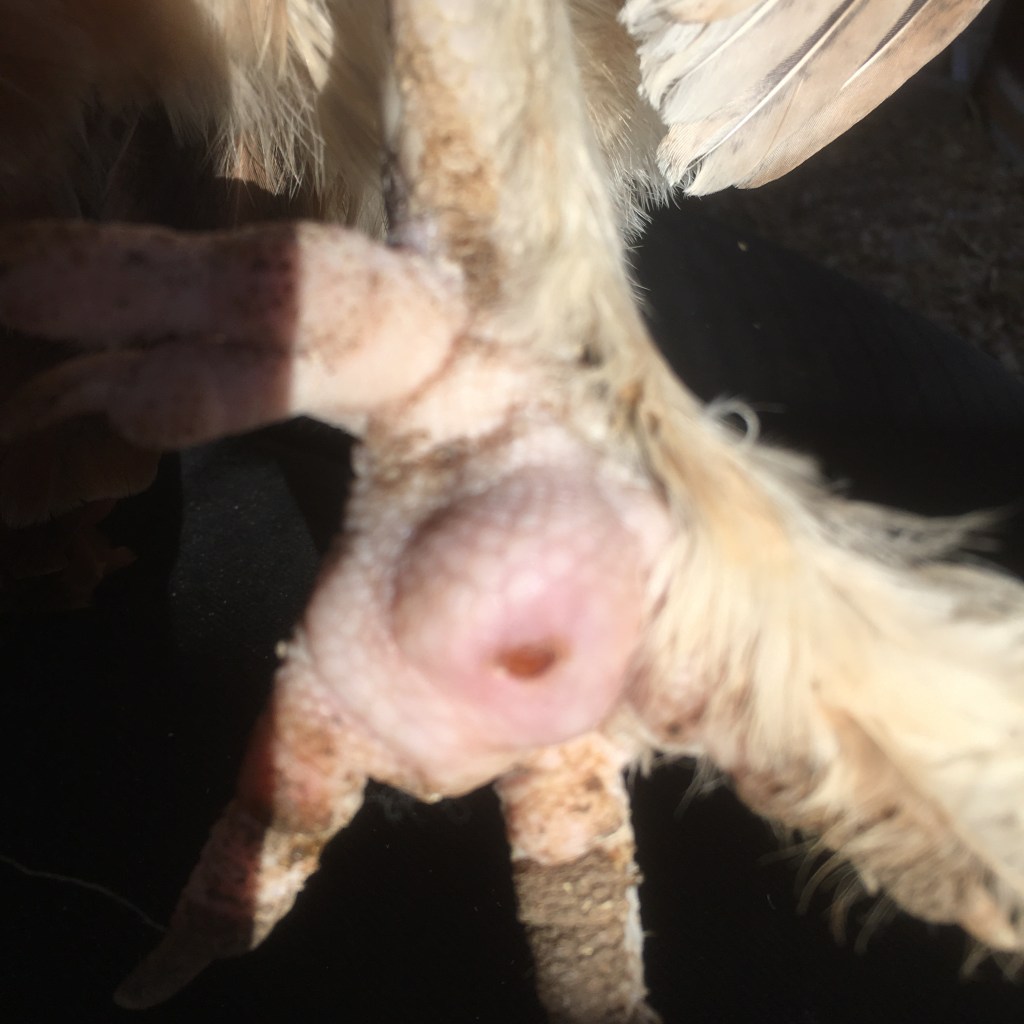
The bumble foot occurrence has brought to light a puzzling error. Somehow we had two hens marked with a green and yellow band on the left foot. Wha? We don’t have two Sunrises, what the heck happened? To solve the mystery, we did a chicken health check, because that is a time when we separate the checked from the unchecked and handle each bird separately. The health check also revealed that we had another hen with no bands. We weighed, checked under wings for parasites (all clear), checked vents (two with dirty bums, which is down from last check), and checked feet. We found two more hens with bumble foot, and two that we soaked their feet in epsom salts to make sure it was mud and not bumble foot. Both “Sunrises” have bumble foot, but based on weight and temperament, we figured out that one was Magic, and took her extra yellow band off (still no clue why she had it). The bandless hen was Cockatrice. We soaked and removed the bumbles and wrapped up the treated feet. Navi still has a large crop, but it is not squishy. Chickens that showed weight loss last time have gained again. It was certainly the most intense health check we’ve done to date! Whew!
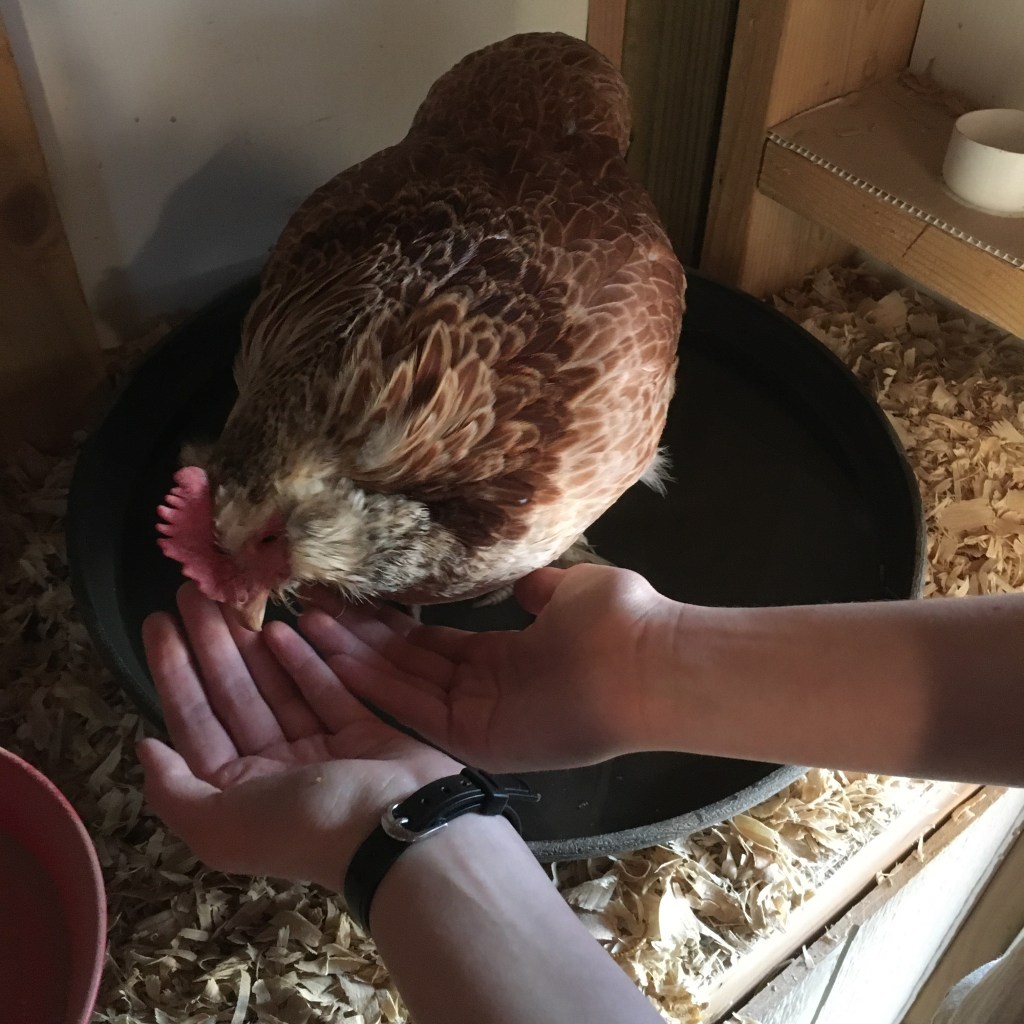
The hen with bumble foot still has swelling, so we set up an epson salt and warm water foot bath. My chickens really like foot baths, so this was not a hardship or scary for her! (Next time I find bumblefoot, this a soak will be the first step.)
Some swelling still on the pad of the foot
We set up the foot bath (which is a large plant pot tray) inside the isolation ward (cupboard with screen) so we could keep her from drinking the water. My eldest gave her some mealworms, which she appreciated! We had her hang out there for several minutes before taking her out. I couldn’t get anymore out of the wound, so we wrapped it up again and let her be on her merry way.

 Critters and Craft