
I moved some pots and found a slimy little ball that I am pretty sure is a hibernating slug. First time for everything. I did not replace the protective pot. One less slug in my herb garden is not a bad thing.

I moved some pots and found a slimy little ball that I am pretty sure is a hibernating slug. First time for everything. I did not replace the protective pot. One less slug in my herb garden is not a bad thing.
I tried another kind of spindle: a Mayan spindle. It uses a paddle on an axel to generate spin, and I’ve read that it is easier to use in confined spaces.
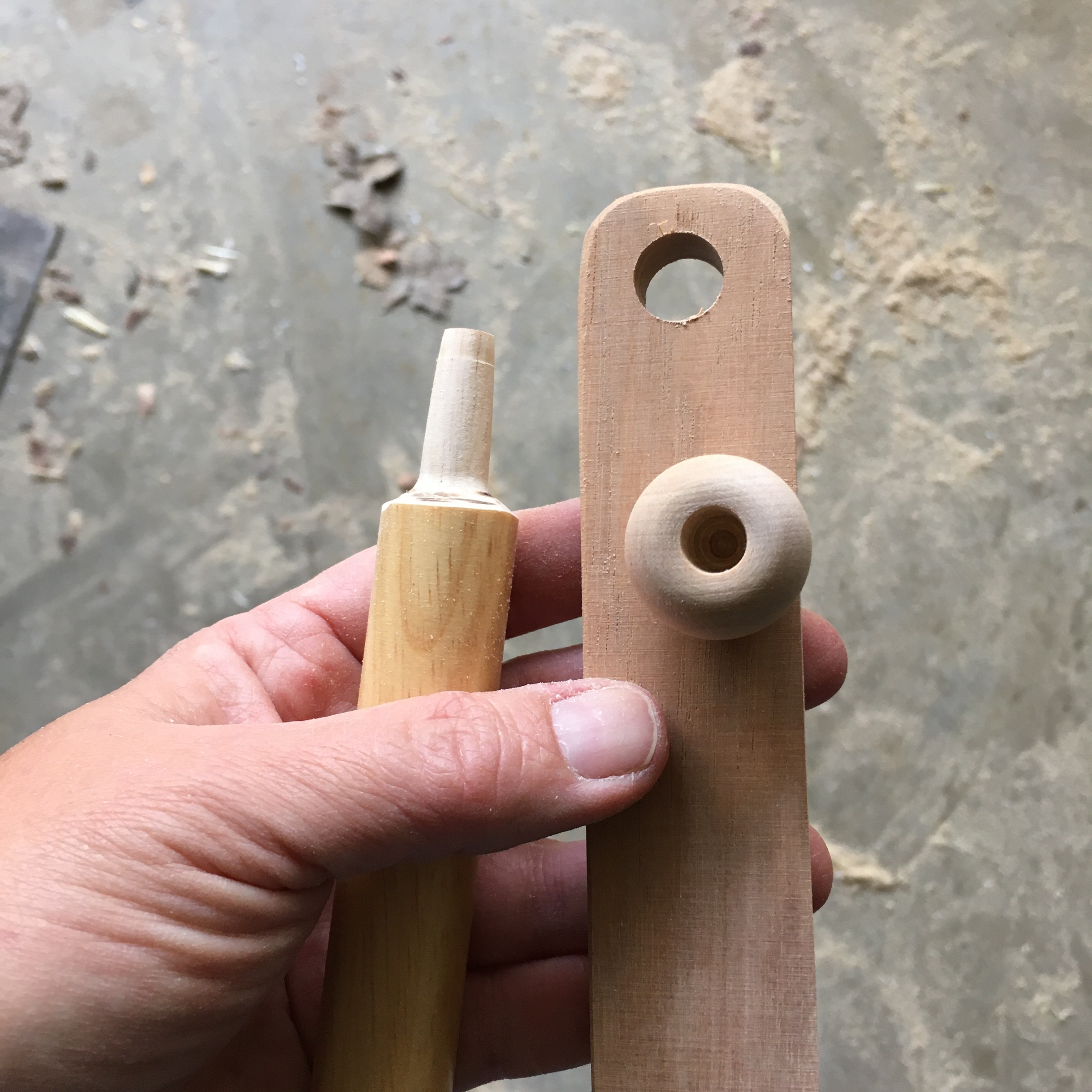
I sanded down the end of a dowel for the axel, sanded a scrap piece of hardwood, drilled a hole in one end, and drilled a hole halfway through a wood ball. The ball is friction fit onto the end of the axel to keep the paddle from flying off.
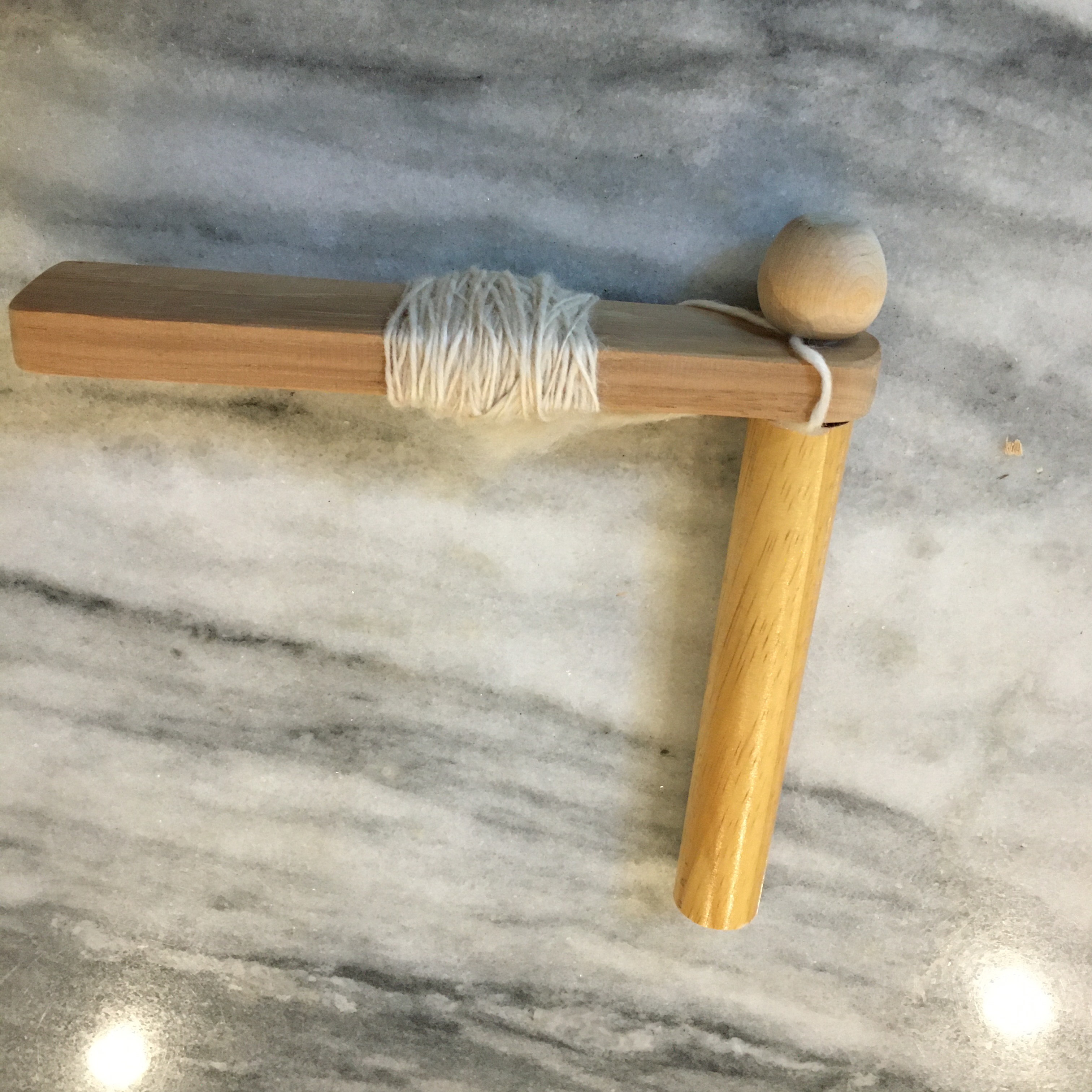
I think I made the paddle too large. It was fairly easy to spin the paddle, but it is heavy. Since making this, I’ve also seen other variations where the paddle is slid onto the shaft, rather than being fixed.
The Mayan spindle doesn’t build up as much twist as fast as a drop spindle, so it is not my current go to spindle, but it was a fun experiment!
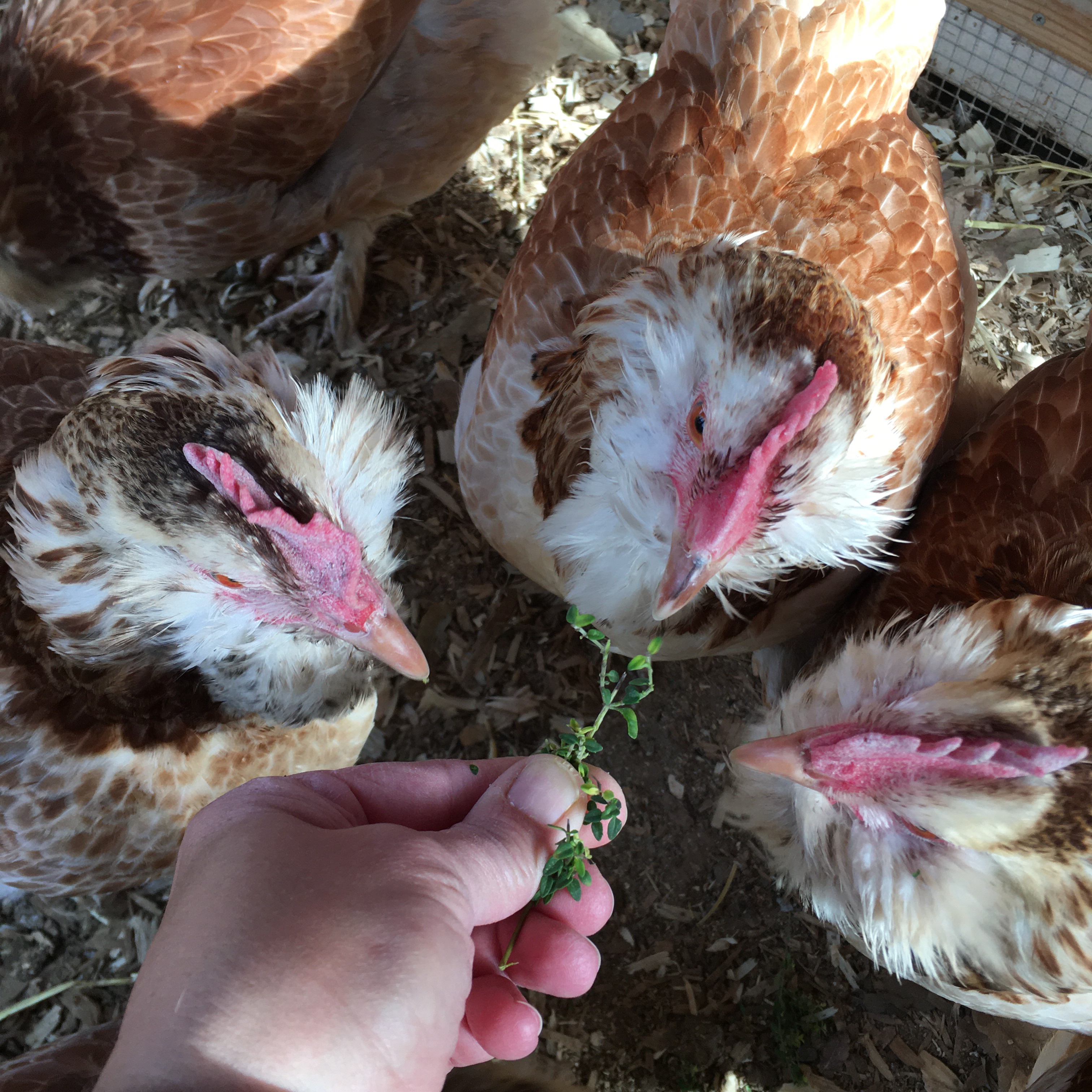
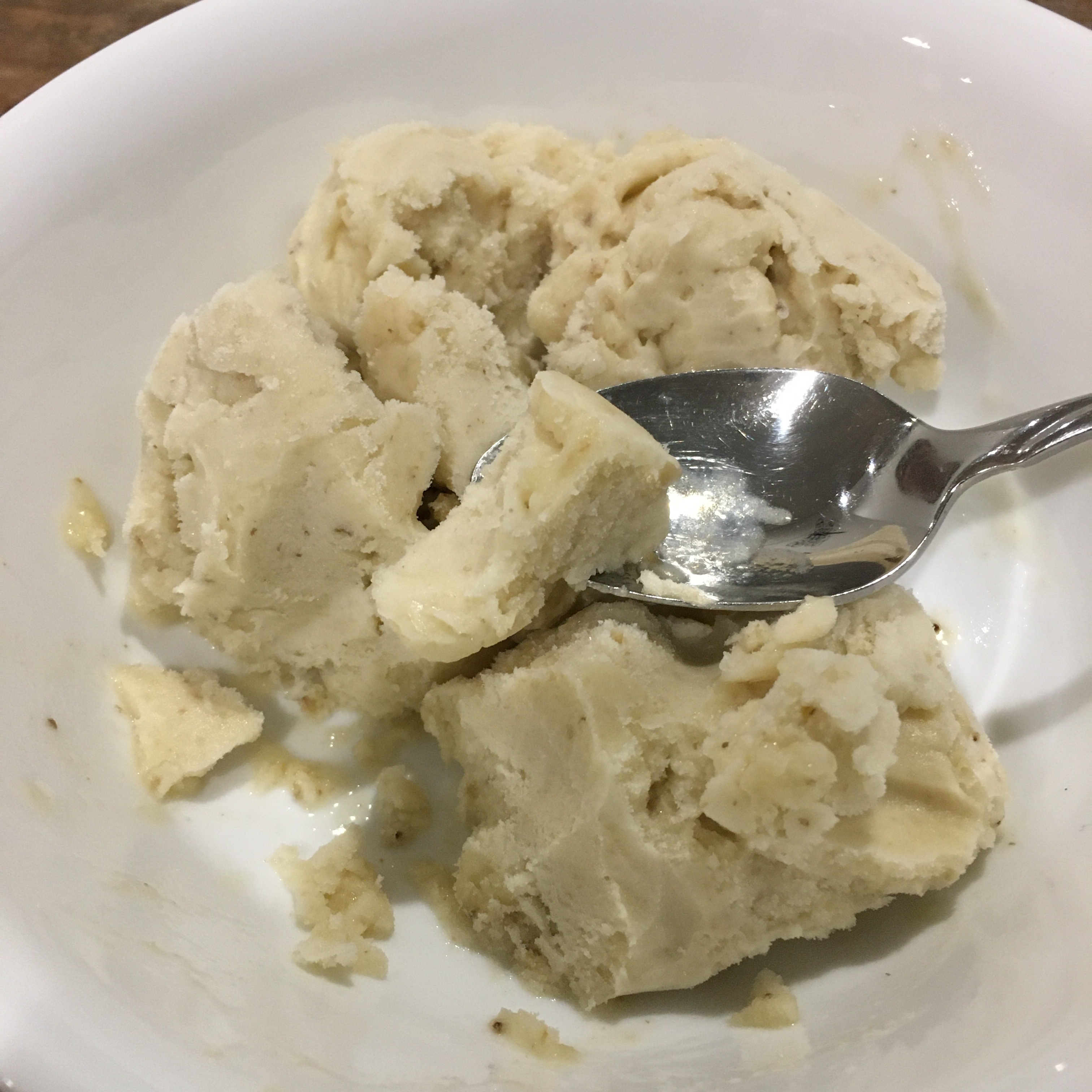
I know, it is November, and I want to make ice cream?!? Well I had overripe bananas and I did not want to make banana bread (What?!? The horror!) because it wasn’t just one overripe banana, it was four. And before you say, well banana bread freezes, I want to let you know that frozen banana bread is delicious and I can hear it calling even through the closed freezer door. Muffin shapes are even better straight out of the freezer.
Anyway, searching for things to do with overripe bananas yielded a plethora of single ingredient ice cream recipes. You can google it, or just slice your ripe banana, freeze it, purée it in a blender, and eat it. I followed an instruction to freeze it again after processing, but it became very hard. I had to leave it on the counter for awhile before it softened. Maybe pin this for summer, though.

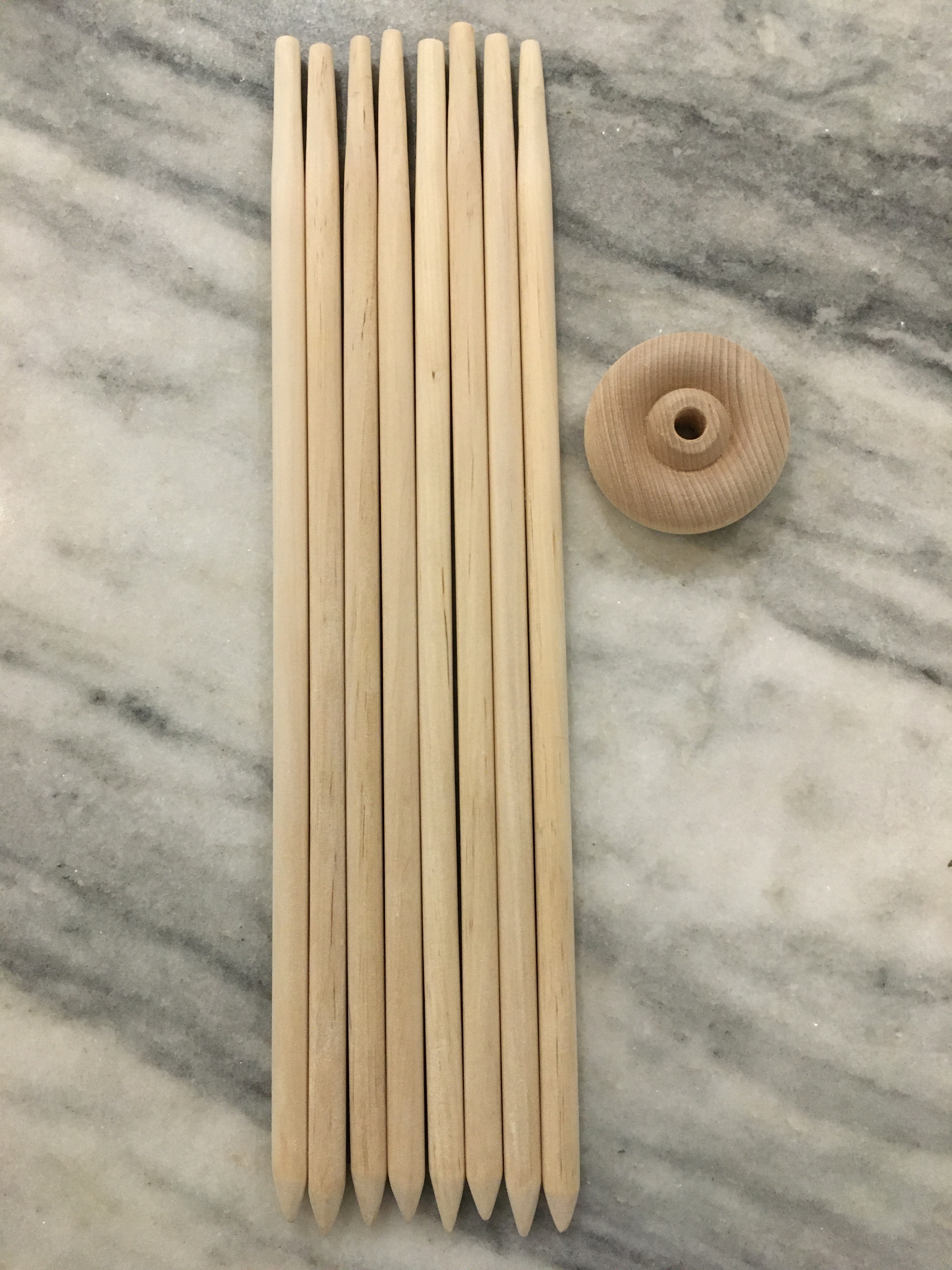
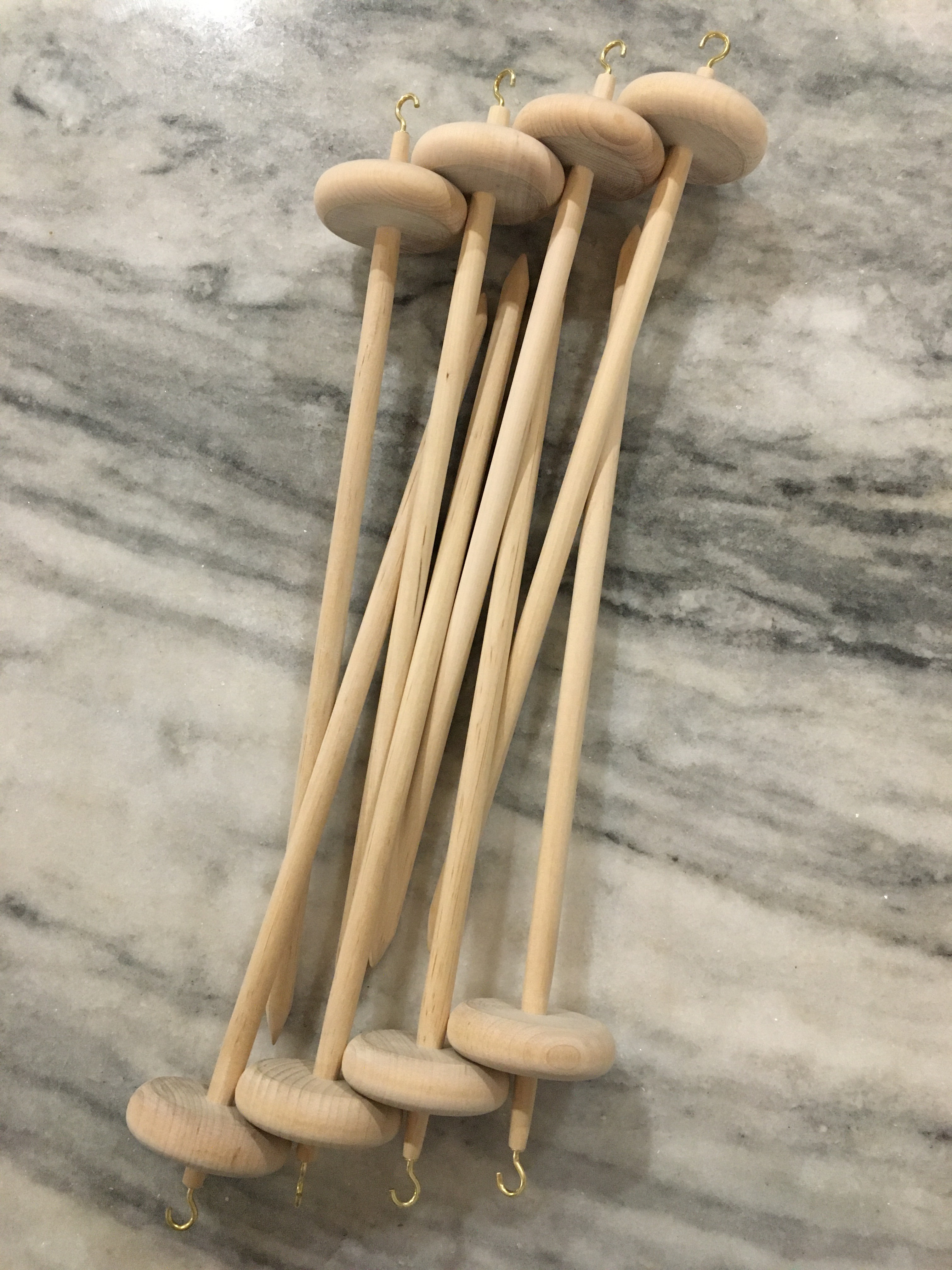
I have a number of people who want to learn spindle spinning, yay! So I needed a low cost way to make some spindles so they can try it out without a large expense. It turns out my leather smoothing tool that I used in one of my Frankenstein spindles is about $7. I’m glad I didn’t glue it in! I did find several posts on using wooden toy wheels. My local hobby store had packs of 8 wheels, and packs of 8 dowels! I bought the 2” wooden wheels (I wanted larger, but they weren’t in stock), and 3/8” dowels that were pre cut to 12”. I also purchased a pack of metal cup hooks.

I wanted the holes in the wheels to be smaller than the diameter of the dowel, but not quite as small as they came out of the bag, so I enlarged the hole with a 5/16” drill bit. With a band sander I then tapered the top of the dowel so the wheel could fit on, but not slide all the way down. Because the whorl (wheel) is friction fit, it makes it easy to switch out for a larger or lighter whorl later. I put a point on the other end so the spindle can also be used as a supported spindle (because why not?) I sanded the shaft (dowel) with 220 grit sandpaper, then 400 for a smooth finish.
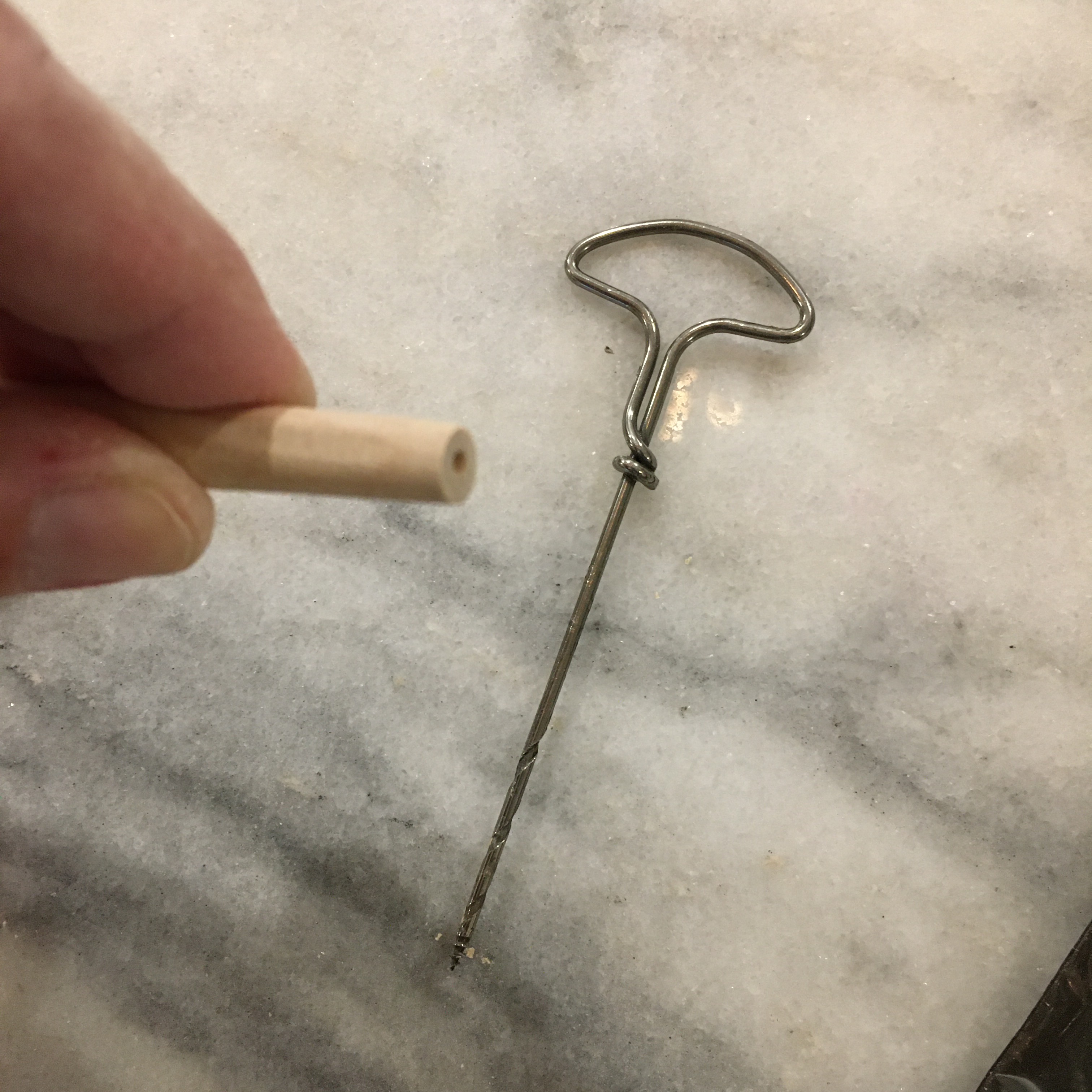
Then I used a small gimlet to make a hole on the top of the shaft for the cup hook (it is better to pre-drill the whole so when you screw in the cup hook, you are less likely to split the wood.
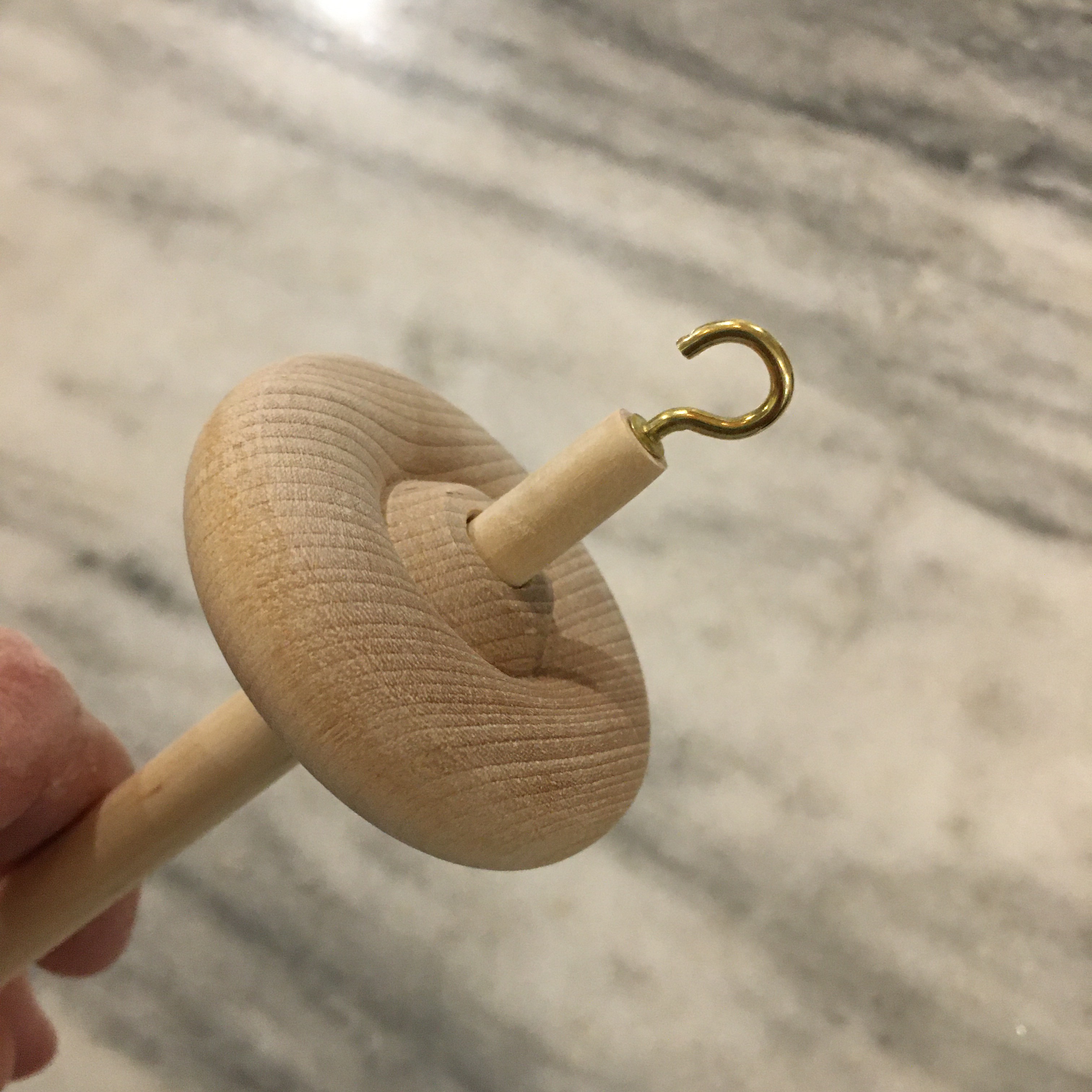
Finally, I slid the whorl over the shaft and screwed in the cup hook. Tada! Spindle!
Since there were eight in the package. I made eight.
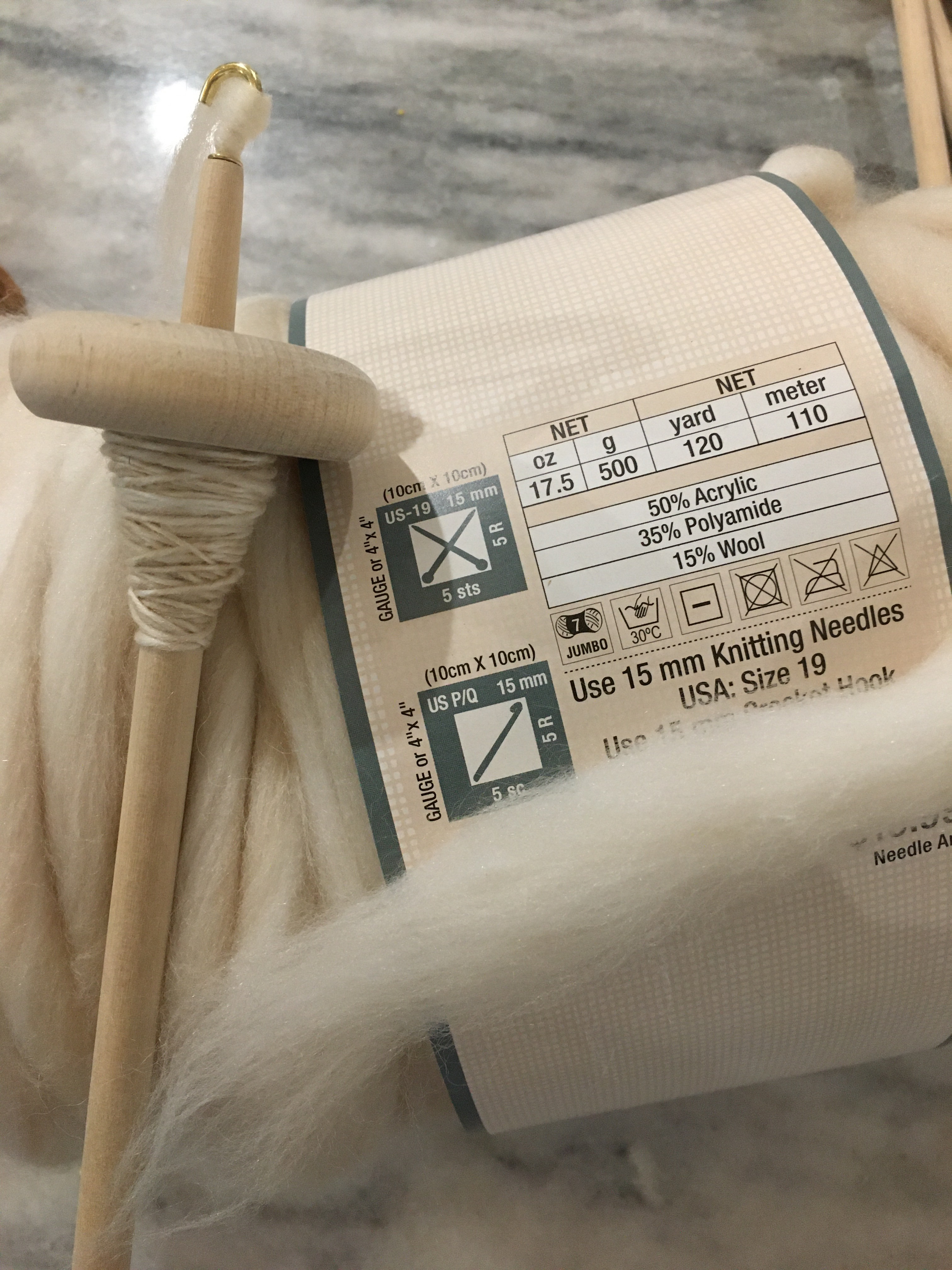
Something else caught my attention in the craft store. There was a super bulky “yarn” that was more like roving (one of the ways fiber is prepped for spinning). I bought some (with a coupon!) and found that it is easy to spin! This particular “yarn” is made of acrylic, polyamide, and wool, and the fiber length is similar to merino wool. The store carried wool roving, but mostly for felting, not spinning, and in small quantities. There is enough fiber in the skein for hours of practice!
 Critters and Craft