
The idea of making a poncho with two rectangles intrigues me. I like the pictures I’ve been seeing on online searches and I wanted to give it a go without a big investment of time, so I cut up a free plush blanket.
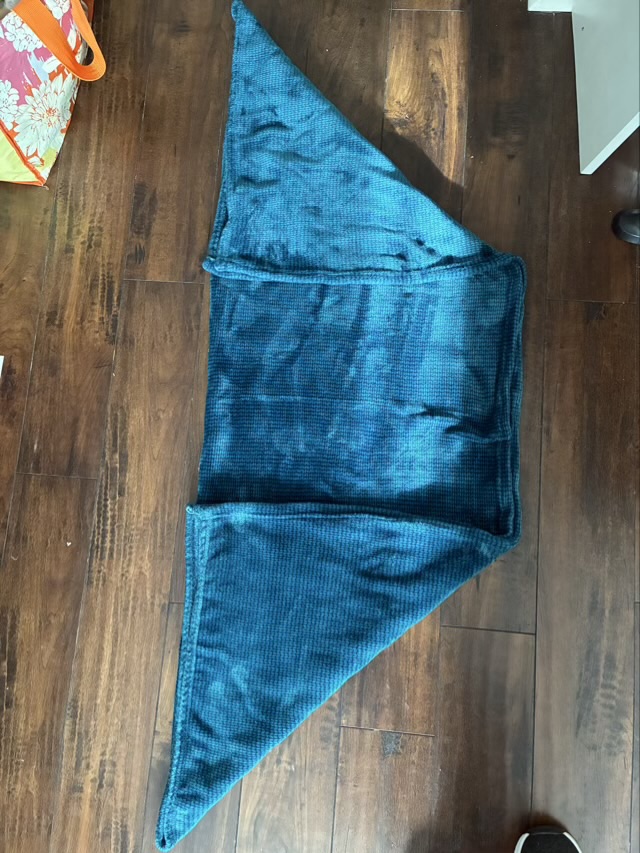
I cut the freebie blanket in half lengthwise. After consulting several measurements in different instructions, which say to take the length from shoulder to wrist and add the neck length for the long edge of the rectangle, I cut the blanket and sewed one short edge to the other long edge.
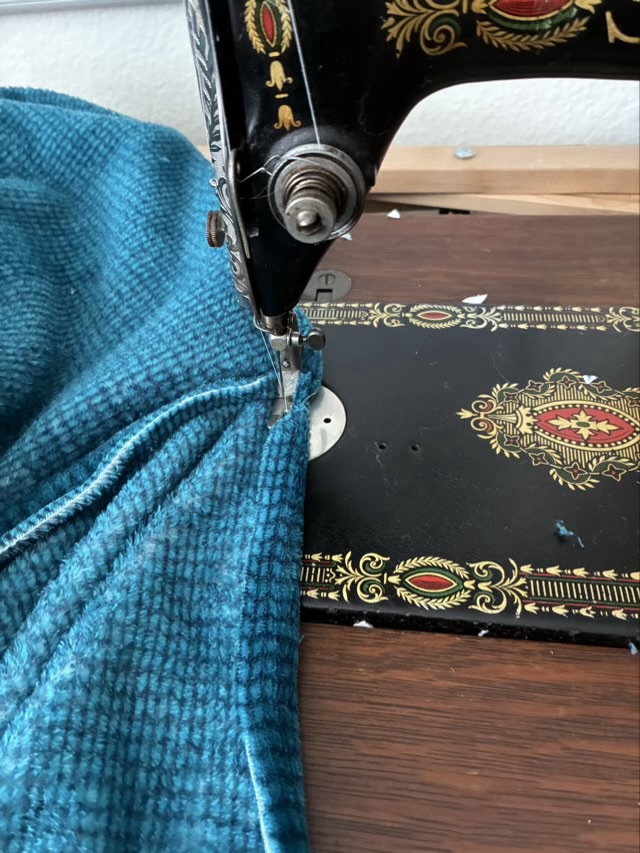
The internet lies. Not that this is a surprise, and after as many times as I’ve seen the same wording repeated across multiple sites you would think I’d be prepared for “tutorials” that are parroted from other “tutorials” and never actually tested, but it still made me mad. I have at least learned to be cautious. Rather than sewing the final seam, I pinned it and tried it on. Massive fail. The neck hole was big enough to completely step through. I looked closer at the pictures I was seeing and noticed that the ponchos on the models were pulled up in the front to give the illusion that the neck-hole wasn’t a gaping chasm. Humph. I cut some of the length off my rectangles until I had a two to one ratio: the long side was twice as long as the short side. The neck hole still seemed big, but I decided to sew. I finished the second seam, and hemmed all the raw edges and wore it around the house. I hate it. The opening for my head is still way too big and it is awkward to wear. What is going on?
I decided to go smaller and make some paper models.
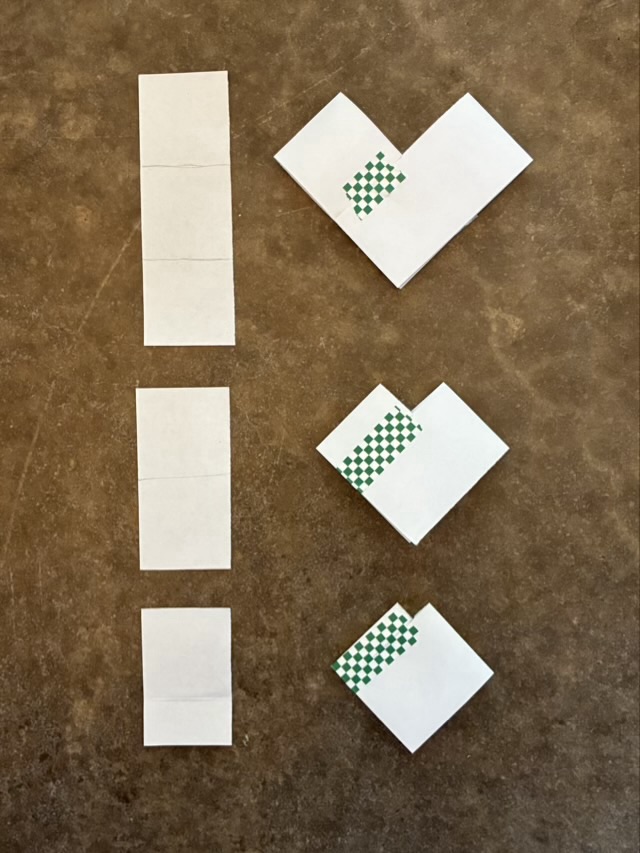
After doing the paper models, I believe a rectangle that is 1.5 times longer than it is wide will give a head opening that is more reasonable, especially with stretchy fabric, like a knit. The next step is to test this to scale. Stay tuned!
 Critters and Craft