Dye fail

I’m not a dyer. I don’t like dye. I don’t like the accidental stains, the bleeding, the quasi-chemistry that is more art than science. But I thought I would try to dye some dried iris leaves. I pinged my wild basket group, and one person said she dyes iris leaves with regular dye meant for cotton. I bought some Rit dye for cotton and natural fibers, followed the instructions for the hot water dye, thinking that had the most chance for success. I added salt and dish soap as instructed, and about a quarter of the bottle of dye. I put in the rewetted leaves. I stirred. The dye and leaves refused to connect. I added a cup of vinegar. I stirred. I added the rest of the bottle of dye. I stirred. I checked that the temperature was staying at 140 degrees Fahrenheit on the stove. I stirred for 40 minutes. The leaves should have been absolutely black for the amount of dye that was in the bath. They were stubbornly the same original color. I drained the dye bath outside and rinsed the leaves, and rinsed, and rinsed (have I mentioned how much I detest dyeing?) and rinsed some more. There were faint purple streaks in the iris leaves, but not even close to the color I was hoping for. I thought I rinsed it enough, but when I handled the leaves, my fingers turned purple. The dye liked my skin better than the iris leaves. Arg.
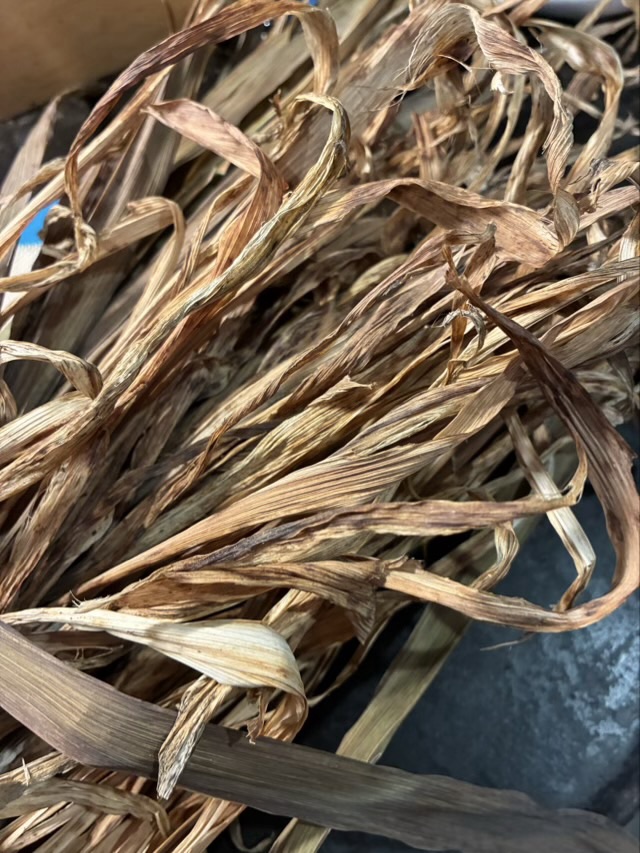
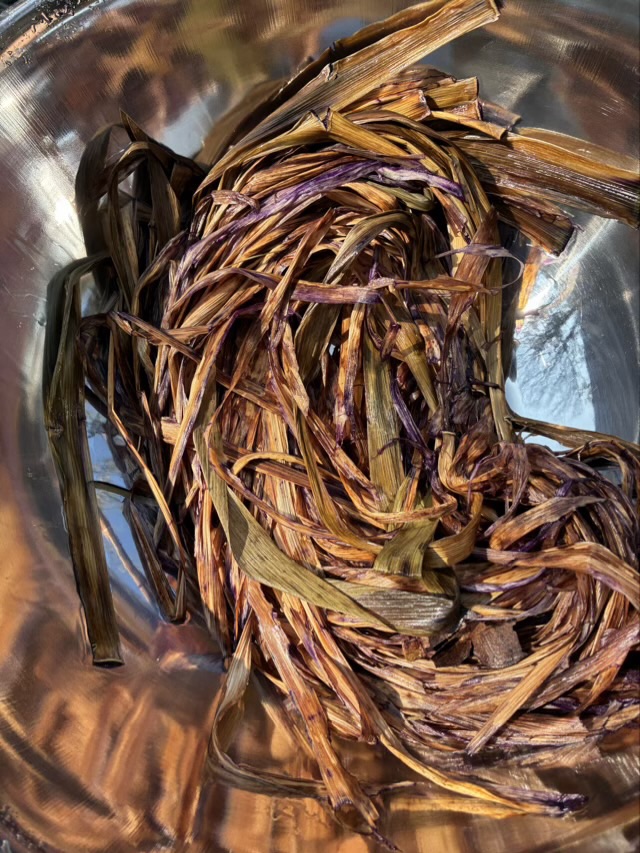
Photo description: dried iris leaves
Photo description: iris leaves after rinsing, the faint bits of purple disappeared, well, didn’t disappear, it left the leaves and stained my fingers instead

I went back to my post in my basket group to report the failure. I noticed another person said they soaked iris leaf pulp in mordant before dying. When I feel less vitriolic toward dyeing, I will research mordant, and maybe look for a book on dyeing that has the actual chemistry explained. Right now I would rather stick with natural colors that don’t stain my fingers.
Blocking the swatch

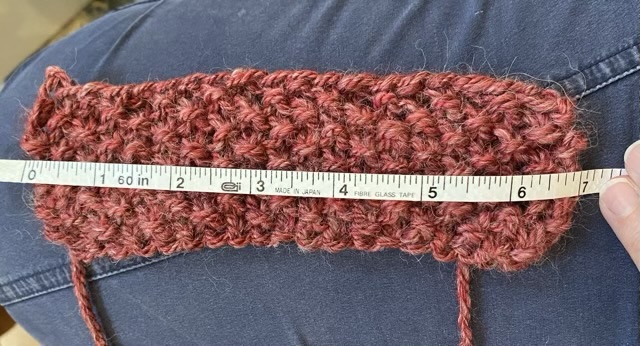
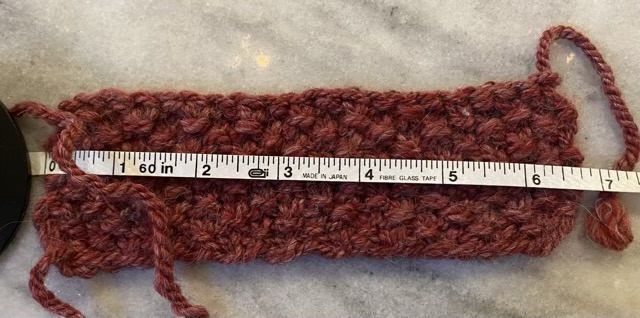
My small swatch of hand-spun merino/alpaca dyed yarn experienced a small amount of shrinkage after I rinsed it and let it dry.

Photo description: moss stitch swatch straight off the needles measuring 7 inches
Photo description: same swatch after blocking measuring 6.75 inches, but looking more tidy

The good news is that there was no visible bleed when I blocked the swatch. I was concerned that the beautiful dark red would bleed.

Well that was strange

To finish spun flax yarn, also known as linen yarn, author Stephanie Gaustad recommends simmering it for 30-45 minutes in a solution of soap and washing soda. I admit I have been avoiding this step for awhile. The treatment of plant fibers is very different than the handling of animal fibers, particularly those that felt easily. I admit apprehension. I finally did take the time to do the finishing step, and my yarn changed color. What?

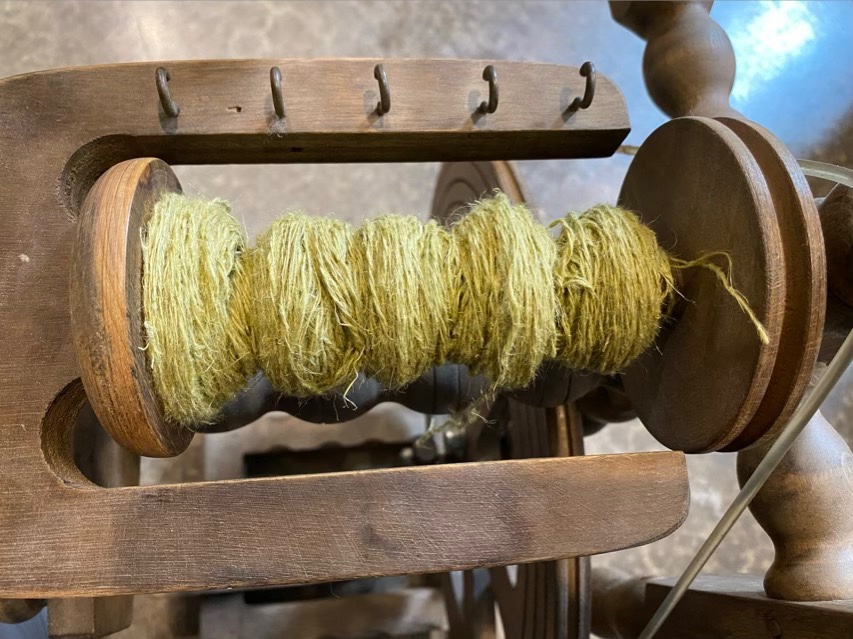
Plied linen yarn (from flax roving)

My flax roving was from a questionable online purchase. Very little information was supplied, when I received it, it was confusingly labeled both “flax” and “nettle”, and I learned later that roving is an unusual preparation for flax, usually made of the combed discards from making the long staple length flax preparation (called a strick). Definitely a flax rookie purchase. Still, I was able to spin it after much trial and error, and ply it using my spinning wheel.

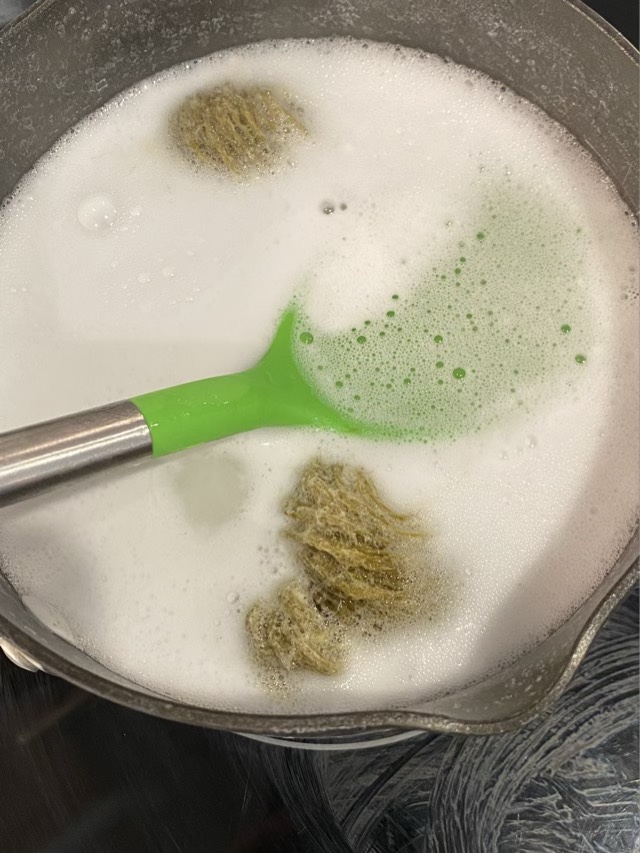
First minute of simmering

I started the finishing process and as it progressed the greenish yellow color of the yarn turned dark.

Yarn color darkening
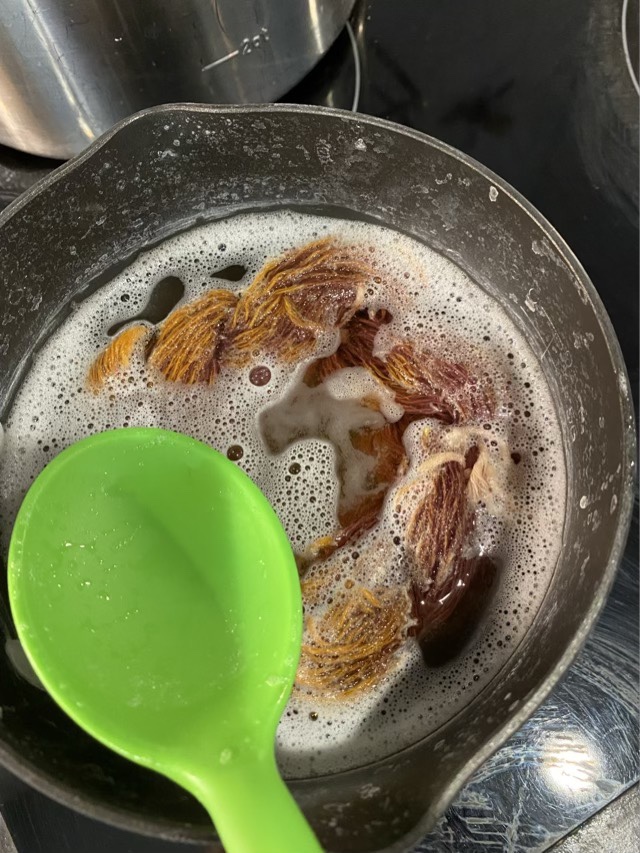
Out of the boil and rinsed in cool water, it is purple

After the full boil, my yarn was purple. What? Another rookie learning opportunity. Nettle can be used as a dye, and iron is used by dyers to modify dye colors. I used water from the tap to do my boil, which comes from our well, which definitely contains iron. Hm. I had yet another surprise coming, though.

The dried yarn is orange

After I rinsed and squeezed out the excess water, I hung the yarn up to dry. It turned orange. Really? Really.

There are many lessons learned here. Flax roving is a difficult thing to spin, but possible. Nettle can be used as a dye as well as a fiber source, and natural dyes are sensitive to mineral content in water. I can tell you that I won’t be spinning flax roving again, although I do want to try a traditional preparation. I have never been a fan of dye, and would rather work with natural colors. I like color, but I don’t like color change and color bleed. Dying is a fiddly chemical process.

The next step for this yarn is making sample swatches for my spinning book. All this lovely gained knowledge carefully documented and preserved so I don’t make the same choices again.