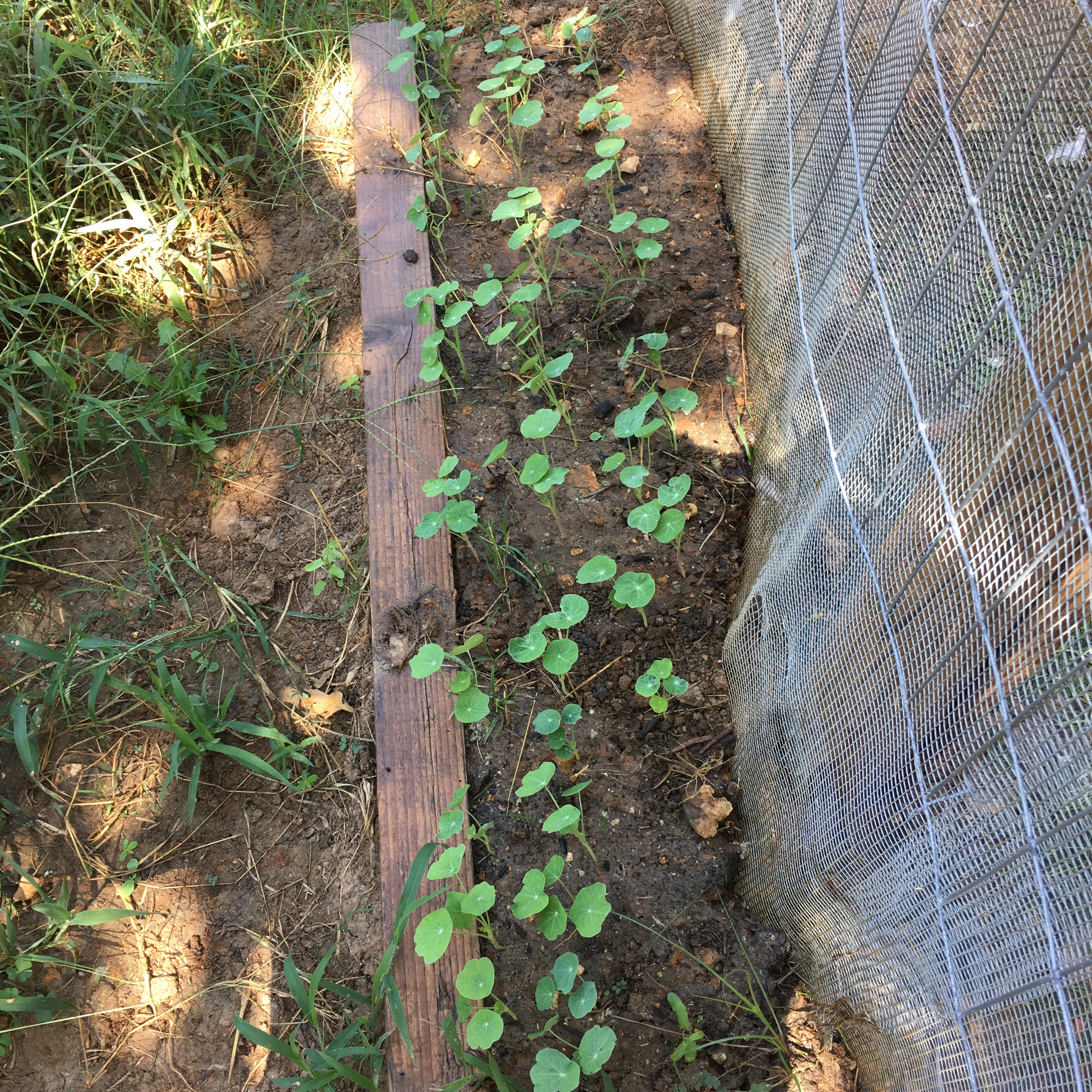
My nasturtiums have sprouted! We kept them well watered (which was easy because they are near the chicken runs where we are still sprouting wheat and rye grass on rotation, and those get watered three times a day). They haven’t starting vining yet, and there are definitely no blooms, but that they sprouted at all is quite exciting.
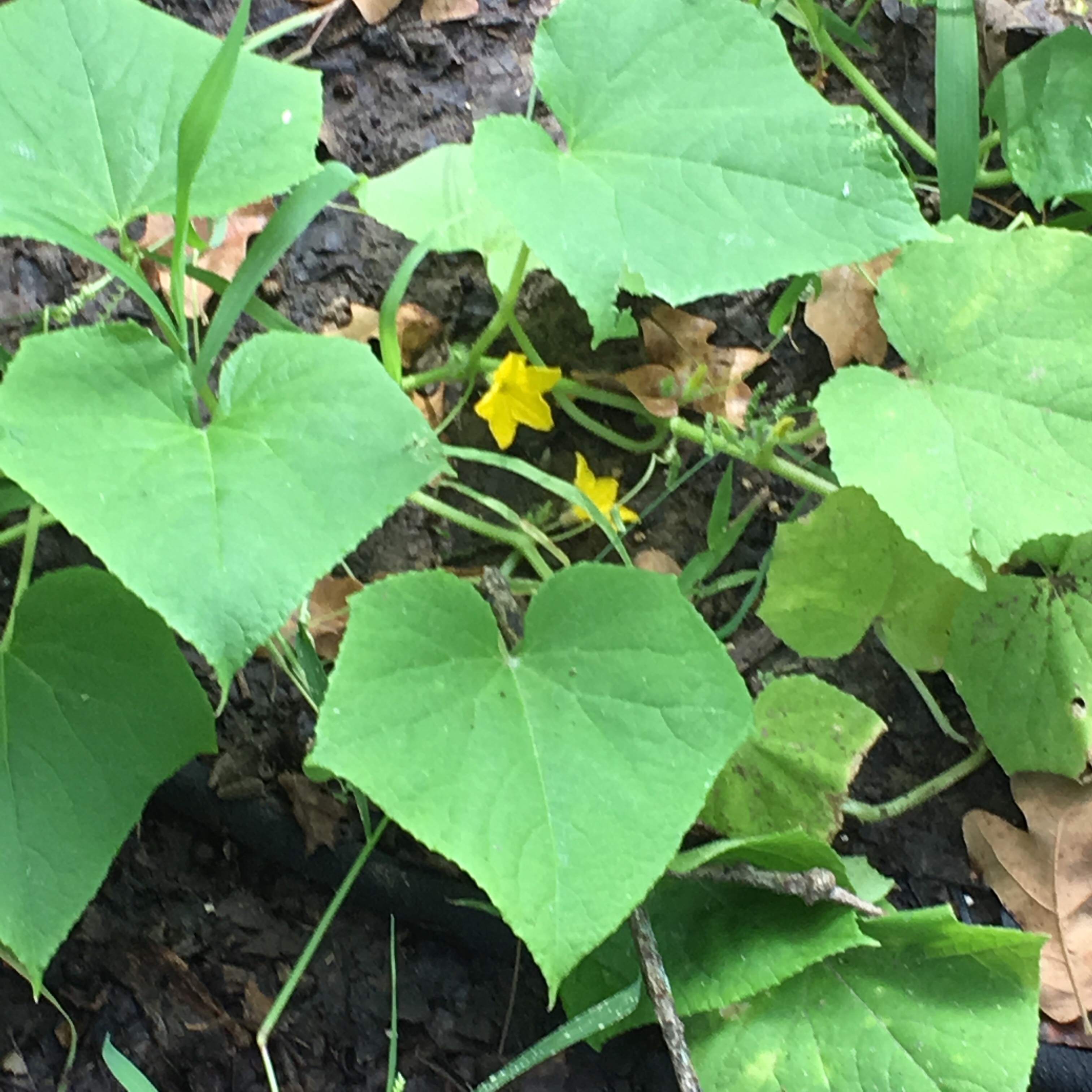
It was rather exciting to see blossoms on my cucumber plant!
Cucumber plant with flowers
I planted cucumbers as an experiment with a second summer garden. Two of the three mounds have vines! Alas,the peas I also planted don’t seem to be fairing as well. I think something found them delicious because there is only one pea vine, all the other sprouts have disappeared. We’ll see if I actually get cucumbers before the first freeze (which doesn’t usually happen here until November). It will be a first, as this is as far as I’ve managed to get cucumbers.
As a bonus, here is a video from our camera in the coop of the chickens heading out into the runs after the automatic door opens in the morning.
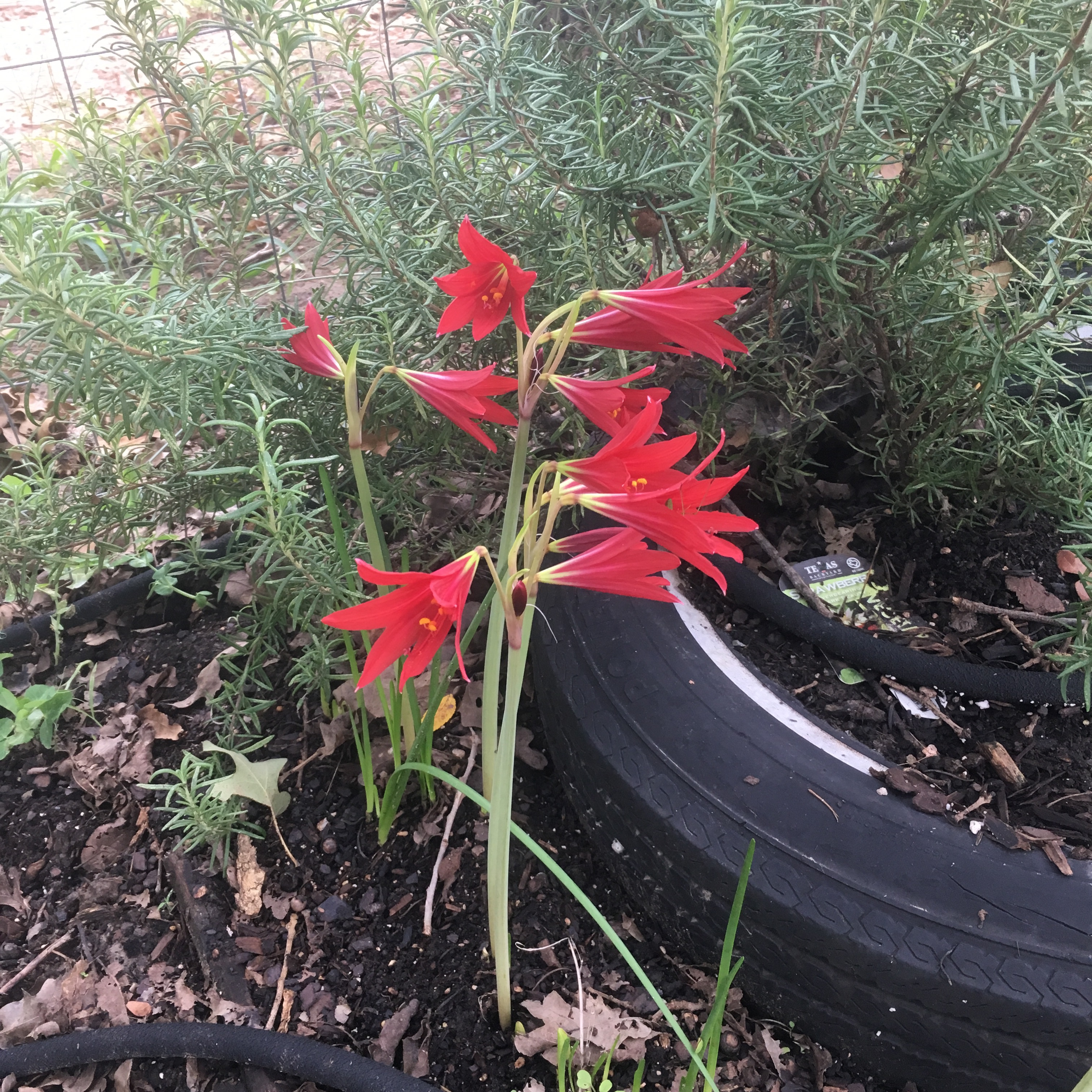
My school house lilies bloomed! I was pretty sure that I had killed them off when I wasn’t watering the area this summer (on accident). But they sprouted up from the bulb and flowered in just a few days – coordinating with the start of school. They are planted near my rosemary because I thought they were garlic chives. They stay because they seem to like it there.
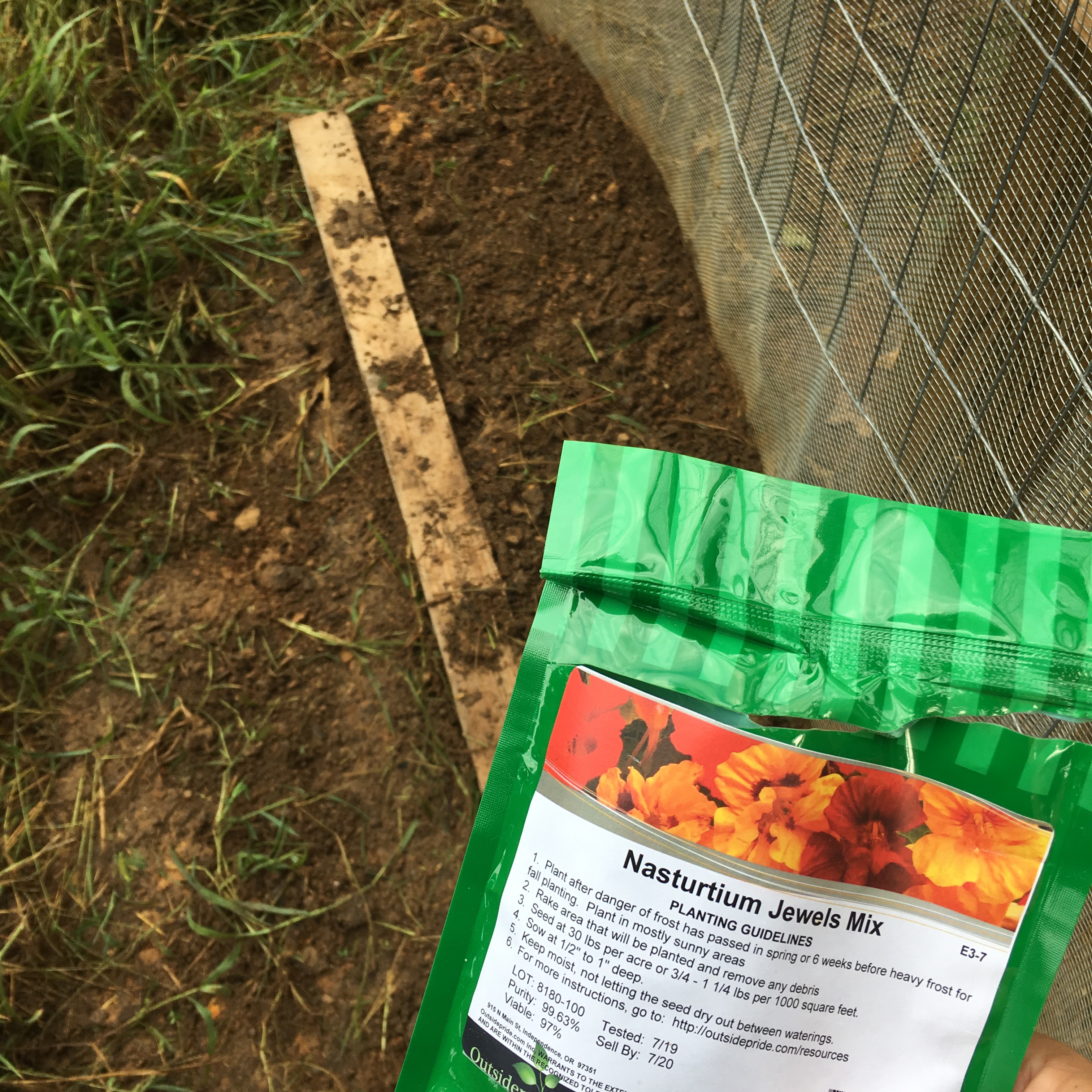
I’m trying to grow some vining nasturtiums around the coop runs. Not only should the vines help shade the runs if I can get them trained up the wire, nasturtiums are edible and pretty.
Prepping the test area for nasturtiums
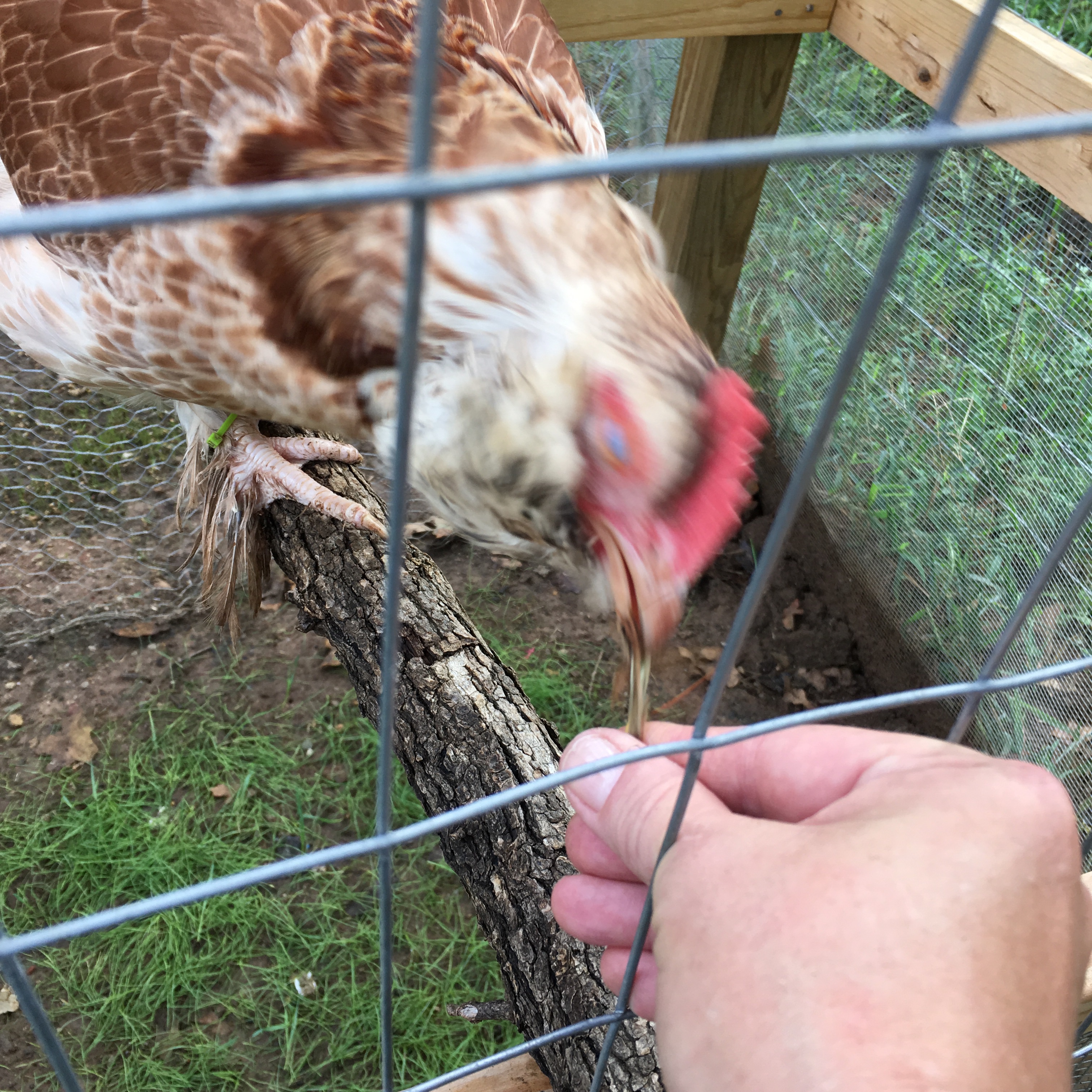
I chose one of the cooler days this week, and worked in the morning, but it was still hot. I found something to distract myself while taking a break from hoeing up grass: catching grasshoppers and feeding them to the chickens. The chickens were appreciative, once they figured out what I was offering (a couple hoppers escaped before they caught on).
Grasshopper offering
Now here is something interesting, when the chicken goes in for the grab, they have a third eyelid that covers and protects their eye. The picture isn’t clear because she is moving so fast, but you can definitely see that her eye looks different.
Nictitating membrane (sorry, blurry pic)
The chickens liked the grasshoppers, but were still put out when I rustled the plastic bag of seeds and no meal worms were thrown their way.
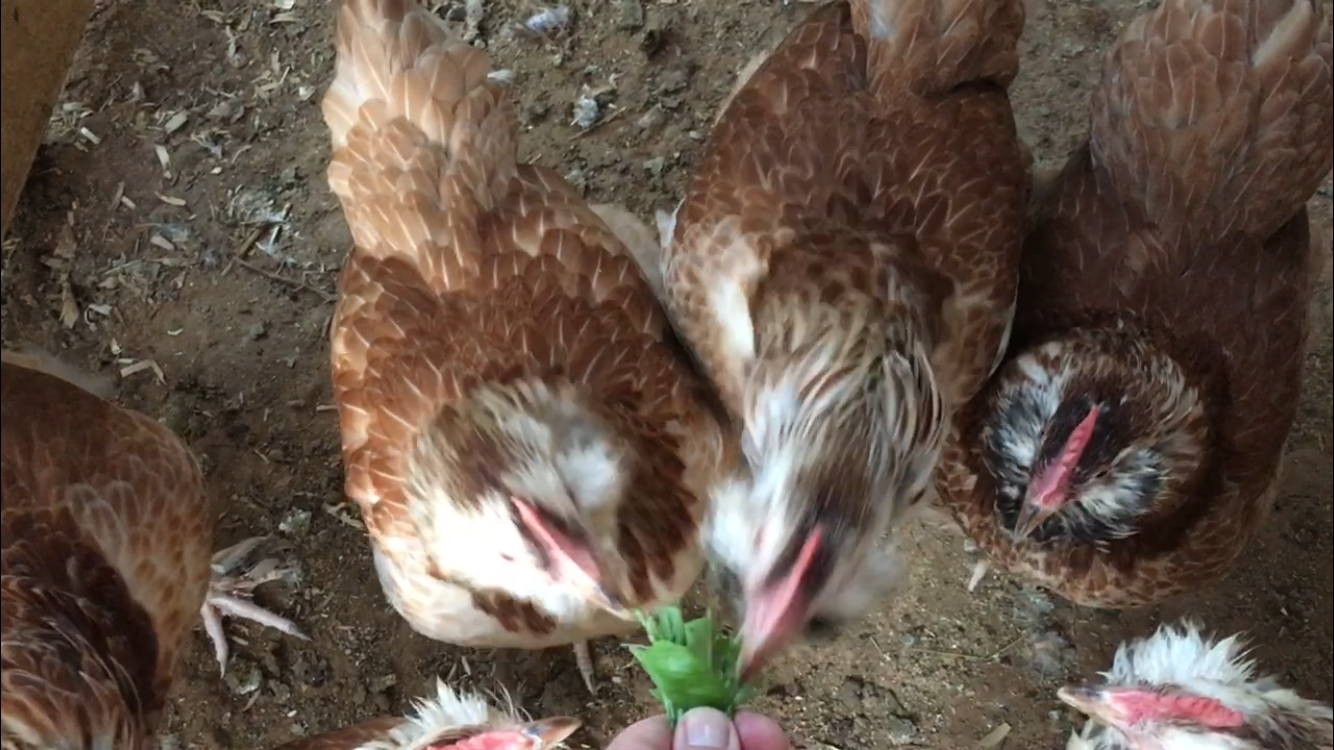
I moved all my herb pots over near the coop so that I could set up a watering system and so they would be closer to the chickens. They appreciate it when I grab some stems when I am headed to the coop.
Potted herb garden
I have found that if I hold the herbs, they can pull off bite size pieces.