
As I took the tray of sprouts out to the chickens I pulled some weeds as I went and added them to the tray. Some grass (ripped to less than 6” in length), and some henbit (purple flowers). Hello spring!

As I took the tray of sprouts out to the chickens I pulled some weeds as I went and added them to the tray. Some grass (ripped to less than 6” in length), and some henbit (purple flowers). Hello spring!
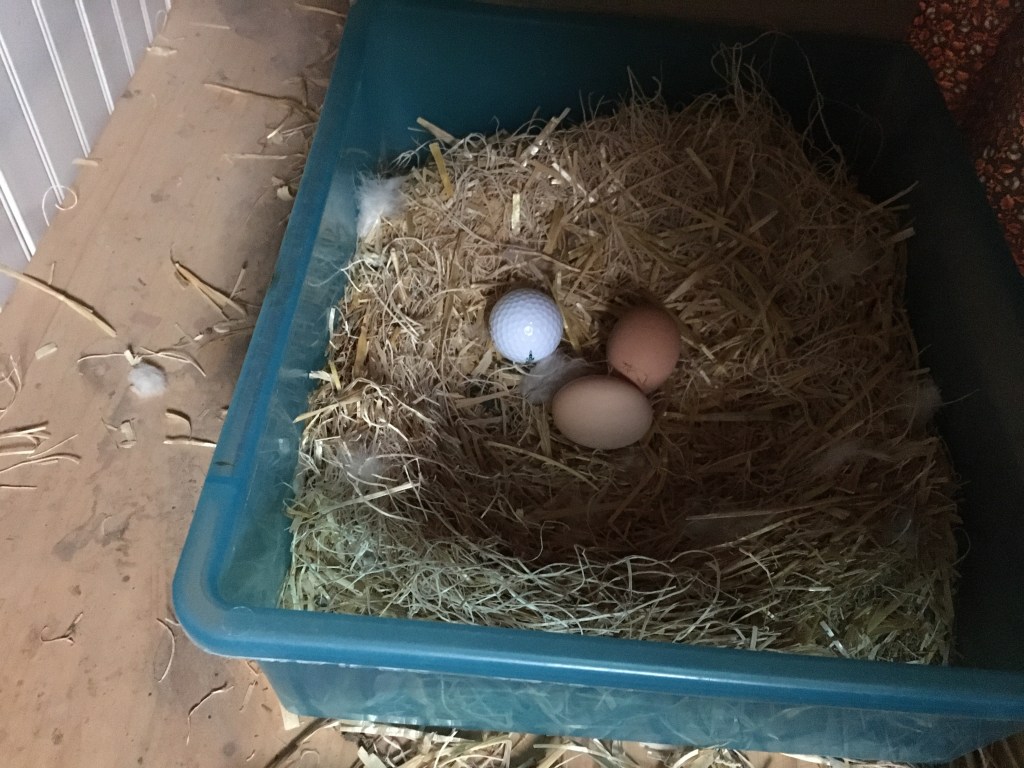
I’m sharing a picture of one of my hens’ favorite nest boxes because it makes me happy. I love how even though the box is rectangular, they have spent so much time fussing with the straw that they have formed a nice oval. Now, sometimes an egg will land on the outer slope of the nest and roll into the corner, but at least I know to look there now. They have two favorite nests, both with these repurposed bins given to me by a friend. The other four nesting areas lay dormant, but these, behind the curtains, are hoppin’ places to be!
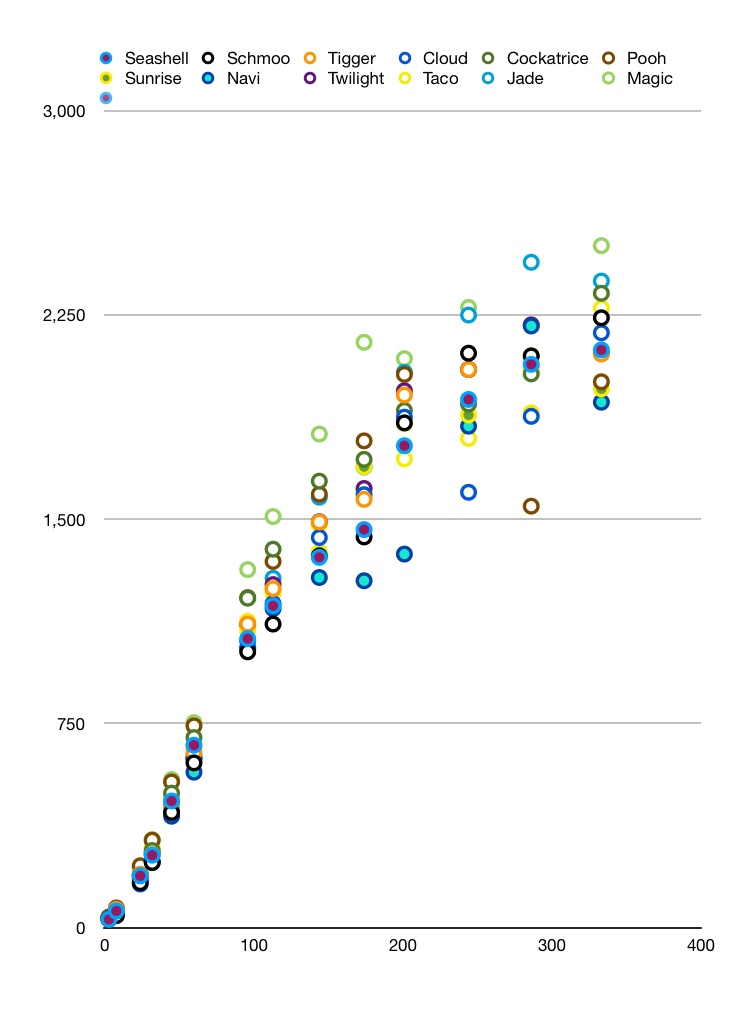
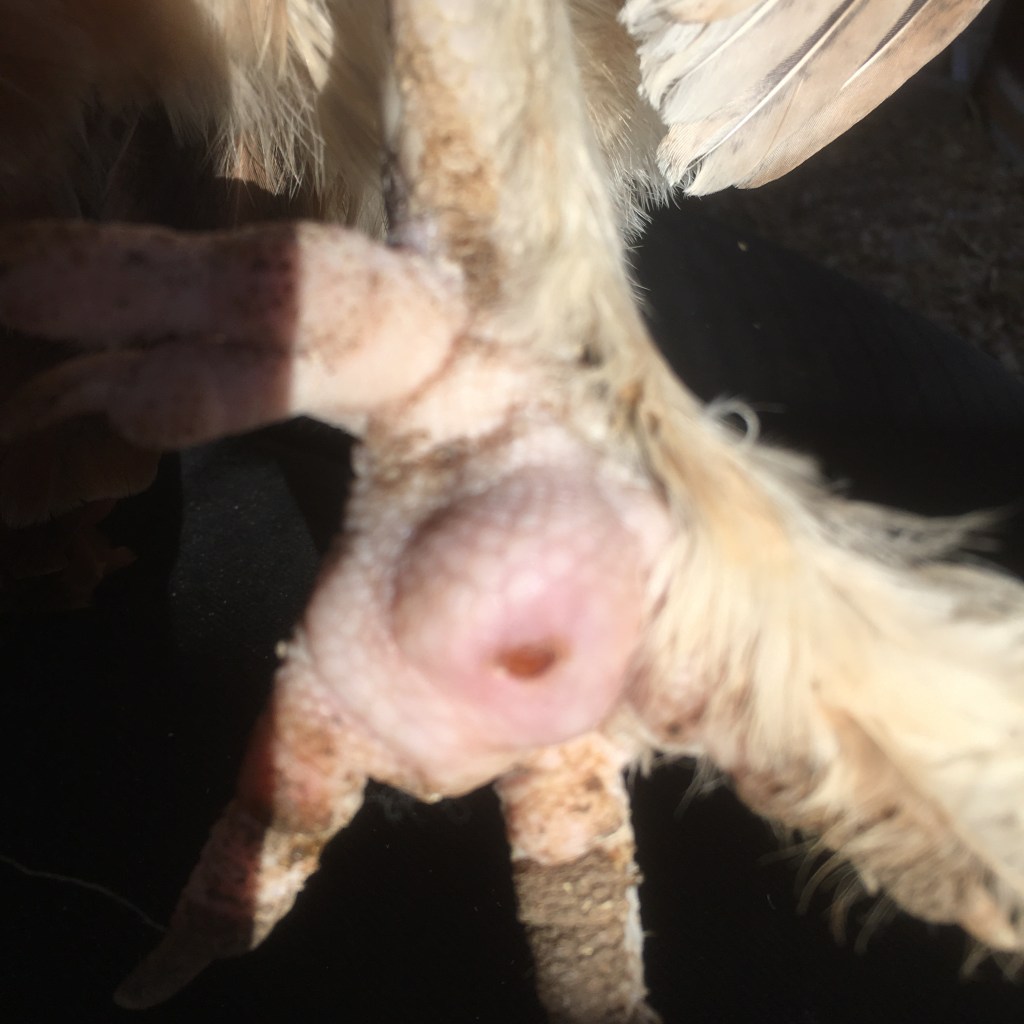
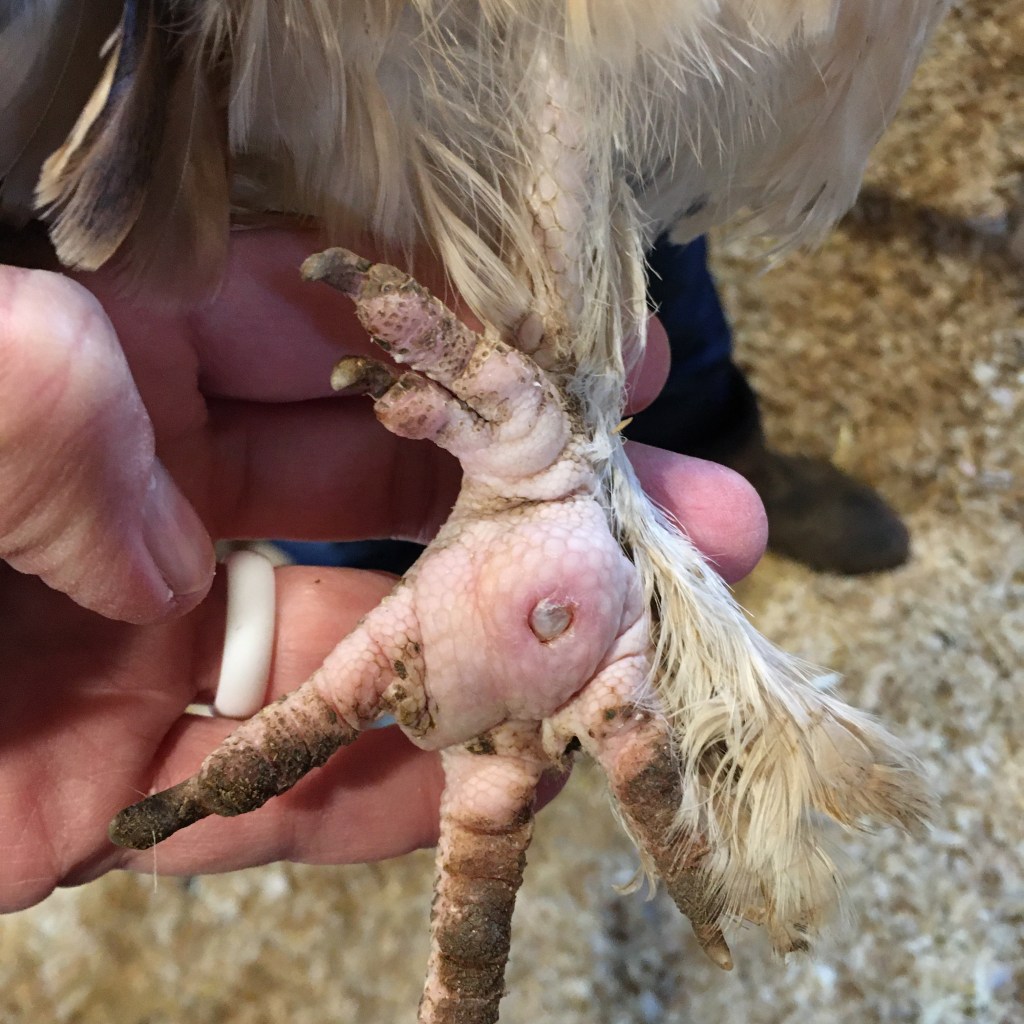
The bumble foot occurrence has brought to light a puzzling error. Somehow we had two hens marked with a green and yellow band on the left foot. Wha? We don’t have two Sunrises, what the heck happened? To solve the mystery, we did a chicken health check, because that is a time when we separate the checked from the unchecked and handle each bird separately. The health check also revealed that we had another hen with no bands. We weighed, checked under wings for parasites (all clear), checked vents (two with dirty bums, which is down from last check), and checked feet. We found two more hens with bumble foot, and two that we soaked their feet in epsom salts to make sure it was mud and not bumble foot. Both “Sunrises” have bumble foot, but based on weight and temperament, we figured out that one was Magic, and took her extra yellow band off (still no clue why she had it). The bandless hen was Cockatrice. We soaked and removed the bumbles and wrapped up the treated feet. Navi still has a large crop, but it is not squishy. Chickens that showed weight loss last time have gained again. It was certainly the most intense health check we’ve done to date! Whew!
The hen with bumble foot still has swelling, so we set up an epson salt and warm water foot bath. My chickens really like foot baths, so this was not a hardship or scary for her! (Next time I find bumblefoot, this a soak will be the first step.)
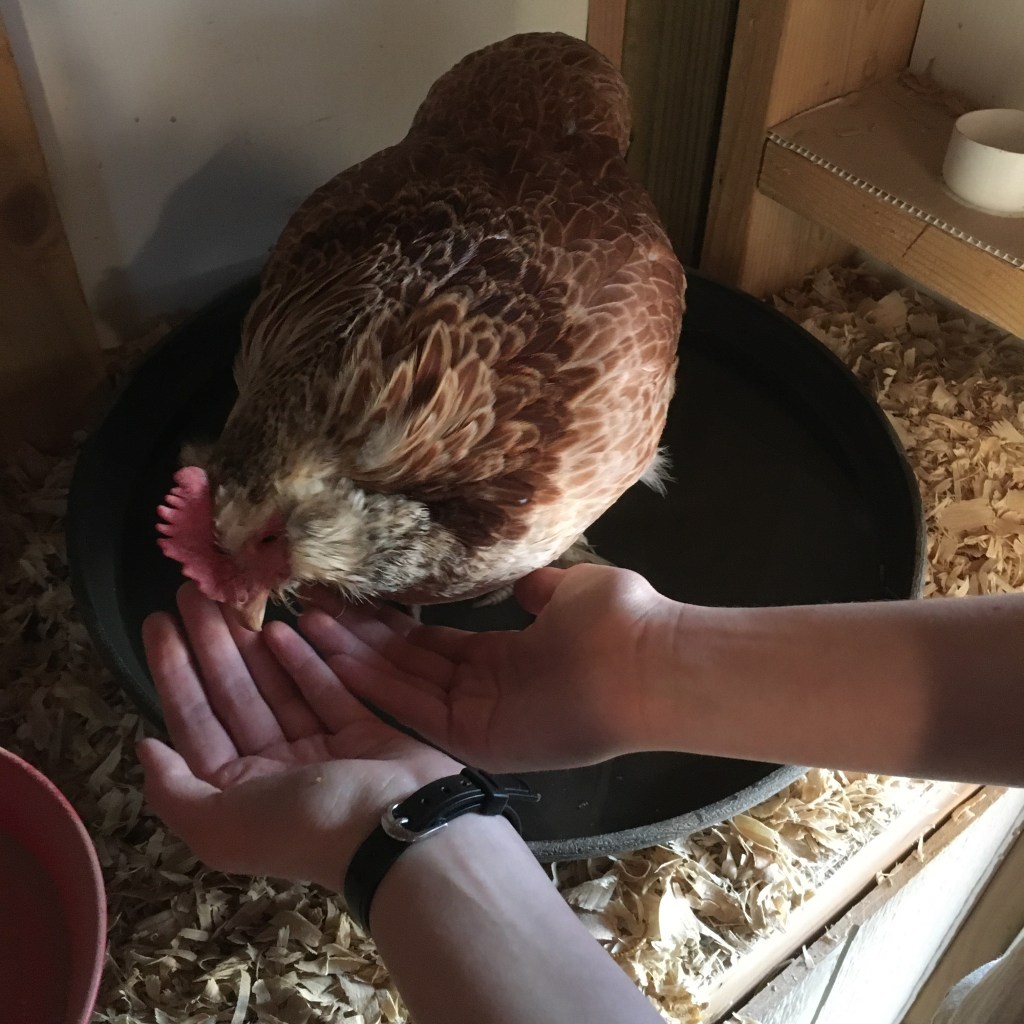
We set up the foot bath (which is a large plant pot tray) inside the isolation ward (cupboard with screen) so we could keep her from drinking the water. My eldest gave her some mealworms, which she appreciated! We had her hang out there for several minutes before taking her out. I couldn’t get anymore out of the wound, so we wrapped it up again and let her be on her merry way.
I was sitting with the chickens, and noticed one of them had swelling between her toes. An examination of her foot showed a soft lump and a plug of mud in the center. She was walking fine, but I caught her up and rinsed the foot with wound spray and picked out the mud, then I wrapped it up. When my eldest got home, we unwrapped it and I was able to work the rest of the plug out of her foot (ew). We rinsed it well with wound spray, put some gauze on it, and rewrapped it. I had to wrap around her toes, but I was able to wrap in in such a way that she could still walk and she perched just fine that night.

We checked on her foot the next day and the swelling is down and the hole is healing up! We wrapped the foot back up. My understanding is that this is bumble foot. The chicken (or duck) gets something foreign stuck in their foot and it gets infected. This is actually the second foot I’ve picked a mud pack out of. The first one was on Seashell and it was already mostly healed; the mud plug didn’t come out with extra … stuff. Heavier breeds are more prone to this malady since there is a larger impact on their feet when they jump down.
 Critters and Craft