If you have cats, hang dry your linens, else they will become cat beds.
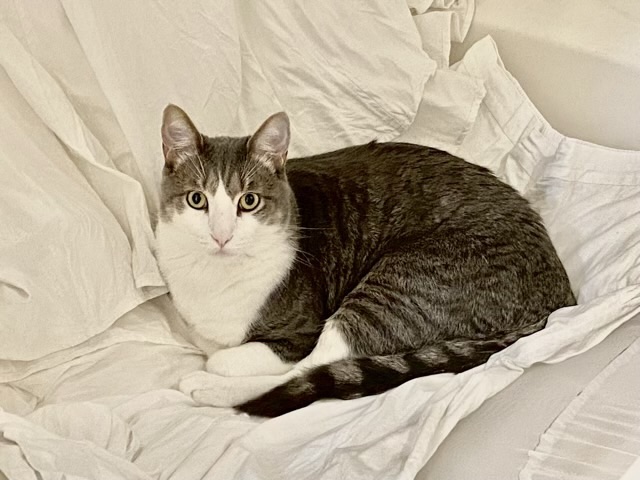

If you have cats, hang dry your linens, else they will become cat beds.
I have hand sewn my first button hole. I bought a linen skirt to be a petticoat for my 1800s outfit for spinning demonstrations, and it was a bit big in the waist. One side of the waistband had elastic, but the other had a plain waistband. A machine sewn button hole would go through both layers of fabric and be useless, so I hand sewed the edges of the button hole with a satin stitch in just the inside layer of fabric.

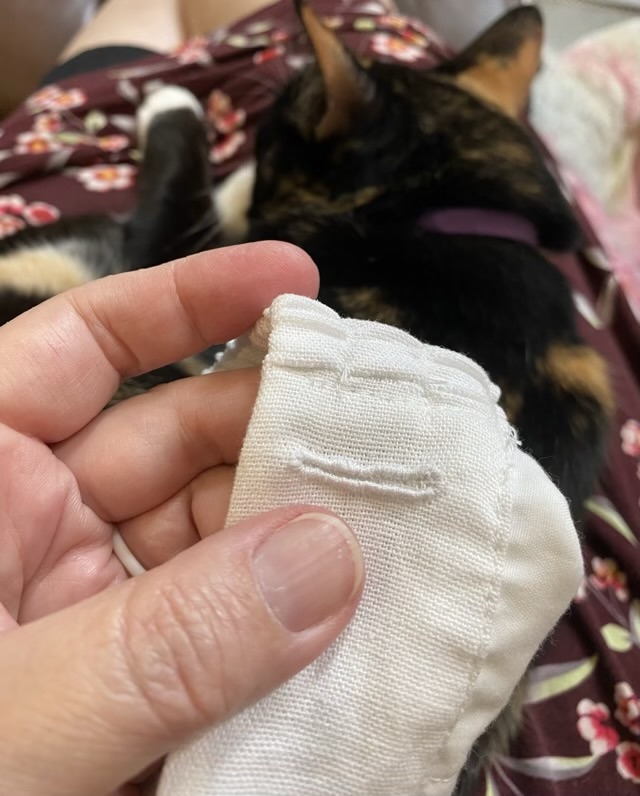
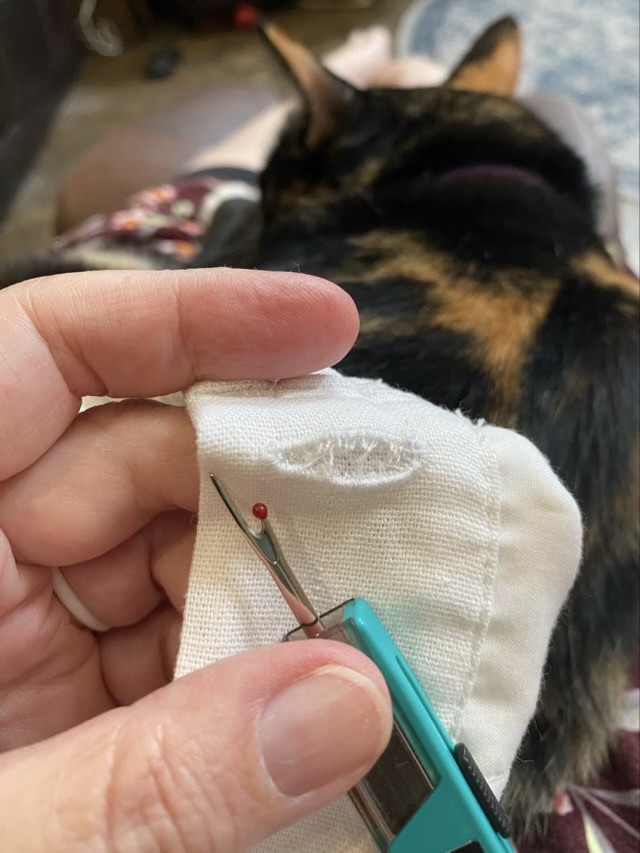

The elastic is not historically accurate, and certainly not the button hole elastic, but I’m not doing reenactments, I’m doing spinning demonstrations and purchased look-a-likes are acceptable at this venue. I’m hoping the linen does its job keeping me cooler.
School is back in session, so I’ve started up my spin walks again. Really it is a matter of the temperature coming down and walks being pleasant in the morning, instead of a hot sticky mess.

I found two drop spindle projects in progress when I went to pick up my spindle. Hm. I decided to start with the Southdown, because this little Turkish style spindle is one of my favorites. If I drop it, the rubberized arms bounce, and the yarn is protected from contact with the ground due to the jacks like shape of the arms and shaft.
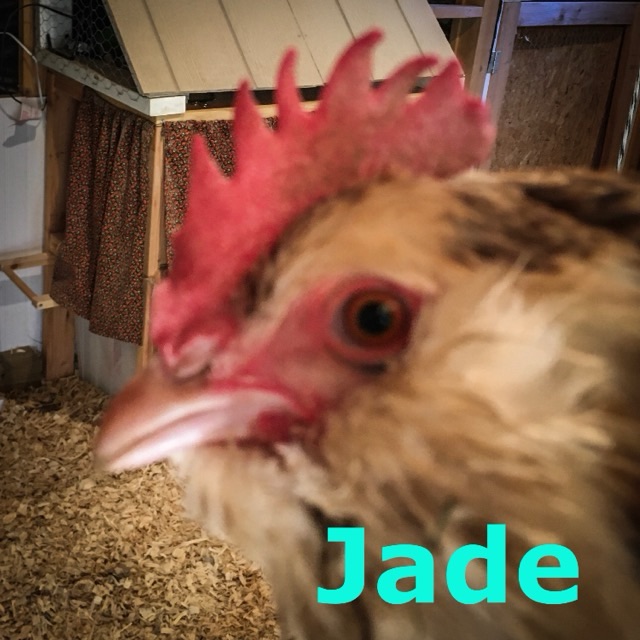

Chickens’ combs change, which makes using them as identification is tricky. When they are ready to lay eggs, the combs are bright red and full, when they are not in season, the combs loose color and mass. Above are two pictures of Jade the hen, the first when she was under a year old, the second at six years old. I can still count the tines, but other structures are more difficult to discern. Colored leg bands were the best identification for me, because I could see them at a distance, but they do need diligent maintenance. There is a technique of wing banding, where a skilled chicken farmer clips a small band through the web of the wing. I see now why breeders would prefer that more permanent method. A couple of my similar looking hens removed their plastic leg bands, then I couldn’t tell them apart anymore and rather gave up on the whole id part. I believe the last remaining unidentified Faverolle is Schmoo. Jade I identified by her molting pattern, and Seashell has a unique coloring. Wing Ding is still with us, and as the only Black Star hen, she is easy to identify, and very hard to ignore when she comes for her treats.
My Faverolle hens have started their fall molt. I can tell because Jade always looks like something took a chunk of her neck and gave her a good shake. Molting isn’t pretty.

On the plus side, this has allowed me to identify her as Jade. All three remaining Faverolles have removed their colored leg bands in the past couple years, and I know Seashell by sight, but Jade and Schmoo are harder to tell apart, except at molting. Jade is the only one that sheds all her neck feathers at once. Schmoo kept her leg band on the longest. None of the three lay eggs anymore. They are over six years old.
 Critters and Craft