
I wrote that title and realized that it could be applied to almost every day. I do love learning, but today’s post is one of those “I was today years old when I learned that…” type posts. I flipped open a large binder to reference a chart, fumbled the cover, and it folded neatly back on itself, creating a smaller footprint. I went to fix it, and realized that it was designed to do that. Huh. It is quite irritating on the large binders to have the cover stick out to the left and extra 4 inches or so, especially when you’ve filled the table with reference books. This would have been handy information when I was studying in school, or later working in the lab. I will take it now, though, and pass it on.
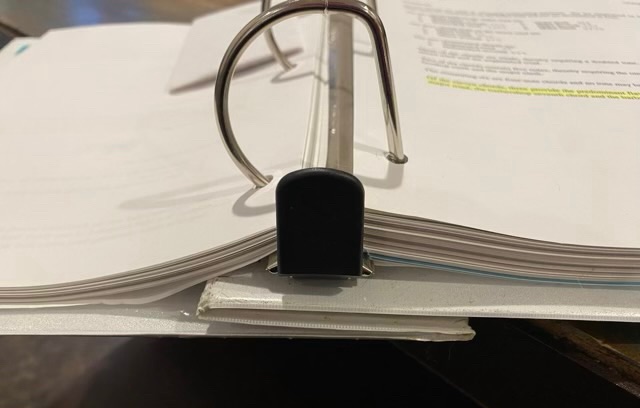

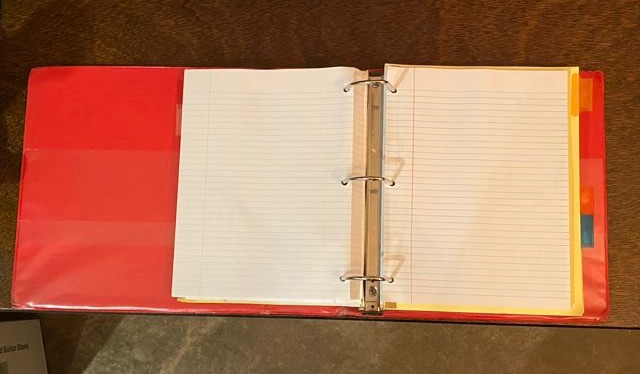
As I was investigating which binders had this miraculous design, I discovered that it is only binders where the rings are attached to the back cover. Smaller binders with rings attached to the spine don’t fold this way. Clever.
 Critters and Craft