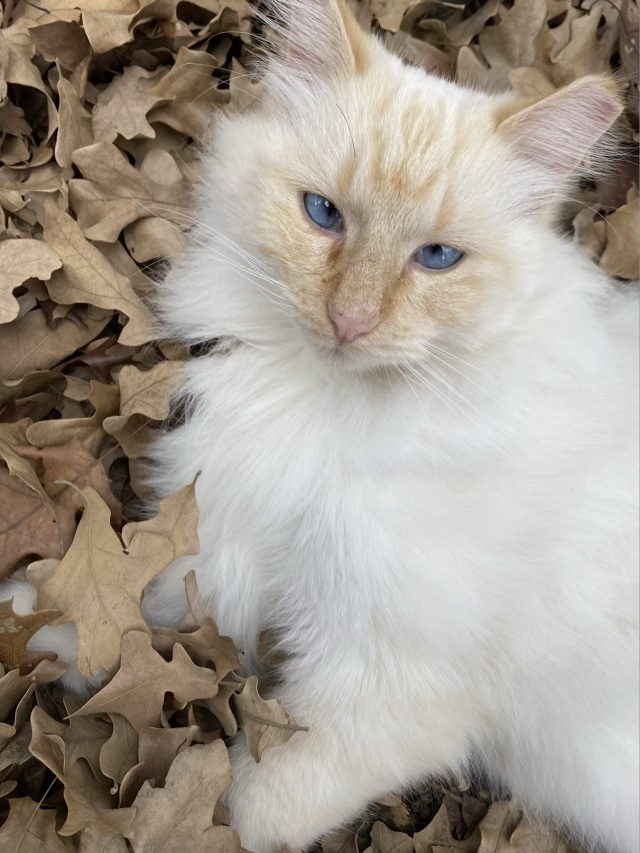
Such a pretty boy. Yes, I just brushed him. No, he is not my cat.

Such a pretty boy. Yes, I just brushed him. No, he is not my cat.
So it seemed like a good idea. (That’s usually how Pinterest fail stories start, don’cha know.) Instead of dipping apples in caramel, hollow them out and fill them with caramel. More caramel! My eldest wanted to try, and volunteered to make the caramel (we did get a kit, but it was still a long time at the stove). The caramel tasted amazing! Apples are actually not hard to hollow out with a regular spoon, it is just tricky to do it neatly. Then the trouble began. Filling the apples made them tip and the caramel run out. Oops. So something to keep the apples from tipping should be added to the list.
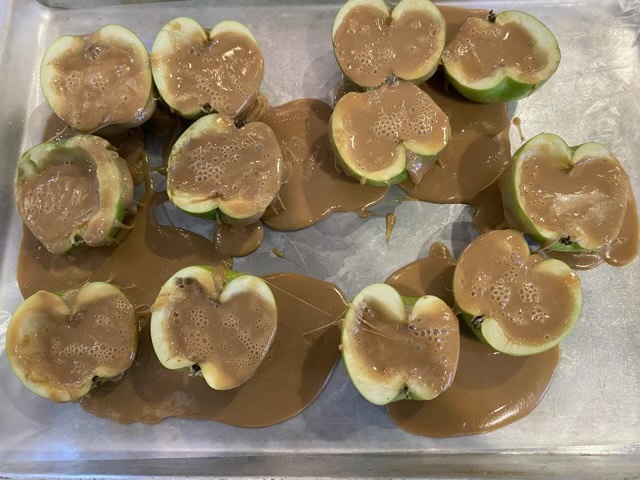
Then when the apples were refrigerated to cool the caramel, the apples juiced. The moisture from the apples made the caramel watery and gross. I did go back and read a couple of the “instructions” (neither of which actually tested their recipe (clue #1)), and it was recommended to dry out the apples first. Hm. Even dipping them in lemon juice and drying them off wouldn’t have prevented the sugary caramel from drawing out the massive amount of water from the apples. As for slicing the apples into neat caramel-filled crescents, forget about it. The caramel popped right out of the apple.

I’m not sure what magic was wrought to create the pictures, but we didn’t have it. I see now from the picture that the original craftsperson put the apples in a muffin tray. They also added something from a bottle. Hm. Even if I were to find the proper instructions, the ratio of apple to caramel is hard to eat. And apple slices should be refrigerated and caramel should not. So the idea is intriguing but the execution, even when perfect, is a tiny window. Now a good dipped caramel apple can sit on a shelf for days, and be enjoyed at room temperature.
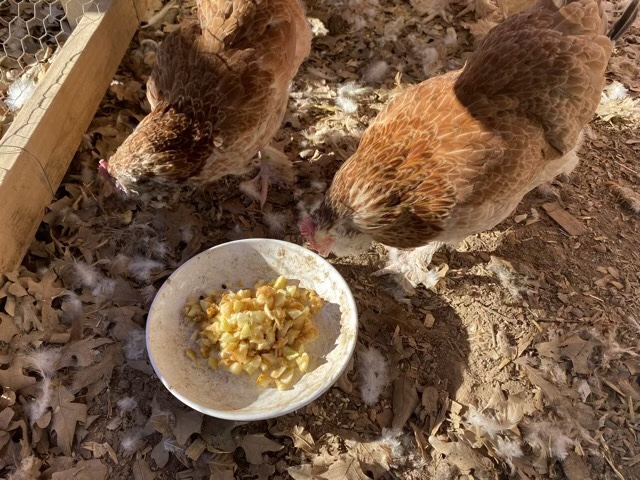
The good thing was that the chickens enjoyed the left-over apple innards! (I did not give them the sugar soaked shells.)
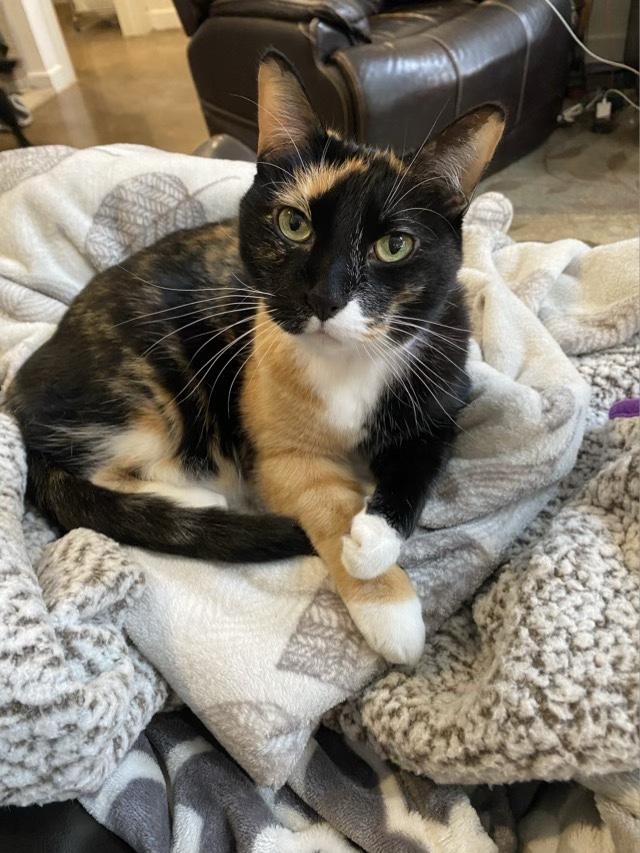
Izzy the cat was very pleased with the pile of fuzzy blankets I put on her (my) chair. What I really should have captured in a picture was how pissed she was when I put all those throws in the wash and she was left with no fuzzy blankets. To make up for it, I laid out a fresh, warm from the dryer blanket, folded in fourths for extra cushiness, on one of her favorite perches. The princess may have forgiven me.
My sister gifted me several silicone baking mats. I had never tried them before; I usually just use parchment paper to bake. I was pleasantly surprised how well they worked to bake scones! The bottom of the scones were nicely browned, just like when I use parchment.
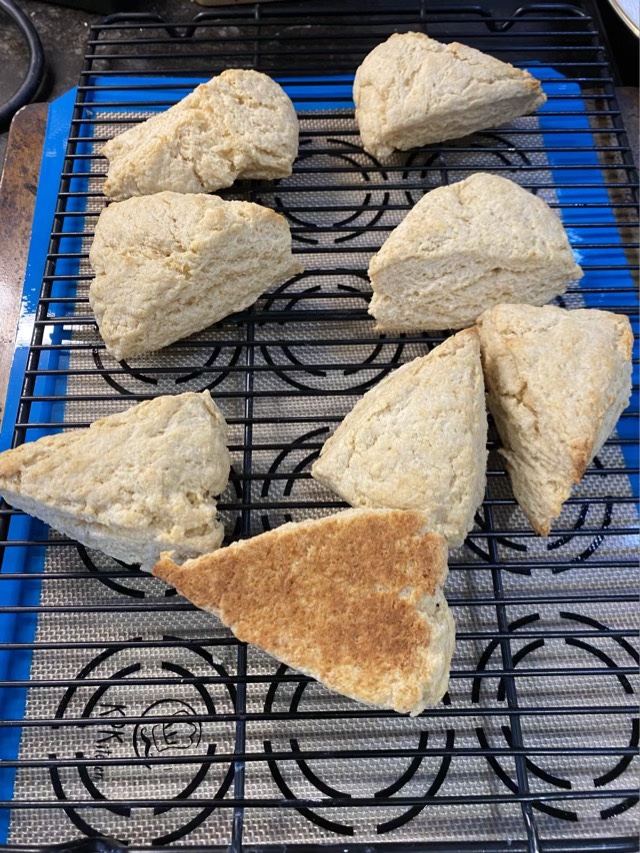
The mat washed up easily, stores easily, and there is one less thing to go in the trash can. Nice. The scones were made from a baking mix from Sunrise Mills, which turned out nice and flaky.
My eldest recently found a beautiful crocheted drawstring bag from a local shop (I’m very excited about the new shop, there are fibers to spin and classes being lined up!) The bag is beautiful, but needed a liner to hold the dice my eldest wanted to put in there. We pawed through my fabric stash and found some light weight black knit that would stretch well with the crochet and wouldn’t show through.

Because the bag had a round base and cylindrical sides, I matched the design with the lining, cutting a circle of fabric the size of the base, and a rectangle slightly oversized.

I started sewing the long edge of the rectangle to the circle, leaving room on the rectangle for the side seam. I used a jersey stitch on my sewing machine to keep it stretchy.

When I finished the base seam, there was extra fabric on the rectangle, which is OK, better than not enough. I trimmed the extra fabric off and sewed up the side seam.
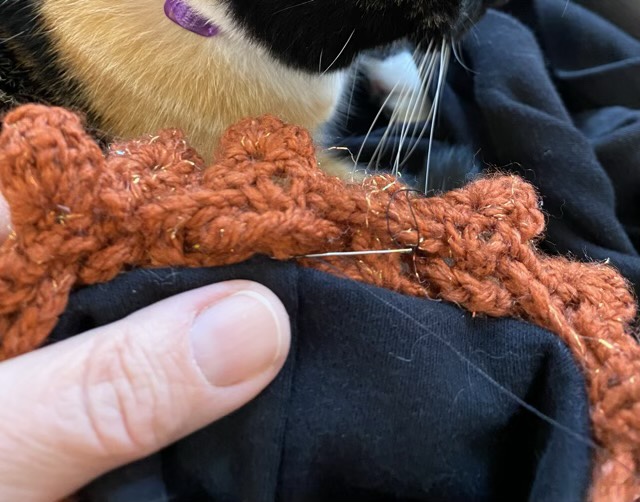
With the seams facing out, I fit the liner to the bag, folding over the top of the liner, and hand stitching the folded edge to the yarn work. I was very careful to follow the bag just below the drawstrings so as not to impede their function.
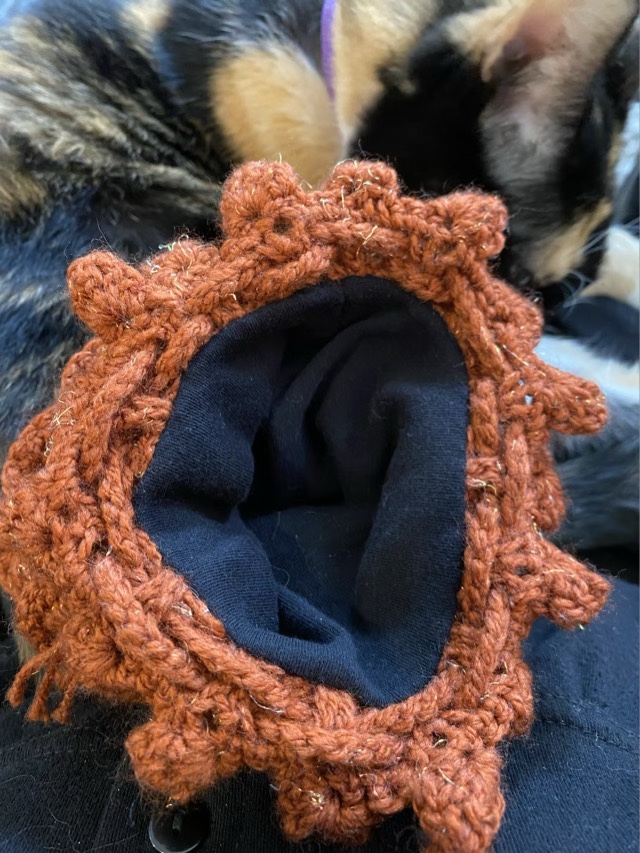

I am pleased with the liner, it expands very well with the crochet, doesn’t peek through the stitches, and should keep anything put inside nice and safe.
 Critters and Craft