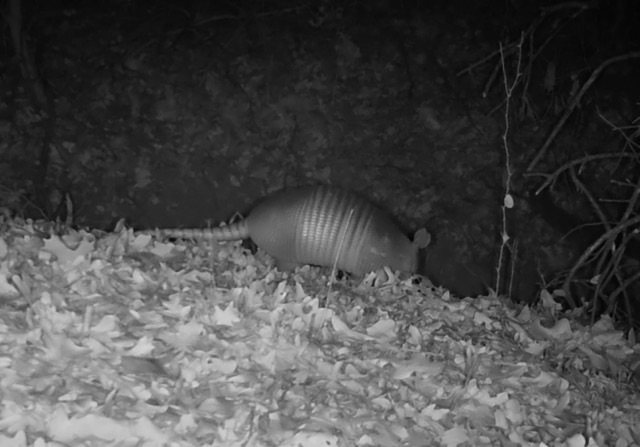
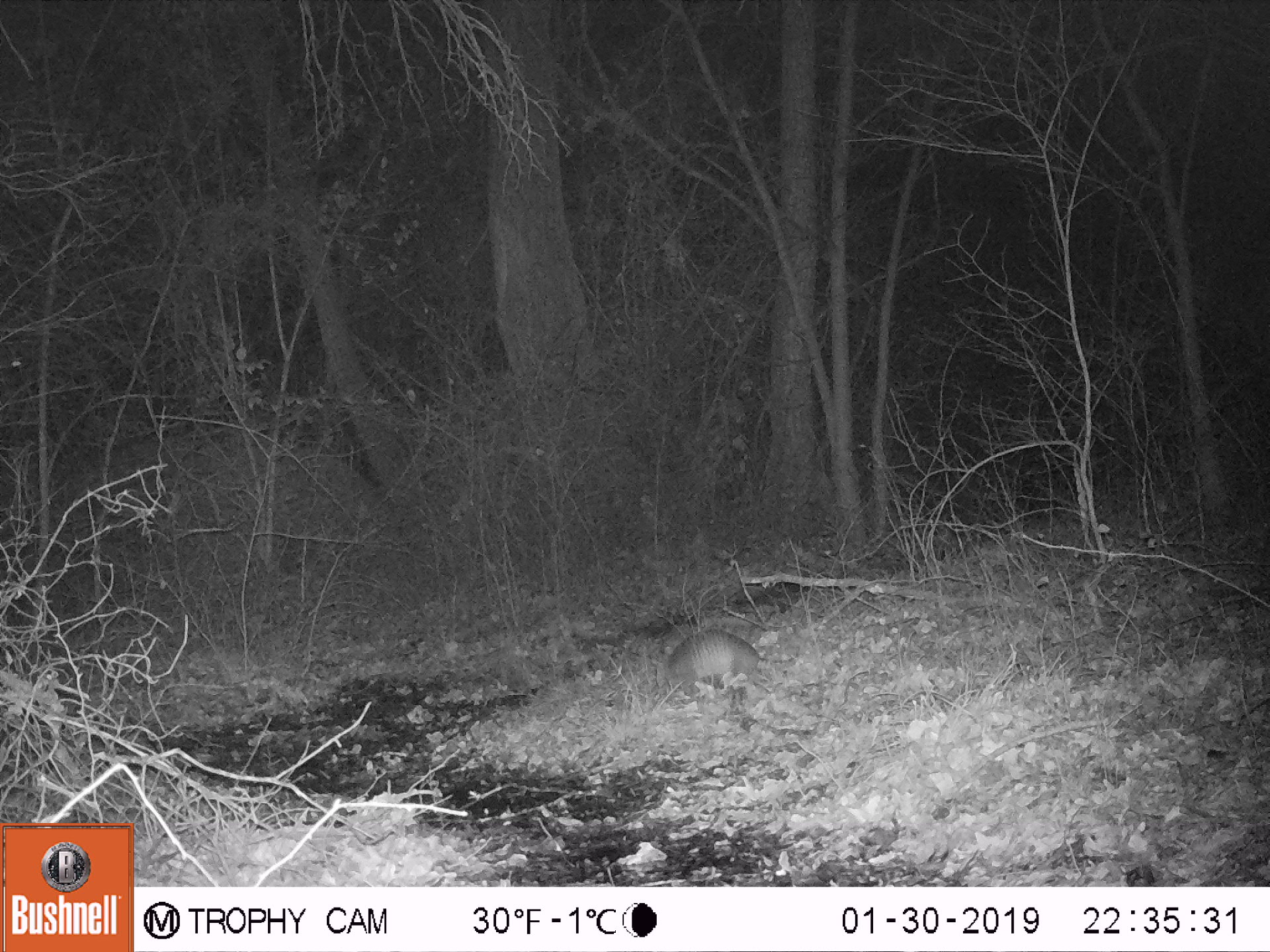
Although they are not on the trail cam footage as often as cats and opossums, our armadillos do make an appearance.
What I haven’t seen yet on the new trail cams are raccoons.

Although they are not on the trail cam footage as often as cats and opossums, our armadillos do make an appearance.
What I haven’t seen yet on the new trail cams are raccoons.
I do like the new location for the trail cam. I’m getting regular allotment of critters.
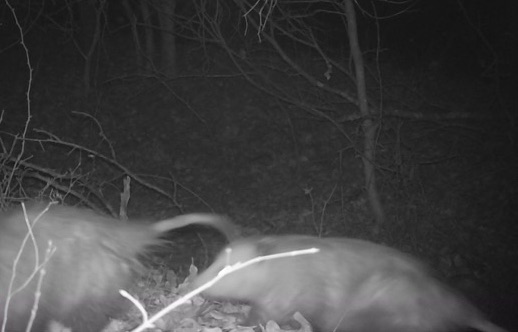
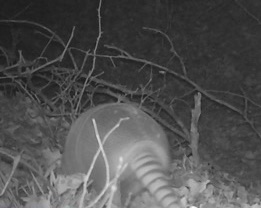
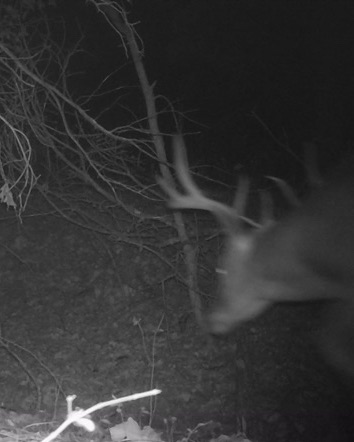
There were also the regular scattering of cats, birds, and squirrels, with one neighborhood dog going by. What I haven’t seen is any evidence of raccoons. I think our colony was really and truly wiped out by distemper about a year ago, which makes me remorseful. My animals are all vaccinated for distemper, but the feral cats are not. Raccoons are susceptible to both feline and canine distemper, so it could have been either a cat or neighborhood dog that infected them. Did you know that a group of raccoons is called a nursery or a gaze? There we go.

Shortly after we moved in, we found that we had nine-banded armadillos living in the yard. Pretty sure you can’t get much more Texas than that. (You actually can, but it is a start.) In the last couple of weeks I’ve started to see signs of their passing again: small shallow holes dug in the ground as they look for tasty insects. Armadillos are insectivores, and so are good to have around. Now they also carry leprosy, so are not good to touch or handle.
The armadillo babies are absolutely adorable to watch, though. Here is a picture from last year of one of the four babies. Armadillo females give birth to identical quadruplets. Every time. I’m really hoping to see a new litter this summer!

And those protective shells must protect some vulture gold, because those unfortunate enough to have a fatal encounter with a car attract vultures quickly and in mass. The vultures clean out everything but the shell.
Another plus, they don’t eat chicken! Finally something in the yard that won’t be after our future birds!
 Critters and Craft