We went to the Fort Worth Zoo the other day and I got a kick out of seeing the wild heron fishing at the fish stocked hippo tank.
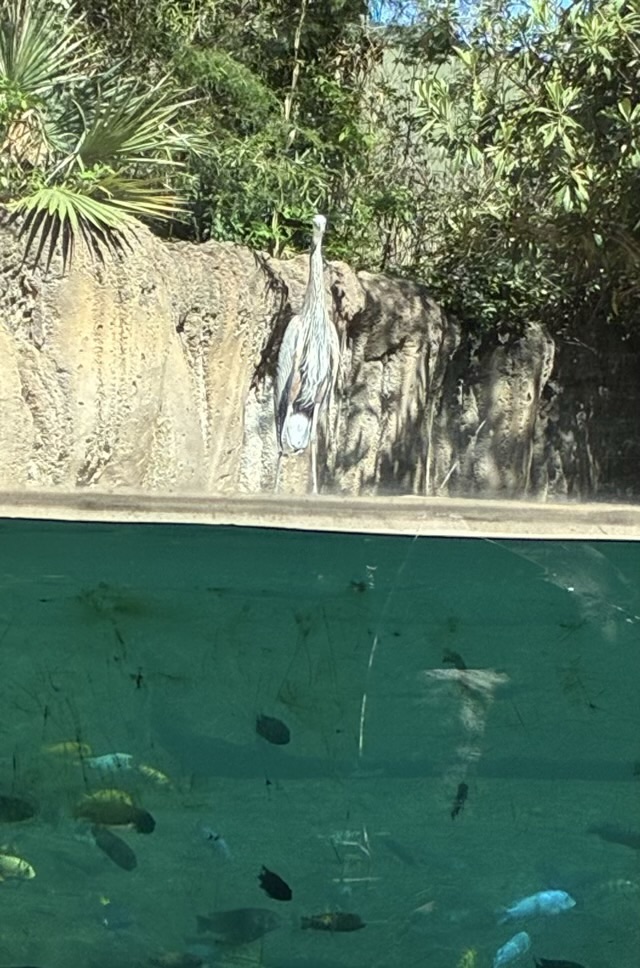
Fish are kept in the hippo pool as a natural cleaning crew for dung, algae, and hippo skin.

We went to the Fort Worth Zoo the other day and I got a kick out of seeing the wild heron fishing at the fish stocked hippo tank.
Fish are kept in the hippo pool as a natural cleaning crew for dung, algae, and hippo skin.
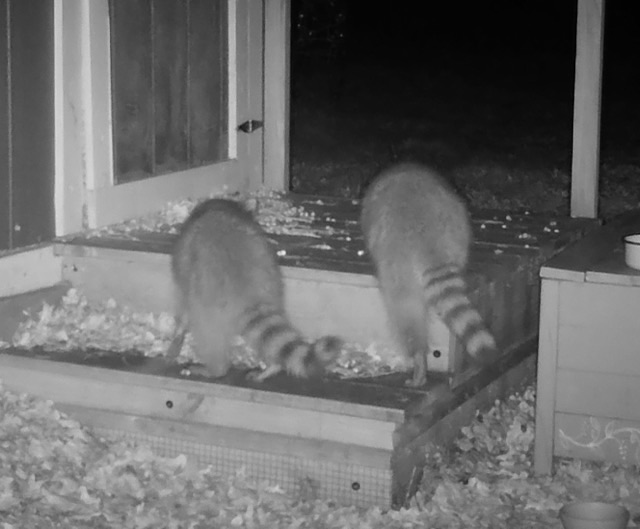
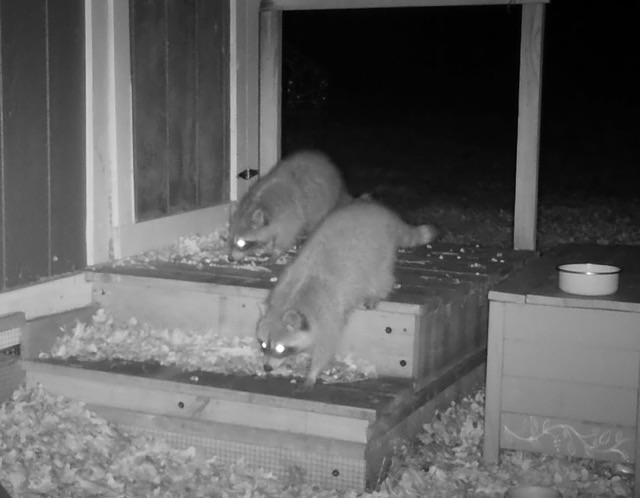
We have a couple of raccoon buddies hanging out in the woods. Rather than the opossums, who arrive individually and leave separately, the raccoons show up and head out together.
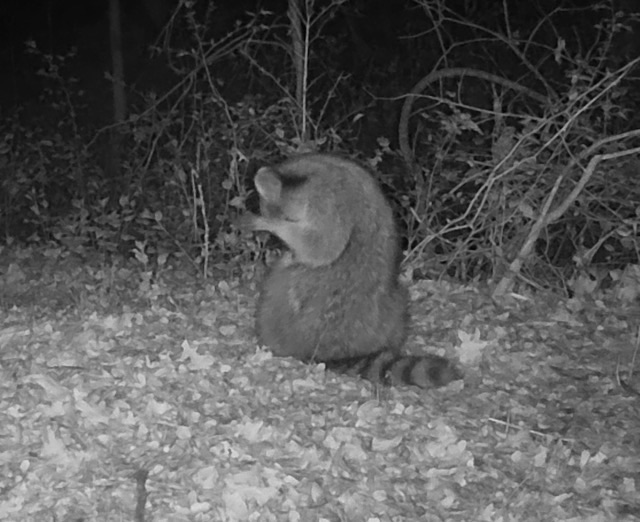
A raccoon decided to have bath time in front of the trail cam.
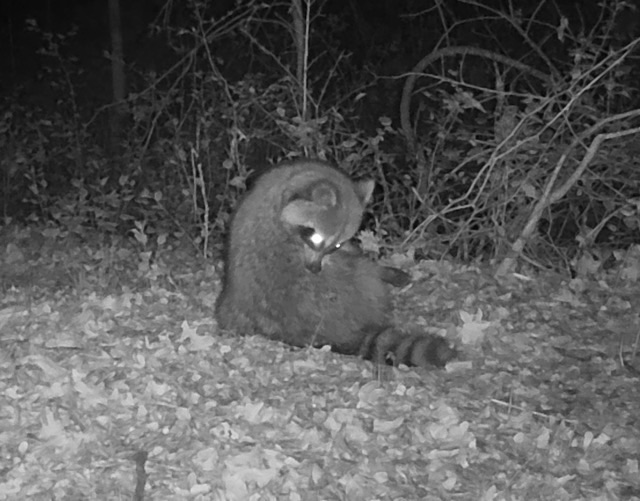
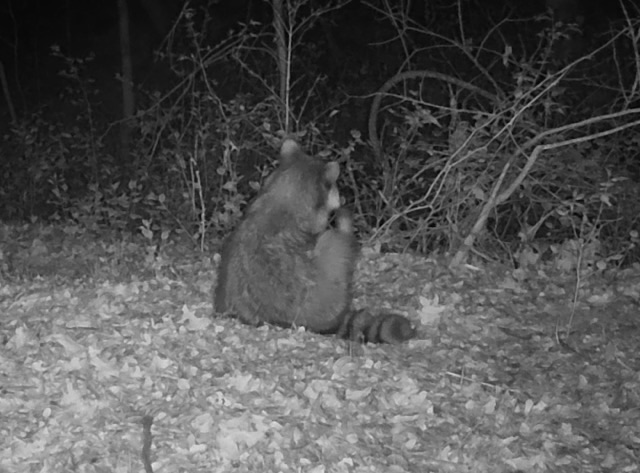
It has been while since I checked trail cams. Mostly the SD cards were full of cats, raccoons, and opossums, but there was a series of photos where an opossum was investigating the cat food when a cat came along.
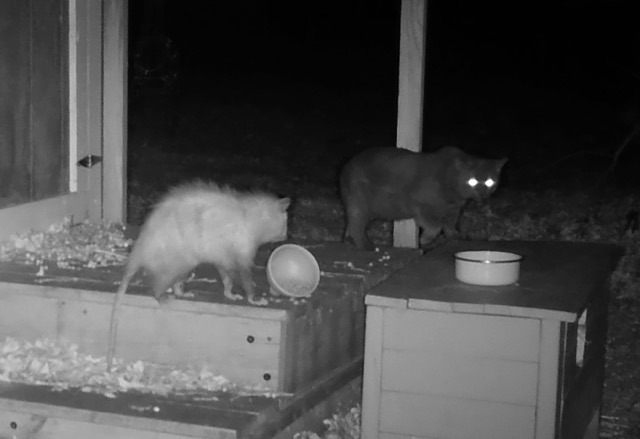
The result was a no-contest. The cat went straight to the bowl of the food on the cat box, away from the opossum, and when the cat settled in to eat and not attack, the opossum left. I’m pretty sure the cat is the one we call Greebo, who has scars from fighting and his fur is thinned with some kind of mange. He actually looks healthier since he joined the neighborhood colony. The last couple years he and Fang show up in the Fall and then head out again in Spring or Summer.
This little dark eyed junco bashed into our window, leaving it a little stunned. Normally I would leave them alone, but it was on the metal trash can in sub freezing temperatures.
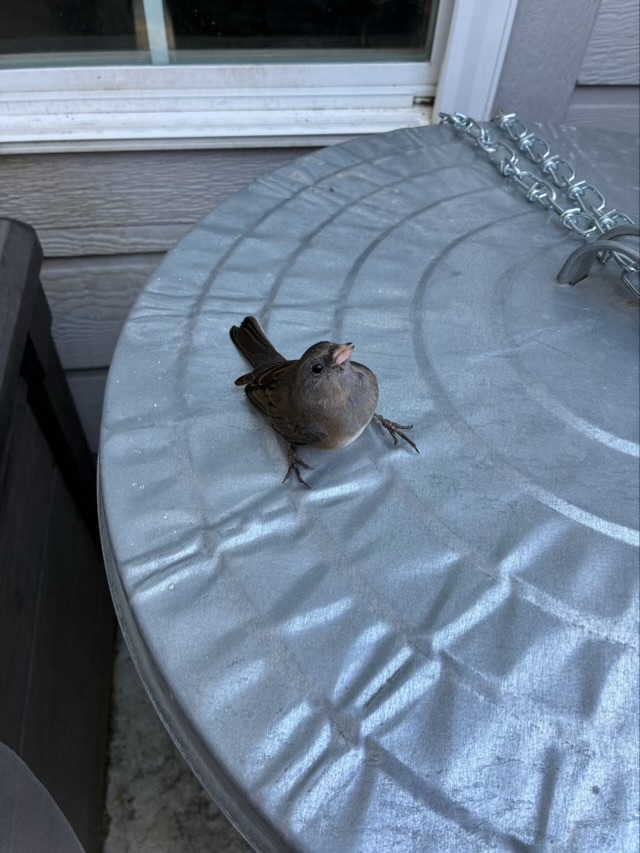
I grabbed a shoe box, gently put the bird in, and brought it inside to rest.
After about 20 minutes, the birds started to rustle around in the box and I took the box back outside and opened it up. A very irritated bird flew out and into the trees.
 Critters and Craft