Here is a collection of spiders from around the house in celebration of Halloween.


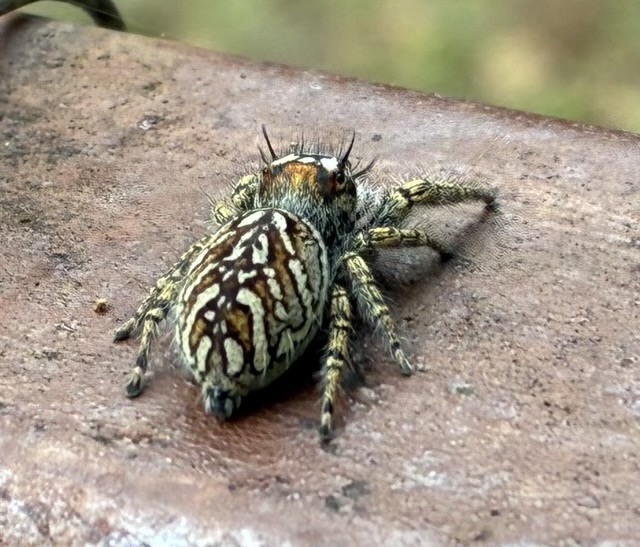
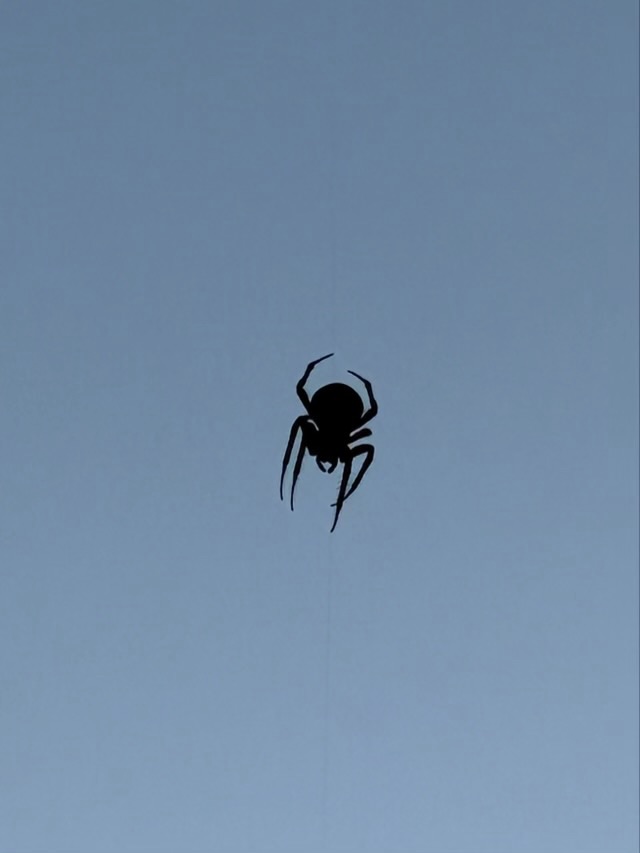
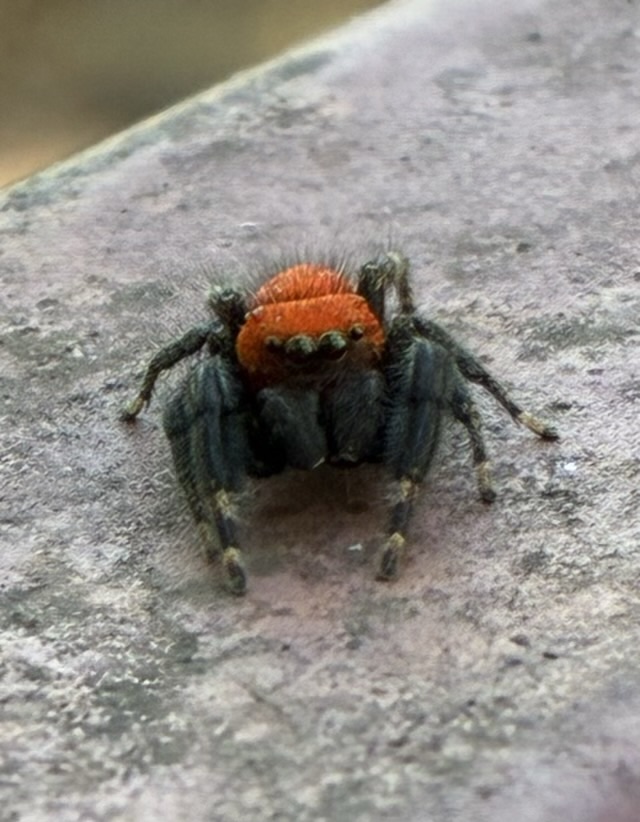

Here is a collection of spiders from around the house in celebration of Halloween.
I was quite confused when I saw Queen butterfly wings caught in the foliage of the Gregg’s Mistflower as I walked by.
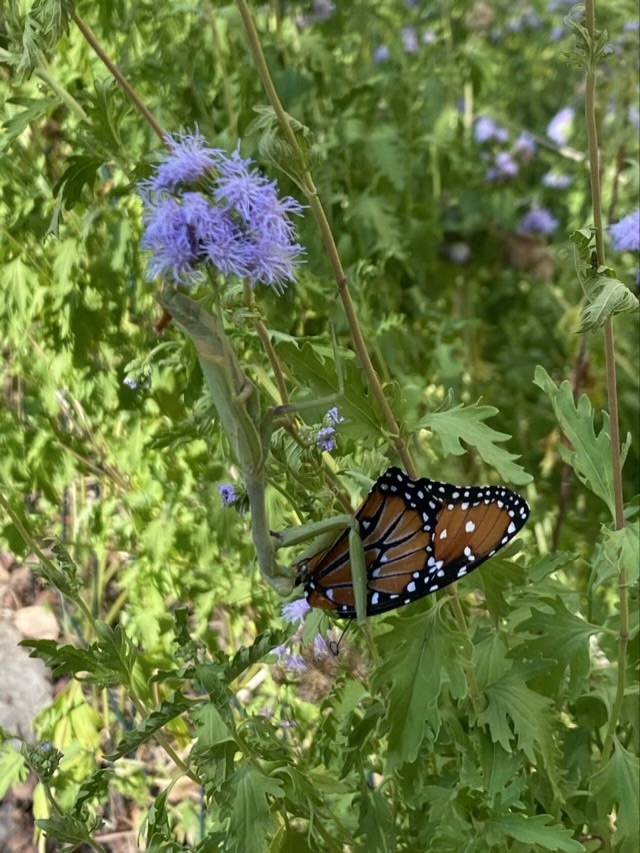
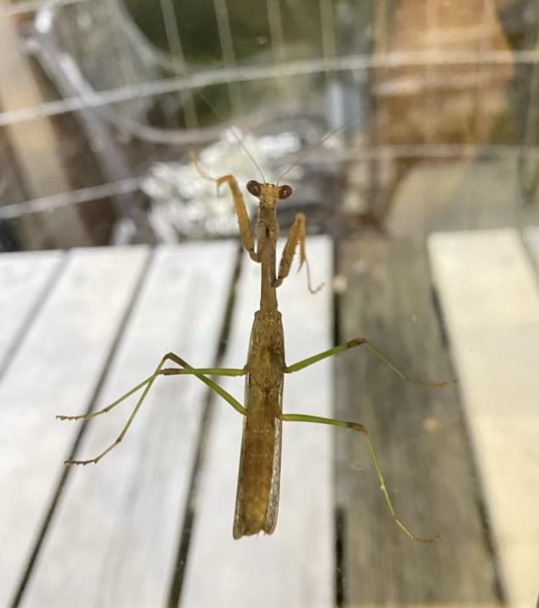
I stopped to look and saw that the butterfly wasn’t just haphazardly hung up, it was in the grip of a large Praying Mantis the exact color of the leaves. I had stumbled upon the predator mid-meal. Here is a video short.
The Carolina Mantis was completely unconcerned how close I was with my phone. If I had passed by a minute later, I would have only seen the butterfly wings on the ground, and not the camouflaged mantis.
This fall is giving us the opportunity to observe some rather large insects.
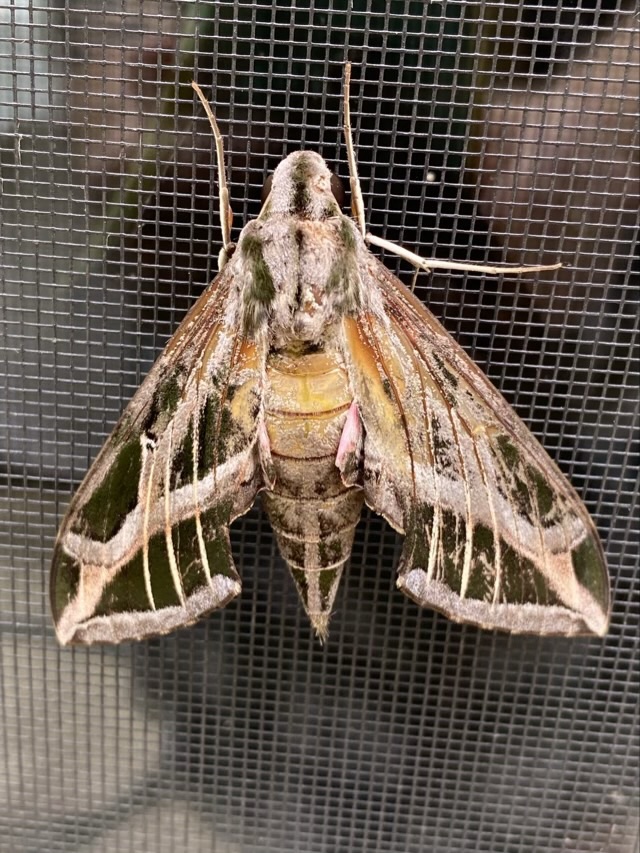
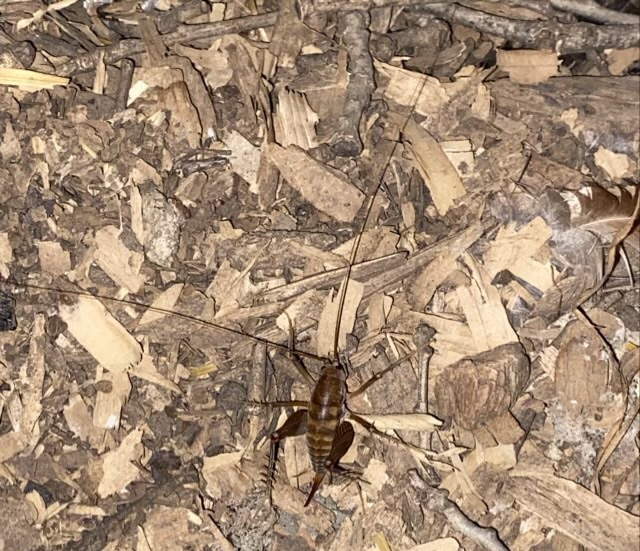
My youngest told me there was a large bug in the bathroom, so I went to look. It was indeed a large bug, a bark scorpion, but it had been taken care of by our friendly neighborhood house spider. I have no idea how the scorpion became entangled in the web an inch off the floor, but the spider definitely had the advantage.
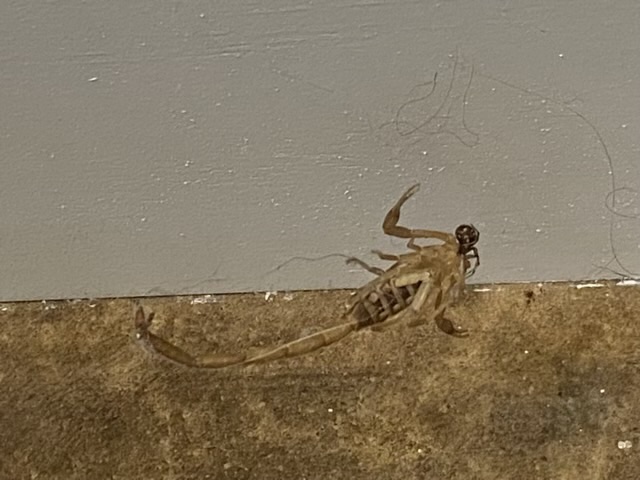
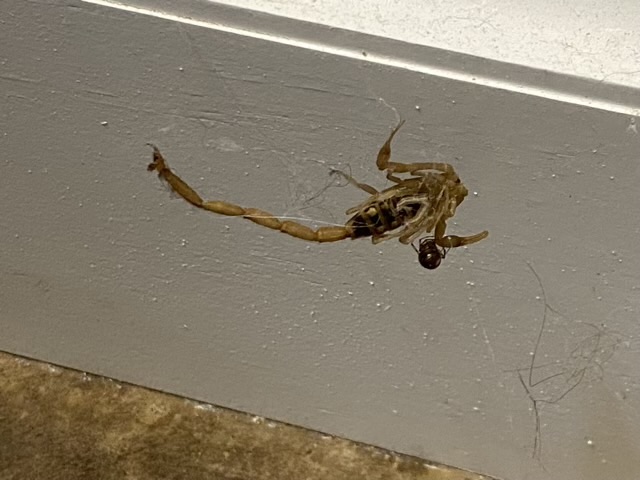
The spider is certainly eating well, and we find it revisiting different parts of the scorpion as well as taking breaks from feeding. I’m going to leave the scorpion until there is nothing left, then clean up the web and let the spider rebuild. Go spider go.
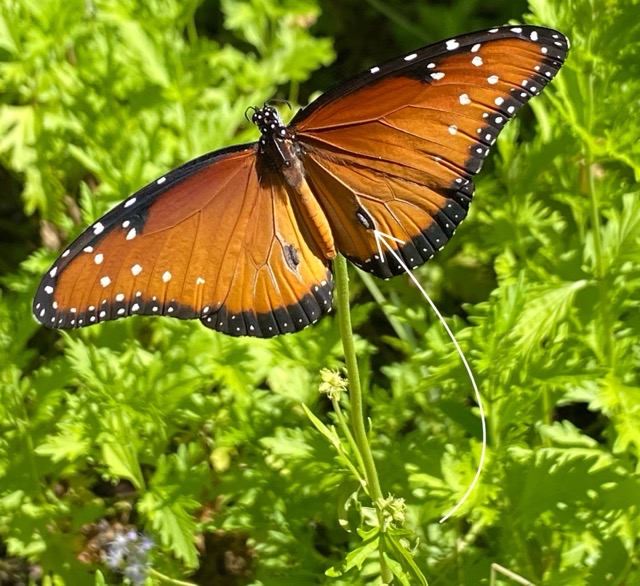
The Queen butterfly (Danaus gilippus) is a common butterfly in North Texas, and is the most frequently spotted in our Gregg’s Mist flower patch.
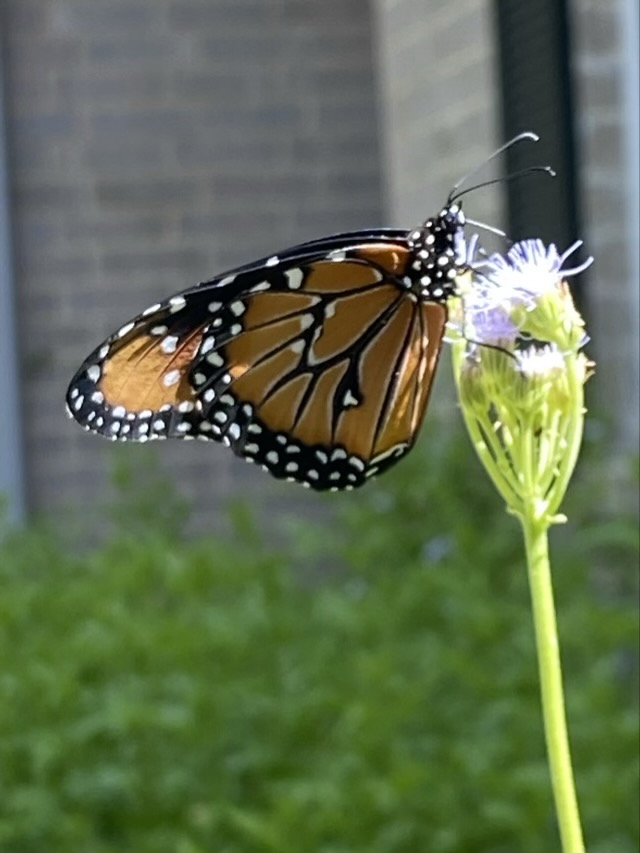

In looking up the information on the Queen butterfly for this post, I found references for telling apart the males and females of the species. The males have dark patches on the hind wings, which are scent producing patches. So in my picture, it is a male Queen butterfly because the patches are evident.
 Critters and Craft